Knights Templar Cross Necklace: Budget & Value Guide
Discover how to assess the true value of a Knights Templar cross necklace. Compare materials, pricing tiers, and avoid overpaying for plated metals.

The Historical Appeal and Modern Market
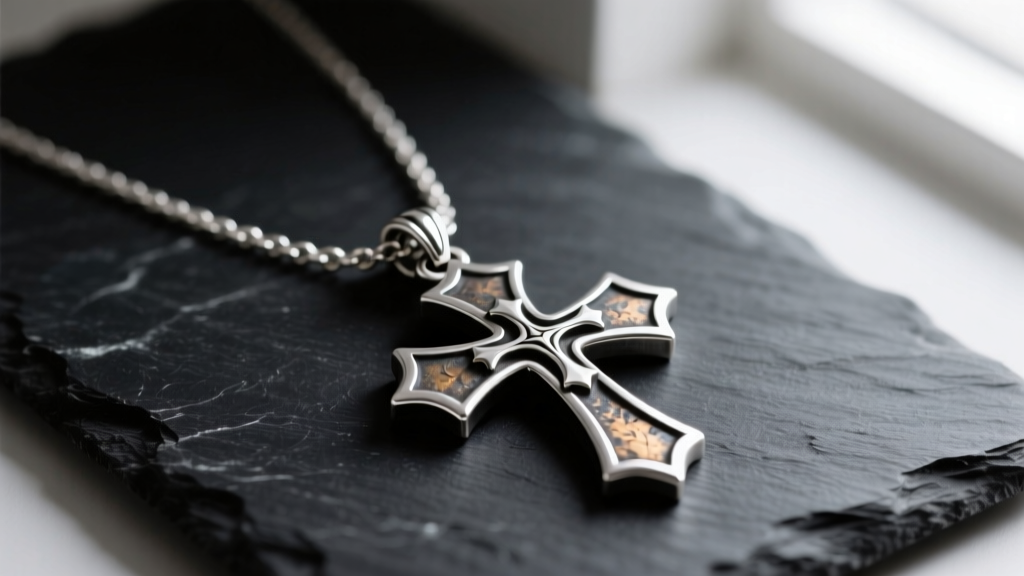
The Knights Templar cross necklace remains one of the most enduring symbols in men's and women's historical jewelry. Rooted in the iconography of the medieval Catholic military order, these pieces typically feature either the Cross Pattée (arms narrow at the center and flare outward) or the Jerusalem Cross (a large central cross surrounded by four smaller ones). According to Britannica's historical archive on the Knights Templar, the order's symbolism has transcended its 12th-century origins to become a staple of modern heritage and statement jewelry.
However, the 2026 jewelry market is heavily saturated. For every artisan-crafted, solid-metal heirloom, there are dozens of cheap, mass-produced alloys marketed as 'antique silver.' When shopping for a Knights Templar cross necklace, understanding the intersection of metallurgy, casting weight, and hardware mechanics is essential to avoid overpaying for costume pieces disguised as fine jewelry.
Material Breakdown: What You Are Actually Paying For
The value of a Templar pendant is intrinsically tied to its base metal. The Federal Trade Commission (FTC) Jewelry Guides strictly regulate how metals must be stamped and marketed, yet offshore dropshippers frequently exploit loopholes. Here is how the primary materials stack up in terms of longevity and value.
316L Surgical Stainless Steel (The Budget Champion)
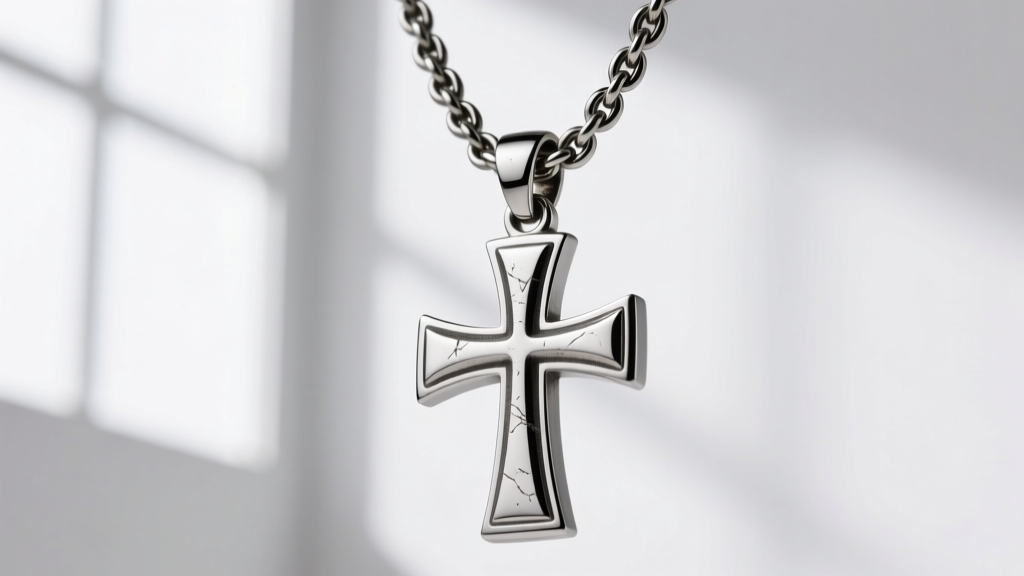
For buyers on a strict budget, 316L stainless steel is the undisputed king. Unlike standard 304 steel, 316L contains molybdenum, which drastically increases its resistance to corrosion from sweat and saltwater. A solid cast 316L Cross Pattée pendant will not tarnish, rust, or turn your skin green. Value Verdict: Excellent for daily wear, but lacks the intrinsic melt value and prestige of precious metals. Expect to pay between $20 and $45 for a high-quality piece with deep CNC-milled engraving.
925 Sterling Silver (The Mid-Tier Sweet Spot)
Sterling silver (92.5% pure silver, 7.5% copper) offers the best balance of heirloom quality and affordability. The copper alloy provides the necessary Vickers hardness to hold intricate beveled edges and deep oxidized antiquing. As noted by the Gemological Institute of America (GIA) Silver Quality Factors, genuine sterling must bear a '925' hallmark. Failure Mode: Silver is prone to sulfur-induced tarnishing and requires periodic polishing. Furthermore, poorly cast silver pendants often suffer from internal porosity, which jewelers attempt to hide with heavy black antiquing.
Solid Gold and Vermeil (The Premium Investment)
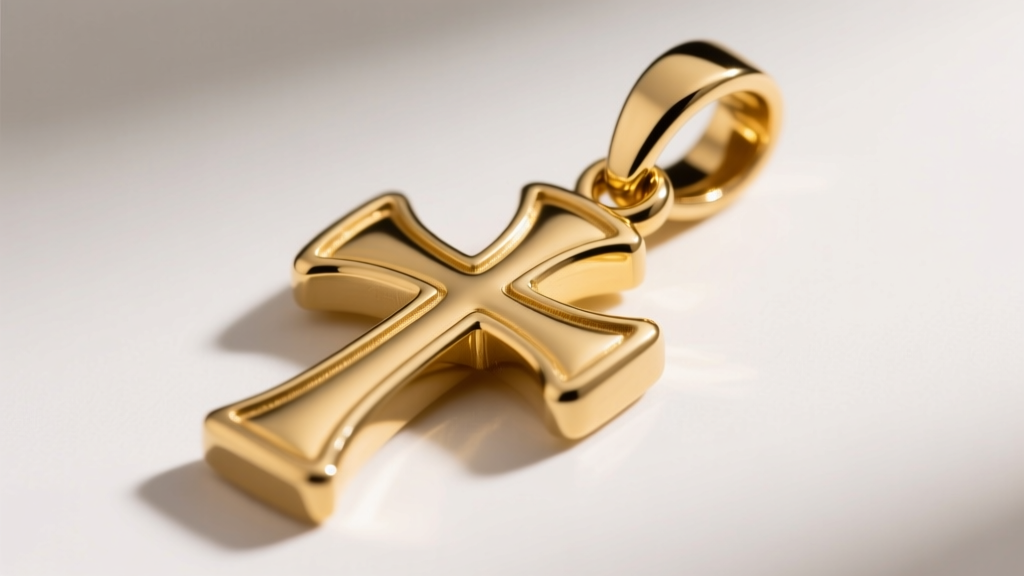
A solid 14k or 18k gold Templar cross is a generational investment. Because gold is denser than silver, a solid 14k Jerusalem cross pendant will feel noticeably heavier and more substantial. For those priced out of solid gold, Gold Vermeil (a thick layer of 14k+ gold over a 925 silver base, minimum 2.5 microns) is a viable alternative. Avoid standard 'gold-plated brass,' as the plating will inevitably flake off, revealing the base metal beneath.
Pricing Tiers and Value Assessment Matrix
Use this matrix to benchmark prices and ensure you are receiving fair market value for your chosen material and design complexity.
| Material Grade | Design Style | Fair Market Price | Durability & Lifespan | Best Use Case |
|---|---|---|---|---|
| 316L Stainless Steel | Cross Pattée (Solid Cast) | $20 - $45 | Exceptional (Lifetime) | Active lifestyles, beach, gym |
| 925 Sterling Silver | Jerusalem Cross (Detailed) | $75 - $160 | High (Requires polishing) | Everyday office/casual wear |
| Gold Vermeil (925 Base) | Cross Pattée (Enamel Inlay) | $120 - $250 | Moderate (2-5 years) | Special occasions, layering |
| Solid 14k Yellow Gold | Jerusalem Cross (Heavy Cast) | $600 - $1,500+ | Premium (Generational) | Heirloom investment, luxury |
Chain Selection and Bail Mechanics: The Hidden Cost Factors
A common and costly mistake buyers make is pairing a heavy, solid-metal Templar pendant with a flimsy chain. A well-cast solid silver Jerusalem cross can easily weigh between 15 and 25 grams. If you hang this on a 1mm hollow box chain, the chain will inevitably kink, stretch, and snap.
- Chain Thickness: For pendants weighing 10g to 25g, insist on a chain thickness between 1.5mm and 2.5mm. Wheat chains and Rope chains offer the best tensile strength and drape beautifully without kinking.
- Clasp Hardware: Never accept a spring-ring clasp for a heavy historical pendant. Spring rings are notorious for failing under dynamic tension. Always demand a solid lobster clasp with a reinforced soldered jump ring.
- The Bail: The bail (the loop connecting the pendant to the chain) is the primary failure point. Look for pendants with a thick, soldered tube bail or a sturdy integrated cast loop. Thin, pinch-bails will snap under the pendulum motion of a heavy cross.
Red Flags: How to Spot Overpriced Fakes and Scams
When assessing the value of a Knights Templar cross necklace online, be highly skeptical of the following marketing tactics:
- The 'Tibetan Silver' Scam: Often marketed as an antique or exotic alternative, 'Tibetan Silver' contains zero actual silver. It is typically a zinc, copper, and nickel alloy that will cause severe contact dermatitis and turn your skin green within days.
- Deceptive Antiquing: While oxidized recesses are a legitimate technique to highlight the intricate arms of a Cross Pattée, some manufacturers use heavy black paint to fill in pitting and porosity caused by cheap, low-temperature casting methods.
- Hollow-Back Pendants: To save on precious metal costs, mass-producers will cast a Jerusalem cross with a flat, hollowed-out back. While this reduces the price, it severely compromises the structural integrity and makes the pendant prone to denting if pressed against a hard surface.
Enamel, Gemstones, and Relic Inlays
Many premium Templar necklaces incorporate red or black enamel, or even inlaid onyx and garnets, to mimic the historical aesthetic of the crusader orders. When evaluating these pieces, inspect the enamel work closely. High-value pieces use cloisonné or champlevé techniques, where the enamel is fired into recessed metal channels. If the color is merely painted on top of a flat surface, it is a low-value epoxy resin that will chip and peel within months. True vitreous enamel is essentially glass and will last a lifetime.
Final Verdict: Where Should You Spend Your Money?
If your primary goal is a rugged, maintenance-free piece for daily wear, a 316L stainless steel Cross Pattée on a 2mm wheat chain offers the highest functional value for under $50. However, if you are seeking a meaningful heirloom with intrinsic precious metal value, a solid cast 925 sterling silver Jerusalem cross in the $100 to $150 range is the ultimate sweet spot. Always verify the hallmark, inspect the bail thickness, and ensure your hardware is rated for the pendant's specific gram weight. By focusing on metallurgical integrity over flashy marketing, you secure a piece of history that will endure for decades.


