Understanding Necklace Colors: Metal Alloys, Plating & Wear
Discover the science behind necklace colors. Compare gold alloys, PVD coatings, and plating thickness to choose tarnish-resistant jewelry.

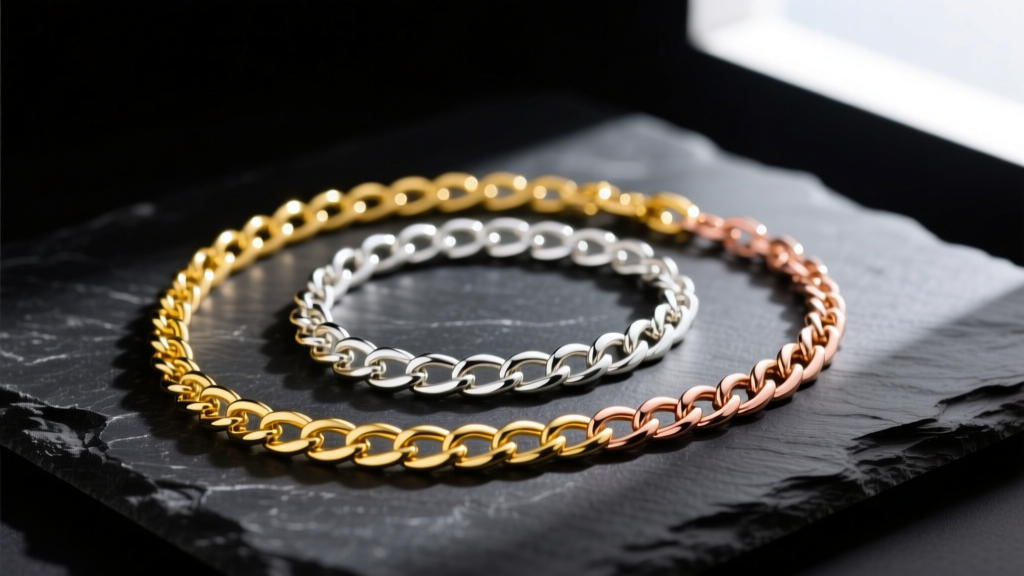
The Metallurgy of Jewelry: What Dictates Necklace Colors?
When browsing for the perfect pendant or chain, most shoppers focus on the visual appeal of the piece. However, the science behind necklace colors is rooted in complex metallurgy, alloy compositions, and surface treatment technologies. Pure metals are rarely used in jewelry due to their inherent softness; instead, they are blended with other elements to create durable alloys. These secondary metals fundamentally alter the optical properties, hardness, and tarnish resistance of the final piece. Understanding these material properties is crucial for making informed purchasing decisions, especially when investing in fine jewelry meant to last generations.
The color of a metal necklace is not merely a surface-level aesthetic; it is a direct result of its atomic structure and how it reflects light. From the warm blush of copper-infused gold to the stark, cool tones of rhodium-plated white gold, every hue tells a story about the metal's composition. In this comprehensive guide, we break down the exact alloy percentages, plating thicknesses, and failure modes that determine the longevity and appearance of your favorite necklaces.
Yellow, White, and Rose: Decoding Gold Alloy Compositions
Pure 24-karat gold is naturally a rich, saturated yellow. However, at 99.9% purity, it is far too malleable for everyday wear—a 24k gold chain would easily stretch and deform under the weight of a simple pendant. To achieve the necessary structural integrity, gold is alloyed with metals like copper, silver, zinc, and palladium. These additions not only increase the Vickers hardness (HV) of the metal but also dramatically shift its color spectrum.
The Chemistry of Rose Gold
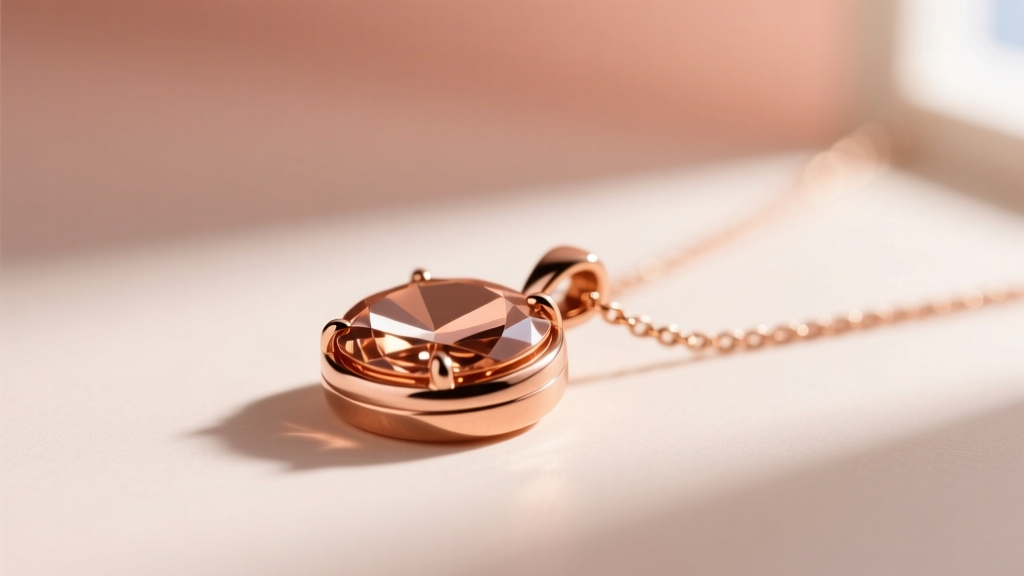
Rose gold achieves its signature pinkish-red hue through a high concentration of copper. A standard 14k rose gold alloy consists of 58.3% pure gold, approximately 33.5% copper, and 8.2% silver. The copper acts as the primary chromophore, absorbing certain wavelengths of light and reflecting the warm, rosy tones. Higher karat rose gold (18k) will appear slightly less red and more peach-toned because the gold content increases to 75%, diluting the copper concentration to around 22.25%.
The Reality of White Gold
A common misconception is that white gold is naturally a bright, silvery-white metal. In reality, white gold is an alloy of yellow gold mixed with white metals like nickel, palladium, or manganese. Even with a 50/50 split, the underlying yellow gold gives the alloy a faint, warm, grayish-yellow tint. To achieve the mirror-like, brilliant white finish seen in jewelry stores, white gold necklaces are electroplated with a microscopically thin layer of rhodium, a platinum-group metal. According to the Gemological Institute of America (GIA), rhodium plating typically ranges from 0.75 to 1.0 microns in thickness. Over time, friction and skin acidity will wear this plating away, revealing the true yellowish-gray color of the alloy beneath and requiring professional re-plating.
Alternative Metals: Titanium, Tungsten, and Ceramic Colors
For those seeking necklace colors outside the traditional gold and silver spectrum, alternative metals offer unique properties and hues. Titanium and tungsten carbide have surged in popularity due to their extreme durability and hypoallergenic nature. However, their natural colors are limited to various shades of gray. To expand the color palette, jewelers utilize advanced surface treatments.
Anodizing vs. PVD Coating
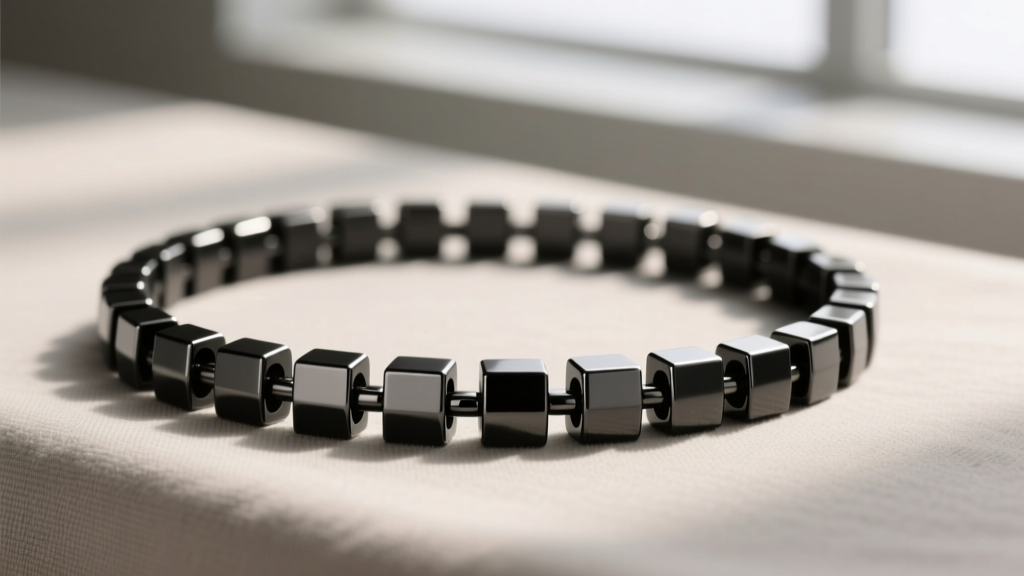
Titanium can be anodized, an electrochemical process that thickens the metal's natural oxide layer. By altering the voltage, jewelers can produce vibrant necklace colors like electric blue, deep purple, and emerald green without using dyes or paints. The color is structural, meaning it won't chip, though it can be scratched. Alternatively, Physical Vapor Deposition (PVD) is used to coat titanium and stainless steel in a vacuum chamber. PVD coatings, such as Titanium Nitride (TiN) for gold tones or Titanium Carbonitride for black gunmetal, bond at a molecular level. PVD coatings boast a hardness of up to 2000 HV, making them exponentially more scratch-resistant than traditional electroplating.
| Material / Alloy | Base Color | Hardness (Vickers) | Tarnish / Wear Risk | Avg. Price per Gram |
|---|---|---|---|---|
| 14k Yellow Gold | Warm Yellow | 130 - 150 HV | Low (Can dull over time) | $45 - $55 |
| 14k White Gold (Rhodium Plated) | Bright White | 130 - 160 HV | Medium (Plating wears off) | $48 - $58 |
| Sterling Silver (925) | Cool White | 60 - 70 HV | High (Oxidizes rapidly) | $0.80 - $1.20 |
| Grade 5 Titanium (Anodized) | Structural Colors | 350 HV | None (Scratch risk only) | $1.50 - $3.00 |
| PVD Black Titanium | Matte Gunmetal | 2000+ HV | None (Highly durable) | N/A (Surface only) |
Plating Technologies: Vermeil, Gold-Filled, and Flash Plating
When shopping for more affordable necklace colors that mimic solid gold, understanding plating terminology is essential to avoid premature wear and disappointment. Not all gold-plated jewelry is created equal, and the manufacturing method dictates the lifespan of the color.
- Flash Plating: Often found in fast-fashion jewelry, flash plating applies a microscopic layer of gold (less than 0.175 microns). This color will rub off within weeks of daily wear, especially against the friction of the neckline.
- Gold Vermeil: By US Federal Trade Commission standards, vermeil must be a thick layer of gold (minimum 2.5 microns) plated over a sterling silver base. It offers a rich, authentic gold color and is a great option for those with base-metal allergies, though it will eventually require re-plating.
- Gold-Filled: This is a mechanical bonding process where a thick sheet of solid gold (usually 12k or 14k) is heat- and pressure-bonded to a brass core. The gold layer must constitute at least 5% of the total weight of the item. Gold-filled necklaces retain their color for decades and are highly resistant to flaking or peeling.
Skin Undertones and Metal Color Selection Framework
Choosing the right necklace color is not just about material longevity; it is also about optical harmony with your skin's undertones. The interplay between the metal's reflective properties and your skin's melanin and hemoglobin levels can either enhance your complexion or wash it out.
The Vein and Jewelry Test
To determine your undertone, examine the veins on the inside of your wrist under natural daylight. If they appear predominantly green, you likely have warm undertones, making yellow gold and rose gold highly flattering. If your veins look blue or purple, you have cool undertones, which pair beautifully with the stark, reflective colors of white gold, platinum, and sterling silver. If you see a mix of both, or if your veins appear teal, you possess neutral undertones and can confidently wear any metal color.
Expert Styling Tip: When layering necklaces, mixing metal colors (e.g., a yellow gold pendant on a white gold chain) creates a modern, curated look. However, be aware of galvanic corrosion. If two dissimilar metals (like sterling silver and copper-heavy rose gold) constantly touch in a humid, salty environment (like sweat), the less noble metal will corrode faster. Remove mixed-metal layers before exercising.
Maintenance and Failure Modes: When Colors Fade
Even the most stable necklace colors require specific care to maintain their luster. Sterling silver, an alloy of 92.5% silver and 7.5% copper, is notorious for tarnishing. The copper reacts with sulfur compounds in the air and hydrogen sulfide in sweat, forming silver sulfide—a dark, blackish layer on the surface. According to data from the World Gold Council, higher karat gold (18k and above) is significantly more resistant to this type of chemical corrosion due to the lower percentage of reactive alloy metals.
To preserve the color of your necklaces, avoid exposing them to chlorinated pool water, which can cause 'stress corrosion cracking' in gold alloys and permanently pit the surface. Store pieces individually in anti-tarnish cloth pouches to prevent micro-scratches that dull the metal's ability to reflect light. For rhodium-plated white gold, avoid polishing with abrasive compounds, as this will strip the microscopic rhodium layer and expose the yellowish alloy beneath. By understanding the material science behind your jewelry, you can ensure your necklace colors remain as vibrant as the day you bought them.


