Kate Middleton Heart Necklace: Care & Cleaning Tips
Discover expert care and cleaning tips for the Kate Middleton heart necklace. Learn to protect gold plating, prevent tarnish, and restore its royal shine.

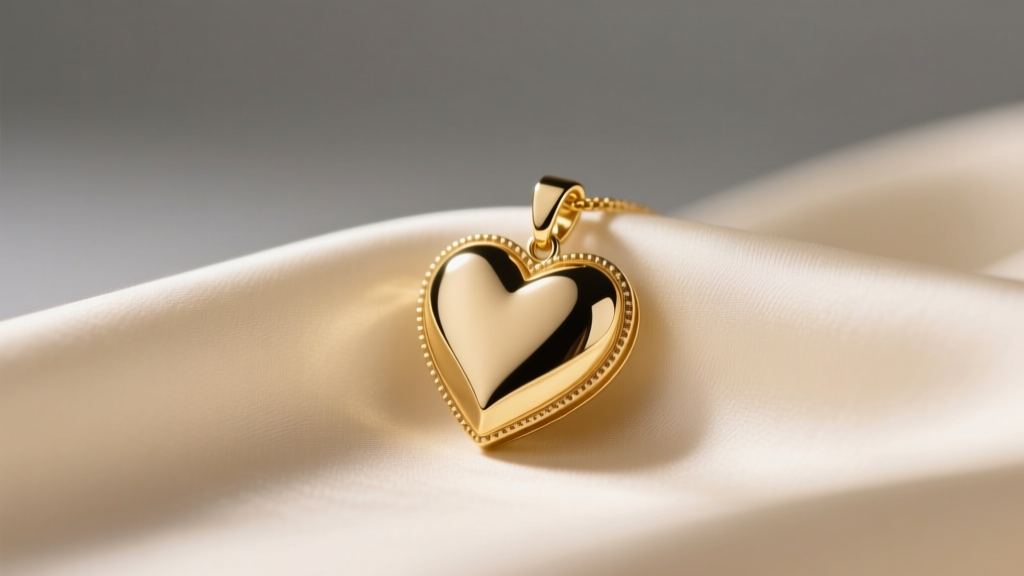
The search for the iconic Kate Middleton heart necklace consistently spikes whenever the Princess of Wales steps out in her signature jewelry. Whether she is wearing her beloved Daniella Draper 18ct gold-plated heart pendant or her vintage Asprey heart locket, these pieces have become staples of accessible royal style. However, maintaining the lustrous, flawless finish of these specific necklaces requires a strict, metallurgically sound approach to jewelry care. As we navigate the evolving landscape of sustainable jewelry maintenance in 2026, understanding the exact material composition of your pendants is the first step toward preserving their royal shine.
The Metallurgy of Royal Heart Pendants: Vermeil vs. Solid Gold
To properly care for the famous high-street heart necklace, you must first understand its construction. The widely recognized Daniella Draper piece is crafted from sterling silver (925) and plated with 18ct gold. When gold plating over sterling silver meets a minimum thickness of 2.5 microns, it is classified as 'gold vermeil.' However, many accessible fashion pendants feature a much thinner flash plating of 0.5 to 1.0 microns.
This microscopic layer of gold is highly susceptible to galvanic corrosion and mechanical abrasion. The natural acidity of human skin, which typically ranges from a pH of 4.5 to 7.0, slowly breaks down the gold layer over time. Furthermore, the friction caused by the pendant resting against the clavicle during daily wear accelerates the wearing process. Treating a gold-plated heart pendant as if it were solid 18k gold is the most common failure mode, leading to rapid discoloration and exposed silver under-layers.
The 4-Step Cleaning Protocol for Gold-Plated Hearts
Ultrasonic cleaners, which vibrate at frequencies up to 40,000 Hz, are strictly prohibited for gold-plated jewelry. The cavitation bubbles created by these machines will strip the delicate gold micron layer right off the sterling silver base. Instead, rely on this gentle, manual cleaning protocol recommended by gemological experts.
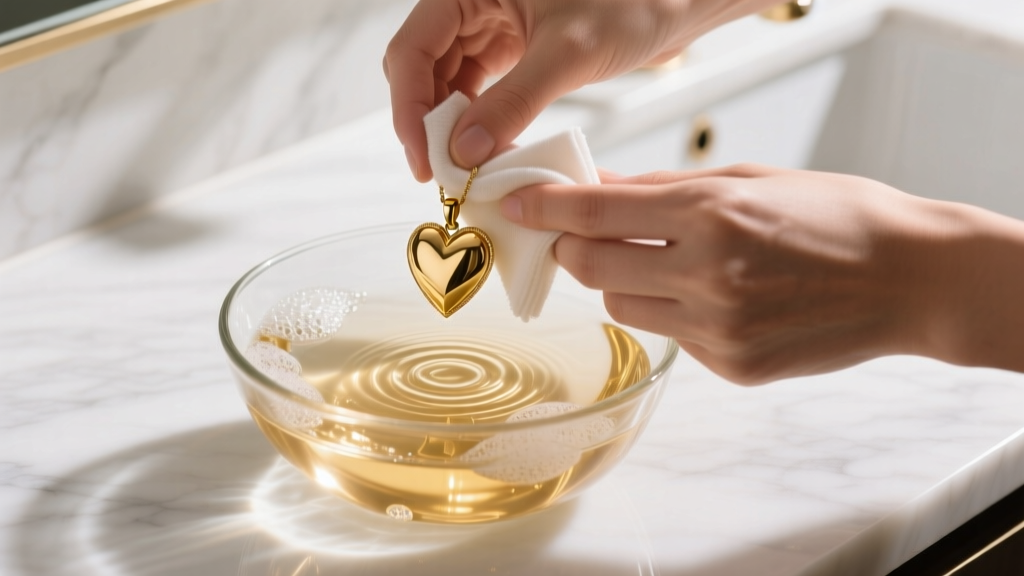
- Step 1: The Lukewarm Soak. Fill a small glass bowl with distilled water (tap water contains chlorine and hard minerals that can spot the plating). Add a single drop of pH-neutral, lotion-free dish soap. Submerge the necklace for exactly three minutes to loosen sebum and dead skin cells.
- Step 2: The Microfiber Wipe. Remove the pendant and gently wipe it with a clean, damp microfiber cloth. Never use paper towels or tissue paper; their wood-pulp fibers cause microscopic scratches that dull the gold's reflective surface.
- Step 3: Detailing the Bail. Use a soft-bristled baby toothbrush to gently dislodge any trapped debris from the bail (the loop connecting the heart to the chain), applying zero downward pressure.
- Step 4: Air Drying. Lay the necklace flat on a dry microfiber towel in a low-humidity room. Ensure it is 100% dry before storage to prevent water-induced oxidation of the underlying silver.
Chemicals to Banish from Your Vanity
The environment in which you wear and store your Kate Middleton heart necklace dictates its lifespan. According to the Jewelers of America, everyday cosmetics are the primary culprits behind premature plating failure. Review the table below to understand how common vanity items interact with gold vermeil.
| Chemical Compound | Common Source | Effect on Gold Plating |
|---|---|---|
| Avobenzone | Chemical Sunscreens | Causes severe localized tarnishing and dark spotting on the gold surface. |
| Chlorine | Swimming Pools, Tap Water | Attacks the copper alloys in the gold mix, leading to structural weakening and color loss. |
| Ethanol | Perfumes, Body Mists | Dries out the metal's surface and accelerates the evaporation of protective oils. |
| Polyvinylpyrrolidone | Hairsprays | Creates a sticky, opaque film that traps dirt and dulls the pendant's luster. |
Chain Maintenance: Clearing Sebum from Cable Links
The delicate cable chains that accompany these heart pendants are notoriously difficult to clean. The tiny interlocking links trap a mixture of sebum, dead epidermal cells, and lotion residue. Over time, this buildup turns into a dark, hardened grime that weakens the chain's tensile strength and causes it to snap.
To clean the chain without damaging the gold plating, lay it flat on a microfiber cloth. Dip a cotton swab in the distilled water and soap solution, and gently run it along the length of the chain, applying minimal pressure. Rinse the swab frequently. This targeted approach prevents the chain from tangling and ensures the gold plating on the delicate links remains intact.
Strategic Storage: Halting Oxidation and Friction
How you store your necklace when it is not gracing your neckline is just as critical as how you clean it. Sterling silver is highly reactive to sulfur compounds in the air, which cause it to tarnish rapidly. When the silver under-layer tarnishes, it expands microscopically, causing the gold plating above it to flake and peel.
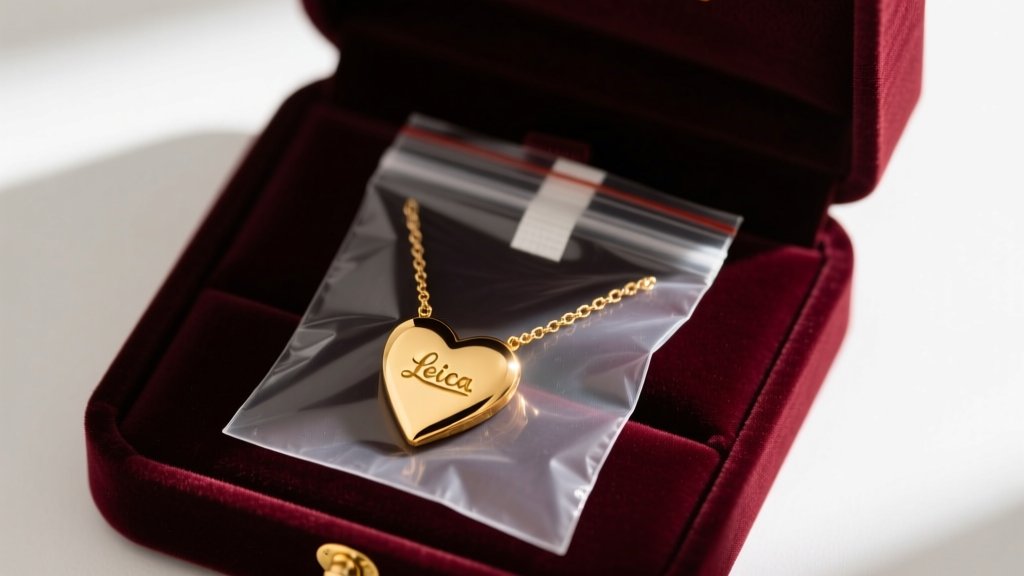
To combat this, abandon traditional velvet jewelry boxes, which often contain acidic glues and trap ambient humidity. Instead, adopt the archival storage method used by museum conservators:
- Seal the necklace in an individual, airtight polyethylene zip bag. Avoid PVC plastics, which emit gases that corrode metals.
- Include a 3M anti-tarnish strip or a piece of Pacific Silvercloth inside the bag to absorb airborne sulfur.
- Store the bags in a cool, dark drawer away from direct sunlight and fluctuating temperatures.
Recognizing Plating Failure and Professional Re-Plating
Even with meticulous care, gold plating is ultimately a sacrificial layer. You will know it is time to seek professional intervention when you notice a brassy or copper-colored hue emerging around the high-friction edges of the heart pendant, or if the sterling silver base becomes visible.
As of 2026, professional electroplating services are highly accessible and cost-effective. A reputable jeweler can polish the sterling silver base and apply a fresh 2.5-micron layer of 18ct gold, typically costing between $45 and $85 depending on the complexity of the piece. The Gemological Institute of America (GIA) recommends consulting certified bench jewelers who specialize in vermeil restoration to ensure the correct voltage and gold bath chemistry are used, guaranteeing your royal-inspired heart necklace remains a timeless staple in your collection for years to come.