How to Layer Chains Like Kendrick Lamar's a Necklace Masterpiece
Learn how to build a layered hip-hop chain stack inspired by Kendrick Lamar's iconic jewelry. Step-by-step guide on lengths, links, and clasps.

When it comes to hip-hop jewelry, few artists have curated a collection as culturally significant and visually striking as Kendrick Lamar. From his iconic Tiffany & Co. Crown of Thorns to his custom pgLang and TDE pendants, his approach to neckwear transcends mere flexing—it is a masterclass in storytelling, proportion, and layering. If you have ever wondered how to replicate that effortless yet heavy-hitting aesthetic, understanding the mechanics of chain stacking is essential. In this guide, we will break down exactly how to build a layered chain stack that rivals Kendrick Lamar's a necklace masterpiece, focusing on precise lengths, link geometries, metal purities, and clasp security.
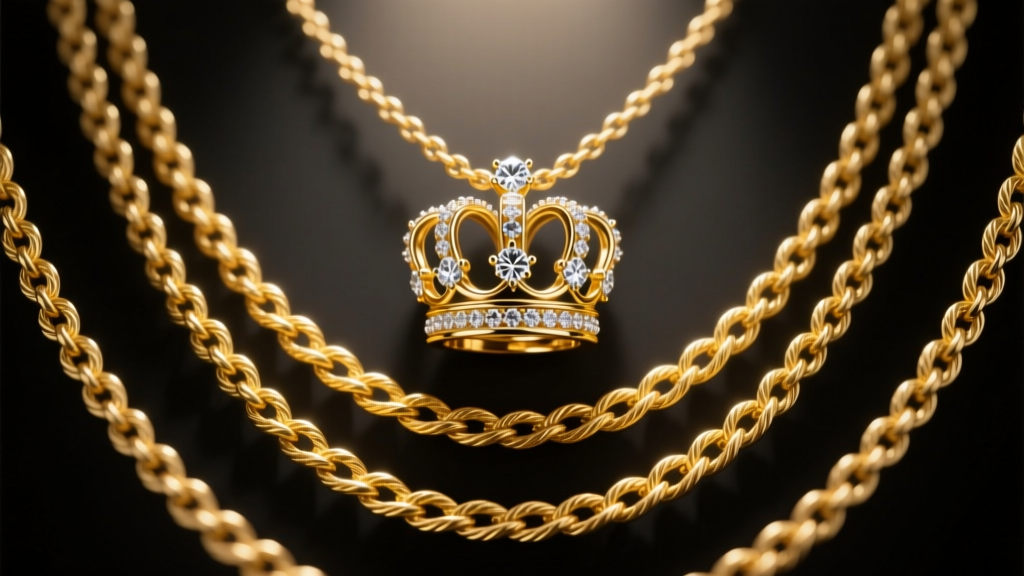
The Anatomy of a Hip-Hop Chain Stack
A successful layered necklace stack is not just about throwing multiple chains around your neck; it requires deliberate spacing, contrasting textures, and a clear focal point. Kendrick’s signature look typically involves a three-tier system that prevents tangling while maximizing visual impact. Here is the exact blueprint for achieving this balance.
Layer 1: The Foundation (18 to 20 Inches)
The base layer sits right at the collarbone or just below it. This chain should be relatively understated but structurally sound. A 4mm to 6mm Franco or Rope chain is ideal here. Franco chains are woven in a continuous V-pattern, making them incredibly resistant to kinking and tangling—a crucial feature when layering. A 20-inch, 5mm Franco chain typically weighs between 45 and 55 grams, providing enough weight to lay flat against the chest without overpowering the subsequent layers.
Layer 2: The Mid-Weight Contrast (22 to 24 Inches)
To prevent the chains from clumping together, the second layer must drop at least two inches below the first. This is where you introduce textural contrast. If your base is a rounded Rope chain, opt for a flat, geometric link like a Miami Cuban or a Figaro. An 8mm to 10mm Miami Cuban at 24 inches offers a bold, reflective surface that catches the light differently than the base layer. This mid-layer acts as the bridge between your subtle foundation and your heavy statement piece.
Layer 3: The Statement Pendant (24 to 28 Inches)
This is the crown jewel of the stack, mirroring Kendrick’s larger custom pieces. Whether it is a diamond-encrusted crown, a cross, or a custom logo pendant, this piece should hang significantly lower than the mid-layer to avoid metal-on-metal friction, which can degrade gold over time. The chain holding the pendant should be a heavy-duty 10mm to 12mm Cuban or a thick Prismatic link capable of supporting 100+ grams of gold and diamonds without stretching.
Chain Link Geometries: Choosing the Right Texture
Understanding how different links interact with light and each other is what separates a messy tangle from a curated stack. Below is a breakdown of the most common links used in high-end hip-hop jewelry.
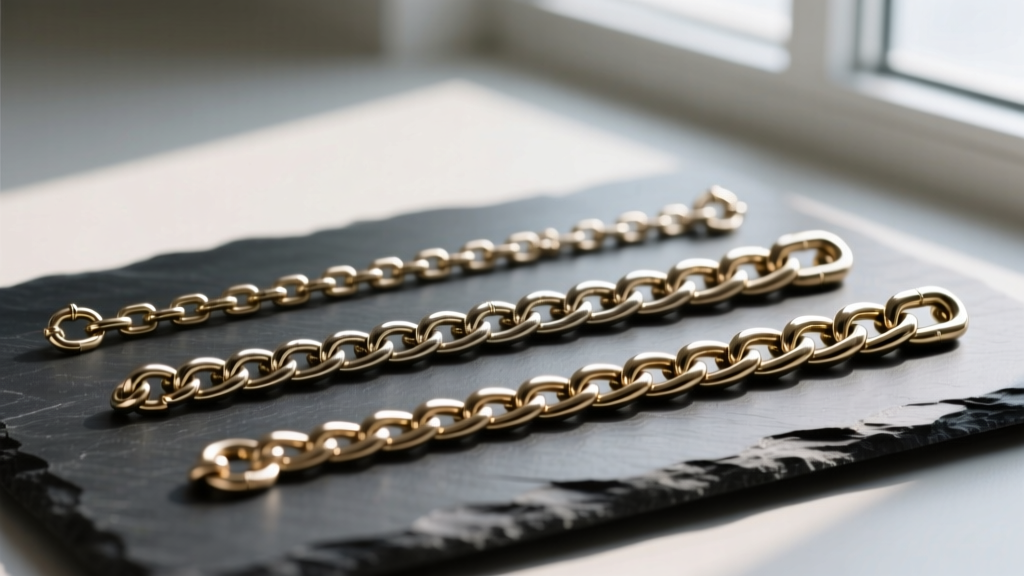
- Miami Cuban: Characterized by tightly interlocked, flat, oval links. It offers maximum surface area for diamond setting (often referred to as 'bust down') and lays perfectly flat. Best for mid-to-bottom layers.
- Rope: Created by twisting multiple strands of gold into a spiral. It offers a vintage, textured look and is highly durable. The grooves in the rope can trap dirt, requiring more frequent ultrasonic cleaning.
- Figaro: Features a pattern of three shorter links followed by one elongated link. It provides a rhythmic visual texture that breaks up the monotony of uniform links.
- Prismatic Cuban: A modern evolution of the Miami Cuban, featuring sharp, angular facets that reflect light aggressively. It is highly sought after in 2026 for its aggressive, architectural aesthetic.
Material Grades: 14K vs. 18K vs. Moissanite
When building a stack that mimics high-end celebrity jewelry, you must balance budget, durability, and color. According to the Gemological Institute of America (GIA), the purity of gold drastically affects both its hue and its structural integrity.
| Material | Purity / Composition | Durability & Scratch Resistance | Approx. Price per Gram (2026) | Best Use in Stack |
|---|---|---|---|---|
| 14K Yellow Gold | 58.5% Gold, 41.5% Alloys | High (Excellent for heavy pendants) | $45 - $65 | Base chains, everyday wear |
| 18K Yellow Gold | 75% Gold, 25% Alloys | Medium (Rich color, softer metal) | $65 - $85 | Statement pieces, premium Cubans |
| VVS Moissanite | Silicon Carbide (Lab-Grown) | 9.25 Mohs (Highly scratch resistant) | Varies (Fraction of diamond cost) | 'Bust down' pendants and chains |
For the chains themselves, 14K gold is often the superior choice for the base layer because the higher alloy content (usually copper, silver, and zinc) makes the chain significantly more resistant to stretching and snapping under the weight of daily wear. Reserve 18K gold for the statement pendant where the richer, deeper yellow hue can truly stand out.
Securing the Stack: Clasps, Bails, and Hardware
A common failure point in heavy chain stacks is the hardware. A standard lobster clasp is entirely insufficient for a 150-gram Cuban chain or a heavy diamond pendant. If the spring mechanism inside a lobster clasp fails, you will lose your investment instantly.
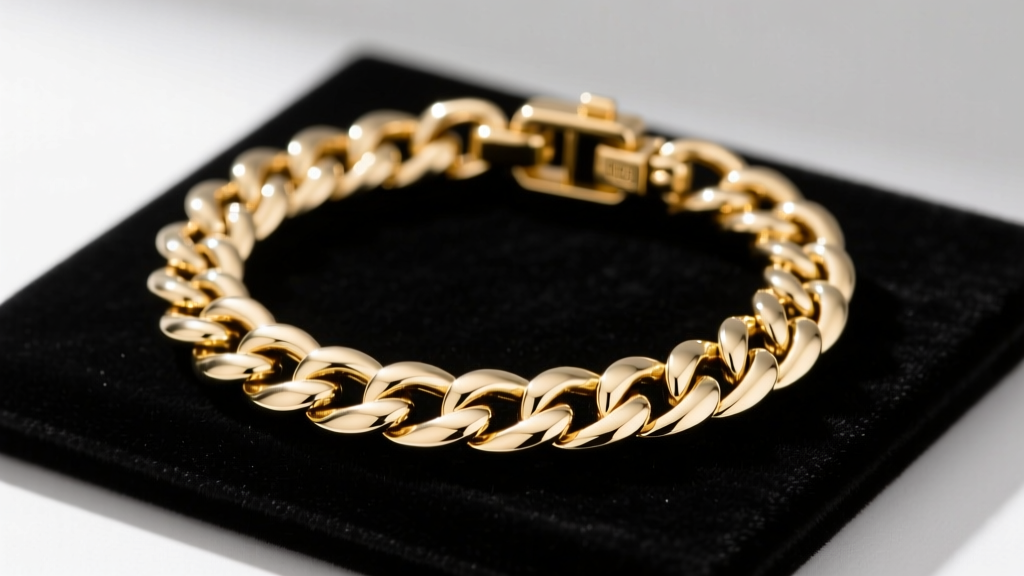
The Box Clasp with Safety Latch
For any chain exceeding 8mm in width or supporting a pendant over 50 grams, a box clasp is mandatory. This clasp features a wedge-shaped metal tab that clicks securely into a boxed receiver. Crucially, it must include a figure-eight safety latch—a secondary wire that snaps over a small peg on the side of the clasp. This ensures that even if the primary wedge bends or loosens over time, the safety latch will prevent the chain from falling off your neck.
Pendant Bails: The Unsung Hero
The bail is the loop that connects the pendant to the chain. If you are sliding a heavy pendant onto a 10mm Cuban chain, a standard snap-bail will cause excessive friction, eventually wearing down the gold links. Instead, opt for a screw-top bail or a hidden bail with an inner diameter at least 2mm wider than your chain's thickness. For example, a 10mm chain requires a bail with a minimum 12mm inner clearance to allow the chain to drape naturally without pinching. For deeper insights into setting and metal stress, resources like the Blue Nile Diamond Education Center provide excellent guidelines on how prong settings and heavy metal bails interact under tension.
Maintenance: Keeping the Stack Pristine
Layering chains increases the amount of skin contact, sweat exposure, and metal-on-metal friction your jewelry endures. To maintain the brilliant shine of a Kendrick-inspired stack:
- Weekly Wipe Down: Use a microfiber cloth to remove skin oils and lotion buildup, which can dull the facets of the gold and diamonds.
- Monthly Ultrasonic Cleaning: Submerge your chains in an ultrasonic cleaner with a mild, ammonia-free jewelry solution. Note: Never use ultrasonic cleaners on pendants featuring fracture-filled diamonds, emeralds, or opals, as the high-frequency vibrations can shatter the stones.
- Storage: Never store layered chains in a single pile. Hang them on a multi-tier jewelry stand or lay them flat in separate velvet-lined compartments to prevent the links from intertwining and scratching.
Final Thoughts on Proportion and Confidence
Replicating Kendrick Lamar's a necklace aesthetic is ultimately about understanding proportion. By anchoring your stack with a durable 20-inch Franco, bridging the gap with a 24-inch Cuban, and finishing with a meticulously crafted statement pendant secured by a box clasp, you build a foundation that is both structurally sound and visually legendary. Pay attention to the gram weights, respect the geometry of the links, and invest in proper hardware. When the mechanics are flawless, the style speaks for itself.


