Lucky Cat Necklace Value Guide 2026: Pricing & Materials
Discover the true value of a lucky cat necklace in 2026. We break down pricing tiers, jade grading, and metal hallmarks to help you buy smart.

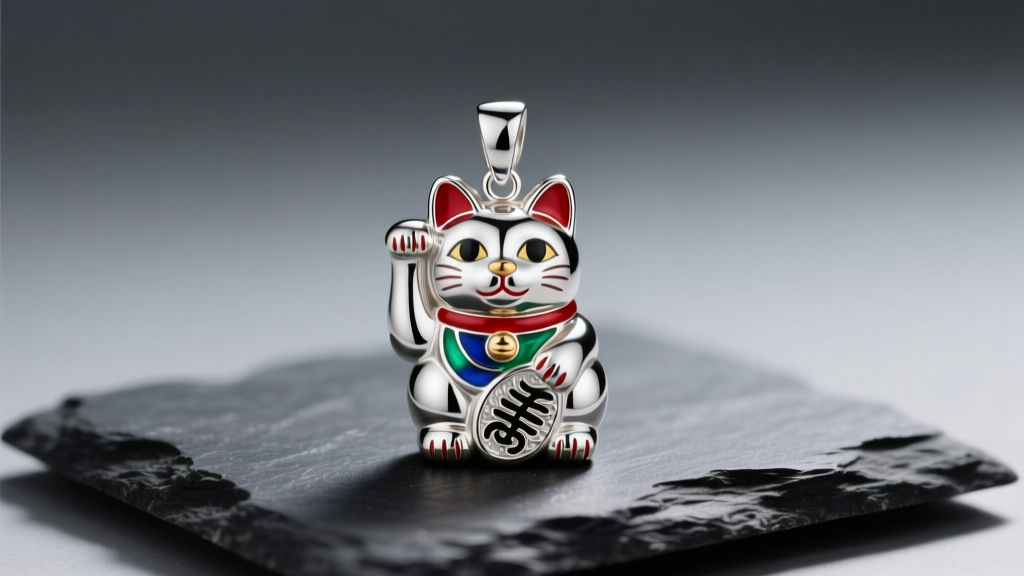
The Maneki Neko Motif: Cultural Weight vs. Commercial Markup
The Maneki Neko, or 'beckoning cat,' has transcended its traditional Japanese storefront origins to become a staple in modern jewelry design. As we navigate the 2026 market, the lucky cat necklace is everywhere—from high-end artisan boutiques to fast-fashion dropshipping carts. However, this surge in popularity has created a massive disparity in pricing and quality. A pendant that looks identical in a low-resolution product photo can cost $15 or $1,500, depending entirely on the metallurgy, stone authenticity, and manufacturing techniques used.
For the budget-conscious collector or the discerning gift-giver, understanding the true value of a lucky cat necklace requires looking past the cute aesthetic. You must evaluate the metal purity, the enamel application method, and the gemological reality of the stones involved. This guide provides a forensic breakdown of what you are actually paying for, helping you avoid overpriced base metals and misrepresented gemstones.
Material Breakdown and 2026 Pricing Tiers
When assessing value, the first step is categorizing the necklace into its proper market tier. The table below outlines the three primary tiers you will encounter when shopping for a Maneki Neko pendant, complete with the material specifications and realistic price ranges for the current year.
| Tier | Base Material & Finish | Stone / Accent | Price Range (2026) | Expected Lifespan |
|---|---|---|---|---|
| Fashion / Entry | Zinc alloy or brass with flash gold plating (<0.1 microns) | Opaque glass or dyed quartz | $12 - $35 | 6 - 12 months (high tarnish risk) |
| Mid-Range / Artisan | Solid 925 Sterling Silver with gold vermeil (2.5+ microns) | Cold enamel, Type A Jade or Aventurine | $65 - $180 | 3 - 5 years with proper care |
| Fine / Heirloom | Solid 14k or 18k Gold (minimum 2.5g weight) | Vitreous enamel, Imperial Jadeite | $450 - $2,000+ | Generational (Lifetime) |
The most common trap for buyers is the 'Fashion' tier being marketed at 'Mid-Range' prices. Unscrupulous sellers will often use terms like 'gold-dipped' or 'jade-style' to mask cheap materials. Always demand the exact plating thickness and stone origin before purchasing a piece priced above $50.
The Jade Illusion: Authenticating Your Stone
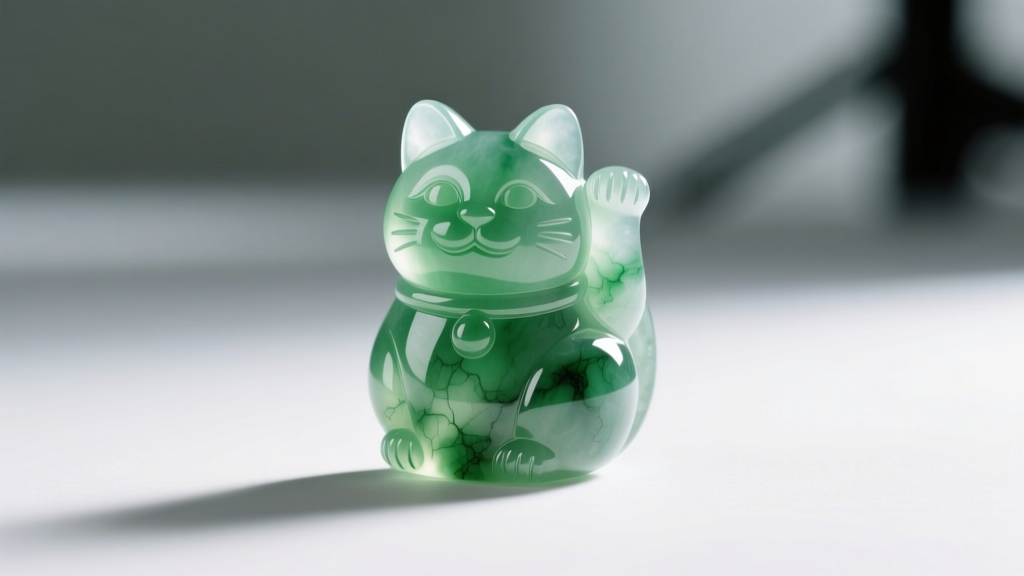
Many lucky cat necklaces feature a carved green stone clutching a coin or sitting atop the cat's head. Sellers frequently label this as 'jade,' but in the gemological world, the term is often abused. True jade is either Nephrite or Jadeite. According to the Gemological Institute of America (GIA), the market is flooded with simulants like serpentine, aventurine, and chrysoprase, which are significantly less valuable.
Understanding Jade Treatments (Type A, B, and C)
If the listing explicitly claims the pendant is real Jadeite, you must understand the grading system to assess its true market value:
- Type A (Untreated): This is natural, untreated jadeite. It may have minor natural inclusions but has not been subjected to chemical baths. A small, 15mm Type A jadeite lucky cat carving will typically cost between $150 and $500, depending on translucency and color saturation.
- Type B (Bleached and Polymer-Impregnated): Lower-quality jade is soaked in acid to remove brown impurities, which weakens the stone's structure. It is then injected with polymer resin to stabilize it. While it looks clean and bright, it lacks structural integrity and long-term value. These pendants usually retail for $30 to $60.
- Type C (Dyed): The stone is artificially dyed to mimic the highly prized 'Imperial Green' hue. The color will fade over time when exposed to sunlight and skin oils. Type C jade has virtually no resale value.
Pro-Tip for Buyers: If a lucky cat necklace features a flawlessly bright, translucent green stone but is priced under $100, it is almost certainly dyed quartz, glass, or Type C treated jade. Genuine high-grade jadeite exhibits natural color banding and minor internal inclusions.
Enamel Work: Vitreous vs. Cold Resin
The vibrant reds, golds, and blacks that give the Maneki Neko its iconic appearance are achieved through enameling. The technique used drastically impacts both the price and the durability of the necklace.
Cold Enamel (Epoxy Resin): Used in 90% of mid-range and budget necklaces. This is essentially a hardened, pigmented resin poured into the metal recesses. It is cost-effective and allows for bright, opaque colors. However, it has a Mohs hardness of only 2.0 to 3.0, meaning it will scratch easily and can yellow or chip if exposed to harsh chemicals or prolonged UV light.
Vitreous Enamel (Kiln-Fired): Found in fine jewelry tiers. This involves fusing powdered glass to the metal at temperatures exceeding 1,400°F (760°C). The result is a brilliant, glass-like finish that is highly resistant to scratching and will never fade. Vitreous enamel requires a solid gold or high-purity silver base to withstand the heat, which is why these pendants command a premium price.
Chain Hardware: Where Budget Brands Cut Corners
A pendant is only as secure as the chain and hardware holding it. When conducting a budget and value assessment, do not ignore the chain. Many brands will pair a high-quality sterling silver pendant with a cheap, hollow-base metal chain to artificially inflate their profit margins.
Gauge Size and Tensile Strength
The thickness of the chain wire, measured in millimeters or gauge, dictates its lifespan. A delicate 0.6mm cable chain might look elegant, but it has a very low tensile strength and can easily snap if the lucky cat pendant weighs more than 4 grams. For pendants weighing between 3g and 8g, look for a chain thickness of at least 1.0mm to 1.2mm. Box chains and wheat chains offer superior structural integrity compared to standard cable or snake chains, which are prone to kinking and snapping.
Clasps and Jump Rings
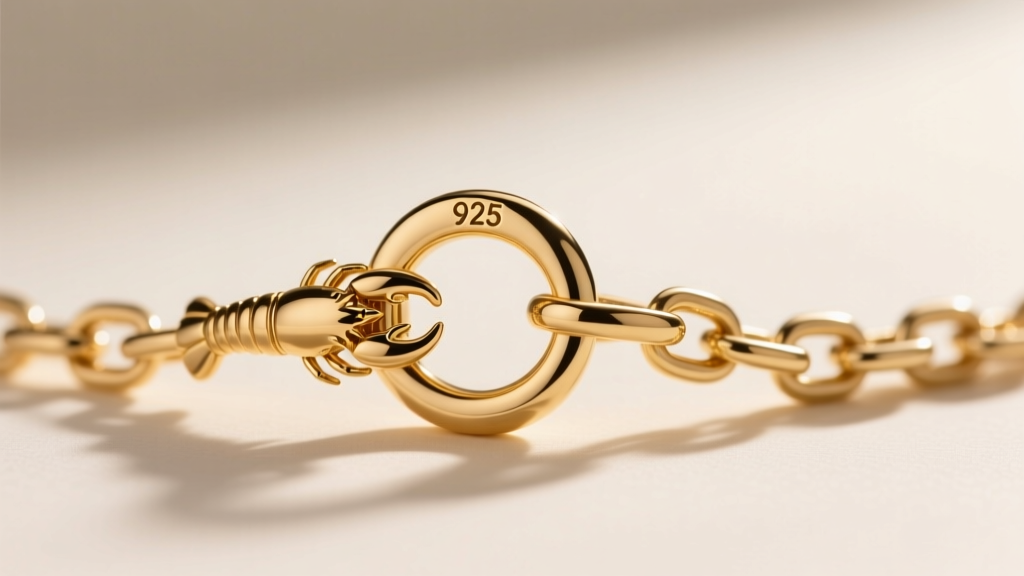
Inspect the jump ring (the small loop connecting the pendant to the chain). In budget jewelry, jump rings are often left unsoldered and are made from soft, thin wire that can easily be pulled apart by the weight of the pendant. A high-value necklace will feature a soldered jump ring or a heavy-duty bail. Furthermore, ensure the clasp is a spring-ring or lobster clasp stamped with a quality mark (like '925' or '14k'). The London Assay Office notes that legitimate precious metal hallmarks on clasps are a strong indicator of overall chain authenticity.
The Final Value Assessment Checklist
Before adding a lucky cat necklace to your cart in 2026, run the listing through this quick E-E-A-T (Experience, Expertise, Authoritativeness, and Trustworthiness) checklist to ensure you are getting what you pay for:
- Metal Transparency: Does the listing explicitly state 'Solid 925 Sterling Silver' or 'Solid 14k Gold'? Beware of vague terms like 'silver-tone,' 'gold-plated brass,' or 'Tibetan silver' (which contains no actual silver).
- Vermeil Compliance: If it claims to be gold vermeil, verify that it meets the Federal Trade Commission (FTC) standard: a sterling silver base with a gold plating of at least 10k purity and a minimum thickness of 2.5 microns.
- Stone Disclosure: Is the green stone labeled as 'Jadeite,' 'Nephrite,' or a simulant like 'Aventurine'? If it just says 'Jade' without a gemological certificate for pieces over $200, proceed with extreme caution.
- Weight Specifications: High-value listings will provide the exact gram weight of the metal. A solid 14k gold Maneki Neko pendant should weigh at least 2.0 to 4.0 grams. If it weighs 0.5 grams, it is likely hollow electroformed or gold-plated base metal.
- Return Policy & Certification: For fine jewelry tier purchases, the seller must offer a verifiable return policy and, ideally, a certificate of authenticity from a recognized gemological lab for any jadeite components.
By applying these rigorous material and structural assessments, you can confidently navigate the market. Whether you are investing in a generational 18k gold and Imperial jadeite piece or simply seeking a durable, well-crafted sterling silver pendant for daily wear, understanding the mechanics of jewelry pricing ensures your budget is always respected.


