Key Necklace Buying Guide: Materials, Sizing & Styles
Discover how to choose the perfect key necklace. Our buyer's guide covers metal grades, chain pairings, functional vs. decorative styles, and pricing.

The Enduring Appeal of the Key Pendant
A key necklace is more than just a decorative accessory; it is a profound symbol of independence, new beginnings, and the unlocking of potential. Whether you are purchasing a piece to commemorate a 21st birthday, celebrating a new home, or simply drawn to the vintage aesthetics of skeleton keys, understanding the structural and material nuances of key pendants is critical. The market is flooded with flimsy, hollow-cast novelties that tarnish within weeks. This comprehensive buying guide will teach you how to identify high-quality craftsmanship, select the appropriate metal grades, and pair your pendant with a chain that can actually support its weight.
Decorative vs. Functional: Defining Your Purpose
Before evaluating metals, you must determine the functional intent of the necklace. Key pendants generally fall into two distinct categories, each with unique structural requirements.
Decorative and Symbolic Keys
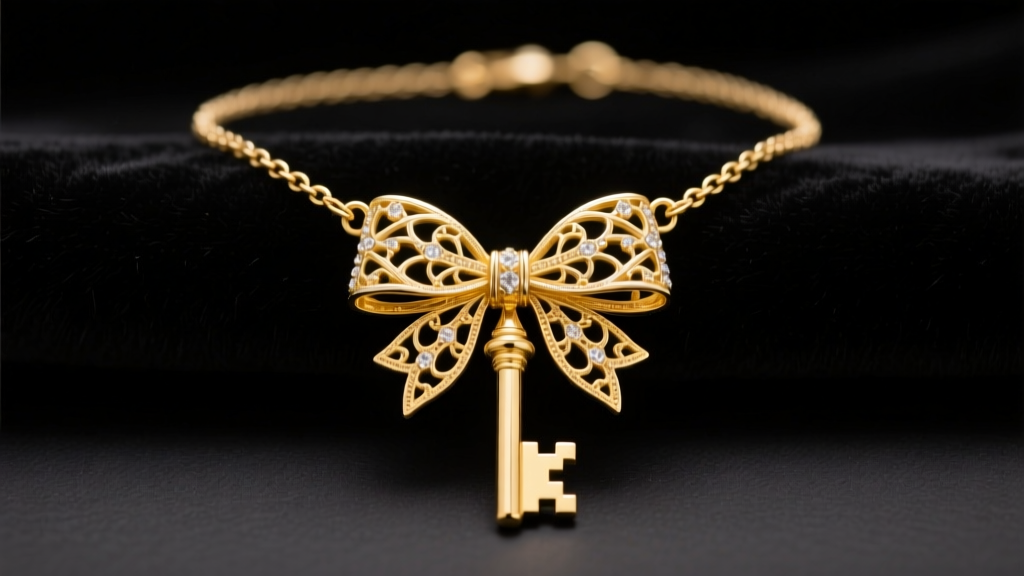
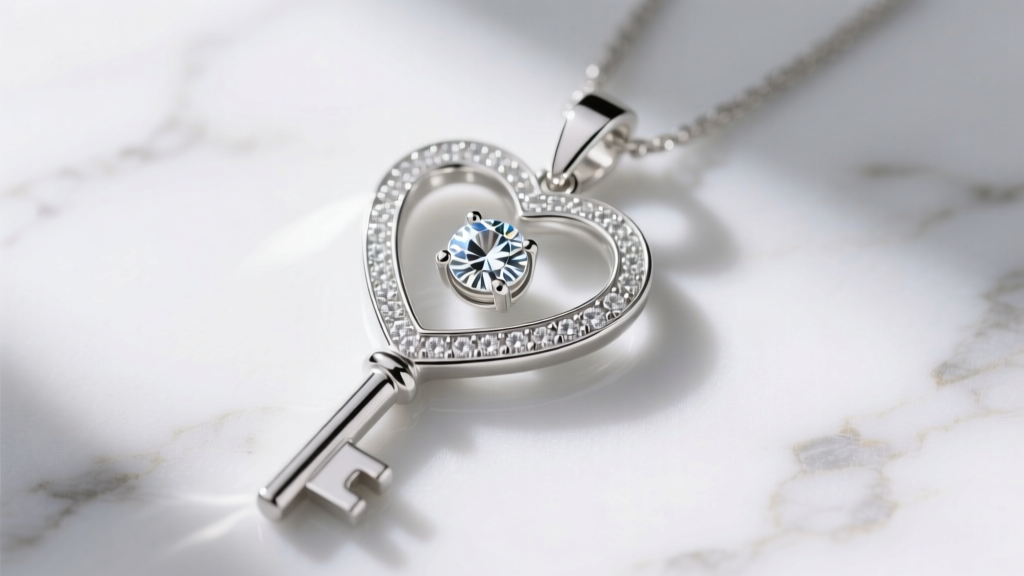
These are purely ornamental. They often feature elaborate filigree in the bow (the top loop), gemstone accents, or heart-shaped motifs. Because they do not need to withstand the torsional stress of turning a lock, decorative keys can be cast in softer, high-karat golds or feature delicate enamel work. However, they should still be solid cast rather than hollow to prevent denting.
Functional and Antique Skeleton Keys
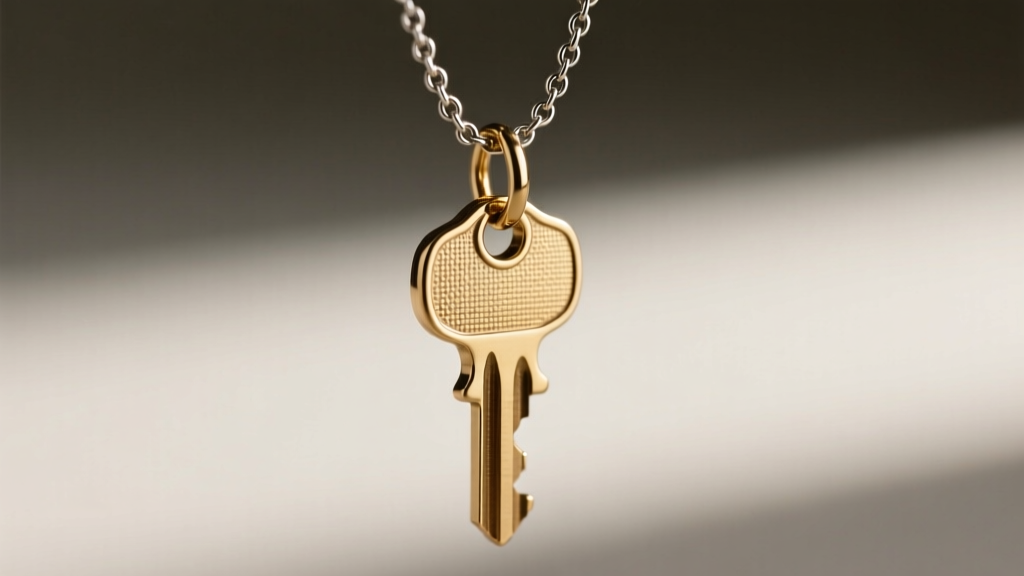
Functional key necklaces are designed to actually operate a specific lock, such as a diary, a padlock, or an antique jewelry box. According to historical hardware archives like Britannica's guide to locks and keys, the anatomy of a functional key requires a robust shank (the shaft) and a precisely milled bit (the teeth). If you are buying a functional key pendant, ensure the shank is at least 3mm to 5mm thick. Anything thinner will bend or snap under the torque required to turn a physical lock mechanism.
Material Grades, Hallmarks, and Pricing Tiers
The longevity of your key necklace depends entirely on the metal used. The FTC Jewelry Guides strictly regulate how metals must be stamped and advertised. Always look for these specific hallmarks stamped on the bail or the back of the key's bow.
| Material | Hallmark / Stamp | Estimated Price Range | Durability & Best Use |
|---|---|---|---|
| Brass / Bronze | Unstamped or 'BRASS' | $25 - $60 | Prone to oxidation and skin discoloration. Best for occasional wear or antique aesthetics. |
| Sterling Silver | 925 | $75 - $250 | Excellent for daily wear. Will tarnish over time but is easily polished. Hypoallergenic if nickel-free. |
| 14k Solid Gold | 14K, 585 | $300 - $850 | The industry standard for fine jewelry. Highly resistant to tarnish and scratching. Ideal for heirloom pieces. |
| 18k Solid Gold | 18K, 750 | $600 - $1,500+ | Rich color but softer than 14k. Best for decorative keys rather than functional ones that face mechanical stress. |
| Platinum | PT, 950 | $1,200+ | Extremely dense and durable. Will not wear away over time, making it perfect for heavy, functional skeleton keys. |
Pro-Tip on Plating: Avoid "Gold Plated" (GP) or "Gold Electroplated" key necklaces if you plan to wear them daily. The friction from the chain rubbing against the bail will quickly wear through the microscopic gold layer, exposing the base brass underneath, which will oxidize and turn your skin green.
Chain Selection and Bail Mechanics
Key pendants are inherently asymmetrical and often heavier than standard geometric charms. A delicate 1.0mm snake chain will inevitably kink and snap under the off-center weight of a solid brass or gold key. When selecting a chain, prioritize tensile strength and link structure.
- Box Chains (1.5mm - 2.5mm): The interlocking square links distribute weight evenly, making this the most secure option for heavy skeleton keys.
- Rolo Chains (2.0mm+): Thick, round links that offer a vintage aesthetic perfectly suited for antique-style key pendants.
- Wheat / Spiga Chains: Excellent flexibility and high tensile strength, though the woven texture can sometimes trap skin oils and require ultrasonic cleaning.
Pay close attention to the bail (the loop that connects the key to the chain). The best key necklaces feature a "hidden bail" or a seamlessly soldered loop integrated into the bow of the key. If the pendant uses a standard jump ring to attach to the chain, ensure the jump ring is soldered closed. An unsoldered jump ring will slowly pull apart over time due to the pendulum motion of the heavy key against your chest.
Common Failure Modes to Inspect Before Buying
When shopping in person or evaluating high-resolution photos online, check for these three common manufacturing flaws:
- Hollow Casting: Pick up the pendant. If a 2-inch brass or silver key feels suspiciously light, it is hollow-cast. These will dent if bumped against a countertop and cannot be easily repaired by a jeweler.
- Thin Shank Weak Points: Look at where the bow (top loop) meets the shank. This junction takes the most stress. High-quality castings will feature a reinforced collar or a smooth, thick transition at this joint.
- Gemstone Snagging: If the key features pavé or prong-set diamonds in the bow, ensure the prongs are low-profile. High, claw-like prongs will constantly snag on knit sweaters and silk blouses.
Styling and Layering Frameworks
A key necklace is a statement piece that requires careful styling to avoid looking costumey. For a modern, curated look, employ the "Rule of Thirds" for layering. Pair an 18-inch key pendant with a 16-inch plain choker (like a simple gold snake chain) and a 22-inch chain featuring a small, subtle coin or pearl pendant. This creates distinct visual tiers without tangling.
Regarding necklines, key pendants naturally create a V-shape, making them the perfect complement to V-neck blouses and wrap dresses. If wearing a crew neck or turtleneck, opt for a longer 24-inch chain so the key rests against the fabric of your shirt rather than clashing with the collar line. For authoritative insights on metal care and gemstone settings, always refer to educational resources provided by the Gemological Institute of America (GIA) to ensure your investment retains its luster and structural integrity for decades to come.


