Open Necklace Value Guide: Materials, Pricing & Worth
Discover the true value of an open necklace. Compare pricing tiers, metal grades, and durability to make a smart, budget-friendly jewelry investment.

The Anatomy of an Open Necklace: Collars vs. Lariats
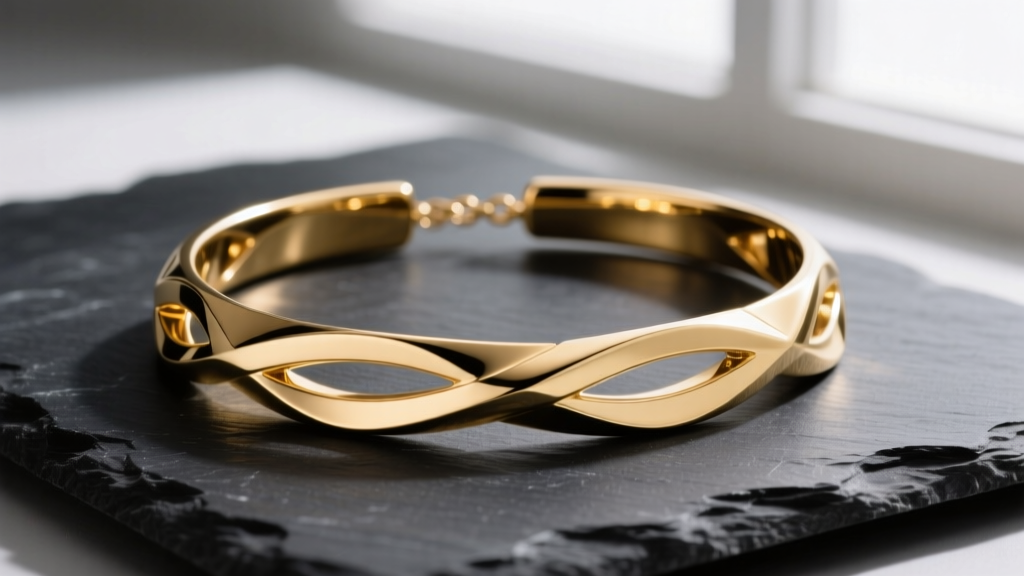
When evaluating the budget and true value of an open necklace, you must first distinguish between the two primary structural categories: the rigid torque collar and the flexible open-ended lariat. A rigid torque relies on the natural tension and memory of the metal to stay anchored around the clavicle. Because it lacks a traditional clasp, the structural integrity of the wire or tube is paramount. Conversely, an open lariat (often a Y-necklace) relies on gravity and friction, sliding a chain through a jump ring or decorative tube to secure itself. These vastly different mechanics dictate which materials offer the best return on investment.
Material Grades & The True Cost of "Cheap" Metals
The jewelry market is saturated with deceptive pricing. As of 2026, manufacturing techniques have improved, but the fundamental rules of metallurgy remain unchanged. Here is how different materials perform in clasp-less designs.
Base Metals & Flash Plating (The $15–$40 Trap)
Open necklaces made from brass or copper cores with a microscopic layer of flash plating (usually less than 0.1 microns of gold) are a poor financial decision. Because rigid torques must be gently pulled apart to slip over the head, the metal flexes. This flexing causes micro-fractures in thin flash plating, leading to rapid flaking. Furthermore, the Federal Trade Commission Jewelry Guides strictly regulate how metals are labeled, yet many fast-fashion brands skirt these rules by using ambiguous terms like "gold-toned." Expect these pieces to tarnish and cause skin discoloration within three to six months of regular wear.
PVD-Coated Stainless Steel (The $35–$75 Sweet Spot)
For budget-conscious buyers, 316L surgical stainless steel treated with PVD (Physical Vapor Deposition) gold coating is currently the highest-value option on the market. PVD bonding occurs at a molecular level in a vacuum chamber, creating a surface that is up to five times more resistant to friction and sweat than traditional electroplating. Because an open collar necklace rests directly against the pulse points of the neck—areas prone to high acidity and perspiration—PVD stainless steel offers exceptional longevity without the premium price tag of solid gold.
Gold Vermeil & Rolled Gold (The $60–$150 Tier)
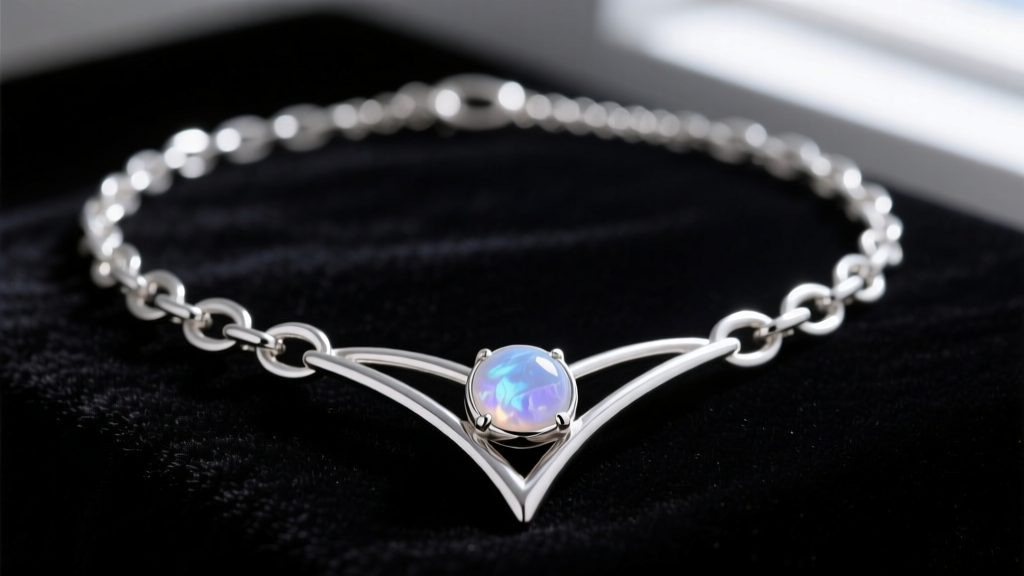
Gold vermeil requires a base of 925 sterling silver plated with at least 2.5 microns of gold. While this is a respectable standard for traditional chain necklaces, it presents a unique vulnerability in open lariat designs. The friction point where the chain repeatedly slides through the lariat's O-ring will inevitably wear through the vermeil layer, exposing the silver beneath. According to the Gemological Institute of America (GIA), understanding the thickness and application of gold layers is critical for assessing long-term wear. If you are buying an open lariat, vermeil is a moderate value; if you are buying a rigid torque, it is a good value, as the metal does not experience sliding friction.
Solid 14k & 18k Gold (The $600+ Investment)
Solid gold is the only material that guarantees a lifetime of wear for an open necklace. However, not all gold alloys behave identically. 14k gold (58.5% pure gold) is alloyed with copper, silver, and zinc, giving it superior tensile strength and "memory" compared to 18k gold. This makes 14k gold the superior choice for rigid torques that must be gently bent to put on and take off. An 18k gold torque is softer and more prone to permanent deformation or warping over time.
Budget vs. Value Matrix: What Should You Actually Pay?
Use this matrix to benchmark prices when shopping. If a retailer is charging vermeil prices for a flash-plated piece, or solid gold prices for a hollow-electroformed tube, you are overpaying.
| Material Grade | Typical Price Range | Expected Lifespan | Value Rating |
|---|---|---|---|
| Brass w/ Flash Plating | $15 – $35 | 3 – 6 Months | Poor |
| 316L Stainless Steel (PVD) | $35 – $75 | 3 – 5 Years | Excellent |
| 925 Sterling Silver | $60 – $140 | 10+ Years | Good |
| 14k Gold-Filled (Torque) | $80 – $150 | 2 – 4 Years | Moderate |
| Solid 14k / 18k Gold | $600 – $1,500+ | Lifetime | Investment |
Critical Failure Modes in Open Necklaces
To truly assess value, you must understand how these specific designs fail. Open necklaces bypass traditional clasp breakage, but they introduce unique structural vulnerabilities.
- Metal Fatigue and Work Hardening: Every time you bend a rigid torque collar to put it on, you stress the metal's crystalline lattice. Over time, this causes "work hardening," making the metal brittle. Cheap alloys will snap abruptly at the stress point near the terminal ends. Solid 14k gold resists this fatigue far better than gold-filled wire.
- Friction-Point Plating Loss: In open lariats, the chain sliding through the catch ring acts like a microscopic saw. This localized friction strips away gold plating and vermeil much faster than general skin contact. If purchasing a lariat, prioritize solid gold or uncoated stainless steel to avoid the unsightly two-tone effect.
- Terminal Snagging: The open ends of a torque or lariat must be perfectly polished and capped. Poorly finished ends will snag on knitwear and silk, eventually pulling the wire out of its natural alignment and ruining the tension fit.

How to Assess Value In-Store and Online
When evaluating an open necklace, look beyond the aesthetic and interrogate the physical specifications. If shopping online, demand the exact gram weight. A solid 14k gold torque should weigh between 12 and 25 grams, depending on the wire gauge (typically 2.5mm to 4.0mm thick). If a piece is described as "hollow" or "electroformed," its value drops significantly; hollow tubes dent easily and cannot be repaired by a jeweler if crushed.
Pay close attention to the terminal caps—the decorative or rounded ends of the collar. High-end manufacturers machine these from a single piece of wire or solder them seamlessly. If you see a visible seam or a glued-on bead, the piece is likely mass-produced base metal, regardless of the price tag. A well-engineered terminal cap ensures the necklace glides smoothly over the skin without scratching the delicate neck area.
For silver and gold pieces, always verify the hallmark. A genuine piece will bear a "925", "14k", or "585" stamp, usually located near the terminal ends or on the lariat's drop ring. Be highly skeptical of "gold-plated" items that do not disclose their base metal. A high-value budget piece will explicitly state "316L Stainless Steel" or "Solid 925 Sterling Silver."
Final Verdict: Maximizing Your Open Necklace ROI
The open necklace is a masterclass in minimalist design, but its lack of a clasp demands superior material engineering. If your budget is under $75, abandon the search for gold and invest in a high-quality, PVD-coated 316L stainless steel torque. It will outlast vermeil and resist the corrosive effects of daily wear. If you are ready to spend over $600, a solid 14k gold collar is a generational piece that will retain its tension, its luster, and its intrinsic melt value for decades. By matching the material to the mechanical stress of the design, you ensure your jewelry budget translates into lasting, wearable value.


