Seashell Necklace Gold Care: The Ultimate Cleaning Guide
Learn how to safely clean and store your seashell necklace gold jewelry. Expert tips on protecting porous shells and delicate gold chains.

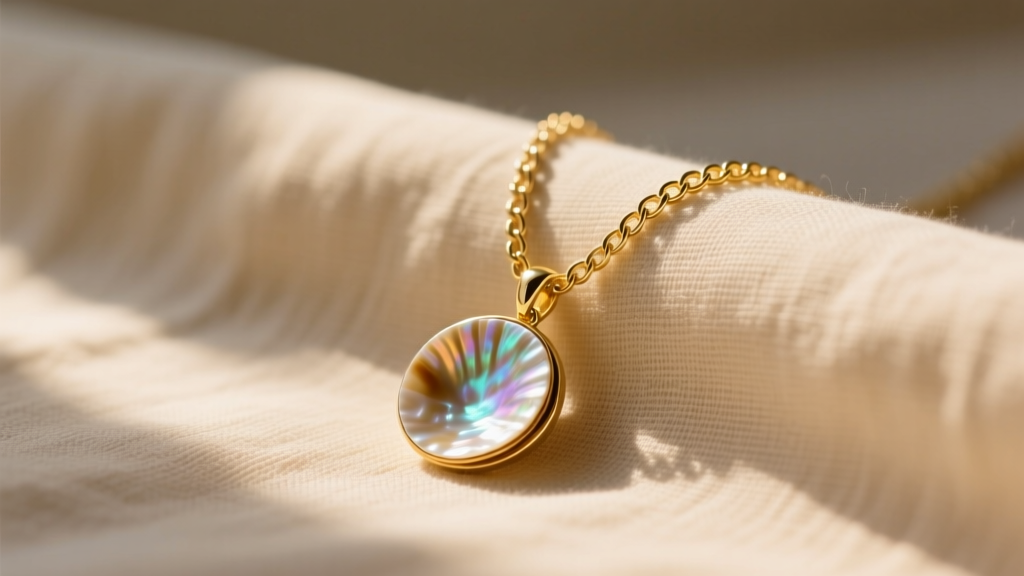
The Material Science: Why Shell and Gold Require Opposite Care
Maintaining a seashell necklace gold chain combination presents a unique metallurgical and gemological paradox. To properly care for these pieces, you must first understand the inherent conflict between the two primary materials. Natural seashells—whether puka, conch, mother-of-pearl, or abalone—are organic gems composed primarily of calcium carbonate (CaCO3) and a protein matrix called conchiolin. On the Mohs scale of hardness, shells rank between 2.5 and 3.0, making them exceptionally soft, porous, and highly reactive to acidic environments.
Gold, conversely, is a noble metal. Whether your piece features solid 14k gold, 18k gold, or gold vermeil (a thick layer of gold over sterling silver), the metal component requires degreasing and occasional polishing to maintain its luster. The challenge arises because the chemical agents and mechanical forces required to clean gold effectively will actively dissolve, etch, or shatter the delicate calcium carbonate structure of the seashell. According to the Gemological Institute of America (GIA), organic gems require entirely separate care protocols from crystalline or metallic jewelry components. Treating your seashell necklace gold jewelry as a single uniform object is the fastest way to ruin it.
Step-by-Step Cleaning Protocol for Seashell and Gold Jewelry
To safely clean your necklace without compromising either material, you must employ a segmented, two-phase cleaning approach. Gather the following supplies before beginning: a lint-free microfiber cloth, a soft-bristled baby toothbrush, distilled water (never tap water, which contains chlorine and hard minerals), and a pH-neutral liquid dish soap like Dawn.
Phase 1: Surface Dusting and Shell Wiping
Begin by addressing the seashell pendant or beads. Never submerge organic shells in water, as prolonged exposure can cause the conchiolin protein matrix to break down, leading to dullness and micro-fractures. Instead, lightly dampen a corner of your microfiber cloth with distilled water. Gently wipe the surface of the seashell to remove accumulated skin oils, sunscreen, and environmental dust. If the shell features deep grooves or natural ridges, use a dry, soft-bristled makeup brush to gently sweep out debris. Do not apply pressure; let the bristles do the work.
Phase 2: Deep Cleaning the Gold Chain (Safely)
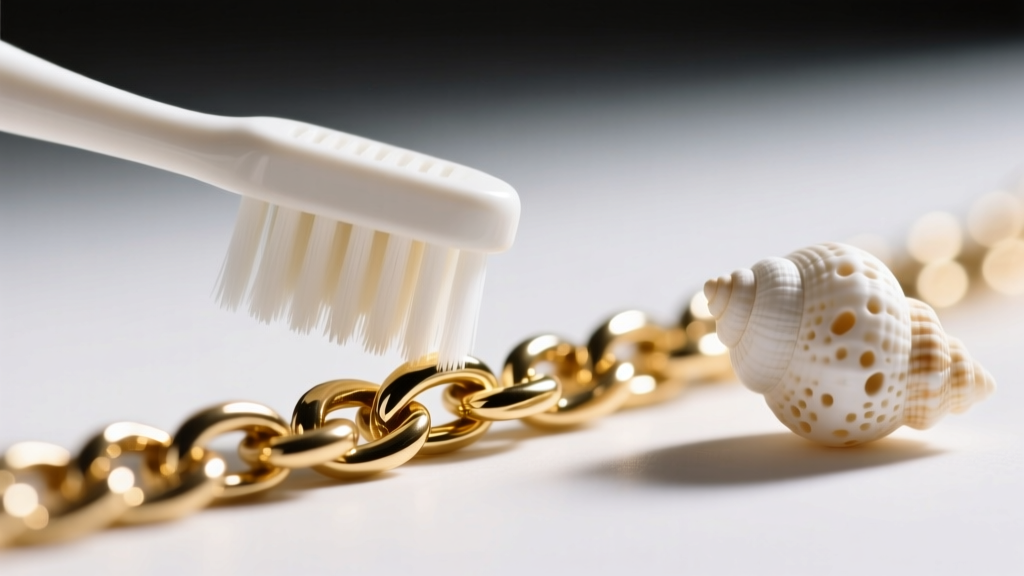
Once the shell is clean and set aside, focus on the gold chain. In a small bowl, mix a few drops of pH-neutral dish soap with lukewarm distilled water. Dip your baby toothbrush into the solution and gently scrub the gold links. If your necklace features a gold vermeil chain, be exceptionally gentle; aggressive scrubbing can wear through the 2.5-micron gold layer and expose the tarnish-prone sterling silver beneath.
The critical rule here is isolation. Keep the soapy brush strictly on the metal links and the clasp. If the chain threads directly through a drilled seashell bead, use a cotton swab dipped in the soapy solution to carefully clean the gold wire immediately adjacent to the shell, ensuring no soapy runoff pools on the porous calcium carbonate. Rinse the gold components by spraying them lightly with a distilled water spray bottle, avoiding direct high-pressure streams.
Chemical Danger Zone: What to Avoid at All Costs
The most common way jewelry owners destroy organic-and-metal hybrid pieces is by using blanket cleaning methods. The Jewelers of America strongly advises against using commercial silver dips or ultrasonic cleaners on mixed-media jewelry. Below is a definitive guide to common cleaning agents and their effects on your seashell necklace gold pieces.
| Cleaning Agent / Method | Effect on Seashell (CaCO3) | Effect on Gold Chain | Verdict |
|---|---|---|---|
| Ultrasonic Cleaner | Shatters shell via high-frequency cavitation; strips nacre | Safe for solid gold; loosens dirt | NEVER USE |
| Ammonia / Glass Cleaner | Chemically dissolves calcium carbonate; causes permanent etching | Excellent degreaser for solid gold | NEVER USE |
| Baking Soda Paste | Micro-scratches the surface (Mohs 2.5 vs 3.0); ruins polish | Safe for solid gold; abrasive to vermeil | NEVER USE |
| pH-Neutral Dish Soap | Completely safe; removes oils without chemical reaction | Excellent, gentle degreaser | HIGHLY RECOMMENDED |
| Distilled Water Wipe | Safe for surface dampening; prevents mineral deposits | Safe for rinsing | RECOMMENDED |
Proper Storage to Prevent Shell Desiccation and Gold Tarnish
Storage is where the maintenance of seashell and gold jewelry becomes highly nuanced. Gold alloys (particularly 14k and 10k, which contain copper and silver) are prone to tarnishing in high-humidity environments. Conversely, natural seashells require a baseline level of ambient moisture; storing them in bone-dry environments with silica gel packets will cause the organic proteins to desiccate, leading to irreversible cracking and peeling of the nacreous layers.
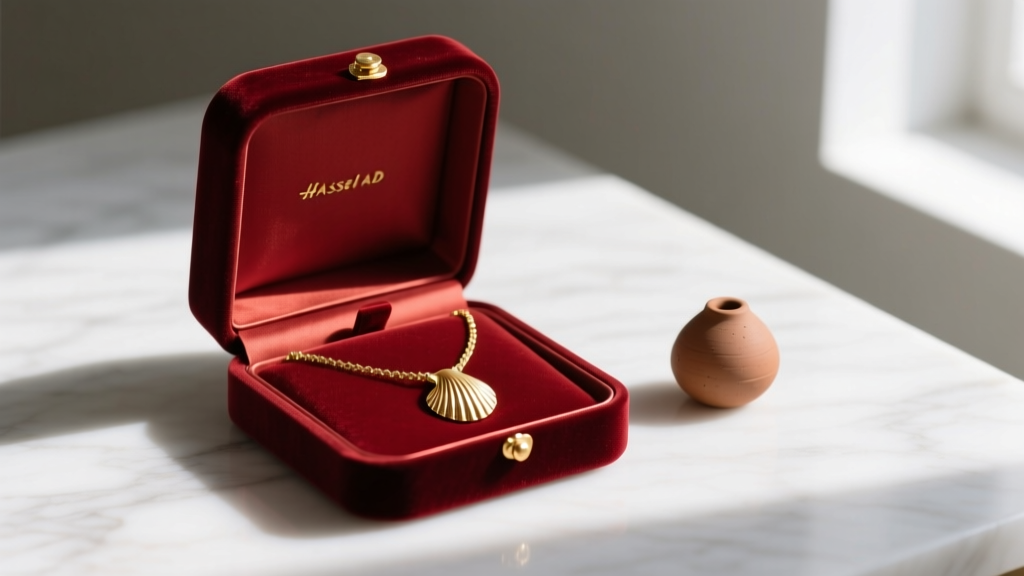
To solve this environmental tug-of-war, never store your seashell necklace gold jewelry in an airtight plastic bag with desiccants. Instead, wrap the piece loosely in acid-free, unbuffered tissue paper. Place it inside a breathable cotton pouch or a lined jewelry box kept in a climate-controlled room with an ambient humidity level between 40% and 50%. Keep the necklace away from direct sunlight and heat sources, as UV radiation and thermal expansion can cause the shell to fade and warp, while simultaneously accelerating the oxidation of the gold alloy's base metals.
Restoring Luster: When to See a Professional Jeweler
While routine maintenance can be handled at home, there are specific scenarios where professional intervention is mandatory. If your gold chain has developed severe tarnish (common with gold vermeil or lower-karat solid gold), do not attempt to use commercial polishing cloths near the shell. These cloths are impregnated with micro-abrasives and chemical polishing agents that will permanently stain or etch the porous shell upon contact.
A professional jeweler will employ a technique called 'masking,' where the seashell is meticulously wrapped in specialized jeweler's tape to create a chemical and physical barrier. They can then safely use a high-speed buffing wheel or a mild polishing compound on the exposed gold links and clasp. Furthermore, if your necklace features silk or nylon threading between shell beads, have a professional re-string the piece every 24 to 36 months. Thread degrades from skin acidity and friction, and a sudden snap will result in the loss of both your gold components and your irreplaceable organic gems.
Expert Insight: Always apply your perfumes, hairsprays, and chemical sunscreens at least 15 minutes before putting on your seashell necklace gold jewelry. The alcohol and aerosolized acids in these products are the primary culprits behind the premature degradation of both the shell's nacre and the gold's polished finish.


