Keychain Necklace Pricing: 2026 Value & Budget Guide
Discover the true value of a keychain necklace in 2026. Compare materials, hardware grades, and pricing tiers to avoid overpaying for cheap novelty jewelry.

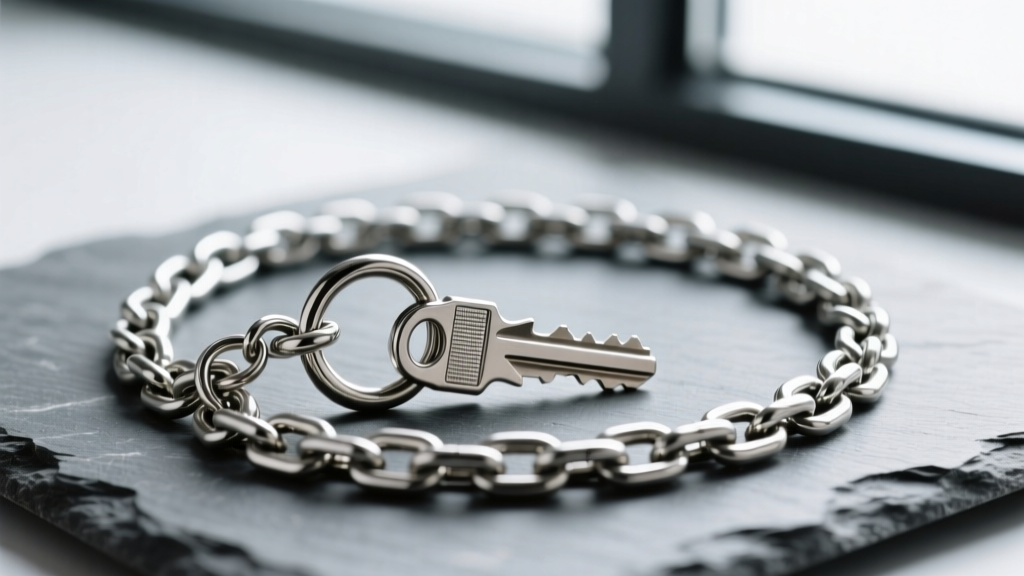
The Anatomy of a Functional Keychain Necklace
The intersection of utilitarian hardware and everyday jewelry has cemented the keychain necklace as a staple in modern streetwear, tech-wear, and industrial fashion. As we navigate the jewelry market in 2026, this specific subcategory has evolved from a niche novelty into a highly sought-after aesthetic. However, the market is heavily saturated. Consumers are faced with a dizzying array of options, ranging from $5 dropshipped novelties to $400 artisan-crafted pieces. How do you separate genuine metallurgical value from clever marketing?
A true keychain necklace differs from a standard pendant necklace in three critical ways: hardware complexity, weight distribution, and tensile requirements. Because these pieces often mimic or incorporate actual functional keychain hardware—such as split rings, barrel swivels, and carabiners—the mechanical failure points are significantly higher. In this comprehensive budget and value assessment, we break down the exact material grades, hardware mechanics, and pricing tiers you need to know before purchasing your next piece. Understanding the manufacturing costs and material sciences will save you from buyer's remorse and help you identify true value.
Material Tiers: What Justifies the Price Tag?
The base metal of your necklace dictates its longevity, skin safety, and ultimately, its fair market value. When assessing a keychain necklace, always look for explicit material disclosures rather than vague terms like 'metal alloy' or 'silver-tone.'
Tier 1: Zinc Alloys and Electroplating ($8–$25)
The vast majority of budget keychain necklaces found on fast-fashion marketplaces are cast from Zamak (a zinc-aluminum alloy). Zamak is cheap to cast and allows for intricate, heavy-looking designs. However, it is inherently brittle and highly reactive to human sweat. To make it wearable, manufacturers apply a flash electroplated layer of nickel or gold. According to material standards referenced by Rio Grande jewelry suppliers, flash plating is often less than 0.5 microns thick. Within three to six months of daily wear, the friction from the keychain rings rubbing against the pendant will wear through this plating, exposing the reactive zinc beneath, which quickly turns green and causes contact dermatitis. Value Verdict: Poor. Only suitable for occasional, short-term novelty wear.
Tier 2: 316L Surgical Steel and PVD Coating ($35–$85)
This is the sweet spot for modern streetwear jewelry. 316L stainless steel contains molybdenum, which drastically increases its resistance to pitting corrosion from chlorides (like sweat and seawater) compared to standard 304 steel. When a high-quality 316L keychain necklace is colored, it should utilize PVD (Physical Vapor Deposition) rather than electroplating. PVD bonds the color at a molecular level in a vacuum chamber, resulting in a finish that is up to 10 times more resistant to scratching and flaking. A well-manufactured 316L PVD keychain necklace with solid brass or steel internal clasp springs should comfortably retail between $45 and $85, depending on the gram weight of the chain. Value Verdict: Excellent. The best balance of durability, weight, and affordability.
Tier 3: Solid Precious Metals and Grade 5 Titanium ($150–$600+)
For those seeking heirloom quality or absolute biocompatibility, solid 14k gold, sterling silver, and aerospace-grade titanium enter the chat. The Gemological Institute of America (GIA) strictly regulates precious metal hallmarks; a genuine 14k gold keychain necklace will bear a '585' or '14k' stamp. Because these pieces are sold by gram weight, a heavy 24-inch solid gold curb chain with a functional gold carabiner pendant can easily exceed $600 due to the raw melt value of the metal. Alternatively, Grade 5 (Ti-6Al-4V) titanium offers incredible strength-to-weight ratios, allowing for massive, oversized keychain pendants that won't strain the neck, typically pricing between $120 and $250 for artisan machined pieces. Value Verdict: Investment grade. Ideal for permanent wear and luxury streetwear.
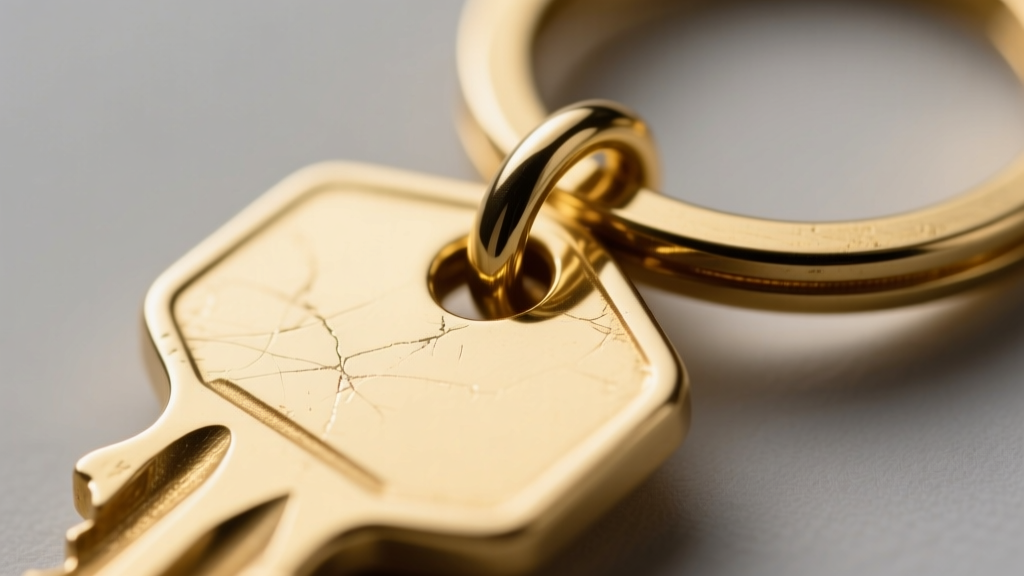
Hardware Mechanics: The Hidden Cost Drivers
The defining feature of a keychain necklace is its hardware. This is where budget brands cut corners, and where premium brands justify their higher price tags. When evaluating a piece, inspect the following mechanical components:
- The Split Ring: Cheap split rings are stamped from low-carbon steel and lack proper tempering. After a few weeks of being pulled and twisted, the metal fatigues, and the ring fails to snap back flush, creating a gap that catches on chest hair or knitwear. Premium necklaces use tempered stainless steel or titanium split rings that maintain their tension memory indefinitely.
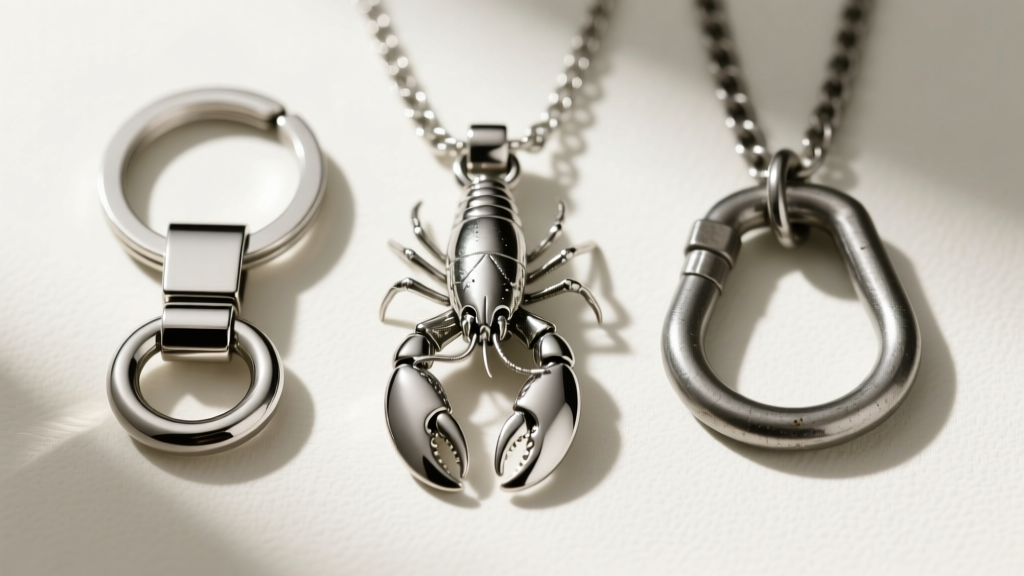
- The Swivel Mechanism: Many industrial-style pendants hang from a barrel swivel to prevent the chain from twisting. Budget swivels use a simple plastic or brass washer inside the joint, which quickly grinds down and seizes up. High-end swivels utilize sealed internal thrust bearings, adding $4 to $10 to the wholesale manufacturing cost but ensuring a lifetime of smooth, frictionless rotation.
- The Lobster Clasp Spring: The clasp securing the necklace to your neck is a primary failure point. In sub-$20 necklaces, the internal spring is often made of cheap iron that rusts and snaps. Look for brands that explicitly state their clasps feature stainless steel or brass internal springs.
Chain Gauge and Tensile Strength
Keychain pendants are inherently heavier than standard jewelry pendants, often weighing between 30 and 80 grams. A flimsy 1.5mm cable chain will quickly succumb to the dynamic load of a heavy steel pendant swinging against your chest, leading to stretched links or broken jump rings. For a functional keychain necklace, you must look for a minimum chain thickness of 3.5mm in a curb or figaro style, or at least 3mm in a rope chain. Furthermore, the jump rings connecting the chain to the hardware must be soldered closed or feature a heavy-gauge split ring mechanism to prevent the pendant from tearing through the chain links under stress.
2026 Value Assessment Matrix
Use the following matrix to quickly assess whether a keychain necklace is priced fairly based on its material and construction specifications.
| Material Grade | Coating / Finish | Fair Price Range | Expected Lifespan | Value Rating |
|---|---|---|---|---|
| Zinc Alloy (Zamak) | Flash Electroplating | $8 – $25 | 3 – 6 Months | Poor |
| 316L Surgical Steel | PVD Titanium Nitride | $35 – $85 | 3 – 5 Years | Excellent |
| Grade 5 Titanium | Anodized or Raw | $120 – $250 | Lifetime | Great |
| Solid 14k Gold | Solid / Unplated | $250 – $600+ | Lifetime / Heirloom | Investment |
Common Failure Modes in Budget Options
If you are considering a budget-friendly keychain necklace, be aware of the most common structural failures. The first is galvanic corrosion. When cheap copper or brass base metals are exposed to sweat and come into contact with the steel of the keychain ring, a micro-galvanic battery is formed, rapidly accelerating the degradation of the metal and leaving dark, stubborn stains on your skin. The second common failure is thread stripping on screw-top pendants. Many novelty keychain necklaces feature a hidden compartment or a USB drive that screws into the main body. Budget manufacturers use poorly machined, shallow threads that strip after a dozen uses, rendering the functional aspect of the necklace useless.
Final Verdict: How to Shop Smart
When shopping for a keychain necklace in 2026, your budget should be dictated by your intended use. If you need a functional piece to hold a specialized key, a USB drive, or an AirTag, do not compromise on the hardware. Spend the extra $20 to secure a 316L stainless steel piece with PVD coating and a tempered split ring. The mechanical reliability and skin safety are vastly superior to base-metal alternatives. Reserve your budget for the chain gauge and the swivel mechanics, as these are the true indicators of a jeweler's attention to detail. By focusing on metallurgical facts and mechanical engineering rather than brand hype, you can build a streetwear jewelry collection that looks heavy, feels premium, and survives the rigors of daily wear.


