Kike Hernandez Necklace Value Guide 2026: Is It Worth It?
Evaluating the true cost, material grades, and resale value of a Kike Hernandez necklace in 2026. Discover if this bespoke jewelry is worth the investment.

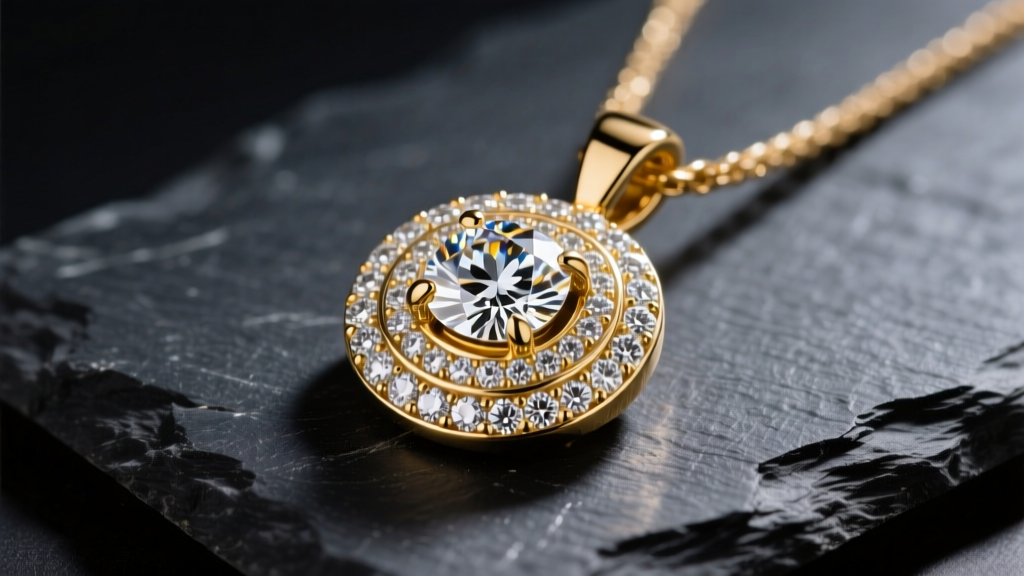
The Bespoke Advantage: Craftsmanship vs. Mass Production
When evaluating luxury and bespoke jewelry, the secondary and primary markets are flooded with options that blur the line between intrinsic material value and brand prestige. For collectors and investors eyeing a kike hernandez necklace, the assessment goes far beyond the initial price tag. Known for meticulous CAD design, high-carat gold weights, and premium diamond sourcing, Hernandez’s pieces occupy a unique space in the 2026 luxury landscape. But does the craftsmanship justify the premium over high-end retail brands? This guide breaks down the metallurgy, diamond grading, and market retention of these bespoke necklaces to help you determine their true value.
To understand the value of a Kike Hernandez necklace, you must first understand the production pipeline. Mass-market jewelers utilize cast-in-place techniques and stamped linkages, which prioritize speed and uniformity over structural longevity. In contrast, Hernandez employs a hybrid approach combining precision CAD (Computer-Aided Design) modeling with traditional hand-finishing. This means that the sprue marks—the small blemishes left from the casting tree—are meticulously filed and polished under 10x magnification. Furthermore, the articulation of the chain links, particularly in heavy Cuban and tennis styles, is hand-assembled to ensure a fluid drape that prevents the chain from kinking or snapping under the weight of a heavy pendant. You are paying for structural engineering as much as aesthetic design.
Material Breakdown: Gold Purity and Diamond Grading
The core of any value assessment lies in the raw materials. While many commercial brands rely on 10k or 14k gold and SI2-I1 clarity diamonds to maintain profit margins, a genuine Kike Hernandez piece typically operates on a much higher tier. Furthermore, Hernandez’s approach to white gold is notable. While commercial brands rely on nickel-heavy alloys that require frequent rhodium plating to mask yellowing, Hernandez frequently utilizes palladium-based white gold alloys. This not only eliminates the risk of nickel allergies but also ensures the metal maintains a naturally cool, grayish-white hue even if the rhodium flash wears off over years of daily wear.
| Feature | Mass-Market Retail | Independent Bench Jeweler | Kike Hernandez Bespoke |
|---|---|---|---|
| Gold Purity | 10k - 14k (41.7% - 58.5%) | 14k - 18k | 18k (75%) or Platinum |
| Diamond Clarity (Melee) | I1 - SI2 (Promotional) | SI1 - VS2 | VS1 - VVS2 |
| Diamond Color | J - M (Faint Yellow) | G - I | D - F (Colorless) |
| Setting Technique | Cast-in-place / Shared Prong | Hand-set Bead | Micro-pave / Custom Bezel |
According to the Gemological Institute of America (GIA), the difference in light return between I1 melee and VS1 melee is staggering. In a pave setting, lower-clarity stones absorb light and appear gray or cloudy. By utilizing VS1 to VVS2 melee diamonds, Hernandez ensures that even the smallest accent stones contribute to the overall brilliance of the necklace, a critical factor in high-end value retention.
2026 Pricing Tiers: What to Expect on the Primary Market
If you are commissioning or purchasing directly from the primary market in 2026, budgeting requires an understanding of the three main tiers of Hernandez’s necklace portfolio:
- Entry-Level Pendants ($3,500 - $8,000): Typically featuring 14k or 18k gold with modest diamond accents (0.50 to 1.50 total carat weight). These pieces rely on intricate metalwork, such as openwork silhouettes or custom engraving, rather than sheer diamond volume.
- Mid-Tier Tennis and Chain Necklaces ($15,000 - $45,000): This tier includes classic diamond tennis chains and heavy Cuban links with diamond-set clasps. The value here is heavily tied to the spot price of gold and the wholesale cost of VS-clarity diamonds, plus a 20-30% bespoke labor premium.
- High Jewelry & Custom Bust Pieces ($75,000 - $250,000+): Fully bespoke, one-of-one statement pieces. These involve hundreds of hours of CAD rendering, wax carving, and hand-setting VVS1 diamonds. The price reflects the exclusivity and the sheer carat weight of the stones involved.
Primary vs. Secondary Market Value Retention
A critical component of budget assessment is understanding how a Kike Hernandez necklace holds its value post-purchase. Unlike heritage houses like Cartier or Van Cleef & Arpels, which command a massive brand premium on the secondary market, independent bespoke jewelers face the 'bespoke penalty.' When reselling, highly personalized pieces (such as nameplates or custom portrait pendants) will typically recoup only 30% to 40% of their original retail price, as the secondary buyer is purchasing primarily for melt gold and diamond value.
However, classic configurations—such as an 18k white gold, 10-carat VS1 diamond tennis chain—retain between 65% and 80% of their intrinsic value. To maximize value retention, buyers should prioritize timeless link styles and universally appealing diamond cuts over hyper-personalized motifs. It is also worth noting that the provenance of the piece matters immensely. A necklace accompanied by its original CAD renderings, diamond melee certificates, and a signed letter of provenance from the studio will command a 10-15% premium on private auction platforms compared to a 'naked' piece sold only with a generic third-party appraisal. For more on jewelry appraisal standards, refer to the Jewelers of America guidelines on insurance replacement versus fair market value.
Authentication and Condition Assessment
Because of the premium associated with the name, the secondary market is rife with misattributed pieces. When assessing a pre-owned Kike Hernandez necklace, rely on physical evidence rather than paperwork alone.
- Hallmark Verification: Look for the specific maker's mark, often laser-engraved on the interior of the clasp or the jump ring. This should be accompanied by a metal purity stamp (e.g., 750 for 18k gold).
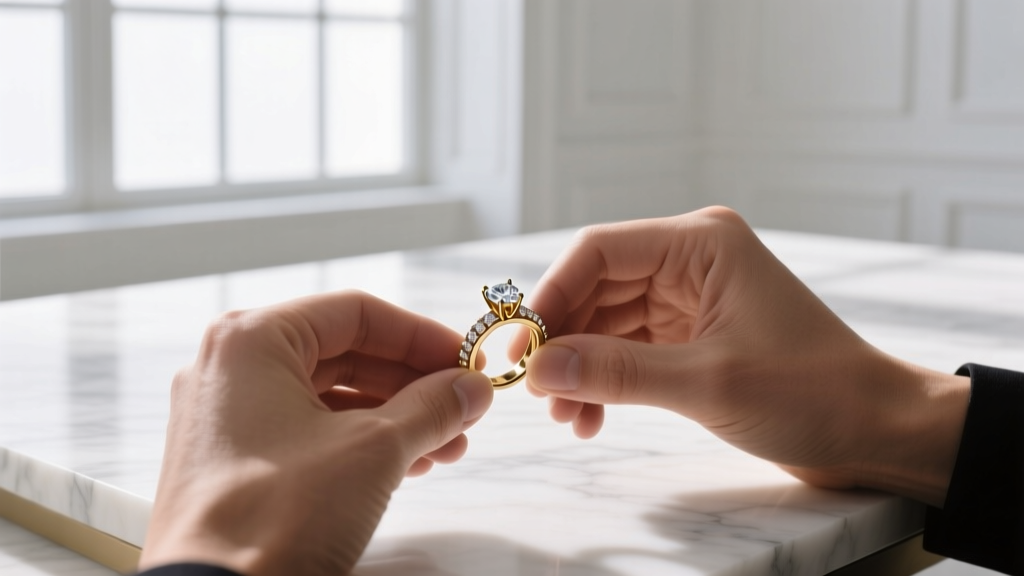
- Prong and Bezel Inspection: Use a 10x triplet loupe to examine the setting work. Hernandez’s bench jewelers are known for uniform, tightly burnished prongs. If the prongs are flattened, uneven, or show excessive tool marks, the piece may have been repaired by a third-party jeweler, which diminishes its collector value.
- UV Fluorescence Testing: With the rise of CVD (Chemical Vapor Deposition) lab-grown diamonds flooding the market, it is vital to test the stones. While Hernandez sources natural diamonds for his primary commissions, secondary buyers must use a UV fluorescence tester or send the piece to a gemological lab to ensure the stones match the original natural diamond certification.
Final Verdict: Is the Investment Justified?
Purchasing a Kike Hernandez necklace is not a pure financial investment in the way that buying gold bullion is; it is an investment in wearable art, structural longevity, and elite craftsmanship. If your budget allows for the 20% to 30% labor premium over wholesale intrinsic value, the return on investment comes in the form of unparalleled durability, superior light performance from high-grade melee diamonds, and the prestige of owning a meticulously engineered bespoke piece. For buyers strictly focused on financial ROI, sticking to unbranded, heavy gold tennis chains with certified natural diamonds will yield a tighter spread between purchase and resale. However, for those who value the intersection of horological-level finishing and high jewelry design, Hernandez remains a benchmark for quality in the modern bespoke market.


