2026 Gift Guide: How to Choose a Chunky Amber Necklace
Discover how to choose the perfect chunky amber necklace in our 2026 gift guide. Learn about origins, hardware, authenticity tests, and pricing.

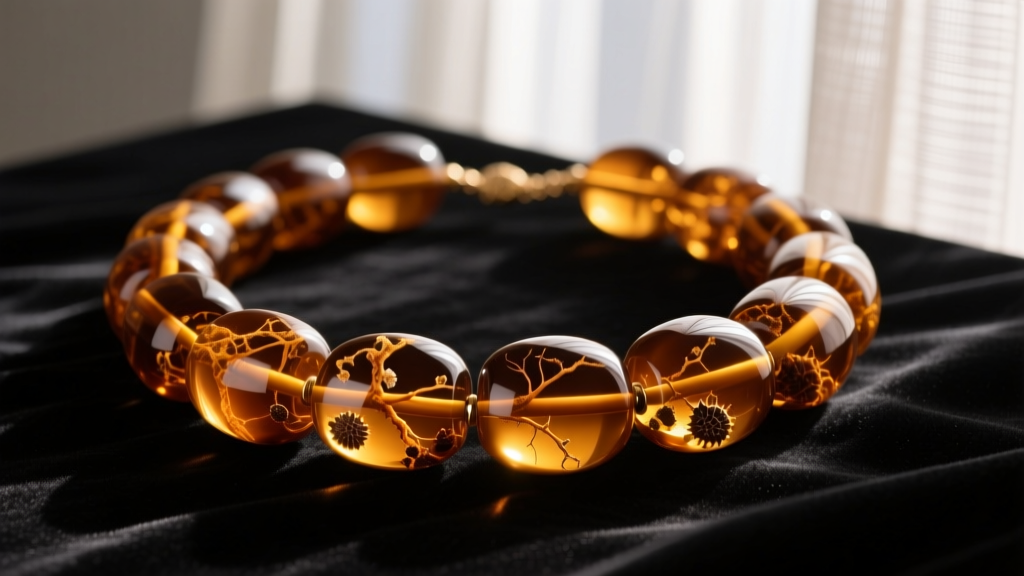
Why a Chunky Amber Necklace is the Ultimate 2026 Statement Gift
In an era dominated by mass-produced alloys and lab-grown uniformity, gifting organic, fossilized resin is a profound statement. A chunky amber necklace is not merely an accessory; it is a wearable piece of prehistoric earth. As we move through 2026, the jewelry market has seen a massive pivot toward grounding, tactile materials that offer both historical weight and bold aesthetic presence. Unlike delicate chains that disappear beneath heavy winter knits or dramatic autumn silhouettes, a chunky amber piece commands attention, offering a warm, honeyed luminescence that flatters nearly every skin tone.
However, buying amber for a loved one is fraught with pitfalls. The market is saturated with immature copal, heat-treated plastics, and poorly strung beads that snap under their own weight. This comprehensive guide will equip you with the gemological knowledge and structural insights necessary to select a high-quality, authentic chunky amber necklace that will last a lifetime.
Decoding Amber: Baltic vs. Dominican Origins
When selecting a statement piece, the geographic origin of the amber dictates its color palette, clarity, and overall vibe. According to the Gemological Institute of America (GIA), amber is fossilized tree resin, but its age and botanical source create distinct visual profiles.
Baltic Amber (Succinite)
Mined primarily around the Baltic Sea, this amber is roughly 44 million years old. It is famous for its high succinic acid content and ranges from opaque butterscotch to deep, translucent cherry cognac. For a "chunky" necklace, Baltic amber is the industry standard. Its slightly opaque, cloudy inclusions give large beads a rich, marbled depth that looks incredibly luxurious against dark clothing.
Dominican Amber
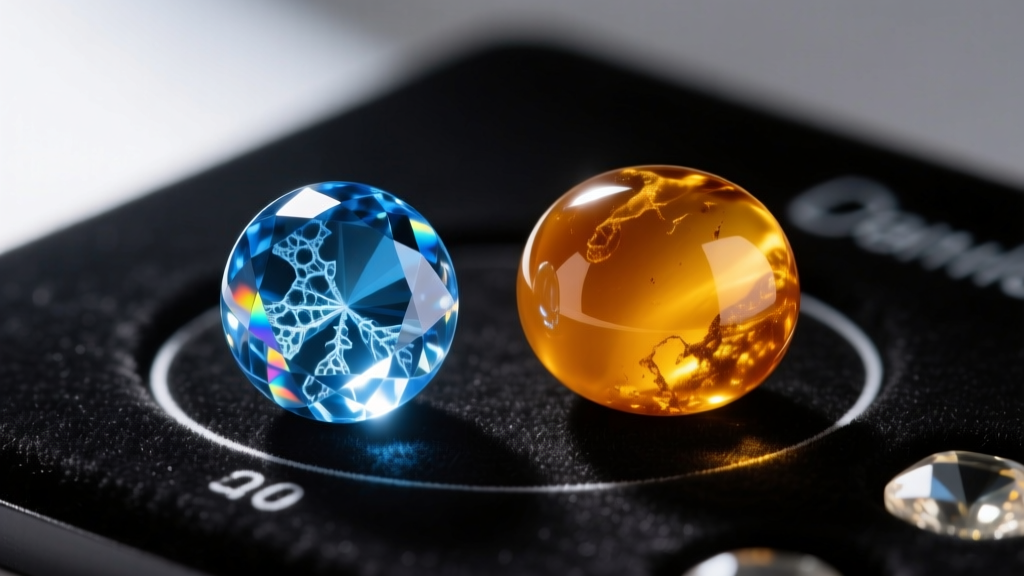
At 15 to 20 million years old, Dominican amber is younger but often more highly prized by collectors for its crystal clarity and spectacular insect inclusions. It also exhibits a unique optical phenomenon: strong blue fluorescence under UV light. A chunky Dominican amber necklace is rarer, significantly more expensive, and usually features perfectly clear, golden-yellow beads.
| Feature | Baltic Amber | Dominican Amber |
|---|---|---|
| Age | ~44 Million Years | ~15-20 Million Years |
| Clarity | Often opaque, cloudy, or marbled | Highly transparent, glass-like |
| UV Fluorescence | Pale blue/green | Intense, vibrant blue |
| Best Aesthetic | Boho, vintage, autumnal layering | Modern minimalist, collector-grade |
The Hardware Trap: Sizing, Weight, and Clasp Mechanics
This is where 90% of gift-buyers make a catastrophic mistake. A true chunky amber necklace—featuring beads ranging from 14mm to 25mm in diameter—can easily weigh between 80 and 150 grams. Standard jewelry hardware will fail under this dynamic load.
The Cord vs. Wire Debate
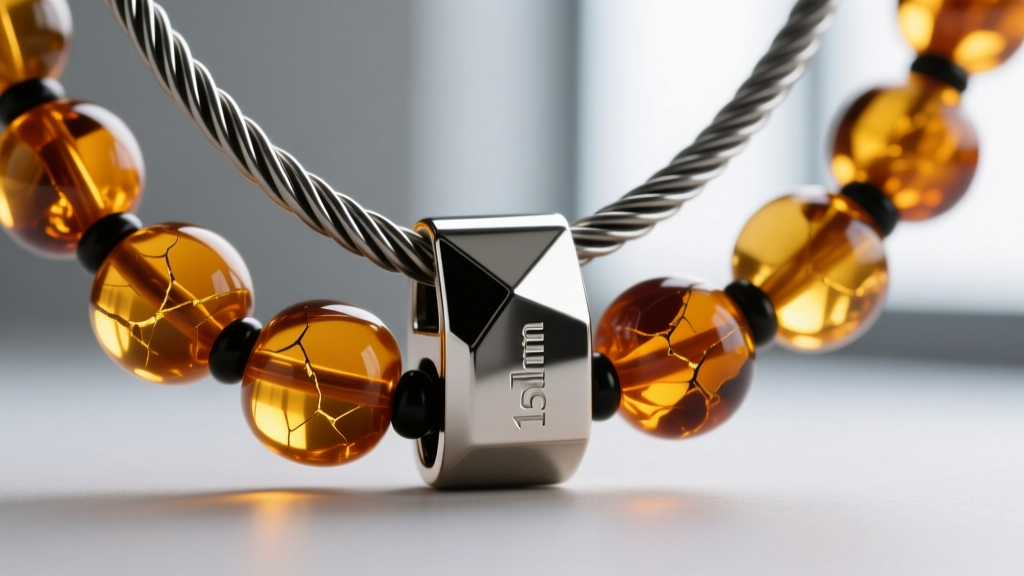
Never buy a heavy amber necklace strung on traditional silk thread. Silk stretches, degrades with skin oils, and will eventually snap, sending hundreds of dollars of fossilized resin crashing to the floor. According to the International Gem Society (IGS), amber is relatively soft (2 to 2.5 on the Mohs scale), meaning the beads must be separated by soft knots or silicone spacers to prevent them from grinding against each other. The ideal stringing material for heavy amber is a 1.5mm to 2.0mm nylon-coated, 49-strand stainless steel beading wire. This provides the drape of a cord with the tensile strength of steel.
Clasp Engineering
A standard 10mm lobster claw clasp will bend or pop open under the swinging momentum of a 120-gram necklace. When inspecting a piece, look for:
- Neodymium Magnetic Clasps: Must be at least 15mm in width and feature a safety chain. These are ideal for recipients with arthritis or limited dexterity.
- Heavy-Duty Box Clasps: Must include a figure-8 safety latch on the side to prevent accidental unhooking.
- Toggle Clasps: The bar must be at least 1.5 times the width of the ring to prevent it from slipping through during movement.
Occasion Matching: Who to Gift This To
A chunky amber necklace is a highly specific aesthetic choice. It is not a generic gift; it is a curated statement. Here is how to match the piece to the recipient's profile in 2026:
- The Dark Academia / Vintage Enthusiast: Opt for a graduated Baltic amber necklace (where the center bead is 20mm and it tapers down to 10mm at the clasp) in a deep, bruised cherry or dark cognac. Pair it with a 16-inch length to sit right at the collarbone, perfect for layering over turtlenecks and tweed.
- The Boho-Chic / Festival Goer: Look for "baroque" or irregularly shaped Baltic amber beads. These unpolished, free-form chunks feel organic and earthy. An 18 to 20-inch length allows the heavy beads to rest comfortably over flowing linen or crochet tops.
- The Modern Minimalist: Seek out perfectly round, highly polished Dominican amber beads in a uniform 12mm size. The glass-like clarity and subtle blue UV fluorescence offer a modern, architectural feel that pairs beautifully with structured blazers and silk blouses.
- Milestone Birthdays (30th, 40th, 50th): Amber has long been associated with grounding energy, vitality, and preservation. Gifting a heavy, high-quality piece for a milestone birthday carries a beautiful metaphorical weight about preserving memories and staying grounded through life's transitions.
The Authenticity Checklist: Avoiding Copal and Plastic
The most common deception in the amber market is selling Copal as amber. Copal is immature tree resin that is only a few hundred to a couple of million years old. It looks identical to amber to the untrained eye but is much softer, prone to crazing (surface cracking), and will melt under mild heat.
Three Non-Destructive Tests for the Buyer
While you cannot perform destructive tests (like the hot needle test) on a piece you are gifting, you can look for specific gemological markers or ask the jeweler for proof of the following:
- The UV Light Test: True Baltic amber fluoresces a pale, milky blue or green under a 365nm UV flashlight. Copal fluoresces a stark, bright white. Plastic does not fluoresce at all.
- The Saltwater Buoyancy Test: Amber has a specific gravity of roughly 1.05 to 1.10. In a saturated saltwater solution (1 part salt to 4 parts water), true amber will float. Glass, heavy plastics, and some dense copal will sink. (Note: Amber will sink in fresh tap water).
- The Acetone Swab Test: A drop of acetone (nail polish remover) on true amber will evaporate without leaving a mark. On copal, the acetone will dissolve the surface, leaving a permanent, tacky smudge. Always ask the jeweler before performing this on a display piece.
2026 Pricing Guide: What Should You Actually Pay?
Pricing for chunky amber necklaces is dictated by bead diameter, origin, and the presence of rare inclusions. Here is a realistic breakdown of what you should expect to pay for a genuine, well-constructed piece in the current market:
- $80 - $150 (Entry-Level Chunky): Beads ranging from 10mm to 14mm. Usually opaque Baltic amber with heavy "amber dust" or cloudy inclusions. Strung on basic nylon cord with standard hardware.
- $180 - $350 (Premium Statement): Beads ranging from 15mm to 19mm. High-quality cognac or butterscotch Baltic amber, expertly knotted on 49-strand coated steel wire with a heavy-duty magnetic or box clasp. This is the sweet spot for a luxurious, durable gift.
- $400 - $800+ (Collector / Graduated Masterpieces): Beads 20mm and larger, or highly graduated necklaces featuring rare botanical/insect inclusions. Dominican amber pieces with perfect clarity and blue fluorescence also command these higher price tiers.
The Golden Rule of Amber Gifting: Always buy from a jeweler who explicitly states the origin of their resin and provides a certificate of authenticity. If a "chunky 20mm amber necklace" is being sold for $45, you are buying dyed plastic or immature copal. True prehistoric weight carries a prehistoric price.
By prioritizing structural integrity, verifying the geological origin, and matching the aesthetic to the recipient's personal style, a chunky amber necklace transcends being a simple gift. It becomes a heavy, warm, glowing heirloom that connects the wearer to millions of years of natural history.


