Makau Necklace Value Guide: Pricing, Materials & 2026 Market
Discover the true value of a Makau necklace in 2026. We break down pricing tiers, material grades like Koa wood and bone, and how to spot tourist fakes.

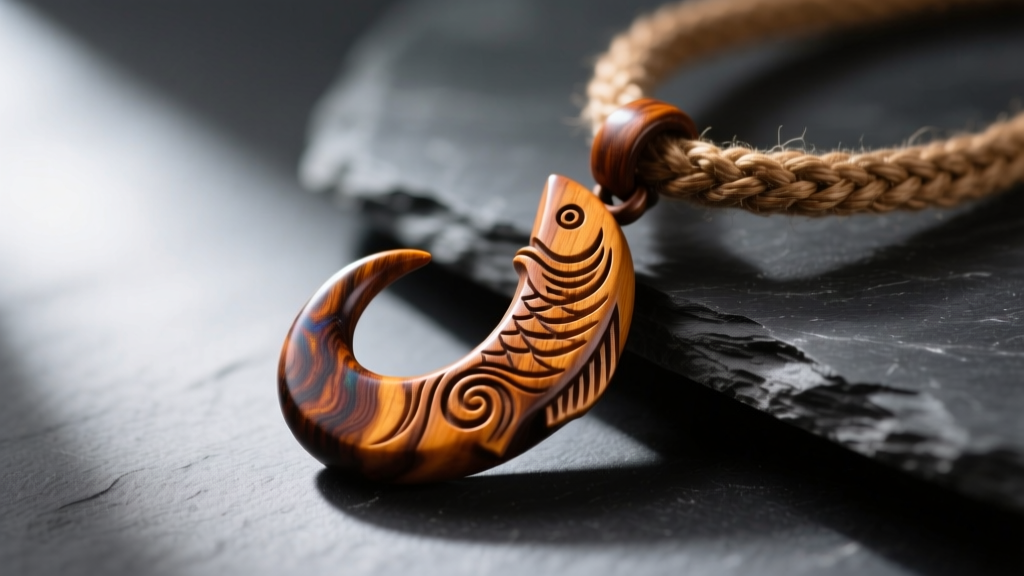
The Cultural and Material Weight of the Makau
The Makau, or traditional Hawaiian fishhook, is far more than a decorative pendant. Rooted in Polynesian navigation and fishing heritage, the Makau symbolizes safe passage over water, physical strength, and enduring prosperity. As we move through 2026, the global jewelry market has seen a massive surge in demand for culturally significant, nature-inspired talismans. However, this popularity has also flooded the market with mass-produced, low-quality tourist replicas.
For collectors, cultural enthusiasts, and everyday wearers, understanding the true value of a Makau necklace requires looking past the shape and deeply into the material grade, carving technique, and provenance. According to the Bernice Pauahi Bishop Museum, traditional Hawaiian adornments were crafted from the specific natural resources available on the islands, each carrying its own mana (spiritual power). Today, assessing the budget and value of a Makau necklace means distinguishing between a $15 resin import and a $500 master-carved heirloom.
Material Breakdown: What Are You Actually Paying For?
The base material of the pendant dictates 80% of the necklace's intrinsic value. In 2026, ethical sourcing and material authenticity are the primary drivers of price in the artisan jewelry sector.
Koa Wood and Plant-Based Materials
Koa (Acacia koa) is the premier wood used in Hawaiian carving. High-grade Koa exhibits chatoyancy—a striking, three-dimensional 'cat's eye' curl figure that shifts in the light. The specific gravity of premium curly Koa ranges from 0.55 to 0.85, making it dense enough to hold intricate carving details without splintering. A genuine, hand-carved curly Koa Makau will typically cost between $80 and $250. Cheaper alternatives include monkeypod or mango wood, which lack the tight grain and iridescent figure of true Koa, often retailing for under $40.
Bone, Shell, and Stone
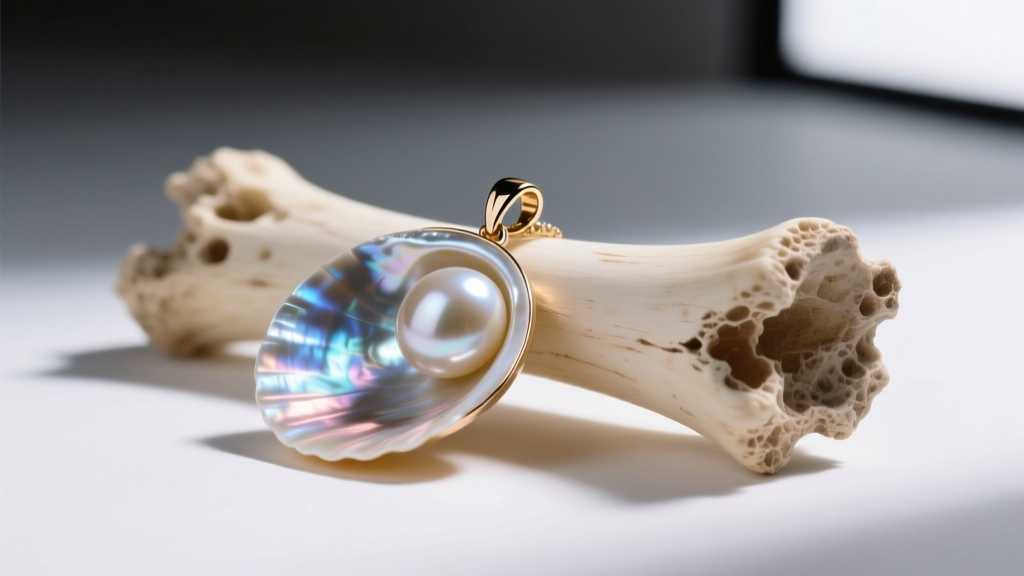
Bone carving is deeply traditional, but the source of the bone drastically alters both the price and the legality of the piece. Bovine (cow) bone is the most common modern material. It is relatively porous, featuring visible Haversian canals under magnification, and is often bleached white. High-quality, unbleached bovine bone carved by an artisan costs $60 to $150.
Conversely, antique whale bone is incredibly dense, oily, and prized for its warm patina. However, buyers must be extremely cautious. Under the Marine Mammal Protection Act (MMPA), enforced by the U.S. Fish and Wildlife Service, the sale of marine mammal parts across state lines is heavily restricted and generally illegal unless the item is pre-act antique with rigorous documentation. Any vendor offering 'new' whale bone Makau pendants in 2026 is either breaking federal law or selling misrepresented cow bone.
For shell and stone, the Gemological Institute of America (GIA) notes that genuine black-lipped pearl oyster shell (Pinctada margaritifera) offers a deep, dark iridescence that cheap abalone or dyed resin cannot replicate. Obsidian and nephrite jade are also premium stone choices, requiring diamond-tipped lapidary tools to shape, pushing the price point well above $200.
The 2026 Makau Pricing Matrix: Budget vs. Artisan Value
To help you assess whether a necklace is priced fairly, we have categorized the current market into three distinct tiers based on material, craftsmanship, and hardware.
| Value Tier | Price Range (2026) | Typical Materials | Carving Method | Value Retention |
|---|---|---|---|---|
| Budget / Tourist | $15 - $45 | Resin, dyed wood, stamped brass, bleached cow bone | CNC routed, laser-etched, or cast in molds | Poor (Mass-produced) |
| Mid-Tier / Artisan | $60 - $180 | Genuine Koa, pearl shell, unbleached bone, sterling silver | Hand-carved with rotary tools and files | Moderate to High |
| Master / Heirloom | $250 - $1,000+ | Antique whale bone (documented), 14k/18k gold, rare jade | Master hand-carved, traditional stone/bone abrasives | Excellent (Appreciates) |
Red Flags: Avoiding Tourist Trap Fakes
When shopping for a Makau necklace, especially online or in high-traffic tourist districts, knowing how to spot manufacturing shortcuts will save you from overpaying for worthless inventory.
- The Symmetry Trap: Hand-carved pendants possess subtle, organic asymmetries. If the inner curve of the fishhook features perfectly uniform 90-degree internal corners and microscopic parallel striations, it was cut by a CNC router, not a human hand.
- The Weight Test: Resin castings designed to mimic bone or stone are significantly lighter. Genuine bone and jade have a high specific gravity and will feel surprisingly heavy and cool to the touch.
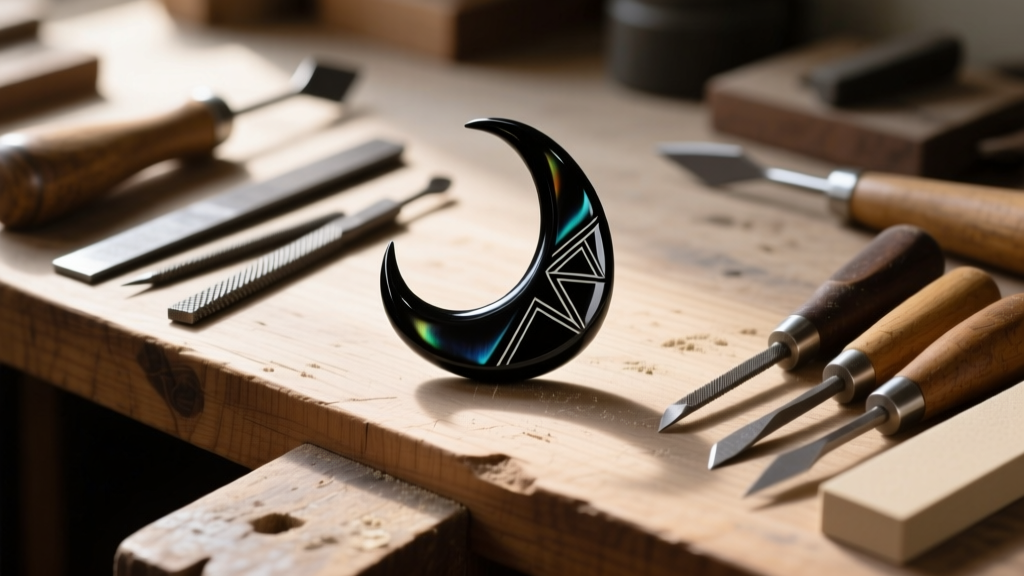
- Burnt Edges on Wood: Laser-cut wood pendants often feature micro-charring or burnt edges along the cut lines. A true carver uses saws, files, and sandpaper, leaving a smooth, clean grain.
- Vague Provenance: If a seller claims a piece is 'traditional Hawaiian bone' but cannot specify the animal source or the carver's origin, assume it is mass-produced bovine bone imported from overseas factories.
Cord vs. Chain: Completing the Necklace
The suspension method of the Makau pendant heavily influences the final budget and aesthetic. Traditionally, Makau pendants are worn on braided cords made from natural fibers or modern synthetic equivalents. Waxed linen, woven hemp, and macramé nylon are excellent, durable choices that cost between $10 and $30. These cords allow the pendant to rest comfortably against the sternum and are easily adjustable, making them ideal for active lifestyles and water exposure.
However, the 2026 jewelry market has seen a rise in precious metal pairings. Suspending a carved Koa or bone Makau from a 2mm to 4mm sterling silver or 14k gold rope chain elevates the piece from casual surf wear to sophisticated evening attire. When pairing a natural material pendant with a metal chain, ensure the bail (the loop connecting the pendant to the chain) is lined with a protective metal tube or smooth resin. Unlined bails will cause the metal chain to act like a saw, eventually cutting through the organic wood or bone loop over time.
Final Verdict: Is a Hand-Carved Makau Worth the Investment?
A genuine Makau necklace is not merely a piece of jewelry; it is a wearable piece of maritime history and cultural resilience. Investing in artisan craftsmanship ensures you are funding the preservation of indigenous carving techniques.
If your budget is under $50, a Makau necklace will likely be a mass-produced novelty item with zero long-term value. However, if you allocate $100 to $300, you enter the sweet spot of the market. In this tier, you can acquire a genuinely hand-carved pendant made from ethically sourced, high-grade Koa wood or genuine pearl shell, strung on a durable, hand-braided cord. By prioritizing material authenticity and verifiable hand-carving techniques over brand names, you secure a necklace that holds deep cultural resonance, exceptional durability, and lasting financial value.


