What Is a Barrel Necklace? A Beginner’s Style Guide
Discover what a barrel necklace is, from cylindrical beads to barrel clasps. Learn how to choose materials, lengths, and styles in this beginner guide.

The Dual Meaning of a Barrel Necklace
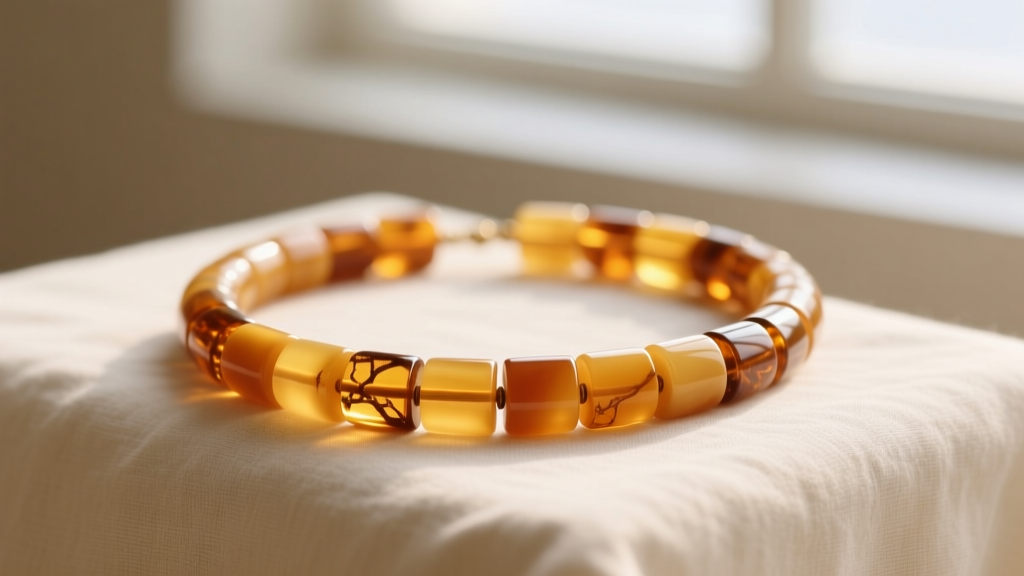
When you first enter the world of curated jewelry, the term barrel necklace can cause a bit of confusion. Unlike a 'tennis bracelet' or a 'choker,' which refer to very specific, singular designs, a barrel necklace actually refers to two entirely different structural elements in jewelry making. It can describe a necklace constructed primarily of barrel-shaped beads (elongated cylinders), or it can refer to a necklace secured by a barrel clasp. Understanding this distinction is the first step to mastering this versatile aesthetic.
As a beginner, you might encounter a strand of vintage Baltic amber barrel beads, or you might be handed a heavy 14k gold chain that fastens with a sleek, cylindrical barrel clasp. Both fall under the umbrella, but they require entirely different care, styling, and purchasing considerations. This guide will break down the anatomy, materials, and mechanics of both interpretations so you can shop with absolute confidence.
Anatomy of the Barrel Bead: Geometry and Drill Holes
Barrel beads are defined by their cylindrical shape, which can range from perfectly straight (like a pipe) to slightly tapered at the ends (like a traditional wooden whiskey barrel). In high-quality lapidary work, the length-to-width ratio usually hovers around 1.5:1 or 2:1—for example, a bead that is 10mm wide and 15mm long.
The most critical, yet often overlooked, aspect of a barrel bead necklace is the drill hole. Because barrel beads are elongated, the drill channel is longer than that of a standard round bead. If a lapidary uses a dull bit or rushes the process, the exit point of the drill will 'blow out' or chip the material. When inspecting a barrel bead necklace, always look closely at the ends of the beads. Clean, sharp edges indicate premium craftsmanship, while jagged, frosted edges suggest mass-produced, low-tier goods.
Furthermore, heavy stone barrel beads (such as 20mm onyx or lapis lazuli) require a wider drill hole—typically 1.5mm to 2.0mm. These should never be strung on traditional silk thread, which will quickly fray and snap against the sharp inner edges. Instead, look for necklaces strung on 49-strand micro-fused stainless steel beading wire (such as Soft Flex) coated in clear nylon.
Material Breakdown: Wood, Amber, and Metals
The aesthetic and durability of a barrel bead necklace are entirely dictated by its material. Here is a breakdown of the most common options you will encounter on the market.
| Material | Mohs Hardness | Best For | Maintenance Level |
|---|---|---|---|
| Baltic Amber | 2.0 - 2.5 | Lightweight, everyday warmth | High (scratches easily) |
| Sandalwood | N/A (Organic) | Bohemian, mala, and casual styles | Medium (needs occasional oiling) |
| Black Onyx | 6.5 - 7.0 | Edgy, formal, and evening wear | Low (highly durable) |
| 925 Sterling Silver | 2.5 (Metal) | Modern, minimalist layering | Medium (requires polishing) |
If you are investing in organic materials like amber or wood, be aware of their porosity. According to the Gemological Institute of America (GIA), amber is exceptionally soft and sensitive to chemicals. Never wear an amber barrel necklace while applying perfume or hairspray, as the alcohol content will permanently cloud the resin's surface.
The Barrel Clasp: A Masterclass in Jewelry Security
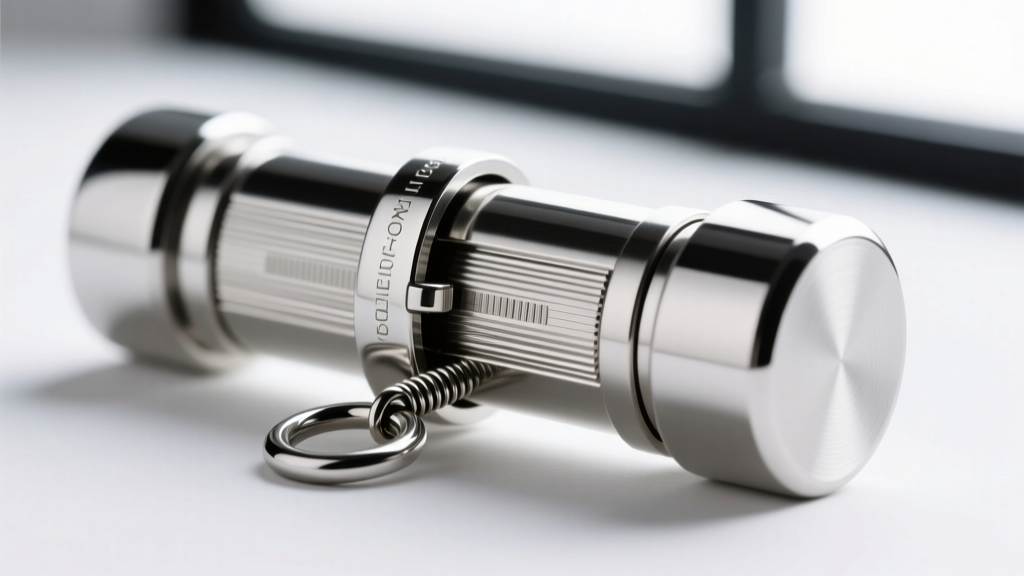
If your 'barrel necklace' refers to the fastening mechanism, you are dealing with one of the most secure and elegant clasps in fine jewelry. Often used on heavy pearl strands or thick gold chains, the barrel clasp (also known as a torpedo clasp) is designed to distribute weight evenly while maintaining a seamless visual line.
How the Mechanism Works
A true barrel clasp operates on a tongue-and-groove system. The 'tongue' is a V-shaped piece of spring-hardened metal (often beryllium copper or work-hardened sterling silver) that compresses when pushed into the cylindrical 'groove' or 'box.' Once fully inserted, the tongue snaps back to its original shape, locking securely into a small catch inside the barrel.
For necklaces over 50 grams, a barrel clasp should always be equipped with a figure-eight safety catch. This is a small wire loop on one side of the clasp that hinges over a tiny peg on the other side, providing a secondary lock in case the internal spring mechanism fails or is accidentally depressed. According to jewelry fabrication experts at the International Gem Society, checking the tension of this safety wire is a crucial step when buying vintage or estate jewelry, as the wire can stretch out over decades of use.
Styling and Layering Your Barrel Necklace
Because barrel beads have a distinct, elongated geometry, they carry more visual weight than round beads of the same millimeter width. This makes them excellent anchor pieces for layering.
The Neckline Pairing Cheat Sheet
- V-Neck Blouses: Pair with an 18-inch (Princess length) amber or wood barrel necklace. The elongated beads will naturally follow the V-shape of the neckline, creating a flattering, elongating effect on the torso.
- Crew Necks & T-Shirts: Opt for a 24-inch (Opera length) dark wood or onyx barrel bead necklace. The deep drop breaks up the solid block of color from a basic tee and adds a bohemian or avant-garde focal point.
- Off-the-Shoulder & Sweetheart: Keep it short. A 16-inch (Choker length) sterling silver barrel link necklace sits perfectly on the collarbone without competing with the exposed neckline.
When layering, avoid mixing barrel beads with other heavy geometric shapes like large cubes or thick coins. Instead, mix your barrel bead necklace with delicate, lightweight chains (like a 1.2mm cable chain or a thin serpentine chain) to provide textural contrast without overwhelming the collarbone.

Beginner Buying Checklist: What to Inspect
Before handing over your credit card for a barrel necklace, run through this quick, expert-level checklist to ensure you are getting a quality piece:
- Inspect the Drill Exits: Run your fingernail lightly over the ends of the beads. If you feel jagged edges or 'chipping,' pass on the piece. The stringing wire will eventually wear through and snap.
- Test the Clasp Spring: If it features a barrel clasp, push the tongue in and let it go. It should snap back with a sharp, audible click. A sluggish return means the internal spring is fatigued.
- Check the Knotting (For Pearls/Amber): If the barrel beads are made of high-value materials like pearls or amber, they should be individually knotted with silk or synthetic thread to prevent them from grinding against one another and to prevent total loss if the strand breaks.
- Verify Metal Stamps: If buying metal barrel links or a precious metal clasp, look for the '925' stamp for sterling silver or '14K'/'18K' for gold. Be wary of unmarked white metals, which are often plated brass that will eventually tarnish and turn your skin green.
Final Thoughts
Whether you are drawn to the earthy, organic feel of a wooden barrel bead strand or the sleek, mechanical security of a gold barrel clasp, understanding the architecture of your jewelry transforms you from a passive buyer into an informed collector. By paying attention to drill holes, material hardness, and clasp tension, you ensure that your barrel necklace remains a staple in your wardrobe for years to come.


