The Ultimate Guide to String Necklace Care & Cleaning
Learn how to properly clean, store, and maintain your string necklace. Discover expert tips on preventing fraying, washing silk, and securing knots.

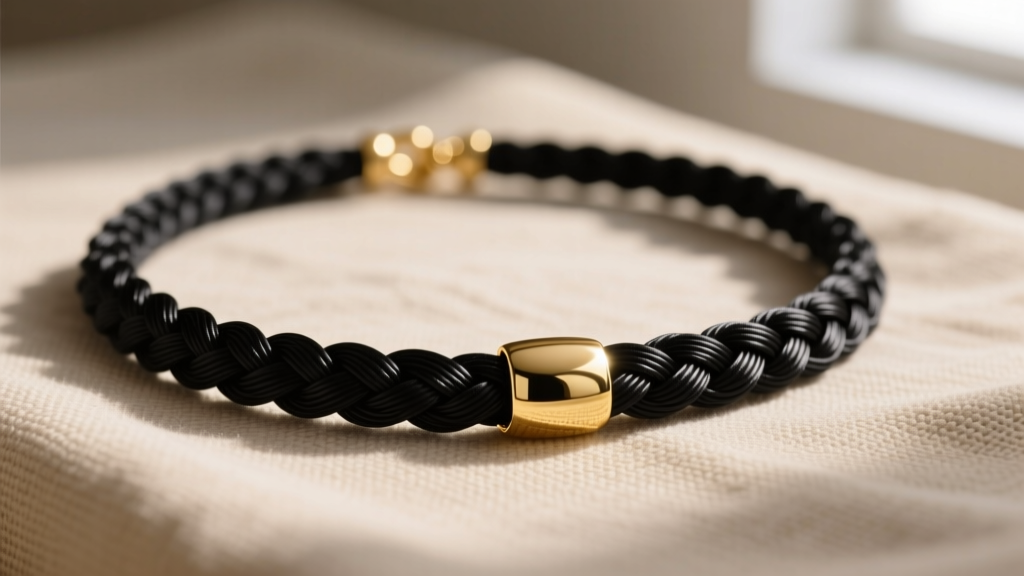
The Anatomy of String Necklaces: Why They Need Special Care
String necklaces, whether they feature heavy gemstone beads, organic pearls, or delicate glass, rely entirely on the tensile strength and chemical integrity of their core cord. Unlike solid metal chains, a string necklace is a composite piece of jewelry. The vulnerability lies not just in the string itself, but in the friction points where the cord meets the clasp, the acidic environment of the human neck, and the microscopic abrasion caused by heavy beads rubbing against the fibers during wear.
Proper maintenance requires understanding the specific material of your cord. A cleaning method that revitalizes a synthetic nylon thread can instantly destroy natural silk or cause leather to crack and snap. In this comprehensive guide, we break down the exact protocols for washing, structural maintenance, and long-term storage of your most delicate corded jewelry.
Material-Specific Cleaning Protocols
Before applying any moisture or cleaning agent, you must identify the core material of your necklace. Different fibers react uniquely to water, oils, and pH-altering substances. Below is a technical breakdown of the most common stringing materials and their specific care requirements.
| Material Type | Primary Vulnerability | Recommended Cleaning Agent | Expected Lifespan (Daily Wear) |
|---|---|---|---|
| Natural Silk (e.g., Griffin) | Acidic sweat, stretching when wet | pH-neutral castile soap, minimal water | 1 to 2 years |
| Nylon/Synthetic (e.g., Beadalon) | Body oil buildup, UV degradation | Mild dish soap (Dawn), warm water | 3 to 5 years |
| Leather/Suede | Water damage, drying, cracking | Waterless leather cleaner, Lexol conditioner | 2 to 4 years |
| Elastomeric (e.g., Stretch Magic) | Heat, lotions, loss of elasticity | Damp microfiber cloth only (no soaking) | 6 to 12 months |
The Danger of Ultrasonic Cleaners
Never place a string necklace in an ultrasonic jewelry cleaner. The high-frequency cavitation bubbles that blast dirt off metal settings will simultaneously micro-fracture the fibers of silk and nylon, severely compromising the cord's tensile strength and leading to sudden breakage.
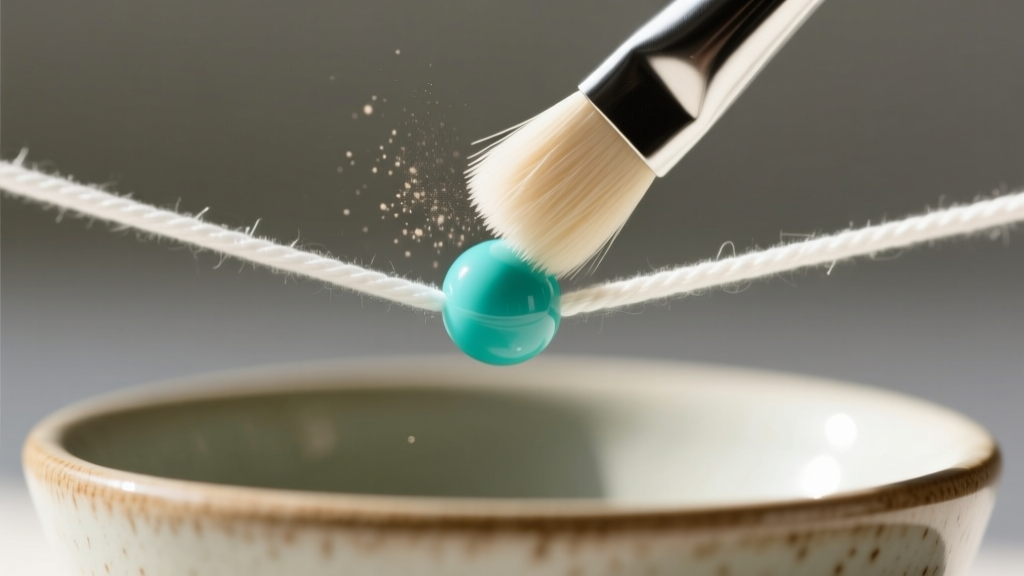
Step-by-Step Wet Cleaning Method for Beaded Corded Jewelry
When your necklace has accumulated sunscreen, body oils, or environmental dust, a targeted wet cleaning is necessary. This method is safe for nylon and heavily knotted silk necklaces holding non-porous gemstones. (Note: If your necklace features pearls or opals, consult the Gemological Institute of America (GIA) guidelines for organic gem care, as these require strictly dry methods).
- Preparation: Mix a few drops of pH-neutral liquid soap into a bowl of lukewarm (never hot) distilled water. Hot water can relax the tension in synthetic fibers and cause silk to shrink upon drying.
- Targeted Agitation: Do not submerge the entire necklace if it is strung on silk. Instead, dip a soft-bristled baby toothbrush or a cotton swab into the solution. Gently scrub the surface of the beads and the immediate surrounding cord.
- Rinsing: Use a separate cloth dampened with pure distilled water to wipe away the soap residue. Tap water contains chlorine and trace minerals that can leave a dull film on both the beads and the string.
- Drying: Lay the necklace completely flat on a dry, lint-free terrycloth towel. Roll the towel gently to absorb excess moisture. Allow it to air dry flat for 24 hours. Never hang a wet string necklace, as the weight of the waterlogged beads will permanently stretch the fibers.
Structural Maintenance: Preventing Fraying and Breakage
Cleaning is only half the battle; structural integrity is what keeps your jewelry safe from catastrophic failure. The two most common failure points on a string necklace are the clasp connection and the knot seals.
The French Wire (Gimp) Technique
If you examine a high-quality pearl or gemstone necklace, you will notice a tiny, metallic coiled spring covering the string right where it loops through the clasp. This is called French wire or gimp. Metal clasps act like tiny saws against organic and synthetic fibers. Gimp takes the brunt of this friction. If your necklace lacks gimp, or if the existing gimp is frayed and discolored, it is a critical warning sign. When restringing, always use appropriately sized gimp (e.g., 0.4mm inner diameter for fine size #4 silk, or 0.7mm for heavier nylon cords).
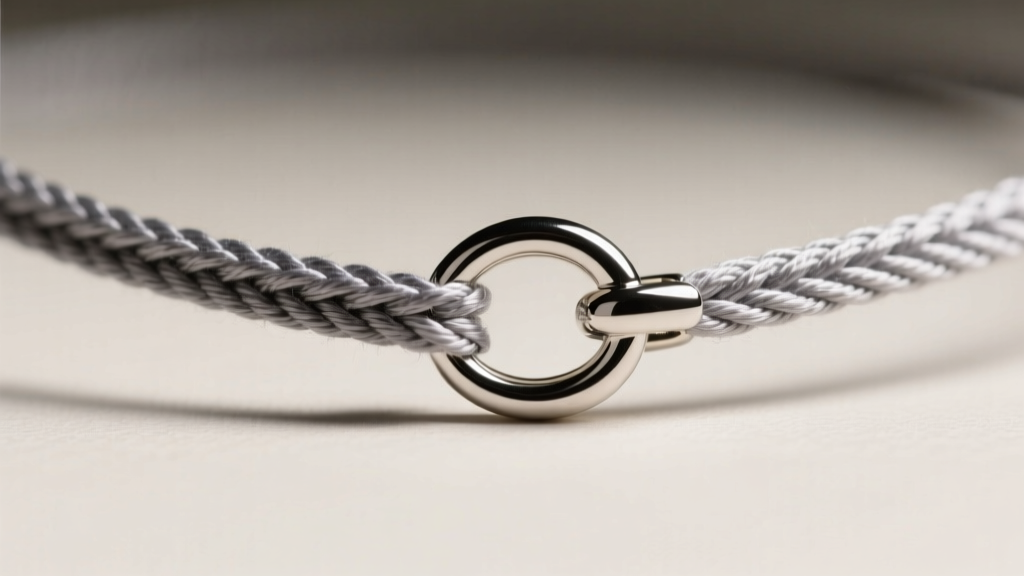
Knot Inspection and Adhesive Selection
Between every bead on a premium necklace lies a knot. These knots prevent bead-on-bead abrasion and ensure that if the string breaks, you only lose one bead rather than the entire piece. Over time, these knots can loosen.
Expert Warning: Never use cyanoacrylate (Super Glue) to seal the knots on a flexible string necklace. Cyanoacrylate dries hard and brittle. As the necklace flexes against your collarbone, the hardened glue acts like a microscopic blade, cutting through the fibers from the inside out. Instead, professional jewelers use flexible adhesives like GS Hypo Cement or a two-part flexible jewelry epoxy, which moves dynamically with the cord.
Proper Storage to Prevent Stretching and Dry Rot
How you store your necklaces directly dictates their lifespan. According to textile conservation guidelines from institutions like the Canadian Conservation Institute, organic fibers require specific environmental controls to prevent dry rot and structural memory.
- The Flat Lay Rule: Heavy beaded string necklaces should always be stored flat in a lined jewelry box. Hanging them on a jewelry tree or wall hook subjects the cord to constant gravitational pull, leading to permanent micro-stretching and eventual sagging.
- Climate Control: Natural fibers like silk and cotton are susceptible to dry rot in overly arid environments and mildew in high humidity. Store them in a room with stable humidity (ideally 40-50%). Avoid storing them in plastic zip-lock bags, which can trap moisture and off-gas chemicals that degrade synthetic elastics.
- Light Exposure: Prolonged exposure to direct UV sunlight will bleach dyed silk cords and make nylon and elastic polymers brittle. Always store corded jewelry in opaque drawers or fabric pouches.
When to Restring: Recognizing Critical Failure Signs
Even with meticulous care, all string necklaces eventually require restringing. Waiting until the cord snaps is a risk you should never take. Perform the "45-Degree Test" every six months: hold the necklace by the clasp and let it drape over your hand at a 45-degree angle. If you see gaps of exposed string appearing between the beads, or if the cord feels stiff and rigid rather than fluid and supple, the fibers have degraded or stretched beyond their recovery point.
For heavily worn pieces, an annual professional restringing is a small investment to protect the significant financial and sentimental value of the beads themselves. By combining gentle, material-specific cleaning with rigorous structural inspections, your favorite corded pieces will remain secure and beautiful for decades.


