Kimi Antonelli Necklace Materials: 2026 Style Guide
Discover the materials behind the Kimi Antonelli necklace trend. Compare titanium, steel, and silver for durable, sweat-resistant athlete jewelry.

The Anatomy of the Kimi Antonelli Necklace Aesthetic
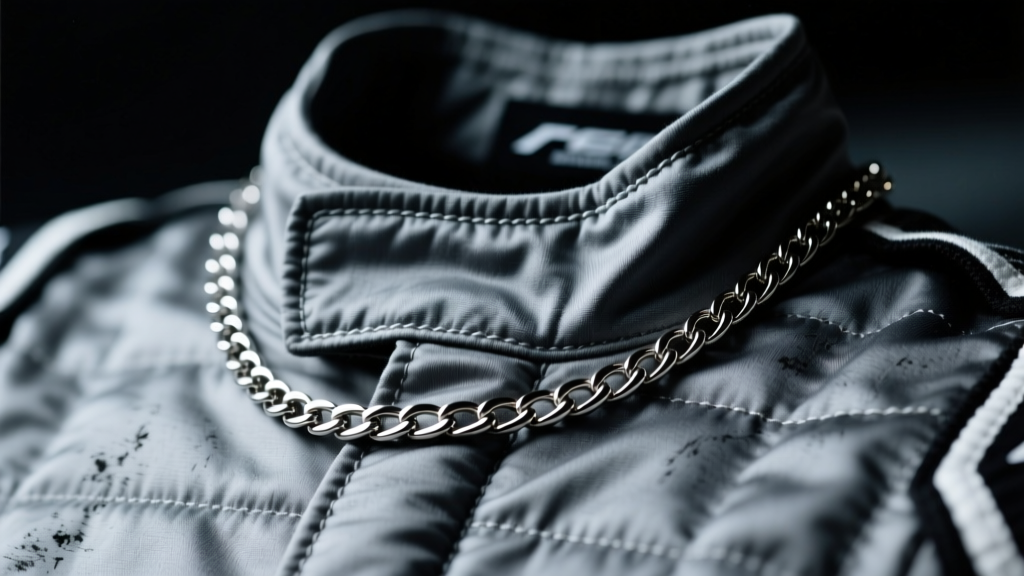
As Formula 1 continues to merge high-speed motorsport with high-end streetwear, the off-track style of its rising stars has become a massive cultural driver. In 2026, the search volume for the exact kimi antonelli necklace specifications has skyrocketed. Fans and fashion enthusiasts alike are looking to replicate the minimalist, rugged, yet refined jewelry worn by the young Mercedes prodigy. But replicating the look is not just about finding a similar chain link pattern; it is fundamentally about understanding the metallurgy that makes an athlete-grade necklace functional.
Professional racing drivers and elite athletes require jewelry that can withstand extreme conditions: high ambient temperatures, profuse sweating, constant friction from racing suits, and the occasional high-impact snag. The quintessential Antonelli aesthetic relies on medium-weight, minimalist chains—typically curb or rope links—that sit flush against the collarbone. To achieve this, the material must possess a high strength-to-weight ratio and absolute corrosion resistance. Below, we break down the exact material properties that define this motorsport-inspired jewelry trend.
Material Breakdown: What Makes an Athlete-Grade Chain?
When sourcing a chain meant for active, daily wear, the base metal dictates the longevity, drape, and skin compatibility of the piece. Here is a deep dive into the three primary metals used in the Kimi Antonelli necklace style.
Aerospace-Grade Titanium (Grade 5 / Ti-6Al-4V)
Titanium is the undisputed king of motorsport engineering, and its translation into jewelry is a natural fit. Specifically, Grade 5 titanium (an alloy of 90% titanium, 6% aluminum, and 4% vanadium) is the standard for premium athlete jewelry. According to the ASTM F136 Standard, this specific alloy is biocompatible and highly resistant to chloride-induced pitting. For a driver or gym-goer, this means sweat—which is highly saline and acidic—will not degrade the metal. Furthermore, Grade 5 titanium is roughly 45% lighter than stainless steel, providing a 'barely there' feel that prevents neck fatigue during long endurance races or daily training sessions.
316L Surgical Stainless Steel
While titanium wins on weight, 316L surgical steel wins on drape and tensile heft. The 'L' stands for low carbon, but the crucial element here is the addition of 2-3% molybdenum. This molybdenum drastically increases resistance to localized corrosion, making it ideal for jewelry exposed to harsh environments. A 4mm 316L steel curb chain offers a satisfying, heavy drape that many streetwear enthusiasts prefer. However, it requires more frequent polishing than titanium to maintain a mirror finish, as micro-scratches from daily wear can dull the surface over time.
Rhodium-Plated 925 Sterling Silver
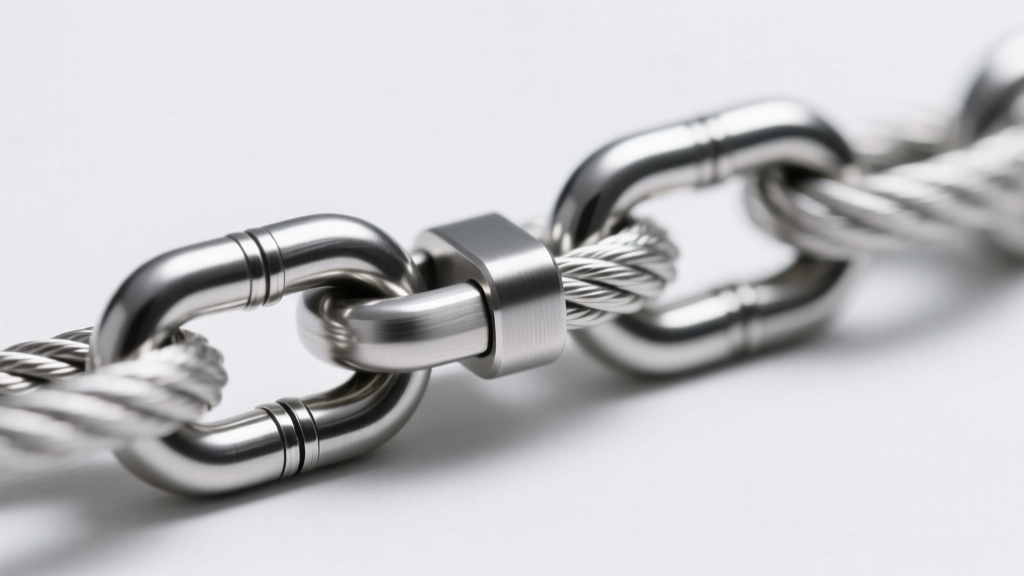
Traditional sterling silver (92.5% silver, 7.5% copper) is a staple in luxury jewelry, but bare silver is a poor choice for athletes. The copper content reacts rapidly with sulfur and moisture, leading to severe tarnishing. To achieve the Antonelli look in silver, the piece must be heavily plated in rhodium—a platinum-group metal that provides a hard, tarnish-resistant, and highly reflective shield. While visually stunning, rhodium plating on high-friction areas (like the back of the neck) will eventually wear away, requiring re-plating every 12 to 18 months for active users.
Comparative Analysis: Weight, Tarnish, and Tensile Strength
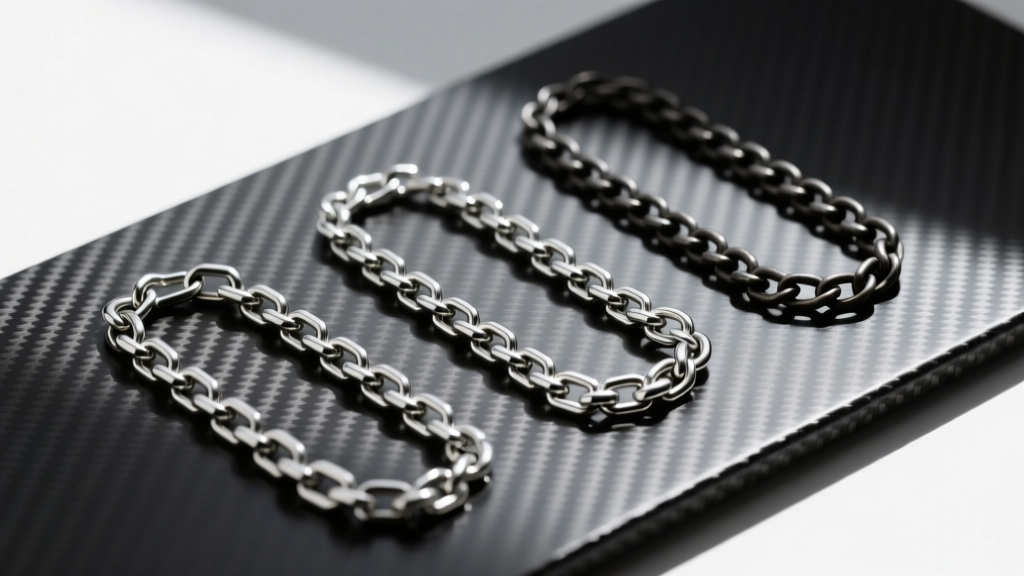
To make an informed purchasing decision, it is vital to look at the raw data. The following table compares the physical properties of a standard 20-inch, 4mm curb chain across the three dominant materials.
| Property | Grade 5 Titanium | 316L Surgical Steel | Rhodium-Plated Silver |
|---|---|---|---|
| Density (g/cm³) | 4.43 | 8.00 | 10.49 |
| Chain Weight (20', 4mm) | ~28 grams | ~52 grams | ~68 grams |
| Tarnish Resistance | Absolute | Very High | Moderate (Plating dependent) |
| Tensile Yield Strength | 830 MPa | 290 MPa | 200 MPa |
| 2026 Price Range | $120 - $250 | $45 - $90 | $150 - $350 |
As noted by the GIA Gem Encyclopedia, the inherent softness of precious metals like silver makes them prone to deformation under stress. Titanium's massive yield strength (830 MPa) means a titanium chain is virtually impossible to snap under normal human tensile force, making it the ultimate safety choice for athletes who might snag their jewelry on equipment.
Sizing, Gauge, and the Perfect Drape
The visual success of the Kimi Antonelli necklace aesthetic relies heavily on proportionality. Antonelli typically favors chains that are substantial enough to be noticed but not so thick that they overpower his neckline or interfere with his racing HANS (Head and Neck Support) device.
- Width (Gauge): The sweet spot is between 3.5mm and 4.5mm. Anything under 3mm looks too delicate for the rugged motorsport aesthetic, while anything over 6mm crosses into heavy hip-hop territory, losing the minimalist, European racing vibe.
- Length: An 18-inch chain sits tightly at the base of the throat (choker style), while a 20-inch chain rests perfectly on the collarbone. For most men, a 20-inch chain provides the most versatile drape, allowing the necklace to be visible over a crewneck t-shirt or tucked discreetly under an unbuttoned racing polo.
- Link Style: The flattened curb chain or the tightly woven Franco chain are the top choices. Both lay flat against the skin, preventing the links from catching on body hair or fabric.
Clasp Mechanisms and Failure Points
A chain is only as strong as its clasp. In active-wear jewelry, the clasp is the most common point of failure. Standard spring-ring clasps are entirely inadequate for athlete jewelry; the microscopic springs corrode quickly from sweat exposure and fail to open or close.
For a true 2026 athlete-grade necklace, look for a fold-over safety clasp or a heavy-duty lobster clasp with a reinforced pin. Titanium chains often utilize a magnetic fold-over clasp encased in a titanium shell, secured by a secondary figure-eight safety catch. This ensures that even if the primary mechanism is compromised by a hard impact, the secondary catch prevents the loss of the necklace.
Care and Maintenance for Active Wearers
Even the most resilient alloys require basic maintenance to maintain their structural integrity and visual appeal over years of daily abuse.
Titanium and Steel Maintenance
Both Grade 5 titanium and 316L steel can be safely cleaned using an ultrasonic jewelry cleaner. A three-minute cycle in a solution of warm water and a few drops of mild dish soap will dislodge sebum, dead skin cells, and dried sweat trapped inside the link crevices. Avoid bleach-based cleaners, as prolonged exposure to high-concentration chlorides can eventually cause pitting in steel.
Silver Maintenance
Never put rhodium-plated silver in an ultrasonic cleaner, as the high-frequency vibrations can micro-fracture the plating layer. Instead, use a soft microfiber cloth and a dedicated, non-abrasive silver polishing paste. If the rhodium layer wears thin, take the piece to a professional jeweler for an electrochemical re-plating bath.
Final Verdict: Choosing Your Material
Replicating the Kimi Antonelli necklace style is an exercise in balancing aesthetics with extreme functional durability. If your budget allows and you prioritize lightweight comfort and absolute indestructibility, Grade 5 Titanium is the pinnacle of modern athlete jewelry. If you prefer a heavier, more traditional metallic drape and are on a stricter budget, 316L Surgical Steel offers incredible value and corrosion resistance. Ultimately, the right material ensures your jewelry survives the paddock, the gym, and the streets with equal effortless style.


