Meaning of a Knot in Necklace Chain: Gifting Guide & Untangling Tips
Discover the romantic symbolism behind knot jewelry for gifting, plus expert jeweler tips to safely remove a stubborn knot in necklace chain.

The Dual Nature of Knots: Symbolism vs. Frustration
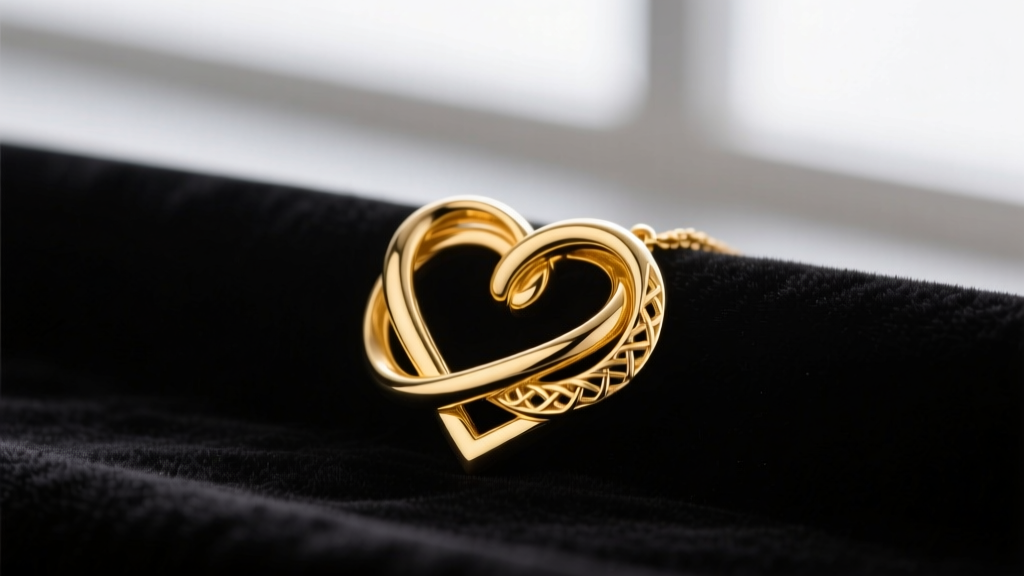
In the world of fine jewelry, the concept of a knot carries two vastly different emotional weights. On one hand, presenting a meticulously crafted knot pendant is a profound gesture of eternal love, loyalty, and unbreakable bonds. On the other hand, discovering a stubborn, microscopic knot in necklace chain links can induce immediate panic, threatening to ruin a delicate piece of precious metal. As we navigate the 2026 gifting landscape, knot motifs remain at the pinnacle of romantic and milestone jewelry. However, understanding both the deep symbolism of these designs and the metallurgical realities of chain weaves is essential for any jewelry lover or gift-giver.
This comprehensive guide bridges the gap between the emotional art of gifting knot jewelry and the practical, scientific methods required to maintain and untangle delicate chains. Whether you are selecting a meaningful anniversary piece or desperately trying to salvage a tangled heirloom, this guide provides the expert insights you need.
Gifting Knot Jewelry: Occasion & Meaning Matchmaker
The knot is one of the oldest and most universally recognized symbols in human history. When selecting a knot necklace as a gift, the specific style of the knot dictates its meaning, making it crucial to match the design to the occasion.
Love Knots & Infinity Knots
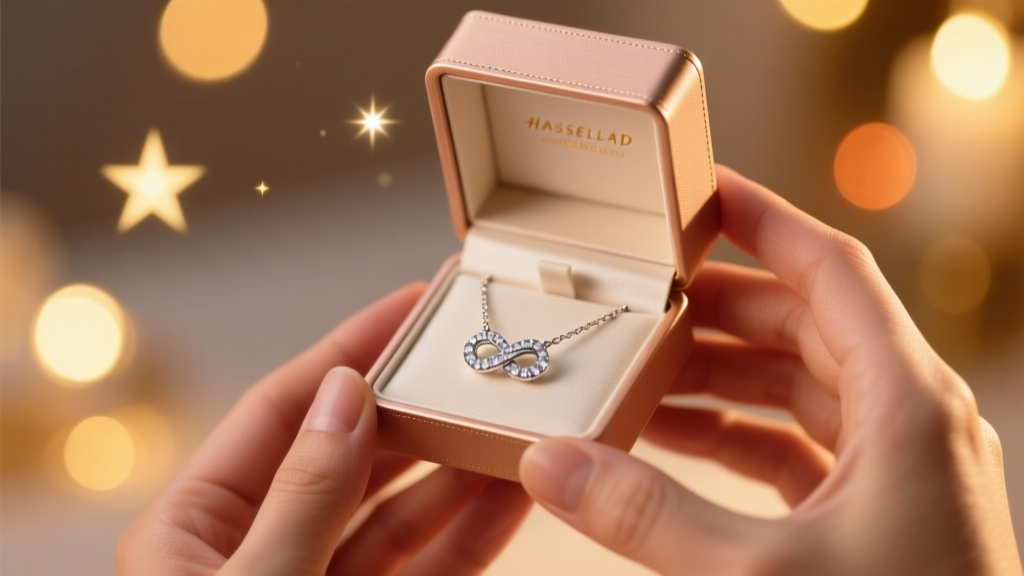
Characterized by two or more interlocking, continuous loops, the love knot (or infinity knot) represents a bond that has no beginning and no end. According to historical archives at the V&A Museum, these motifs gained massive popularity during the Victorian era as secret tokens of affection. Best for: Wedding anniversaries, Valentine’s Day, or marriage proposals. Material Tip: Opt for 18k yellow or rose gold; the warm hues enhance the romantic fluidity of the interlocking curves.
Celtic Knots & Sailor Knots
Celtic knots feature complex, endless weaving lines that symbolize eternity and the interconnectedness of life. The Sailor’s knot (often a figure-eight or bowline inspired design) was historically crafted by sailors to signify an unbreakable bond with their loved ones back home. Best for: Graduations, long-distance relationship milestones, or farewell gifts. Material Tip: Sterling silver or white gold complements the structured, nautical, and historic geometry of these knots.
Bow Knots & Family Knots
The bow knot (resembling a tied ribbon) is a symbol of coquettish charm, youth, and tying the knot of friendship. Family knots, often featuring multiple smaller loops converging into a central point, represent the unbreakable ties between parents and children. Best for: Sweet 16 birthdays, Mother’s Day, or friendship milestones. Material Tip: Enamel accents or pavé-set diamonds add a playful, celebratory sparkle to bow knots.
Chain Weaves & Tangling Propensity: A Jeweler's Data Table
Not all chains are created equal when it comes to structural integrity and tangling. The likelihood of finding a frustrating knot in necklace chain links depends heavily on the chain's weave pattern, link gauge, and metallurgical properties. Below is a jeweler’s breakdown of popular chain styles and their tangling risks.
| Chain Style | Link Structure & Gauge | Tangling Risk | Best Gifting Use |
|---|---|---|---|
| Cable | Uniform oval links (0.9mm - 1.5mm) | Very High | Lightweight everyday pendants |
| Box | Square, rigid, interlocking links | Very Low | Heavy statement pendants |
| Rope | Twisted spiral links (1.0mm - 3.0mm) | Medium | Layering and standalone wear |
| Snake | Tightly joined, smooth rings | Low (but kinks) | Sleek, modern, minimalist looks |
| Wheat | Braided, directional oval links | Medium-Low | Textured, vintage-inspired gifts |
As noted by the Gemological Institute of America (GIA), the malleability of the metal also plays a role. Pure 24k gold is too soft for chains, but 18k gold (75% pure) is significantly softer and more prone to bending and snagging than 14k gold (58.3% pure). If you are gifting a chain to someone who travels frequently or layers multiple necklaces, a Box or Wheat chain in 14k gold is the most practical choice.
How to Safely Untie a Knot in Necklace Chain (Expert Methods)
When a delicate 1mm cable chain inevitably tangles into a microscopic ball, brute force is the enemy. Pulling at the ends of the chain causes 'work-hardening,' a metallurgical reaction where the metal becomes brittle and eventually snaps. Instead, master jewelers use friction-reduction and precision tools to undo the damage.
Jeweler's Warning: Never use standard metal tweezers to pull apart a knot in 18k gold or platinum. The serrated teeth will scratch the high-polish finish, and the crushing pressure can permanently deform the delicate links.
Method 1: The Baby Powder Technique (For Dry Friction)
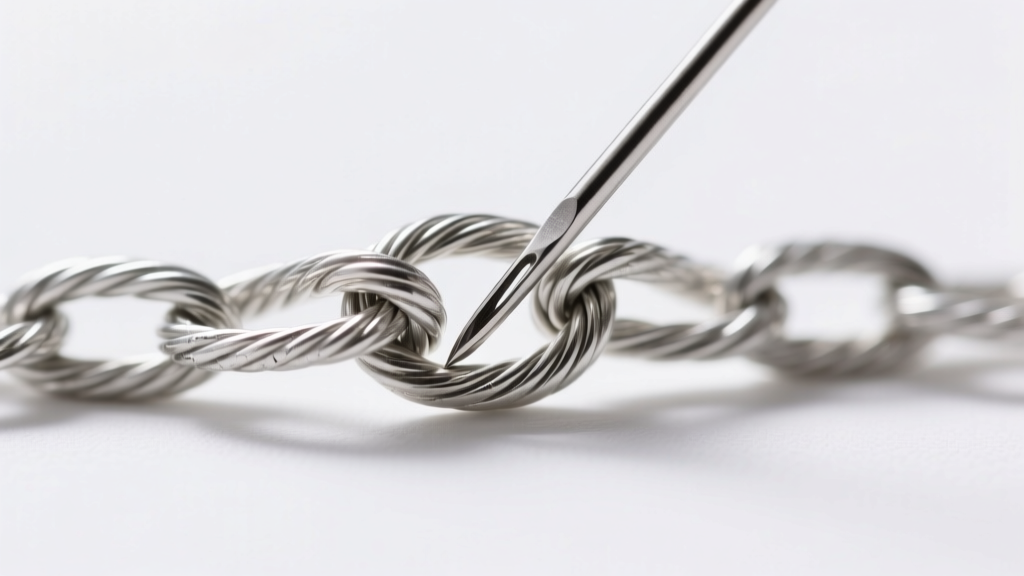
Lay the tangled chain flat on a clean, dark surface (dark backgrounds provide contrast to see the links). Generously dust the knot with unscented baby powder or pure talcum powder. The powder acts as a dry lubricant, coating the metal and eliminating the microscopic friction that keeps the links locked together. Gently massage the powder into the center of the knot using your fingertips, then use a 0.4mm beading needle to tease the center link open.
Method 2: The Olive Oil Soak (For Stubborn Silver Knots)
Sterling silver is prone to oxidation, and tarnished silver creates a 'sticky' surface that grabs onto itself. If powder fails, place the knot in a small dish and apply a single drop of extra virgin olive oil or specialized jewelry lubricant. Let it sit for five minutes. The oil penetrates the microscopic gaps between the links. Use two fine sewing needles, inserting one into each side of the central loop, and gently push them apart in opposite directions.
Method 3: The Glass Surface Trick
Never attempt to untangle a chain on a fabric surface like a towel or your clothing. Fabric fibers catch on the tiny gaps in the chain links, creating secondary tangles. Always work on a piece of smooth glass or a glazed ceramic tile. The hard, frictionless surface allows the chain to slide freely as you manipulate the knot.
Prevention: Keeping the Knot in Necklace Chain Designs Intact
While untangling is a valuable skill, prevention is the hallmark of fine jewelry care. To ensure your gifted knot necklace remains pristine, follow these storage rules:
- The Straw Trick for Travel: Unclasp the chain and thread one end through a standard plastic drinking straw before clasping it shut. This rigid casing makes it physically impossible for the chain to loop back on itself during transit.
- Anti-Tarnish Pouches: Store silver and low-karat gold chains in treated Pacific cloth pouches. By preventing tarnish buildup, you maintain the smooth surface of the links, reducing the friction that leads to knotting.
- Clasp Before Storing: Never store a necklace unclasped in a jewelry box. The loose, open links act like tiny hooks that will inevitably catch on neighboring chains.
Final Thoughts on Knot Gifting
A knot necklace is far more than a simple accessory; it is a wearable promise. Whether you are celebrating a decade of marriage with an interlocking 18k gold love knot or honoring a lifelong friendship with a sterling silver bow knot, understanding the symbolism elevates the gift from beautiful to deeply meaningful. And should the inevitable happen, knowing how to safely and scientifically untangle the chain ensures that the physical piece remains as unbroken as the bond it represents. For more detailed care routines, consult the Blue Nile Jewelry Care Guide to keep your precious metals shining for generations.


