Pearl Necklace Extender Style & 2026 Layering Trends
Discover how the pearl necklace extender became a 2026 layering staple. Explore gauge guides, clasp types, and mixed-media styling frameworks.

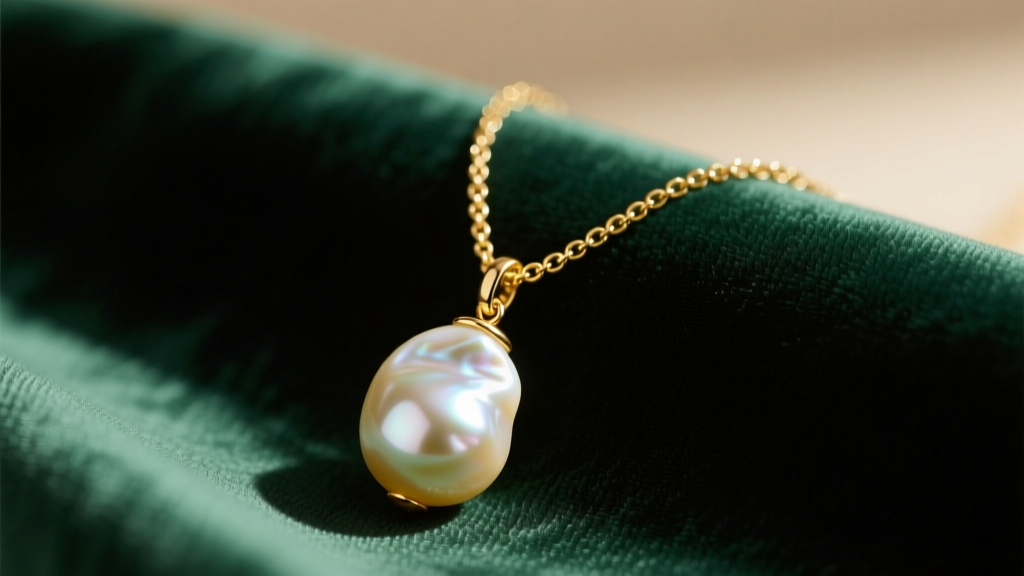
The Evolution: From Hidden Hardware to Hero Piece
For decades, the pearl necklace extender was treated as a purely functional afterthought—a discreet length of chain meant to be hidden beneath the nape of the neck or tucked under a collar. Its sole purpose was to bridge the gap between a choker and a princess-length strand. However, as we navigate the jewelry landscape of 2026, the extender has undergone a radical stylistic renaissance. Driven by the maximalist layering movement and the 'backward-clasp' styling technique, the pearl necklace extender is now a focal point of personal adornment.
Modern style curators are no longer hiding their hardware. Instead, they are utilizing extenders to introduce asymmetrical drops, mixed-metal textures, and adjustable layering frameworks that allow a single pearl strand to transition seamlessly from a daytime crewneck pairing to an evening V-neck drape. Understanding the technical and aesthetic nuances of these components is essential for any serious jewelry collector or stylist.
Technical Specifications: Gauges, Clasps, and Tensile Strength
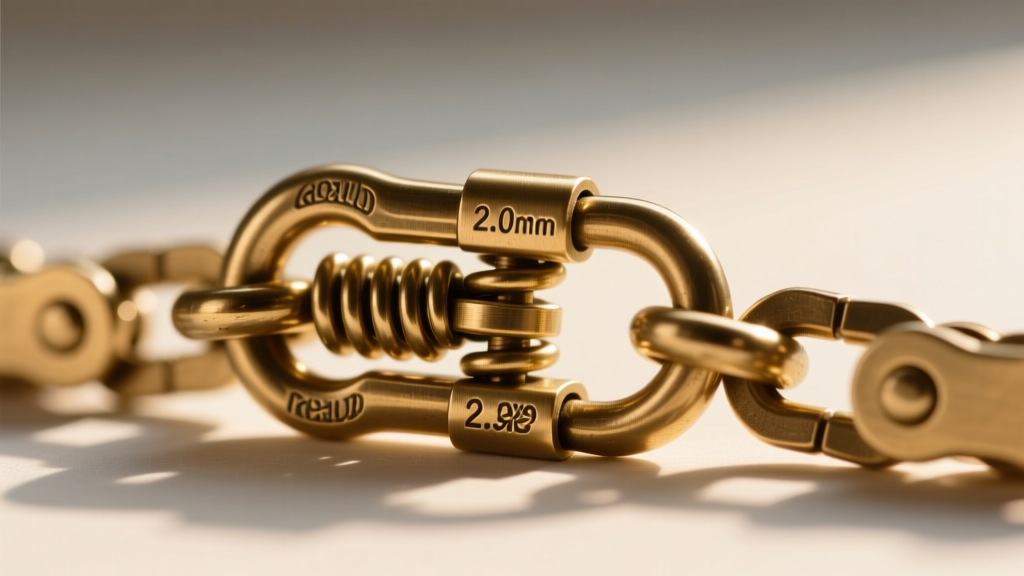
The most common failure point in pearl layering is the extender chain snapping under the dynamic weight of the pearls. A standard 18-inch strand of 7.5mm Akoya pearls weighs approximately 28 grams. When you introduce a 4-inch extender, you alter the leverage and lateral tension placed on the terminal clasps. Using a flimsy 0.8mm cable chain with a standard 5mm spring ring is a recipe for structural failure.
Spring ring clasps are notoriously unreliable for extenders; they require two hands to operate and frequently fail when subjected to lateral pulling. The industry standard for high-quality extenders has shifted toward 12mm to 15mm trigger lobster clasps, which offer a robust internal spring mechanism and a wider jump ring for secure attachment. For accessibility and seamless aesthetic drops, N52-grade neodymium magnetic clasps have emerged as a premium 2026 alternative, providing up to 15 lbs of tensile holding force without the mechanical wear of traditional levers.
Material & Gauge Matrix
Selecting the correct chain gauge is dictated by the density and weight of the pearl strand you intend to extend. Below is a structural framework for pairing pearls with extender hardware.
| Pearl Type & Weight | Min. Chain Gauge | Recommended Clasp | Est. 14k Gold Price |
|---|---|---|---|
| Freshwater (6-7mm, ~20g) | 1.2mm Cable | 10mm Lobster | $85 - $120 |
| Akoya (7-8mm, ~28g) | 1.5mm Rolo | 12mm Lobster | $140 - $210 |
| South Sea (10-12mm, ~45g) | 2.2mm Figaro | N52 Magnetic | $350 - $500+ |
2026 Trend Forecast: Mixed Media and Asymmetrical Drops
The defining pearl necklace extender trend of 2026 is the integration of mixed media and intentional asymmetry. The 'Drop Extender' features a chain that terminates not in a simple ring, but in a vertically hanging gemstone or an oversized baroque Edison pearl. When the necklace is worn with the clasp positioned at the front or side of the neck, this drop creates a striking, asymmetrical Y-silhouette that draws the eye downward.
Mixed metals are also dominating the layering space. Pairing a classic white-gold Akoya strand with an oxidized sterling silver or rose-gold vermeil extender introduces a contemporary edge to heritage pieces. This juxtaposition breaks the formality traditionally associated with pearl jewelry, making it highly adaptable for streetwear and avant-garde editorial styling.
'The modern extender is less about adding inches and more about adding narrative. A diamond-station drop on a gold chain transforms a conservative matinee strand into a bespoke, convertible piece of art.' — Contemporary Jewelry Design Symposium, 2025
The Weight-to-Length Ratio Framework
To achieve the perfect drape, stylists must consider the weight-to-length ratio. The visual impact of a pearl necklace changes drastically depending on where it rests on the sternum. Use this framework to determine your required extender length:
- Choker to Princess (14" to 18"): Requires a 4-inch to 6-inch extender. Ensure the chain gauge is robust, as the sharp angle of a choker places high stress on the connection points when extended.
- Princess to Matinee (18" to 22"): Requires a 2-inch to 4-inch extender. This is the most versatile adjustment range, allowing the pearls to rest elegantly over high-necked blouses or light knitwear.
- Matinee to Opera (22" to 28"): Requires a 6-inch+ extender. For this length, a heavy 2.2mm chain is mandatory to prevent the extender from tangling in the main pearl strand.
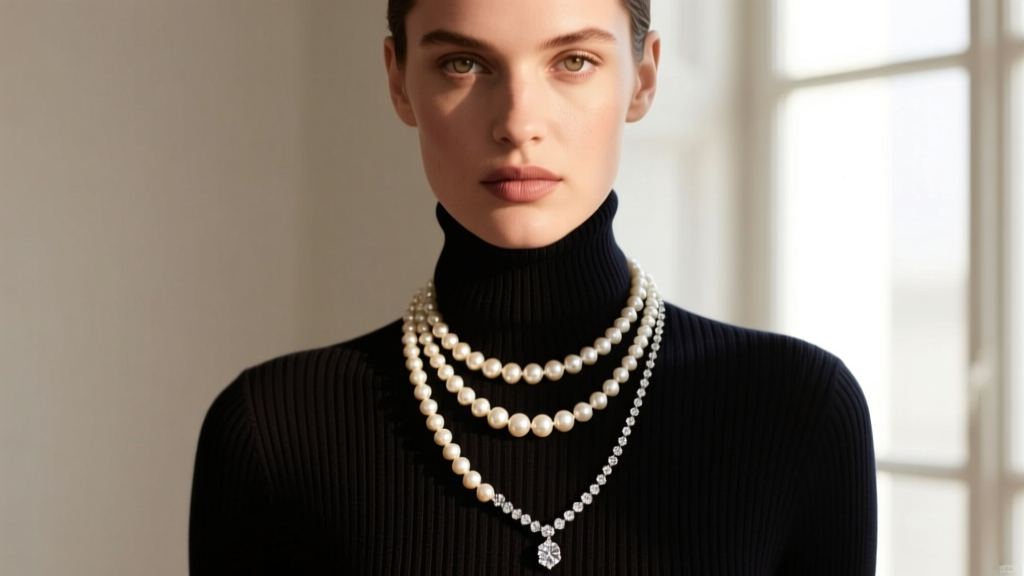
Neckline Pairing Guide for Extended Strands
Mastering the pearl necklace extender requires an understanding of garment architecture. The adjustable nature of the extender allows you to customize the necklace to the exact geometry of your neckline.
The Crewneck: Extend your strand to exactly 18 inches (Princess length). The pearls should rest precisely on the fabric collar, framing the face without overlapping the neckline seam. A simple gold rolo extender works best here, keeping the focus on the uniform pearl strand.
The Deep V-Neck: Utilize the full length of your extender to drop the pearls to 22 inches (Matinee length). The V-shape of the garment mirrors the natural drape of the extended pearls. This is the ideal canvas for a 'Drop Extender' featuring a geometric gemstone station that plunges into the negative space of the V-neck.
The Off-The-Shoulder: Retract the extender entirely to achieve a 14-inch choker fit. The pearls should sit flush against the collarbone, emphasizing the exposed décolletage. Conceal the hardware at the nape of the neck for a clean, uninterrupted line of nacre.
Care and Maintenance of Extender Hardware
Because extenders are frequently manipulated, their hardware is subjected to more mechanical wear than the main body of the necklace. The lobster clasps and jump rings require periodic inspection. According to the Gemological Institute of America (GIA), proper care of pearl jewelry involves keeping the nacre free from oils and cosmetics, but the metal hardware requires a different approach.
While ultrasonic cleaners are highly effective for removing tarnish and debris from 14k gold or platinum extender chains, you must never submerge the pearl strand or a pearl-tipped drop in an ultrasonic bath. The high-frequency vibrations can fracture the nacre or dissolve the epoxy used in half-drilled pearl settings. Instead, detach the extender from the pearl strand. Clean the metal chain and clasp in the ultrasonic bath or with a specialized jewelry polishing cloth, and gently wipe the pearls with a damp, lint-free microfiber towel. As noted by luxury pearl experts at GIA's Pearl Overview, maintaining the structural integrity of the metal findings is just as critical as preserving the luster of the pearls themselves. By investing in high-gauge, precision-crafted extenders, you ensure your layering remains both secure and impeccably styled for years to come.


