Knotted Bead Necklace Guide: Materials, Knots, and Care
Discover everything about the knotted bead necklace. Learn about silk vs. nylon threads, knot spacing, bead types, and essential care tips.

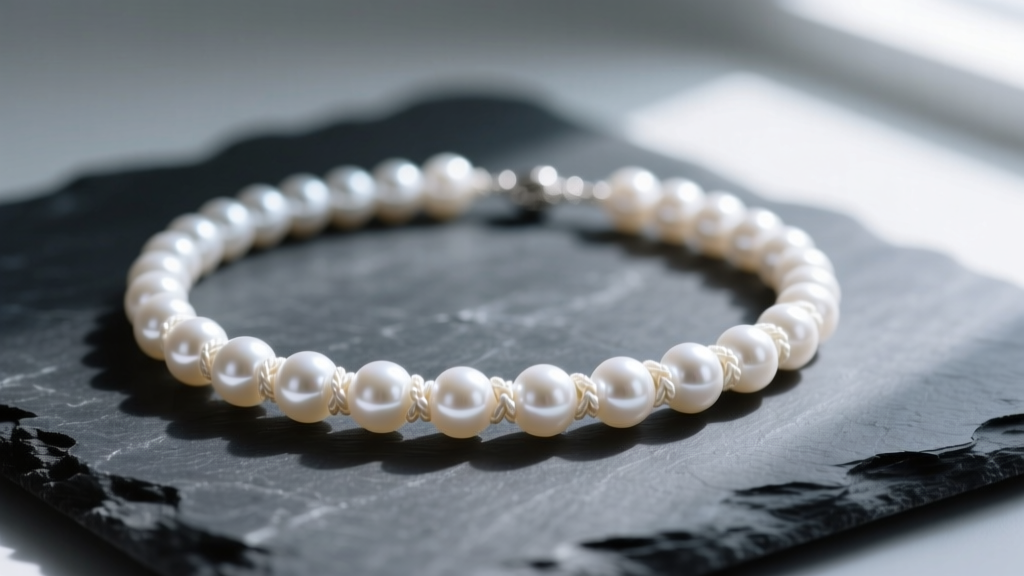
A knotted bead necklace is far more than just a string of decorative spheres. For centuries, the meticulous art of placing a tiny knot between each bead has served as the gold standard in fine jewelry craftsmanship. Whether you are investing in classic Akoya pearls, vibrant semi-precious gemstones, or artisan glass beads, understanding the anatomy, materials, and care requirements of knotted jewelry is essential for any beginner.
In this comprehensive guide, we will break down exactly why knots matter, how to evaluate the quality of a strand, and how to maintain your necklace so it lasts for generations.
The Anatomy of a Knotted Bead Necklace
Before purchasing your first piece, it is crucial to understand what goes into its construction. A high-quality knotted bead necklace relies on three primary structural elements: the thread, the knots themselves, and the clasp assembly.
Why Knots Matter: Protection and Drape
Knots serve two vital functions. First, they act as a security measure. If the thread snaps, the knots prevent the entire strand of beads from scattering across the floor—you will only lose the bead or two nearest to the break. Second, knots prevent bead-on-bead abrasion. Materials like pearls and coral have relatively soft surfaces that can easily scratch or wear down if they constantly rub against one another. Finally, knots add flexibility, allowing the necklace to drape elegantly around the collarbone rather than jutting out rigidly.
Thread Materials: Silk vs. Nylon vs. Wire
The choice of stringing material dictates the lifespan and drape of your necklace. While traditionalists swear by natural fibers, modern synthetics offer superior durability.
| Thread Material | Stretch Factor | Best Bead Type | Restring Interval |
|---|---|---|---|
| 100% Silk (e.g., Griffin) | High (stretches with wear/moisture) | Pearls, lightweight coral, amber | 1 to 2 Years |
| Braided Nylon (e.g., Power Pro) | Low (highly durable, UV resistant) | Glass, crystal, semi-precious stones | 3 to 5 Years |
| Coated Stainless Wire (e.g., Beadalon) | None (rigid, no knots used between beads) | Heavy gemstones, metal beads, sharp-edged stones | 5+ Years (replace if kinked) |
The Clasp Assembly and French Wire
Inspect the area where the thread meets the metal clasp. A properly crafted knotted bead necklace will feature French wire (also known as gimp). This is a microscopic coiled metal spring that the thread passes through before looping through the clasp ring. French wire prevents the metal clasp from sawing through the delicate silk or nylon thread over time. If you see bare thread rubbing directly against a metal jump ring, consider it a red flag for poor craftsmanship.
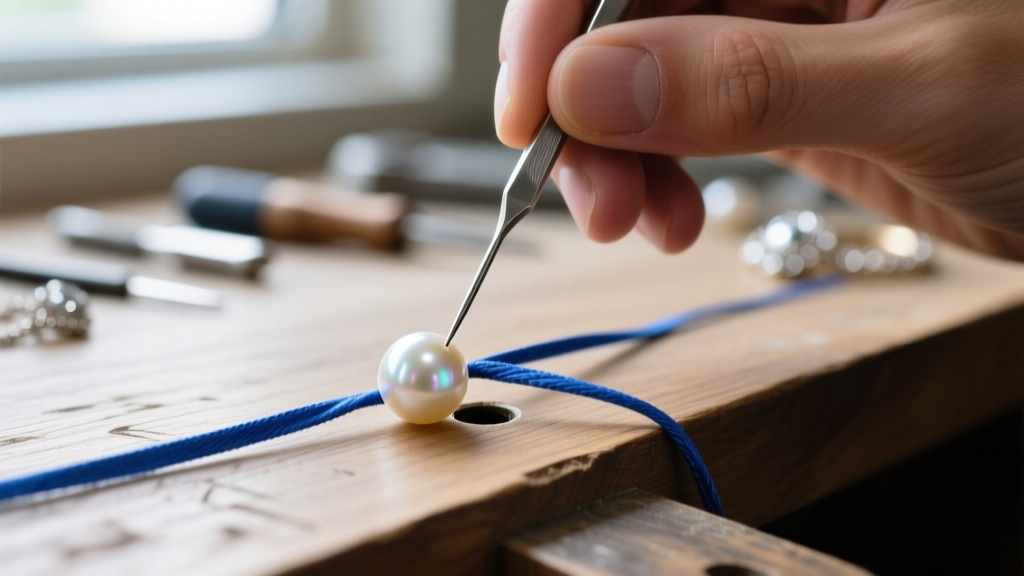
Bead Types and Their Specific Requirements
Not all beads are created equal, and their physical properties dictate how they should be knotted. According to the Gemological Institute of America (GIA), understanding the Mohs hardness scale of your beads is critical for long-term preservation.
Pearls: The Classic Standard
Pearls rank between 2.5 and 4.5 on the Mohs hardness scale, making them exceptionally soft. A knotted bead necklace featuring pearls should always use silk thread. The silk is gentle on the nacre and won't enlarge the drill holes over time. Standard pearl drill holes range from 0.5mm to 0.7mm, requiring fine silk threads (like Griffin Size 2 or 4) and specialized twisted wire needles for stringing.
Gemstones: Weight and Abrasion
Semi-precious stones like amethyst, quartz, or turquoise are heavier and harder (Mohs 6.5 to 7). While they don't scratch each other as easily as pearls, their weight puts immense strain on the thread. For gemstone strands, jewelers often use braided nylon or coated wire. If knots are used between heavy gemstones, they must be pulled exceptionally tight to prevent the heavy beads from sliding and creating unsightly gaps.
How to Evaluate Quality When Buying
When shopping for a knotted bead necklace, use this quick checklist to assess the craftsmanship before making a purchase:
- Check Knot Tightness: Gently pull the necklace taut. The knots should be snug against the beads. If you see more than a millimeter of exposed thread between the knot and the bead, the stringing was done poorly or the thread has prematurely stretched.
- Inspect the Drill Holes: Look closely at the edges of the bead holes. They should be smooth and clean. Jagged or chipped drill holes will eventually act like tiny knives, fraying the thread from the inside out.
- Examine the Clasp: A sturdy lobster clasp or a box clasp with a safety figure-eight latch is ideal. Avoid cheap spring-ring clasps on heavy strands, as the internal springs frequently fail.
- Verify the Knot Consistency: Every knot on the strand should be roughly the exact same size. Inconsistent knotting indicates rushed handiwork or the use of improper tools (like a bead awl instead of proper knotting tweezers).
Pro Tip: If you are buying a vintage knotted bead necklace, assume the thread is compromised. Natural fibers degrade over decades due to skin oils, perfume exposure, and ambient humidity. Always factor the cost of a professional restringing (typically $50 to $150 depending on the strand length and knot complexity) into your vintage purchase budget.
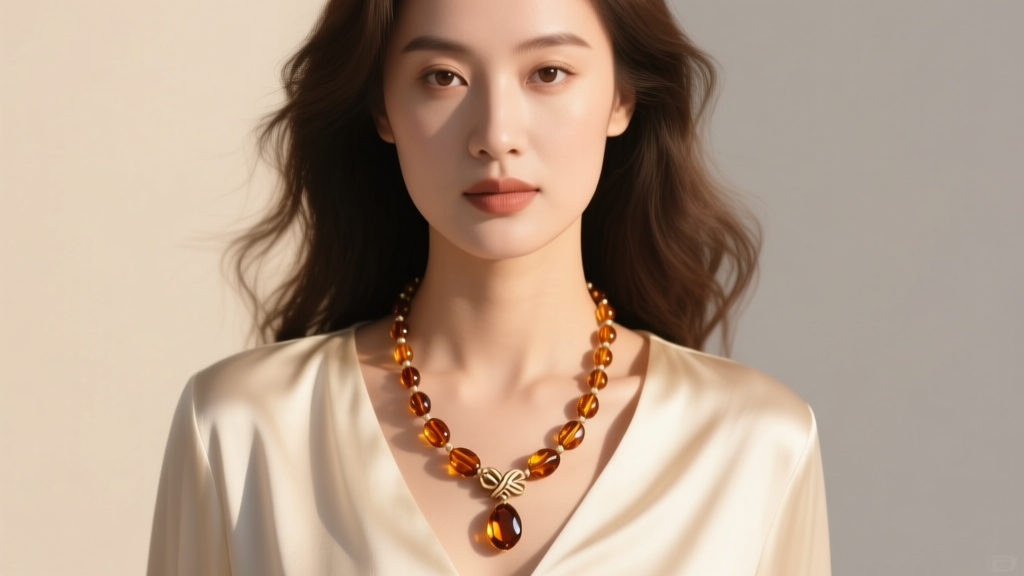
Styling and Layering Your Knotted Pieces
The beauty of a knotted bead necklace lies in its versatility. Because the knots provide structural flexibility, these necklaces conform beautifully to various necklines.
Length Matters
- Choker (14-16 inches): Best worn with V-necks, scoop necks, or off-the-shoulder tops. A tightly knotted pearl choker draws immediate attention to the face and collarbone.
- Princess (18 inches): The most universal length. It sits perfectly on the collarbone and pairs effortlessly with both casual button-down shirts and formal evening wear.
- Matinee (20-24 inches): Ideal for business attire and high-necked blouses. The knots add visual texture that breaks up solid blocks of fabric.
Mixing Textures
In 2026, the trend of mixing organic and inorganic materials is thriving. Try layering a delicate, tightly knotted freshwater pearl strand with a thicker, unknotted oxidized silver chain. The contrast between the soft, knotted organic beads and the hard, industrial metal creates a highly curated, modern aesthetic.
Essential Care and Maintenance
Proper care will significantly extend the life of your jewelry. The Jewelers of America recommends specific protocols for strung jewelry to prevent catastrophic thread failure.
The Golden Rules of Knotted Jewelry Care
- Never Wear It Wet: Water is the enemy of silk thread. When silk gets wet, it stretches and weakens. If you shower or swim while wearing a silk-knotted pearl necklace, the thread will stretch out, leaving permanent gaps between your beads once it dries. Always wait for lotions and perfumes to dry completely before putting your necklace on.
- Store Flat, Never Hung: Hanging a knotted bead necklace on a jewelry tree or hook puts constant gravitational stress on the thread, accelerating stretching. Always store your necklaces flat in a soft pouch or a lined jewelry box.
- Clean Gently: Never use ultrasonic cleaners or harsh chemical dips on knotted jewelry. Instead, wipe the beads gently with a soft, slightly damp microfiber cloth after each wear to remove skin oils and acids that can degrade both the beads and the thread.
Conclusion
A knotted bead necklace is a testament to traditional jewelry making, blending aesthetic elegance with vital structural protection. By understanding the differences between silk and nylon, knowing how to inspect a clasp for French wire, and adhering to strict care guidelines, you can confidently invest in pieces that will remain staples in your wardrobe for decades. Whether you choose classic white pearls or vibrant, earthy amber, the meticulous art of knotting ensures your treasure remains secure and beautifully draped.


