The Ultimate Silicone Necklace Guide: Grades, Durometer & Safety
Discover the technical specs of medical-grade silicone necklaces. Learn about durometer ratings, tensile strength, and safety breakaway clasps.

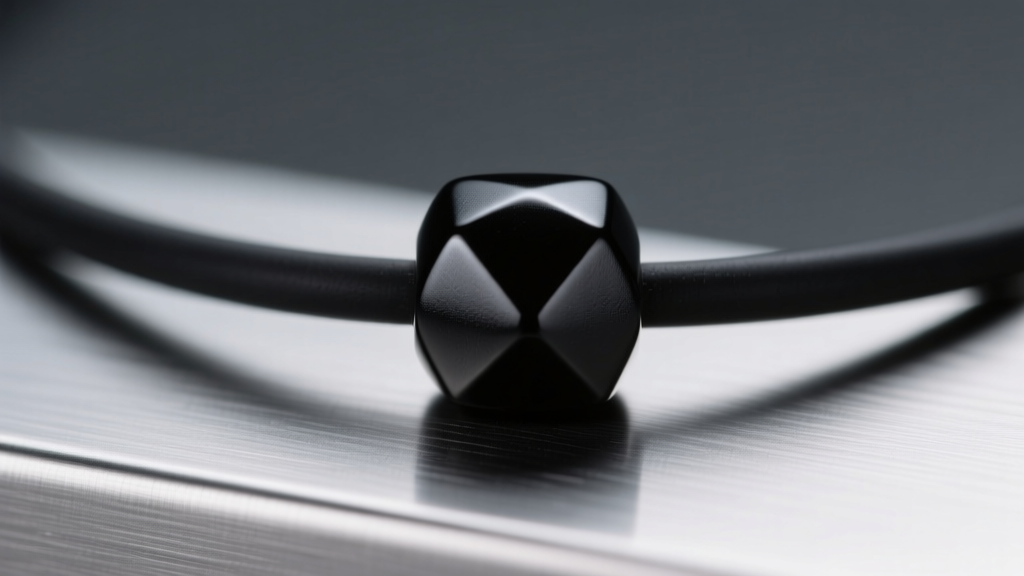
Introduction to Polysiloxane Chains in Wearables
When evaluating a silicone necklace, consumers and designers alike must look past the superficial aesthetics and examine the underlying polymer chemistry. Silicone is not a plastic; it is a synthetic elastomer characterized by a siloxane backbone (alternating silicon and oxygen atoms) with organic side groups, typically methyl. This unique inorganic-organic hybrid structure grants silicone its exceptional thermal stability, UV resistance, and biocompatibility. However, not all silicone jewelry is created equal. The market is flooded with industrial-grade knockoffs that compromise safety and longevity. This technical deep dive dissects the material science, durometer engineering, and safety mechanics that define a high-performance, medical-grade silicone necklace.
Medical-Grade vs. Industrial Silicone: The Curing Divide
The most critical differentiator in silicone jewelry manufacturing is the curing agent used to crosslink the polymer chains. Industrial silicone typically relies on peroxide curing (free radical vulcanization). While cost-effective, peroxide curing leaves behind acidic byproducts and residual volatiles that can cause contact dermatitis and emit a distinct, unpleasant odor. To neutralize these byproducts, manufacturers must employ extensive post-baking cycles, which are often skipped in cheap jewelry production.
Conversely, premium silicone necklaces utilize platinum-catalyzed curing (addition curing). This process yields a completely clean crosslinking reaction with zero toxic byproducts. Platinum-cured silicone is inherently FDA-compliant for food and medical contact, hypoallergenic, and highly resistant to yellowing. According to the FDA's guidelines on medical device materials, platinum-cured silicones are the standard for implantable and prolonged-contact medical devices, making them the only acceptable choice for wearable jewelry that rests against the skin for extended periods.
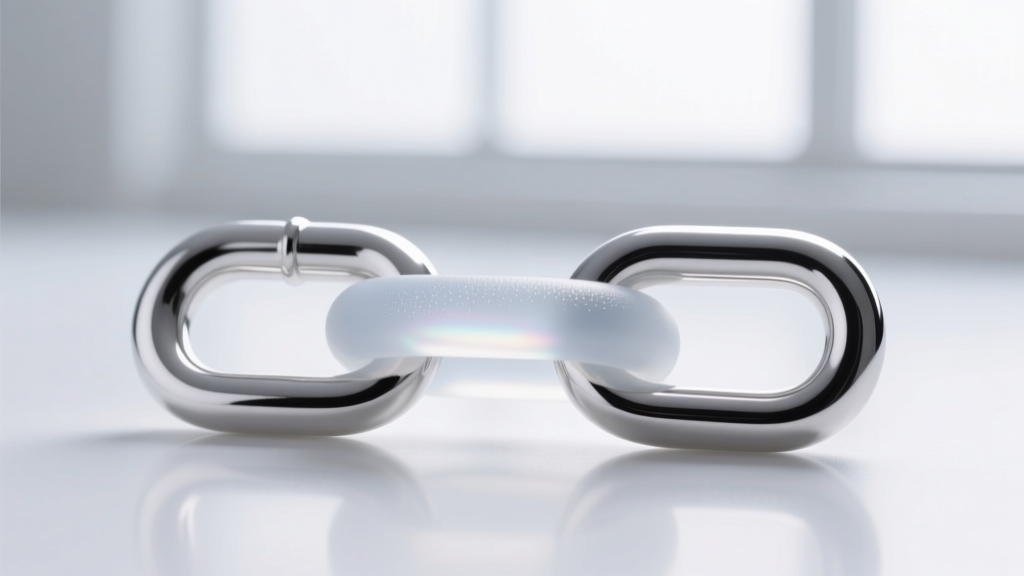
Durometer Ratings: Selecting the Right Shore A Hardness
The tactile experience and structural integrity of a silicone necklace are dictated by its durometer, measured on the Shore A scale. The Shore A scale quantifies the material's resistance to indentation. Selecting the incorrect hardness can result in a necklace that is either uncomfortably rigid or too pliable to maintain its shape under the weight of a pendant.
| Shore A Rating | Tactile Equivalent | Primary Jewelry Application | Tensile Strength (Approx.) |
|---|---|---|---|
| 10A - 20A | Soft gummy candy | Sensory chewables (high flexibility) | 4 - 6 MPa |
| 30A - 40A | Standard pencil eraser | Teething beads, everyday pendants | 7 - 9 MPa |
| 50A - 60A | Car tire tread | Athletic dog tags, heavy chains | 9 - 11 MPa |
| 70A - 80A | Hard shoe heel | Rigid structural components, clasps | 10 - 12 MPa |
For a standard adult silicone necklace designed for daily wear, a 40A to 50A durometer provides the optimal balance of skin-comfort and structural rigidity. Sensory necklaces designed for neurodivergent stimulation often utilize a dual-durometer molding process, combining a 60A outer shell for durability with a 20A inner core for satisfying tactile feedback.
Tensile Strength and Breakaway Safety Mechanisms
While silicone itself boasts impressive tensile strength (often exceeding 10 MPa, or roughly 1,450 PSI), the true engineering challenge lies in the intentional failure points. The FDA has issued strict warnings regarding the strangulation and choking hazards associated with continuous-loop necklaces, particularly those marketed for teething or sensory use. Therefore, any reputable silicone necklace must integrate an engineered breakaway clasp.
Calculating Load-Bearing Limits
A safety breakaway clasp is designed to separate when subjected to a specific threshold of tensile force, preventing asphyxiation if the necklace becomes snagged. Compliance with ASTM F2923 (the standard specification for consumer product safety for children's jewelry) dictates that breakaway mechanisms should release between 11 and 15 pounds of force (lbf).
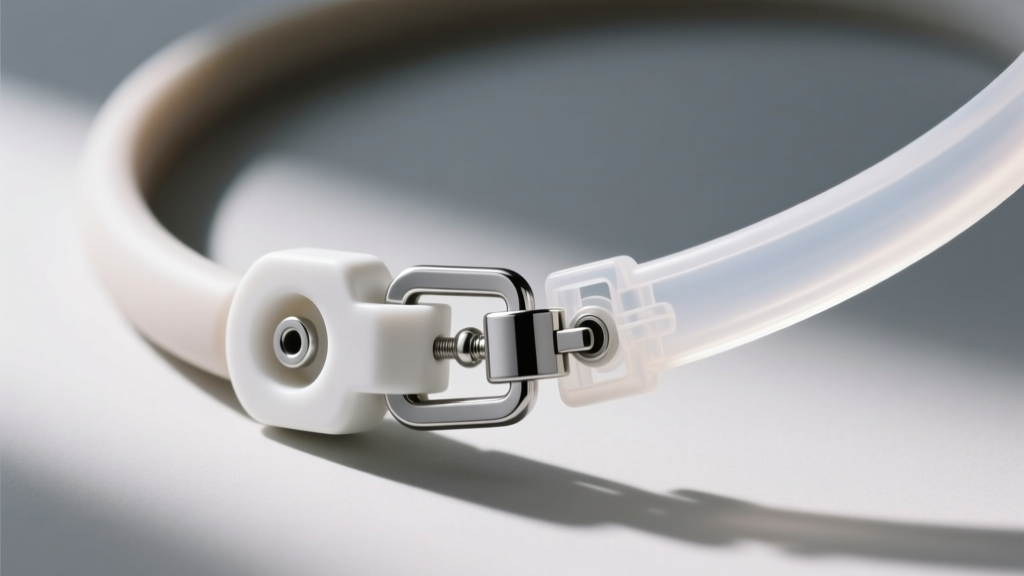
Engineering Note: The breakaway clasp must be tested for cyclic fatigue. A high-quality acetal (POM) plastic breakaway clasp should withstand 500+ cycles of standard wear-and-tear (pulls under 5 lbf) without degrading its ultimate release threshold of 11-15 lbf.
Designers must ensure that the silicone cord threading through the clasp does not exceed the clasp's internal diameter tolerance, as friction burns on the silicone can create micro-fissures that alter the breakaway release weight.
Environmental Stress and Failure Modes
Silicone is highly inert, but it is not invincible. Understanding the failure modes of a silicone necklace is crucial for long-term maintenance. The primary vulnerability of polysiloxane chains is their susceptibility to non-polar solvents.
- Sebum and Lipid Accumulation: Human skin oils (sebum) are non-polar. Over months of continuous wear, sebum can penetrate the silicone matrix, causing the polymer to swell slightly and lose its original durometer hardness.
- Essential Oils and Lotions: Direct application of citrus-based essential oils or heavy lipid lotions can accelerate polymer degradation, leading to a sticky, tacky surface texture.
- Micro-tearing at Stress Points: If the silicone is pierced by a standard metal jump ring without a protective TPU (thermoplastic polyurethane) washer, the cyclic loading of the pendant will eventually cause the silicone to tear.
Sterilization and Maintenance Protocols
One of the paramount advantages of platinum-cured silicone is its thermal stability, allowing for rigorous sterilization protocols that would melt traditional plastics. For healthcare workers, athletes, or individuals requiring strict hygiene, a silicone necklace can be fully sanitized without degrading the material.
Recommended Sterilization Methods:
- Autoclaving: Medical-grade silicone can withstand steam sterilization at 121°C (250°F) for 15 to 20 minutes. This is the gold standard for complete pathogen elimination.
- Boiling: Submerging the silicone components (excluding the breakaway clasp and metal hardware) in rolling boiling water (100°C) for 10 minutes effectively neutralizes most common bacteria and viruses.
- Chemical Wiping: 70% Isopropyl alcohol (IPA) is safe for occasional surface wiping. However, prolonged soaking in IPA can extract the plasticizers and cause the silicone to become brittle over time.
By understanding the precise chemical composition, Shore A hardness requirements, and mechanical safety thresholds, consumers and designers can confidently select or engineer a silicone necklace that is not only aesthetically pleasing but structurally sound and biologically safe for prolonged dermal contact.


