Upside Down Cross Necklace Guide: Fix Flipping, Tarnish & Breakage
Solve common upside down cross necklace problems. Learn how to stop pendant flipping, prevent chain breakage, and choose tarnish-resistant metals.

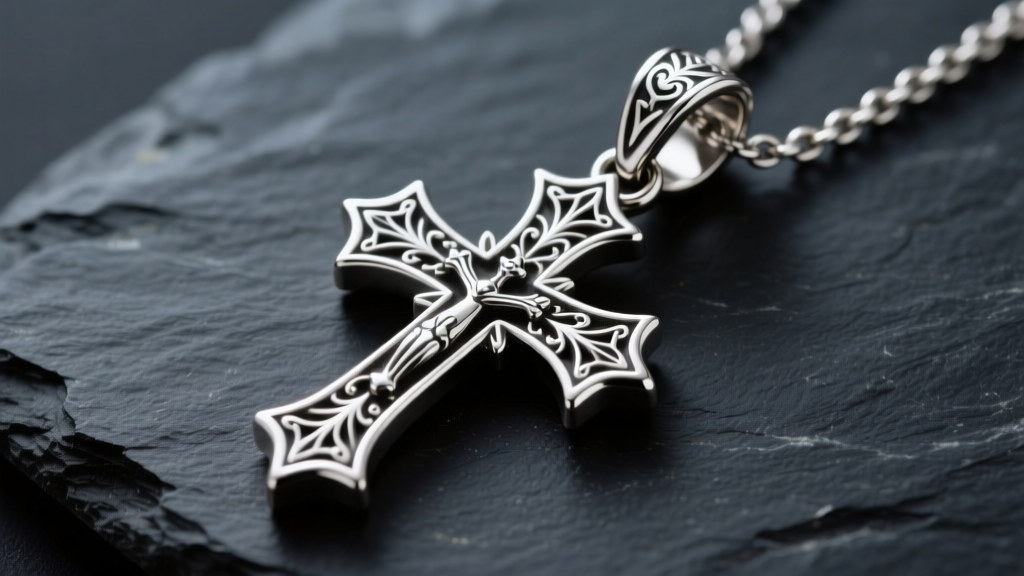
The Structural Anatomy of the Upside Down Cross
The upside down cross necklace—historically recognized as the Cross of Saint Peter (or Petrine Cross)—is a staple in both religious humility and alternative gothic fashion. However, its distinct anatomy creates unique structural headaches for the wearer. Unlike a traditional Latin cross where the mass is somewhat evenly distributed, the upside down cross features its horizontal crossbar near the bottom of the pendant. This design makes the piece inherently bottom-heavy.
This skewed center of gravity leads to three primary mechanical issues: the pendant sliding off-center along the chain, backward flipping (resting face-inward against the chest), and premature chain wear due to pendulum torque. Furthermore, the alternative jewelry market is flooded with poorly cast pieces that exacerbate these problems. In this comprehensive troubleshooting guide, we will break down the exact physics of these failures and provide actionable, jeweler-grade solutions to fix them.
The Physics of Pendant Migration and Flipping
To solve the flipping issue, you must understand the pivot point: the bail (the loop at the top of the pendant). If the bail's inner diameter is 4.0mm but your chain is only 1.5mm thick, the pendant has 2.5mm of lateral play. Because the bottom crossbar is heavy, gravity pulls it downward and outward. As you move, the pendant slides along the chain's curve until it rests awkwardly in the hollow of your collarbone rather than sitting dead-center on your sternum.
Additionally, if the bail was cast with a slight asymmetry or if the jump ring connecting the bail to the chain is too large, the pendant will rotate on its Z-axis, flipping backward so the smooth, unadorned back of the cross faces outward. This is especially common with flat, 2D gothic cross designs that lack a contoured back to grip the skin or clothing.
Actionable Fixes for Rotation and Sliding
Do not throw away a perfectly good pendant. Use these targeted troubleshooting methods to stabilize the piece:
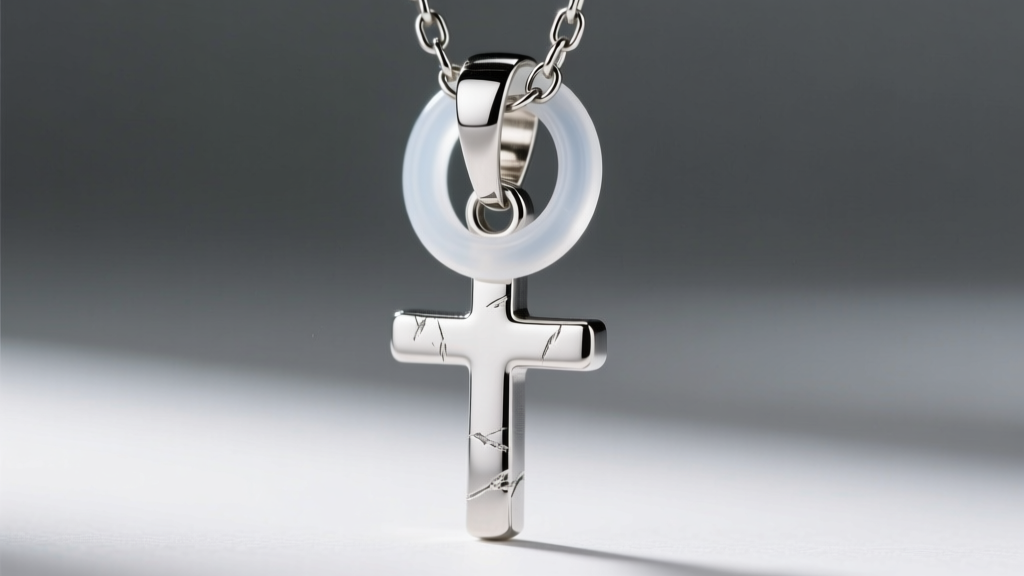
- The Silicone O-Ring Method: Purchase a pack of 2mm inner-diameter, 1mm-thickness clear silicone O-rings (available at any hardware or jewelry supply store). Thread the O-ring onto the chain, then slide the pendant bail over it. The high-friction silicone grips the metal chain, eliminating lateral play and locking the heavy bottom bar in the center of your chest.
- Bail Soldering / Jump Ring Reduction: Take the necklace to a local bench jeweler and ask them to 'size the bail.' They can solder a smaller, 2.0mm inner-diameter jump ring inside the existing bail, or add a tiny metal bead inside the bail loop to reduce the gap between the chain and the pendant.
- Upgrading Chain Thickness: If your pendant bail is 3.5mm wide, you should be wearing a chain that is at least 3.0mm thick. A thicker chain naturally fills the void in the bail, preventing the pendant from sliding side-to-side.
Material Failures: Tarnish, Rust, and Skin Reactions
A secondary, yet equally frustrating, problem is material degradation. Many mass-market alternative brands produce upside down crosses using cheap zinc alloys or brass, finished with a microscopic 'flash' plating of silver or black ruthenium. This plating is often less than 0.05 microns thick. Within weeks, the friction from your chest and the acidity of your sweat wear through the plating, exposing the base metal. This results in green skin discoloration, contact dermatitis, and irreversible pitting.
According to metallurgical standards referenced by the Gemological Institute of America (GIA), jewelry meant for daily chest wear must meet specific corrosion-resistance thresholds. Below is a troubleshooting matrix to help you identify your current metal and decide if it requires replacement.
| Material Grade | Tarnish Resistance | Skin Reaction Risk | Best Use Case |
|---|---|---|---|
| 316L Surgical Steel | Excellent (No tarnish) | Very Low (Hypoallergenic) | Heavy, gothic daily-wear pieces |
| 925 Sterling Silver | Moderate (Requires polishing) | Low (Unless mixed with nickel) | Intricate, high-detail castings |
| Solid 14k / 18k Gold | Excellent | None | Heirloom and luxury minimalist pieces |
| Zinc Alloy / Pewter | Poor (Pits and corrodes) | High (Nickel/Copper exposure) | Avoid for direct skin contact |
The Fix: If your current upside down cross is turning your skin green, it is a zinc/copper alloy. You can temporarily seal it by painting the back of the pendant with clear polyurethane nail polish, but the ultimate solution is to upgrade to solid 316L stainless steel or rhodium-plated 925 sterling silver.
Chain Breakage: Matching Gauge to Pendant Weight
Bottom-heavy pendants act like a pendulum. When you walk, run, or lean over, the heavy crossbar swings, generating kinetic torque that multiplies the static weight of the pendant by a factor of 2x to 3x at the bail connection point. A common and costly mistake is pairing a heavy, 15-gram cast metal upside down cross with a delicate 1.0mm (18-gauge) box chain.
Box chains are notoriously weak at their 90-degree solder joints. Under the dynamic torque of a swinging, asymmetrical pendant, these joints will fatigue and snap, often resulting in the loss of the pendant. Industry guidelines from Rio Grande jewelry supply emphasize matching chain tensile strength to pendant mass.
The Heavy Pendant Chain Rule
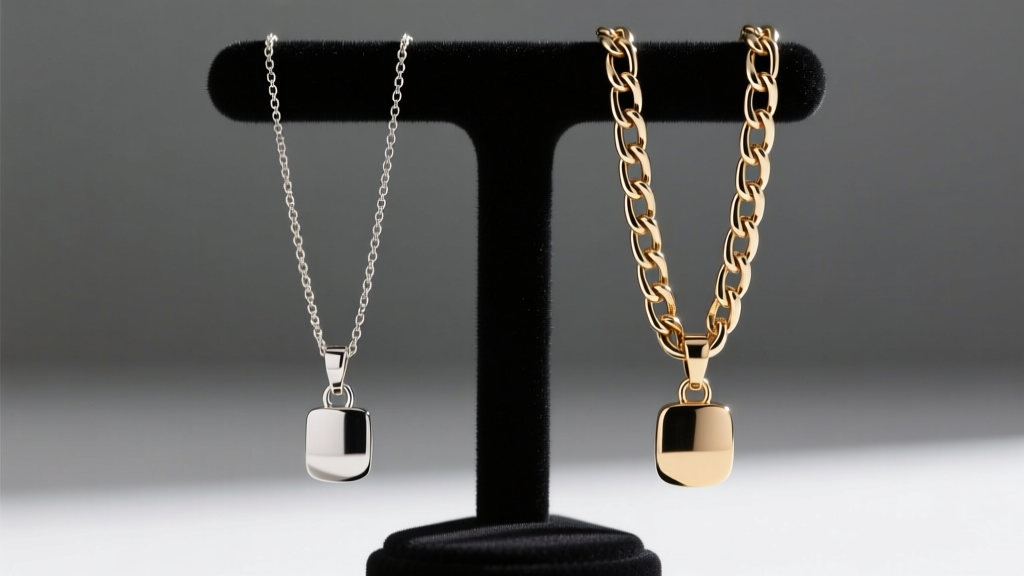
For an upside down cross weighing between 10 and 20 grams, you must abandon box and snake chains entirely. Instead, opt for chains that distribute tension across interlocking links without relying on microscopic solder points:
- Curb Chains (1.6mm to 2.5mm / 14-gauge to 10-gauge): The flat, interlocking links lay flush against the chest and offer immense tensile strength.
- Rope Chains (2.0mm+): The twisted link pattern provides excellent flexibility and high break-resistance, though they can occasionally catch on chest hair.
- Figaro Chains (2.0mm+): Offers a great alternative aesthetic that pairs well with the edgy, asymmetrical vibe of the Petrine cross while maintaining structural integrity.
Navigating Symbolism and Professional Environments
Troubleshooting an upside down cross necklace isn't strictly mechanical; it often involves social and professional navigation. While the Cross of Saint Peter represents profound humility and unworthiness to be crucified in the same manner as Christ in Catholic tradition, modern pop culture has heavily co-opted the symbol for gothic, heavy metal, and horror aesthetics.
If you work in a conservative corporate environment or a client-facing role, wearing a large, oxidized black silver upside down cross can lead to misunderstandings or violate strict dress codes. The Solution: Opt for a 'minimalist' or 'micro' version of the pendant (under 15mm in length) crafted in high-polish silver or gold, and wear it on a shorter 16-inch or 18-inch chain so it rests near the collarbone rather than the sternum. This allows you to tuck the piece discreetly under a button-down shirt or blouse during meetings, while still keeping the meaningful symbol close to you.
Final Maintenance Checklist for Oxidized Pieces
Many upside down crosses feature intentional oxidation (blackening) in the crevices to highlight the gothic or ornate detailing. A critical mistake owners make is dropping these pieces into an ultrasonic jewelry cleaner or using harsh chemical silver dips. The high-frequency vibrations and acidic baths will strip the intentional patina, leaving you with a flat, overly shiny piece that loses its depth and contrast.
Proper Cleaning Protocol: Mix a few drops of mild, phosphate-free dish soap into warm water. Use a soft horsehair detailing brush to gently agitate the dirt from the crevices. Rinse with distilled water (to prevent hard water spotting) and pat dry with a microfiber cloth. When polishing the high spots, use a treated silver polishing cloth, but carefully avoid rubbing the recessed areas where the dark oxidation lives.


