The K-Pop Demon Hunters Necklace: A Technical Material Guide
An expert technical deep dive into the k pop demon hunters necklace, analyzing metal grades, chain gauges, oxidation techniques, and premium sourcing.

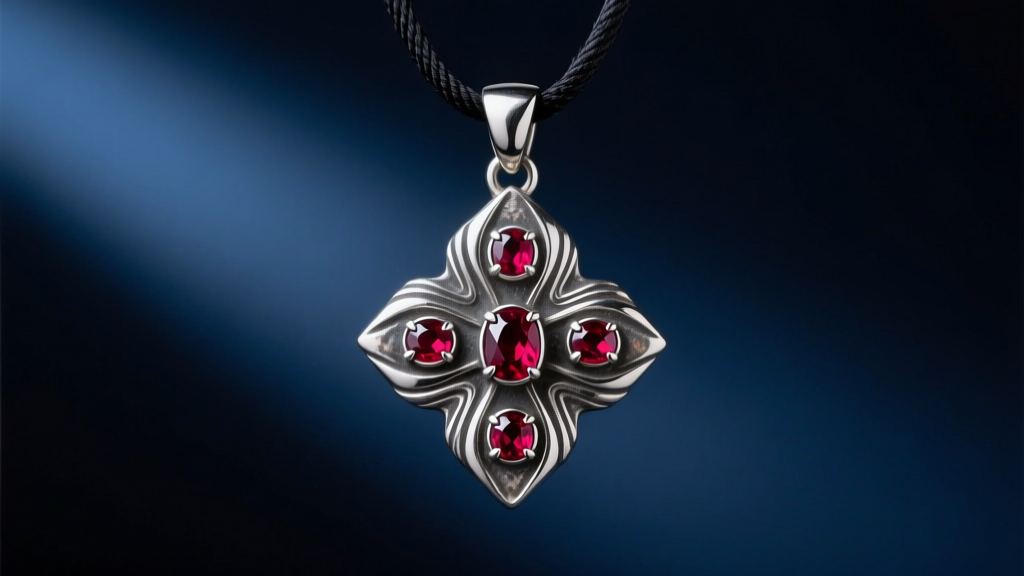
The intersection of K-pop conceptual lore and high-end fandom jewelry has created a massive secondary market for screen-accurate replicas. Among the most highly sought-after pieces in 2026 is the k pop demon hunters necklace, an intricate talisman pendant featured in recent dystopian concept trailers and webtoon crossover promotions. While official merchandise often relies on mass-produced base metals, a growing community of collectors and custom silversmiths are re-engineering this piece using fine jewelry manufacturing standards.
This expert deep dive bypasses the hype and examines the technical specifications, metallurgy, and structural integrity required to produce or source a premium version of this iconic necklace.
The Anatomy of the Pendant: Metallurgy and Casting
The defining feature of the demon hunter talisman is its layered, rune-carved aesthetic. To achieve this without the piece feeling like a heavy lead weight, the manufacturing method is just as critical as the material itself.
925 Sterling Silver vs. Zamak Alloy
Cheap, dropshipped replicas are typically die-cast using Zamak (a zinc alloy with aluminum, magnesium, and copper). While Zamak allows for sharp detail in mass production, it is brittle, prone to snapping at the bail, and often contains nickel, which triggers contact dermatitis. Premium custom makers utilize lost-wax casting in 925 sterling silver. According to The Silver Institute, the addition of 7.5% copper in sterling silver provides the necessary tensile strength for intricate, thin-walled designs while maintaining the hypoallergenic properties required for daily wear.
The Bail and Jump Ring Mechanics
The most common failure point in heavy fandom pendants is the bail (the loop connecting the pendant to the chain). Screen-accurate replicas often feature an oversized, fixed European bail. For a pendant weighing between 18 and 24 grams, the jump ring connecting the bail to the chain must be soldered. An unsoldered 20-gauge jump ring will inevitably pull apart under the kinetic stress of daily movement. Expert jewelers will use a minimum 16-gauge wire for the primary structural jump rings.
Chain Gauge and Tensile Strength
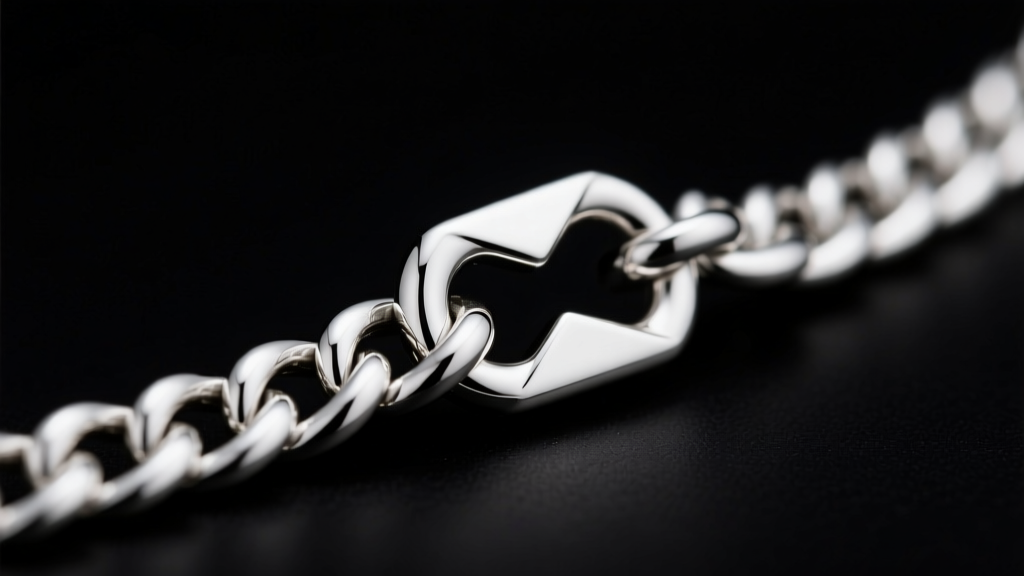
A heavy, oxidized silver pendant will instantly snap a standard 1.2mm cable chain. The visual weight of the demon hunter aesthetic also demands a thicker chain profile. When sourcing or commissioning this necklace, pay strict attention to the chain specifications.
| Chain Style | Recommended Gauge (mm) | Weight Capacity | Aesthetic Match |
|---|---|---|---|
| Curb Chain | 2.5mm - 3.0mm | Up to 35g | Excellent (Industrial/Hunter vibe) |
| Figaro Chain | 2.0mm - 2.5mm | Up to 25g | Good (Adds vintage texture) |
| Box Chain | 1.5mm - 2.0mm | Up to 15g | Poor (Too modern/delicate) |
| Rope Chain | 2.0mm - 2.5mm | Up to 30g | Good (High light reflection) |
Furthermore, the clasp must be upgraded. Standard spring-ring clasps are insufficient for chains over 2.0mm. A heavy-duty lobster clasp with a reinforced lever mechanism is mandatory to prevent accidental unclasping.
The Art of Artificial Aging: Oxidation and Patina
The 'ancient relic' look of the demon hunter pendant is achieved through chemical oxidation. This is not merely painted on; it is a permanent chemical alteration of the silver's surface.
Liver of Sulfur (Potassium Polysulfide)
Master jewelers use a liver of sulfur solution to rapidly tarnish the sterling silver, turning the entire piece black. The piece is then polished using a rotary tool with a silicone abrasive tip, removing the black oxidation from the high points and leaving it trapped in the recessed runes and carvings. This creates a stark, high-contrast 3D effect that paint or enamel cannot replicate.
Expert Insight: 'Beware of replicas that use black rhodium plating or acrylic paint for the recessed areas. Paint will chip within weeks of friction against clothing, and black rhodium will eventually wear off the high points in an uneven, splotchy manner. True liver of sulfur oxidation penetrates the metal and wears naturally over time.' — Custom Fandom Silversmithing Guide, 2025
For a comprehensive guide on how professionals control this chemical reaction, refer to the technical oxidation articles on Ganoksin, the industry standard for jewelry manufacturing techniques.
Gemstone and Enamel Accents
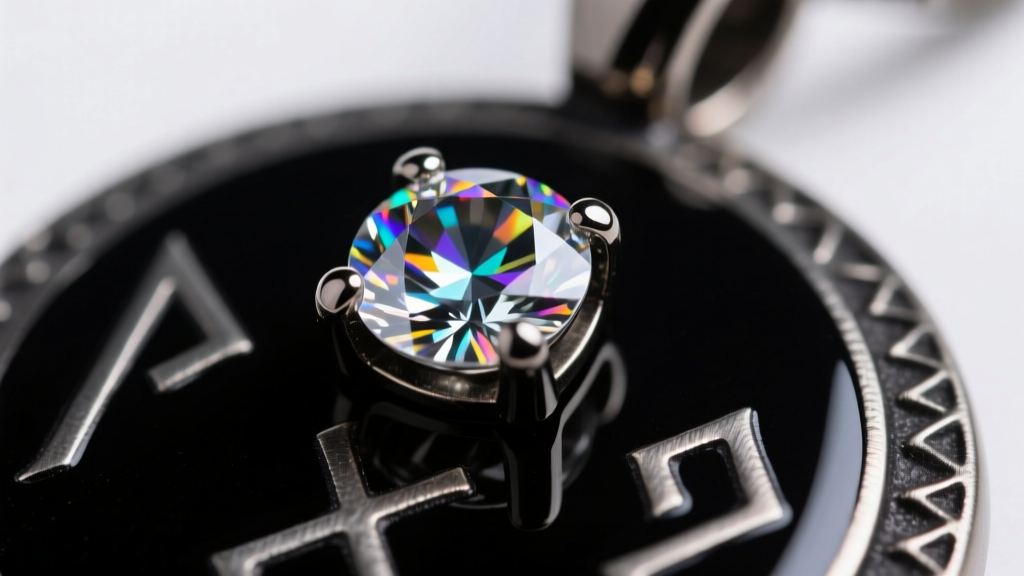
The central 'eye' or core of the demon hunter pendant typically features a deep red or black gemstone, surrounded by dark inlay. As of 2026, the shift toward lab-grown stones has revolutionized high-end replica jewelry, allowing for flawless clarity at a fraction of the cost of mined stones.
Lab-Grown Spinel vs. Glass
Cheap replicas use dyed glass or cubic zirconia (CZ). While CZ is durable, it has a high dispersion (rainbow flash) that looks unnatural in a dark, moody pendant. Lab-grown red spinel is the superior choice. According to the GIA Gem Encyclopedia, spinel has a refractive index that provides a deep, velvety red glow without the excessive 'disco ball' flash of CZ. It is also typically set in a bezel or flush setting to prevent the prongs from snagging on clothing.
Vitreous Enamel vs. Epoxy Resin
The black inlay surrounding the central stone should be vitreous enamel (glass fused to metal at 1400°F), not cold epoxy resin. Epoxy will yellow, scratch, and eventually pop out of the setting due to temperature fluctuations. Vitreous enamel is permanent, scratch-resistant, and maintains a glass-like luster indefinitely.
Sourcing: Official Merch vs. Custom Silversmiths
When adding this piece to your collection, you generally have two routes:
- Official Label Merch ($45 - $85): Usually cast in brass with a thin silver or rhodium plating. The oxidation is often faux (painted), and the chains are lightweight aluminum or plated steel. Good for casual cosplay, but poor for longevity.
- Custom Silversmith Replicas ($150 - $350): Commissioned from independent jewelers on platforms like Etsy or Instagram. These are solid 925 silver, feature genuine liver of sulfur oxidation, use lab-grown spinel, and come with properly gauged curb chains. This is the only route for a piece that will last a lifetime.
Care and Maintenance for Oxidized Silver
Maintaining the high-contrast look of an oxidized pendant requires specific care. Never use liquid silver dip cleaners (like Tarn-X). These harsh acids will strip the intentional black oxidation from the recesses, leaving you with a flat, entirely white silver pendant and ruining the 3D effect.
Instead, clean the piece using a soft, dry microfiber cloth. If the pendant accumulates oils or lotions, wash it gently with warm water and a drop of mild dish soap, using a soft-bristled baby toothbrush to clean around the gemstone setting. Dry it immediately and thoroughly. Over years of wear, the high points may naturally tarnish again; a jeweler can easily re-polish and re-oxidize the piece to restore its original factory contrast.


