2026 Hip Hop Style Necklace Trends: Metals, Links & Iced-Out Guide
Discover 2026 hip hop style necklace trends. Explore Cuban links, moissanite vs. lab diamond iced-out pieces, and mixed-metal layering techniques.

The Evolution of the Hip Hop Style Necklace in 2026
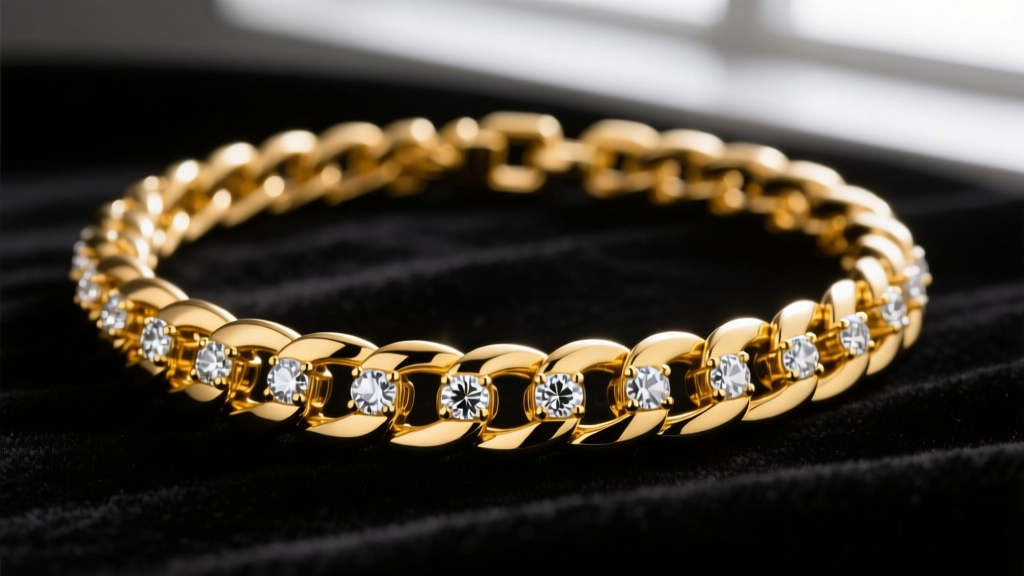
The cultural footprint of hip hop jewelry has always been a barometer for broader luxury trends, but the landscape in 2026 has shifted dramatically. The traditional hip hop style necklace—once defined almost exclusively by massive, fully iced-out yellow gold Cuban links—is undergoing a sophisticated renaissance. Today’s collectors and style icons are gravitating toward mixed-metal stacks, ethically sourced lab-grown diamonds, and architectural chain profiles that prioritize structural integrity over sheer carat weight. According to industry analysts at JCK Online, the demand for bespoke, modular hip hop jewelry has surged, reflecting a consumer base that values craftsmanship and material innovation just as much as flash.
This shift is not about abandoning the bold, statement-making roots of hip hop culture; rather, it is about refining them. The modern hip hop style necklace balances heavyweight presence with nuanced design details like beveled edges, matte-finish accents, and precision-cut facets that catch the light without relying entirely on pave diamonds. Whether you are investing in a $20,000 bespoke pendant or a $300 PVD-coated stainless steel layering piece, understanding the current metallurgy, stone grading, and structural engineering of these chains is essential for making an informed purchase.
Material Breakdown: What’s Replacing Traditional Gold?
While solid 14k and 18k gold remain the gold standard (pun intended) for high-end hip hop jewelry, 2026 has seen a massive democratization of the aesthetic through advanced material science. The days of cheap, flaky gold-plated brass are over. Today’s mid-tier market relies on advanced coating technologies and alternative base metals that offer longevity and skin-safe wearability.
The Rise of PVD-Coated Stainless Steel
For entry-level and mid-tier hip hop style necklace options, Physical Vapor Deposition (PVD) coating applied to 316L surgical stainless steel has completely replaced traditional electroplating. PVD bonds gold or rose gold vapor to the steel at a molecular level in a vacuum chamber. This results in a finish that is up to 10 times more resistant to sweat, friction, and tarnish than standard gold plating. A 12mm PVD gold Cuban link will maintain its color for years of daily wear, whereas electroplated brass will reveal its copper undertones within months of contact with skin acidity.
Moissanite vs. CVD Lab-Grown Diamonds
The "iced-out" look has been revolutionized by the gemological advancements detailed by the Gemological Institute of America (GIA). In 2026, jewelers primarily use two alternatives to mined diamonds for fully iced chains: VVS1-grade Moissanite and CVD (Chemical Vapor Deposition) Lab-Grown Diamonds. Moissanite offers a higher refractive index (2.65) than diamond (2.42), giving it an intense, rainbow-like "disco ball" fire that is highly prized in hip hop aesthetics. However, for purists who want the exact optical and physical properties of a diamond, CVD lab diamonds graded at VS1 or VVS1 clarity are the standard, offering flawless visual performance at a fraction of the cost of natural stones.
| Material / Stone | Hardness (Mohs) | Estimated Cost (10mm Cuban, 22") | Best For |
|---|---|---|---|
| Solid 14k Gold / Natural VVS | 8.5 - 10 | $18,000 - $35,000+ | Heirloom investment, purists |
| Solid 14k Gold / CVD Lab Diamond | 10 | $6,500 - $12,000 | High-end daily wear, ethical luxury |
| 925 Sterling Silver / Moissanite | 9.25 | $1,200 - $2,800 | Maximum brilliance, mid-tier budgets |
| PVD Stainless Steel / Cubic Zirconia | 8 - 8.5 | $150 - $400 | Entry-level, sweat-proof streetwear |
Chain Profiles: Beyond the Standard Cuban Link
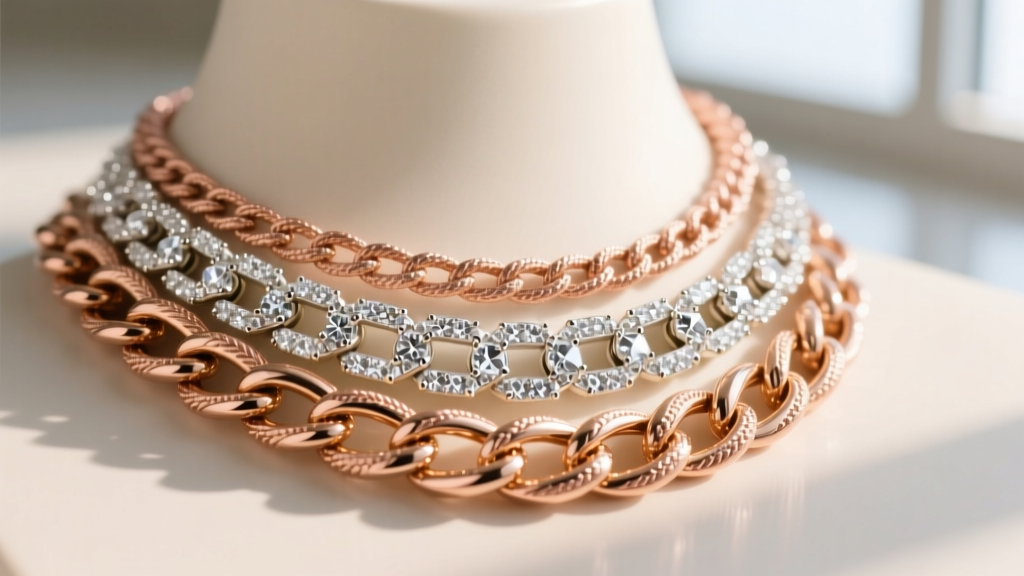
The Miami Cuban link remains the undisputed king of hip hop jewelry, but the 2026 trend cycle has elevated several other chain profiles to mainstream prominence. Understanding the structural differences between these chains is critical, especially when deciding whether to get them "bust down" (aftermarket stone setting) or factory-set.
- The Beveled Miami Cuban (12mm - 18mm): The modern Cuban features aggressive beveling on the edges of the links. This creates a multi-dimensional light reflection even without diamonds. When iced, jewelers now use a "baguette-cut" diamond layout on the outer rails rather than standard round brilliants, giving the chain an Art Deco, architectural feel.
- The Franco Chain (4mm - 8mm): Known for its V-shaped, interlocking links, the Franco is virtually indestructible. It does not kink and lays perfectly flat. In 2026, fully iced Franco chains are highly sought after because the continuous diamond surface creates an unbroken river of light, making it the ultimate base layer for heavy pendants.
- The Tennis Chain (5mm - 8mm): Once reserved for formal wear, the tennis chain has been fully absorbed into hip hop styling. The 2026 iteration features reinforced box-links between the stone settings to prevent the notorious "snapping" issue that plagued older, prong-only tennis chains.
- The Rope Chain (6mm - 10mm): Diamond-cut rope chains are making a massive comeback as a nod to 1990s hip hop nostalgia. The twisted links naturally catch the light, meaning you get immense visual flash without the need for expensive stone settings.
Factory-Set vs. Bust Down: A Structural Warning
A critical point of failure in the hip hop style necklace market is the "bust down" chain. This occurs when a jeweler takes a plain metal chain and drills holes into the links to set diamonds aftermarket. While this can look incredible, drilling compromises the structural integrity of the link, especially on chains under 8mm. Furthermore, aftermarket prong work is often rushed, leading to severe stone loss. In 2026, top-tier collectors exclusively seek factory-set or custom-cast iced chains, where the metal is cast or machined specifically to house the stones, ensuring the links remain structurally sound and the prongs are uniformly tensioned.
The Art of the 2026 Stack: Layering Frameworks
Layering is no longer just about throwing three chains over a t-shirt; it is a calculated exercise in proportion, texture, and metal contrast. The modern hip hop style necklace stack relies on a strict spacing framework to prevent the chains from tangling and to ensure each piece is visible.
"The golden rule of the 2026 stack is the two-inch drop. If your base chain is 20 inches, your second must be 22, and your pendant chain 24. Mixing metals—like pairing a white gold iced tennis chain with a solid yellow gold rope—is what separates a curated look from a cluttered one."
— Marcus Thorne, Bespoke Hip Hop Jeweler, Atlanta
The 3-Piece Mixed-Metal Formula
- The Base (20" - 22"): A 4mm to 6mm fully iced tennis chain or a diamond-cut rope chain in white gold or rhodium-plated silver. This sits high on the collarbone and provides continuous brilliance.
- The Mid-Weight (24"): A 10mm to 12mm solid yellow gold Miami Cuban or Franco chain. The solid metal provides a visual "rest" from the iced-out base layer, creating contrast and highlighting the gold's natural luster.
- The Statement (26" - 28"): A heavy, custom iced-out pendant (e.g., a large calendar date, animal motif, or cultural symbol) hanging on a durable 6mm Franco or box chain. The pendant should be at least 2.5 inches in height to maintain proportion with the heavy mid-weight chain.
Maintenance & Failure Modes of Iced-Out Pieces
An iced-out hip hop style necklace is a significant financial investment, and improper maintenance is the leading cause of depreciation and stone loss. The environment these pieces endure—contact with sweat, lotions, and friction—requires a specific care protocol.
The Ultrasonic Cleaner Danger
Never put a bust-down or micro-pave iced chain into an ultrasonic cleaner. The high-frequency vibrations are notorious for shaking loose poorly tensioned aftermarket prongs, resulting in a sink full of lost diamonds or moissanites. Furthermore, ultrasonic waves can fracture the internal structure of clarity-enhanced natural diamonds, which are sometimes used in mid-tier iced jewelry.
Rhodium Flaking and Re-plating
If your white gold or silver iced chain begins to show a yellowish or dull gray tint, the rhodium plating is wearing off. Sweat is highly acidic and accelerates this process. To maintain the blinding white reflection necessary for an iced-out piece, expect to have white gold chains professionally re-rhodium plated every 12 to 18 months. For daily wearers, opting for platinum or high-palladium white gold alloys (which do not require plating) is a smarter, albeit more expensive, long-term strategy.
Proper Cleaning Protocol
The safest way to clean a diamond or moissanite hip hop chain is the "soak and brush" method. Submerge the necklace in a bowl of warm water mixed with a few drops of mild, ammonia-free dish soap for 15 minutes. Use an extra-soft baby toothbrush to gently agitate the dirt trapped under the gallery (the metal backing of the stones). Rinse with distilled water to prevent hard water spots, and dry with a microfiber cloth. Avoid paper towels, as the wood fibers can snag on micro-prongs and bend them outward.
Sourcing & Final Verdict
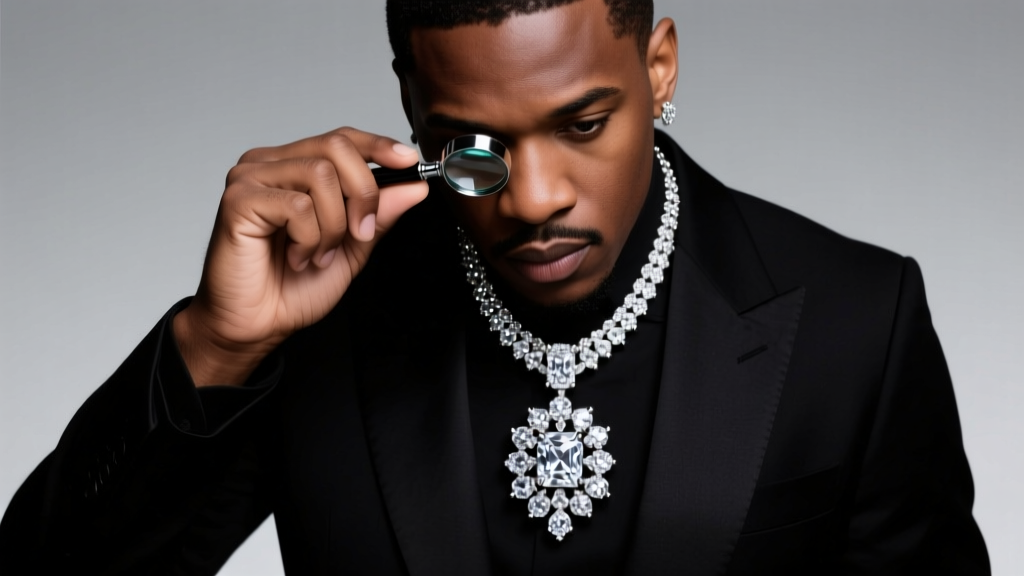
When sourcing a hip hop style necklace in 2026, transparency is paramount. Whether you are buying from a legacy jeweler in New York's Diamond District or a boutique streetwear brand online, always demand a loupe inspection and, for pieces over $2,000, an independent grading report for the stones. The market has matured, and the best pieces today are those that marry the unapologetic boldness of hip hop culture with the rigorous engineering and material ethics of modern high jewelry.


