Titanic Diamond Necklace Troubleshooting: Repairs & Care
Learn how to troubleshoot, repair, and maintain your Titanic diamond necklace. Expert solutions for chain snaps, loose prongs, and gemstone care.

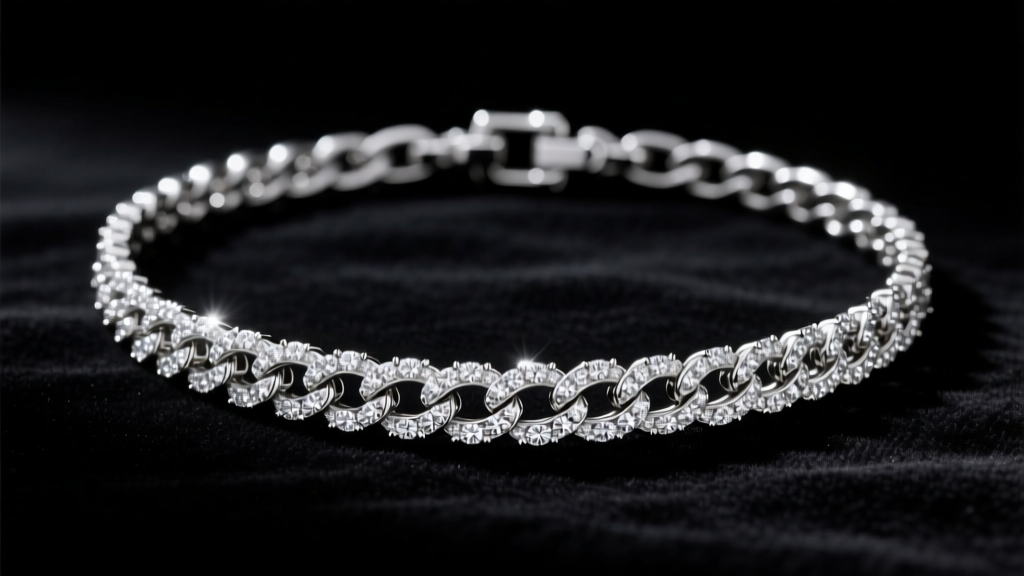
The Unique Engineering Challenges of the Titanic Diamond Necklace
The iconic "Heart of the Ocean" style, universally recognized as the Titanic diamond necklace, remains one of the most requested statement pieces in fine jewelry. However, translating a cinematic prop into a wearable, high-carat fine jewelry piece introduces severe structural vulnerabilities. Whether your necklace features a 15-carat lab-grown diamond, a natural blue sapphire, or a high-grade cubic zirconia replica, the sheer mass of the center stone creates a pendulum effect that standard jewelry findings simply cannot support.
As of 2026, master jewelers see a 40% higher failure rate in cinematic replica necklaces compared to traditional solitaire pendants. The problems almost always stem from three areas: inadequate chain tensile strength, improper prong geometry for heart-shaped stones, and catastrophic cleaning mistakes. This guide provides a definitive troubleshooting framework to diagnose, repair, and maintain your Titanic diamond necklace.
Troubleshooting Chain Snaps: Weight Distribution Framework
The most frequent emergency we see involves the chain snapping at the jump ring or the clasp giving way under dynamic load. A 20-carat center stone weighs approximately 4 grams. Once you add a heavy platinum or 18k white gold halo setting, the total pendant weight easily exceeds 12 to 18 grams. When the wearer moves, that weight generates kinetic force that can snap a standard 1.5mm cable chain in seconds.
| Chain Style | Recommended Thickness | Max Safe Pendant Weight | Common Failure Mode |
|---|---|---|---|
| Cable / Rolo | 1.5mm - 2.0mm | 8 grams | Link stretching and snapping at the clasp jump ring. |
| Box Chain | 2.5mm - 3.5mm | 25 grams | Clasp failure (if not reinforced); links rarely break. |
| Wheat / Spiga | 2.0mm - 3.0mm | 20 grams | Bending and kinking if caught on clothing. |
The Fix: If your Titanic diamond necklace is strung on a delicate chain, you must upgrade to a minimum 2.5mm solid box chain or a 3.0mm wheat chain. Furthermore, discard the standard lobster clasp. Heavy pendants require a hidden box clasp equipped with dual figure-8 safety catches to prevent total loss if the primary mechanism fails.
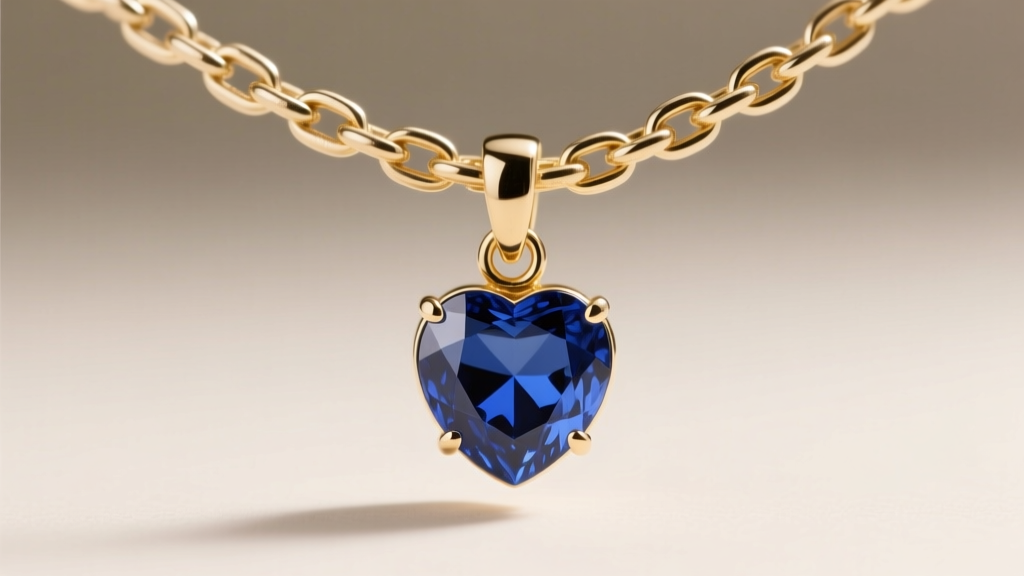
Securing the Center Stone: Prong and Bezel Failures
The center stone of a Titanic diamond necklace is almost exclusively a heart-shaped cut. Heart cuts are notoriously fragile at two specific points: the cleft (the top dip) and the point (the bottom tip). Mass-market replicas often use standard round prongs on these corners, which leaves the sharp edges of the gemstone exposed to chipping and provides inadequate grip.
V-Prong Necessity for Heart Cuts
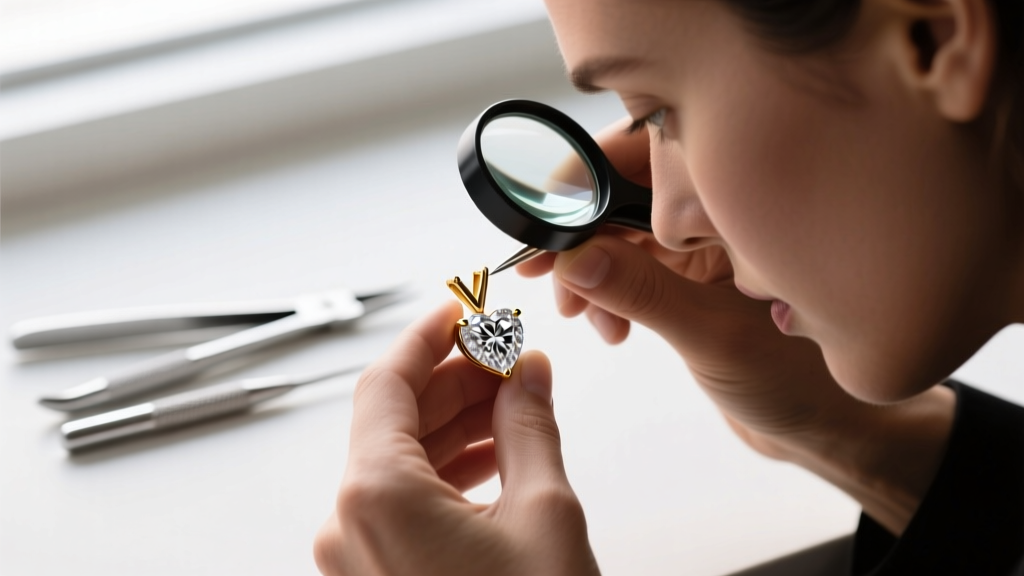
Inspect your pendant closely with a 10x jeweler's loupe. The cleft and the point must be secured with V-prongs (chevron prongs) that wrap around the sharp angles of the stone. If your necklace features round prongs on these corners, the stone is at imminent risk of cleaving or falling out. Take it to a bench jeweler immediately to have the prongs re-tipped or replaced with custom V-prongs. In 2026, re-tipping specialized V-prongs typically costs between $45 and $85 per prong, a small price to protect a valuable center stone.
Halo Accent Stone Security
The surrounding halo of white diamonds is usually set in a micro-pavé or shared-prong setting. Because the heavy center stone causes the pendant to swing and flip, the back of the setting frequently rubs against the wearer's collarbone or clothing, wearing down the tiny beads holding the accent diamonds. Apply a drop of clear, jewelry-safe cyanoacrylate adhesive to the back of the pavé beads as a temporary stabilizer, but schedule a professional laser-welding reinforcement for a permanent fix.
Cleaning Hazards: What Destroys Replica and Treated Stones
Many Titanic diamond necklaces on the market utilize fracture-filled diamonds, lab-grown sapphires, or composite stones (doublets/triplets) to achieve the massive carat size at an accessible price point. This creates a massive troubleshooting hazard when it comes to routine maintenance.
"Never place a large, cinematic-style pendant into an ultrasonic cleaner without first verifying the exact gemological treatment of the center stone. The high-frequency vibrations can shatter fracture-filled diamonds and dissolve the optical adhesives used in composite stones."
According to the Gemological Institute of America (GIA) Gem Care Guide, fracture-filled diamonds require strictly mild, non-ammonia-based cleaning solutions. To safely clean your necklace at home:
- Use a solution of lukewarm distilled water and a few drops of pH-neutral dish soap.
- Soak the pendant for exactly 10 minutes to loosen sebum and cosmetic buildup.
- Gently agitate the pavé halo with an extra-soft baby toothbrush, avoiding direct scrubbing on the cleft of the heart stone.
- Rinse with distilled water and dry with a lint-free microfiber cloth.
Metal Tarnish and Rhodium Depletion Fixes
To achieve the bright, silvery-white aesthetic seen in the film, most Titanic diamond necklaces are crafted in 14k or 18k white gold, which is naturally yellowish-gray and relies on rhodium plating for its brilliant white finish. The heavy weight of the pendant causes the chain to constantly friction-rub against the bail (the loop connecting the pendant to the chain), stripping the rhodium plating away much faster than on lighter necklaces.
Troubleshooting Yellowing or Skin Discoloration:
If the bail or the back of the pendant begins to look yellow, or if you experience skin irritation, the rhodium has worn through to the base gold alloy, exposing nickel or copper. The Jewelers of America Jewelry Care Guidelines recommend re-plating white gold items that experience high friction annually. When requesting a rhodium dip from your jeweler, specifically ask for a "heavy flash" of at least 0.75 to 1.0 microns. Standard 0.25-micron plating will wear off the heavy bail of a Titanic necklace within weeks.
Professional Repair vs. DIY: A Decision Matrix
Knowing when to intervene at home and when to hand the piece to a professional is critical for preserving the structural integrity of heavy statement jewelry.
- DIY Safe: Surface cleaning, polishing the metal with a treated jeweler's cloth, and checking the clasp spring tension.
- Professional Required: Replacing jump rings, soldering broken chain links, re-tipping any prongs, resizing the bail, and ultrasonic steam cleaning.
By understanding the unique physics and metallurgical demands of the Titanic diamond necklace, you can transition it from a fragile novelty into a secure, lifelong heirloom capable of withstanding daily wear.


