The 2026 Kuromi Necklace Value Guide: Fair Pricing
Discover the true value of a Kuromi necklace in 2026. We break down pricing tiers, material grades, and how to avoid overpaying for Sanrio jewelry.

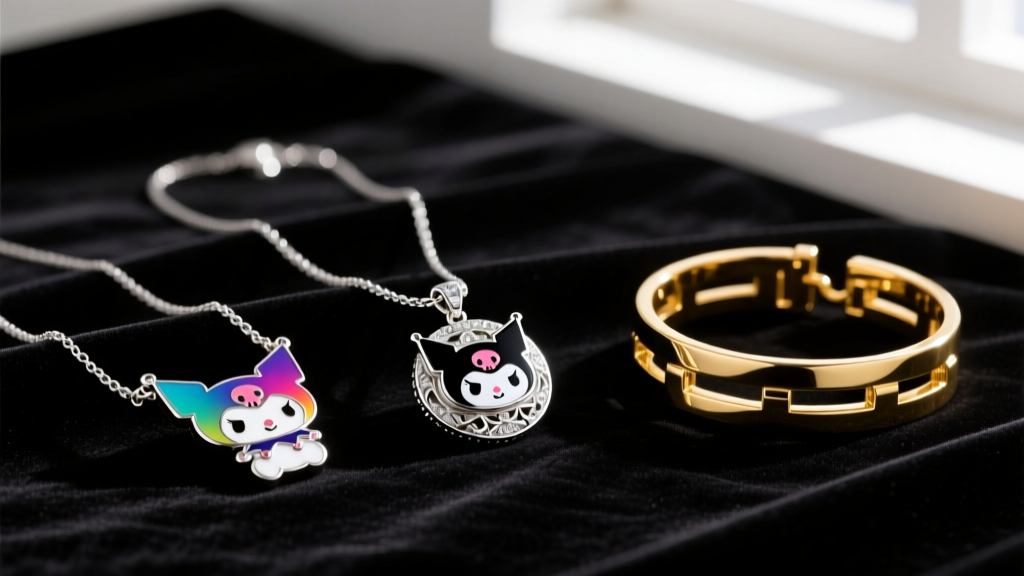
The Character Tax: Understanding Kuromi Jewelry Valuation
Kuromi has evolved from a niche My Melody rival into a global alt-fashion and streetwear icon. As her popularity has surged through the 2020s, the jewelry market has responded with a massive influx of Kuromi-themed necklaces. However, this saturation has created a wildly inconsistent pricing landscape. In 2026, consumers face a market where a flimsy zinc-alloy pendant might be listed for $45 simply because it bears the character's likeness, while a meticulously crafted, officially licensed 925 sterling silver piece might sit at $35.
As a buyer, you are often paying a 'character tax'—a premium applied to licensed intellectual property. But how much of that premium is justified by actual material value and craftsmanship? To determine the fair market value of a Kuromi necklace, we must strip away the branding and evaluate the metallurgy, enamel quality, and hardware. This guide provides a definitive budget and value assessment to ensure you are paying for quality, not just a trademark.
Pricing Tiers: What Your Budget Actually Buys
When shopping for a Kuromi necklace, the market is generally segmented into three distinct pricing tiers. Understanding what materials and licensing accompany each tier is the first step in assessing true value.
Tier 1: Fast Fashion & Unofficial Merch ($8 - $25)
At the lowest end of the spectrum, you will find mass-produced, often unlicensed necklaces typically sold on dropshipping platforms or fast-fashion retail apps. These pieces are usually cast from Zamak (a zinc-aluminum alloy) and plated with a microscopically thin layer of silver or gold-colored paint. The 'enamel' is actually painted epoxy resin. While they capture the aesthetic for a low entry price, the plating will oxidize and flake within three to six months of daily wear, exposing the base metal which can cause skin discoloration or allergic reactions.
Tier 2: Official Sanrio Mass Market ($30 - $75)
This is the sweet spot for most collectors. These necklaces are officially licensed by Sanrio and are typically crafted from 925 sterling silver. The detailing is achieved through cold enamel (a durable, opaque resin that mimics traditional vitreous enamel). At this price point, you are paying a fair premium for the licensing and the guarantee of hypoallergenic base metals. Brands like Sanrio's official partners dominate this space, offering reliable quality control and accurate color matching for Kuromi's signature black and pink palette.
Tier 3: Premium Collaborations & Fine Jewelry ($120 - $400+)
For high-end collectors, luxury collaborations elevate the Kuromi necklace into fine jewelry territory. Japanese jewelers like U-Treasure and Vendome Aoyama, alongside global brands like Fossil or Pandora, release limited-edition runs. These pieces utilize 10k or 14k solid gold, gold vermeil (a minimum of 2.5 microns of gold over sterling silver), and occasionally incorporate lab-grown diamonds or black onyx inlays. The value here is driven by precious metal weight, gemstone quality, and extreme limited-edition scarcity.
Material Breakdown: Metallurgy and Enamel Science
To accurately assess if a Kuromi necklace is overpriced, you must scrutinize the material composition. A pendant marketed as 'silver-tone' is vastly different from one stamped '925'. According to FTC precious metals guidelines, jewelry must meet strict purity thresholds to carry specific hallmarks.
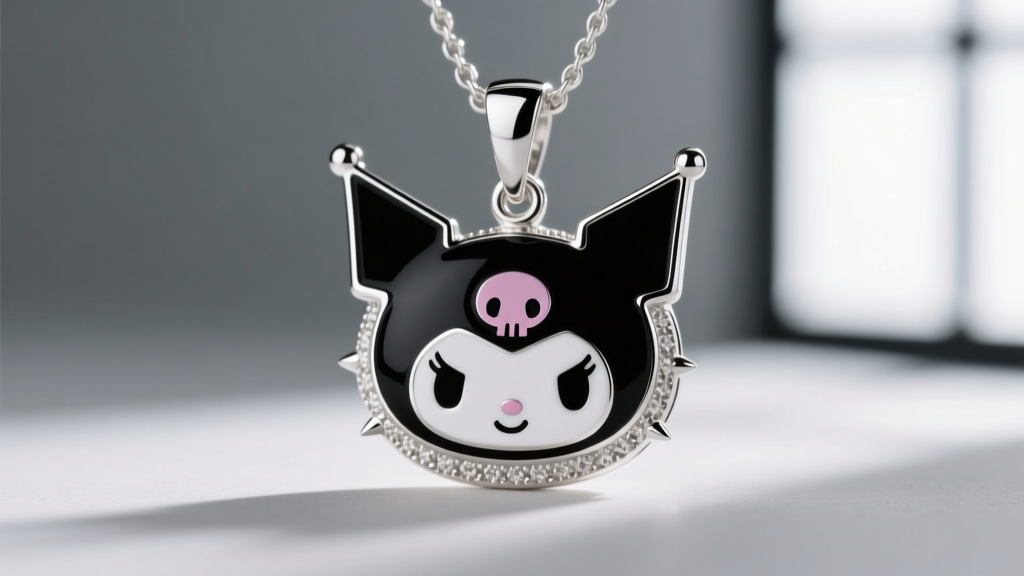
The Enamel Factor
Kuromi's design relies heavily on contrasting black, white, and pink fills. The method used to achieve these colors drastically impacts the necklace's lifespan and value:
- Epoxy Resin (Low Value): Painted on top of the metal. Prone to chipping, scratching, and yellowing when exposed to UV light and skin oils. Acceptable only in the under-$20 tier.
- Cold Enamel / Soft Enamel (Medium Value): Poured into recessed metal channels and cured. It sits slightly lower than the metal borders, protecting it from surface scratches. This is the industry standard for $30-$75 sterling silver pieces.
- Hard Enamel / Cloisonné (High Value): The enamel is filled to the top of the metal borders and polished flat. It is highly durable and glass-like. If a seller charges over $80 for a Kuromi necklace, it should feature hard enamel or vitreous glass enamel.
Chain Quality and Hardware Assessment
A common trap in character jewelry is a beautiful pendant attached to a substandard chain. The chain and clasp represent 40% of the necklace's functional value. When evaluating a Kuromi necklace in the $40+ range, inspect the following hardware specifications:
| Component | Substandard (Avoid over $30) | High Quality (Expected $40+) |
|---|---|---|
| Chain Gauge | 0.8mm or thinner (snaps easily) | 1.2mm to 1.5mm cable or figaro |
| Clasp Type | Tiny spring-ring (hard to use, breaks) | Sturdy lobster clasp with soldered joint |
| Jump Rings | Open, unsoldered gaps (pendant slips off) | Flash-soldered closed jump rings |
| Plating (if not solid) | Flash plated (0.1 microns) | Vermeil or PVD coated (2.5+ microns) |
If a retailer is charging $60 for a Kuromi pendant but stringing it on a hollow, 0.8mm rope chain with a flimsy spring-ring clasp, the overall value proposition is poor. You are essentially overpaying for the pendant and will likely need to spend an additional $20-$30 to replace the chain immediately.
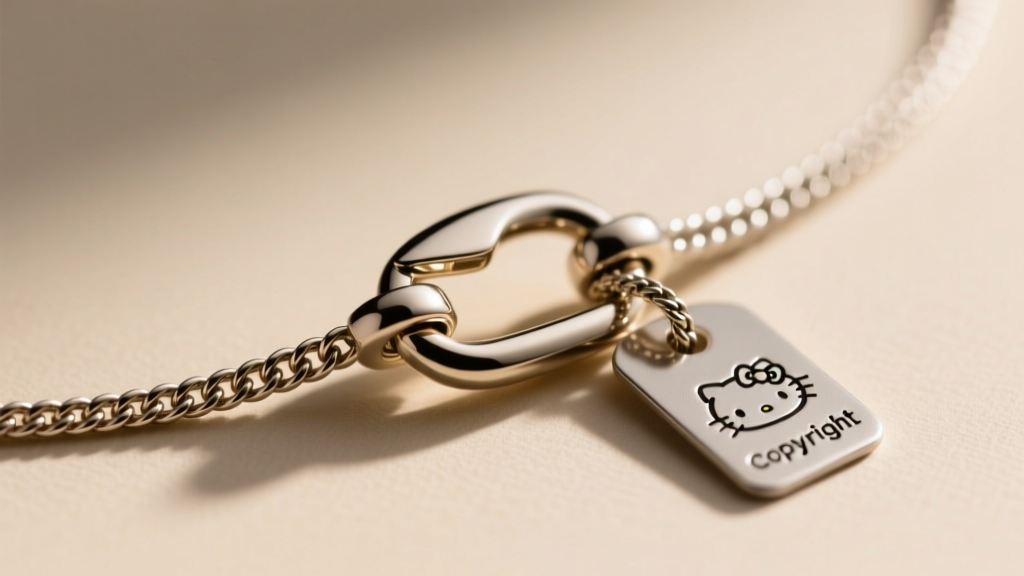
Navigating Counterfeits vs. Fan-Made Artisans
The secondary market (Etsy, Depop, eBay) is flooded with Kuromi necklaces. It is vital to distinguish between malicious counterfeits and independent fan-made art. Counterfeiters will mass-cast cheap alloy pendants and falsely stamp them with '925' and the Sanrio copyright symbol. These offer zero long-term value and often contain unsafe levels of lead or cadmium in the base alloy.
Conversely, independent artisans on platforms like Etsy may create 'inspired' gothic-punk Kuromi necklaces using high-quality materials like surgical steel, genuine black onyx, and heavy-duty leather cords. While these are not officially licensed and cannot legally bear the Sanrio trademark, their material value and craftsmanship can sometimes exceed Tier 2 official merchandise. When buying artisan pieces, evaluate them strictly on their metallurgical merits—such as the use of 316L stainless steel or solid brass—rather than the IP association.
Final Verdict: How Much Should You Spend?
To ensure you are getting a fair deal on a Kuromi necklace in 2026, use this quick decision framework before checking out:
- Under $25: Acceptable for costume wear, but expect the metal to tarnish and the paint to chip. Do not pay a premium for 'vintage' or 'rare' claims in this tier.
- $35 to $65: The target zone for daily wear. Ensure the listing explicitly states '925 Sterling Silver' and features a soldered chain. Verify the seller is an authorized Sanrio retailer to guarantee authenticity.
- $100+: Only justify this price if the piece includes solid gold (10k/14k), genuine gemstones, or is a verifiable, sold-out collaboration from a respected jeweler like U-Treasure. Demand a certificate of authenticity or original limited-edition packaging.
By focusing on metal purity, enamel durability, and hardware integrity, you can confidently navigate the Kuromi jewelry market. True value lies where the beloved Sanrio aesthetic intersects with enduring craftsmanship, ensuring your favorite gothic rabbit pendant remains a staple in your collection for years to come.


