How to Style the Classic Lady with Pearl Necklace Look
Master the timeless lady with pearl necklace aesthetic. Follow our step-by-step guide on pearl grades, sizes, and neckline pairings for classic elegance.

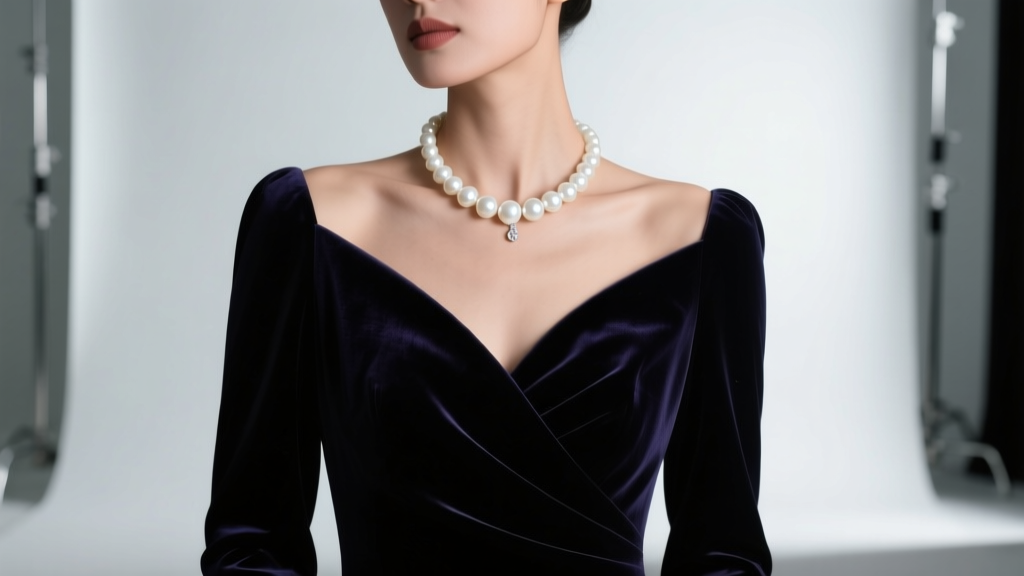
Johannes Vermeer’s 1663 masterpiece, Girl with a Pearl Earring, often overshadows his equally captivating work, Lady with a Pearl Necklace. Yet, it is the latter that provides the ultimate masterclass in jewelry styling. The painting captures a quiet, introspective moment where the visual weight, luster, and drape of a single strand of pearls completely define the subject's elegance. In 2026, as the fashion world continues to embrace 'quiet luxury' and heritage aesthetics, recreating this specific classical portrait look is more relevant than ever. Achieving the quintessential lady with pearl necklace aesthetic requires more than just buying any strand of beads; it demands a precise understanding of pearl grading, nacre thickness, proportion, and historical styling cues. This step-by-step guide will teach you how to curate, string, and style a pearl necklace that mirrors the timeless grace of Dutch Golden Age portraiture.
The Anatomy of the Classical Pearl Portrait Look
The defining characteristic of the classical pearl portrait aesthetic is the interplay of light against the skin, mediated by the pearl's nacre. Unlike modern, heavily layered trends, this look relies on a single, substantial strand that rests gently against the collarbone or base of the neck. The pearls in historical portraits are notably large, often appearing oversized compared to the subject's facial features, which creates a striking visual contrast. To replicate this today, we must balance historical accuracy with modern gemological standards, prioritizing exceptional luster and precise sizing over mere carat weight or diamond accents.
Step 1: Selecting the Right Pearl Type and Grade
The most critical decision in your journey is selecting the pearl variety. The 'lady with pearl necklace' look requires a round, white-to-cream pearl with high luster. According to the Gemological Institute of America (GIA), luster is the most important quality factor for pearls, dictating how sharply light reflects off the surface. Here is how the top contenders compare for this specific aesthetic:
| Pearl Type | Typical Size | Luster Profile | 2026 Price Range |
|---|---|---|---|
| Japanese Akoya (Hanadama) | 7.0 - 9.5mm | Mirror-like, extremely sharp | $800 - $4,500 |
| White South Sea | 10.0 - 15.0mm | Satin, soft luxurious glow | $3,000 - $15,000+ |
| Edison Freshwater | 9.0 - 14.0mm | Metallic, bright reflections | $400 - $1,800 |
Decoding Nacre Thickness
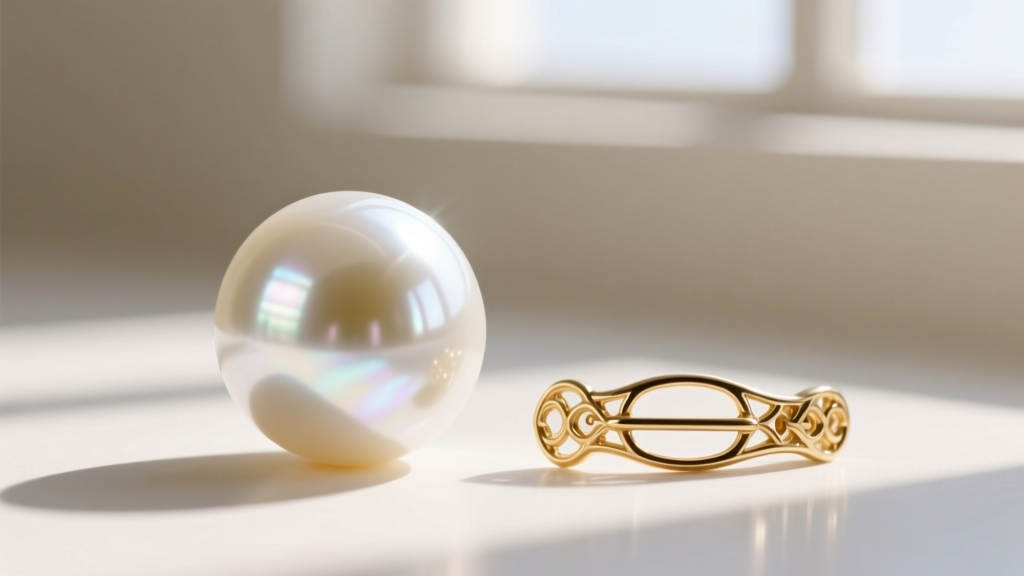
For the classical look, you must avoid pearls with thin nacre, which appear chalky and lack depth. If choosing Akoya, demand a Hanadama certification or proof of at least 0.4mm nacre thickness. South Sea pearls naturally possess thick nacre (often 2.0mm to 4.0mm), giving them the deep, inner glow seen in classical oil paintings, making them the most historically accurate choice for the oversized pearls depicted in Vermeer's work.
Step 2: Sizing and Proportion for the Neckline
In Lady with a Pearl Necklace, the strand sits loosely around the neck, cascading slightly toward the sternum. To achieve this drape, you must select the correct length based on your neck circumference.
- Collar (14-15 inches): Sits tightly against the base of the neck. This will look too modern and constricting for the classical portrait look.
- Choker (16 inches): Rests just above the collarbone. Ideal for slender necks, providing a close approximation to the painting's intimate framing.
- Princess (18 inches): The most versatile length. It rests perfectly on the collarbone, allowing the pearls to catch ambient light from multiple angles. This is the recommended length for recreating the relaxed, elegant drape of the 17th-century aesthetic.
Regarding pearl diameter, an 8.0mm to 9.0mm strand offers the best balance of visual weight and comfort for daily wear. If you want the dramatic, oversized look of the painting, opt for 11.0mm to 13.0mm White South Sea pearls, though be prepared for the significant weight and investment.
Step 3: Choosing the Perfect Clasp and Stringing Material
A masterpiece is only as strong as its foundation. The structural integrity and drape of your necklace depend entirely on the stringing materials.
The Stringing Medium
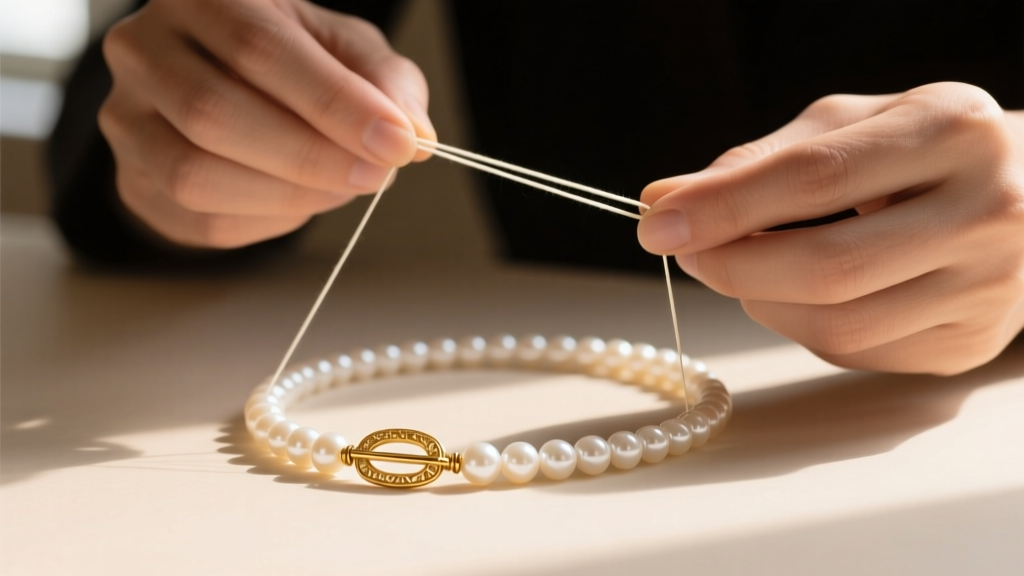
Never use nylon or wire for a high-end pearl strand. Traditional Japanese silk thread (brands like Griffin or Beadalon) is mandatory. Silk allows the pearls to drape fluidly, conforming to the hollow of the neck rather than jutting out rigidly. For 8.0mm pearls, a Size D or E silk thread is optimal. Furthermore, every single pearl must be hand-knotted. This not only prevents pearl-on-pearl abrasion but ensures that if the strand breaks, you lose only one pearl.
French Wire and Clasps
The transition from silk to clasp must be protected by 'French wire' (also known as gimp)—a tiny, coiled metal spring that prevents the silk from fraying against the metal jump ring. For the clasp, avoid bulky modern box clasps with diamond halos that distract from the pearls. Instead, choose a minimalist 14k or 18k gold ball clasp, or a simple filigree safety clasp. The clasp should be virtually invisible when worn, maintaining the illusion of an endless circle of light.
Step 4: Wardrobe Pairing and Neckline Mapping
To truly embody the lady with pearl necklace persona, the garment framing the jewelry is just as important as the pearls themselves. The American Gem Society notes that pearls reflect the colors immediately surrounding them, so your fabric choice will alter the pearl's apparent overtone.
Ideal Necklines for the Classical Drape
- The Square Neck: Provides a geometric frame that contrasts beautifully with the spherical pearls, mimicking the structured bodices of the 1600s.
- The Boatneck (Bateau): Runs horizontally across the collarbones. An 18-inch princess strand will sit just below the fabric line, creating a clean, unbroken visual flow.
- The Deep Scoop: Allows the pearls to rest directly against the skin, maximizing the contrast between the luminous nacre and your natural complexion.
Fabric Warning: Avoid pairing your pearls with highly textured fabrics like heavy sequins or coarse tweeds, which can scratch the nacre and visually compete with the pearl's luster. Opt for matte silks, fine merino wools, or velvet to absorb light and force the eye directly to the necklace.
Step 5: Maintenance and Nacre Care
Preserving the mirror-like luster required for this aesthetic demands rigorous care. Pearls are organic gems, ranking only 2.5 to 3.0 on the Mohs hardness scale. They are highly susceptible to acids, including those found in perfumes, hairsprays, and even natural skin oils.
- The 'Last On, First Off' Rule: Always put your pearls on after applying cosmetics and fragrances, and remove them immediately upon returning home.
- Microfiber Wiping: After every wear, gently wipe the strand with a clean, damp microfiber cloth to remove acidic oils before they etch into the nacre.
- Resting Periods: Silk thread stretches over time and absorbs moisture. If you wear the necklace frequently, have it professionally restrung every 18 to 24 months to maintain the precise, fluid drape essential to the classical look.
Conclusion
Embracing the lady with pearl necklace aesthetic is an exercise in restraint, proportion, and an appreciation for natural beauty. By prioritizing thick-nacred, high-luster pearls, insisting on traditional silk knotting, and carefully mapping your necklines, you transcend fleeting trends. You are not just wearing jewelry; you are participating in a centuries-old visual tradition that equates quiet, luminous elegance with ultimate sophistication.


