Troubleshooting Your Lamb Necklace: Tarnish, Breaks & Fixes
Learn how to troubleshoot common lamb necklace issues, from tarnished wool textures and fragile bails to chipped enamel and chain breakage.

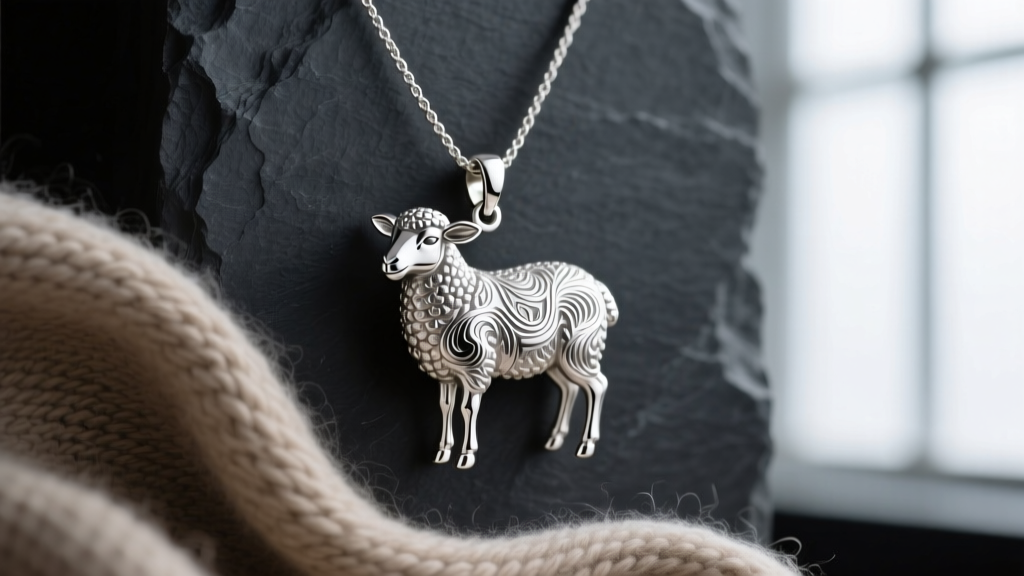
The Unique Vulnerabilities of Lamb Pendants
Lamb necklaces are cherished for their rich symbolism, ranging from the pastoral innocence of a spring lamb to the zodiacal power of Aries, and the sacred iconography of the Agnus Dei (Lamb of God). However, from a bench jeweler's perspective, these pendants present a unique set of structural and metallurgical challenges. The primary issue lies in the surface texture. To depict the lamb's fleece, jewelers employ techniques like granulation (fusing tiny metal spheres to the surface), milgrain edging, or matte stippling. While visually stunning, these high-relief textures act as microscopic traps for sebum, cosmetic residues, and environmental pollutants.
Furthermore, many lamb necklaces feature a horizontal orientation—such as a resting or leaping lamb—which shifts the center of gravity away from the bail. This uneven weight distribution places asymmetric stress on the chain and the solder joints connecting the bail to the pendant body. If you are experiencing frequent breakages, rapid tarnishing, or loss of detail on your lamb necklace, the culprit is rarely the metal itself, but rather a mismatch between the pendant's architecture and its maintenance routine.
Diagnosing Chain and Bail Failures
The most frequent point of failure on any lamb necklace is the bail—the loop that connects the pendant to the chain. Because lamb pendants are often wide, the bail must endure lateral friction as the pendant swings and settles against the collarbone. Over time, this friction acts like a saw, slowly thinning the metal of both the bail and the chain links.

Chain Gauge vs. Pendant Weight
A common troubleshooting mistake is pairing a heavy, solid-cast lamb pendant with a delicate, hollow-chain. To prevent catastrophic breakage, you must match the chain's gauge (thickness) and tensile strength to the pendant's gram weight. Below is a diagnostic matrix for pairing chains with textured lamb pendants.
| Chain Type | Recommended Gauge | Max Pendant Weight | Vulnerability Profile |
|---|---|---|---|
| Cable Chain | 0.8mm - 1.0mm | Up to 8 grams | Prone to kinking if caught on wool textures |
| Box Chain | 1.0mm - 1.2mm | Up to 15 grams | Highly durable, but difficult to repair if crushed |
| Rope Chain | 1.5mm+ | Up to 25 grams | Excellent tensile strength; hides scratches well |
| Figaro Chain | 1.2mm | Up to 12 grams | Asymmetric links can snag on intricate granulation |
Troubleshooting Tip: If your lamb pendant features a hidden bail (a loop soldered flush against the back of the fleece), inspect the interior of the loop monthly. Hidden bails suffer from invisible wear, and a sudden snap often results in the loss of the pendant.
Material Degradation: Plating Loss and Enamel Chipping
Many modern and vintage lamb necklaces utilize mixed media to create contrast. For instance, a sterling silver (925) body might feature rhodium plating to prevent tarnish, while the lamb's face, horns, or hooves are accented with cold enamel or vitreous glass enamel.
The Rhodium Flash Problem
Rhodium plating on silver is typically applied in a micro-thin flash, usually between 0.1 and 0.5 microns. When owners attempt to polish their lamb necklace using aggressive abrasive cloths, they strip the rhodium off the high-relief areas (the top of the wool curls) while leaving it in the crevices. This results in a mottled, uneven appearance that mimics severe tarnish but is actually exposed, oxidizing raw silver.
Enamel Fractures
If your lamb necklace features enamel details, thermal shock is your greatest enemy. Moving from a cold outdoor environment into a hot, steamy bathroom can cause the metal base to expand at a different rate than the glass enamel, leading to micro-fractures or 'crazing.' Once the enamel seal is compromised, moisture enters, causing the underlying copper or silver alloy to corrode and push the enamel out from beneath.
The Safe Cleaning Protocol for Textured Motifs
Because of the intricate fleece textures and potential enamel accents, standard silver dips and ultrasonic cleaners are strictly contraindicated. Ultrasonic waves can shatter cold enamel and loosen the adhesive in composite stone eyes (like micro-pave onyx or turquoise). Instead, adopt this gentle, conservation-grade cleaning protocol recommended by horological and jewelry conservators.
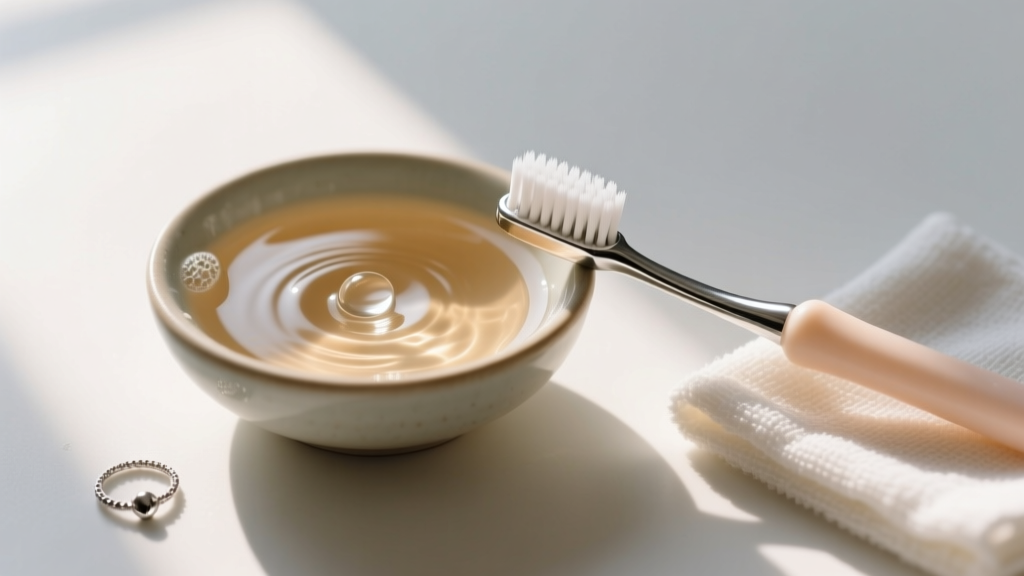
- Preparation: Mix a few drops of pH-neutral dish soap (avoid citrus-based degreasers, which can react with copper alloys) in a bowl of lukewarm distilled water.
- Agitation: Submerge the lamb necklace for exactly three minutes to loosen sebum and lotion buildup trapped in the granulation.
- Targeted Brushing: Using a soft-bristled baby toothbrush, gently stroke the metal in the direction of the fleece texture. Do not scrub in circles, as this can bend delicate milgrain wires.
- Rinsing and Drying: Rinse under a gentle stream of distilled water. Pat dry with a lint-free microfiber cloth, and use a can of compressed air to blow moisture out of the deepest crevices.
According to the Victoria and Albert Museum's jewelry conservation guidelines, avoiding harsh chemical dips preserves the historical and structural integrity of textured metalwork and enamel inclusions, which are highly prevalent in animal motif pendants.
When to Consult a Professional Bench Jeweler
While home maintenance can address surface grime and minor chain tangles, certain structural failures require professional intervention. If the bail has worn completely through, or if the pendant has suffered a hairline crack across the lamb's midsection, do not attempt to use superglue or epoxy. These adhesives will seep into the porous silver granulation and ruin the metal's finish.
Instead, seek out a jeweler equipped with a laser welder. Traditional torch soldering requires heating a large area of the metal, which can melt the delicate wool textures or cause 'fire scale'—a stubborn, deep-seated oxidation that turns sterling silver a bruised purple-black. Laser welding, however, uses a highly focused beam of light to fuse metal at a microscopic level, allowing the jeweler to rebuild a worn bail or solder a cracked seam without applying ambient heat to the surrounding fleece details.
For severe tarnish that has turned black in the deep recesses of the pendant, a professional can perform an electrolytic reduction bath. This process reverses the chemical reaction of silver sulfide (tarnish) without removing any of the base metal, ensuring that the sharp, crisp details of the lamb's face and fleece are preserved for generations to come. For more on the chemical properties of silver and proper long-term storage, refer to the Gemological Institute of America (GIA) guidelines on silver care.


