Lapis Lazuli Necklace Gold: 2026 Occasion Gift Guide
Discover the ultimate 2026 gift guide for a lapis lazuli necklace gold setting. Learn grading, karat choices, and occasion matching for this royal gem.

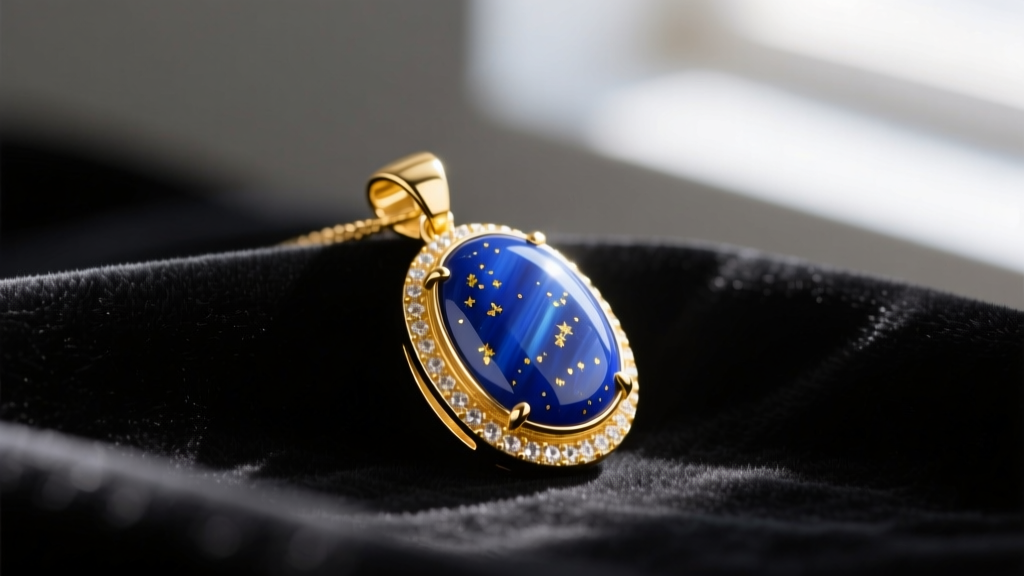
Few gemstones command the historical reverence and visual depth of lapis lazuli. Prized since antiquity for its intense ultramarine hue, this opaque rock has adorned the burial masks of pharaohs and the seals of ancient kings. Today, as buyers seek meaningful, historically rich alternatives to traditional diamonds and sapphires, lapis lazuli has surged in popularity. In the contemporary fine jewelry market, the lapis lazuli necklace gold category encompasses everything from minimalist bezel-set sliders to ornate Victorian-revival lockets. However, gifting this stone requires a nuanced understanding of gemology, metallurgy, and occasion-specific styling. This 2026 guide provides the exact specifications, grading metrics, and stylistic frameworks needed to select a piece that will be treasured for a lifetime.
The Gemological Standard: Grading Lapis Lazuli
Unlike faceted gems, lapis lazuli is an aggregate rock composed primarily of lazurite, calcite, and pyrite. According to the Gemological Institute of America (GIA), the value of a lapis cabochon is dictated by the balance of these three minerals. When evaluating a pendant for a gift, you must look past the general "blue" descriptor and examine the stone under direct light.
The Pyrite vs. Calcite Matrix
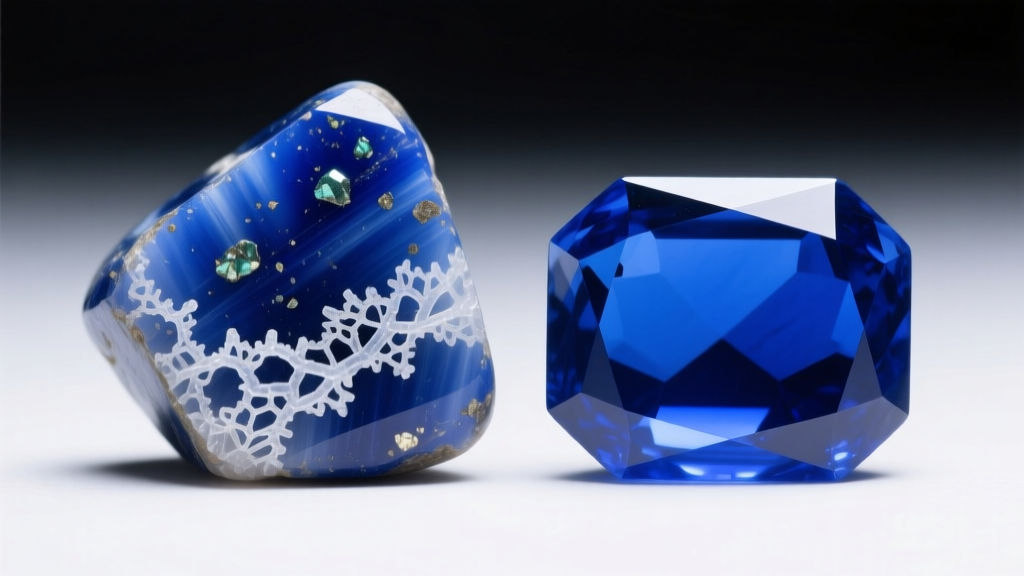
The most valuable lapis lazuli exhibits a deep, saturated royal blue with minimal to no white calcite veining. Calcite lowers the structural integrity and dilutes the color saturation. Pyrite (iron sulfide), conversely, is highly desirable when present in small, evenly distributed flecks that resemble gold dust. If the pyrite forms large, dull patches, or if the stone shows prominent white webbing, it is considered commercial-grade and should be avoided for fine jewelry gifting.
Origin and Color Saturation
Top-tier "Afghan" or "Persian" grade lapis contains up to 40% lazurite, yielding a vivid, almost violet-blue hue. Chilean lapis, while beautiful, often contains more calcite and leans toward a lighter, teal-tinged blue. For a premium gift, always request Afghan-origin stones with a smooth, polished surface that lacks visible pitting—a common issue in lower-grade, highly porous specimens.
Metallurgy: Selecting the Right Gold Alloy
The warmth of yellow gold provides the ultimate complementary contrast to the cool, deep tones of lapis lazuli. However, the karat weight you choose should be dictated by the recipient's lifestyle and the pendant's setting style.
- 18k Gold (75% Pure): Offers a rich, buttery yellow hue that perfectly matches the golden pyrite inclusions in the stone. It is ideal for bezel-set pendants or occasional-wear statement pieces. However, its lower Vickers hardness (~125 HV) makes it less suitable for delicate prong settings.
- 14k Gold (58.3% Pure): The industry standard for daily-wear necklaces. With a Vickers hardness of ~160 HV, 14k gold provides the structural rigidity required to secure the stone in prong or tension settings without bending. The color is slightly paler but still provides excellent contrast.
Expert Tip: Because lapis lazuli ranks only 5 to 6 on the Mohs hardness scale, it is highly susceptible to chipping. Always prioritize bezel settings (where a rim of gold completely encircles the stone's girdle) over prong settings to protect the edges from impact.
Occasion Matching Matrix: When to Gift Lapis
Lapis lazuli is not a one-size-fits-all gift. Its historical associations with wisdom, truth, and royalty make it highly specific to certain milestones. The Metropolitan Museum of Art notes that ancient civilizations used lapis for amulets of protection and royal seals, cementing its status as a stone of authority and intellect.
| Occasion | Symbolic Meaning | Recommended Style | Budget Range |
|---|---|---|---|
| 9th Wedding Anniversary | Deepening truth and unwavering loyalty | 18k Gold Bezel-Set Oval Cabochon (15x10mm) | $800 - $1,500 |
| Graduation / Ph.D. Defense | Wisdom, intellect, and academic triumph | Minimalist 14k Gold Geometric Lapis Slider | $350 - $600 |
| Corporate Milestone / Promotion | Authority, leadership, and clear communication | Heavy Lapis Signet Pendant on a 14k Box Chain | $1,200 - $2,500 |
| Alternative September Birthday | Royal heritage and spiritual grounding | Lapis Lazuli and Diamond Halo Pendant in 18k | $1,800 - $3,000+ |
Chain Mechanics and Proportions
The chain is just as critical as the pendant. A poorly matched chain can detract from the stone's visual weight or, worse, cause premature wear on the gold bail.
Chain Styles for Lapis Pendants
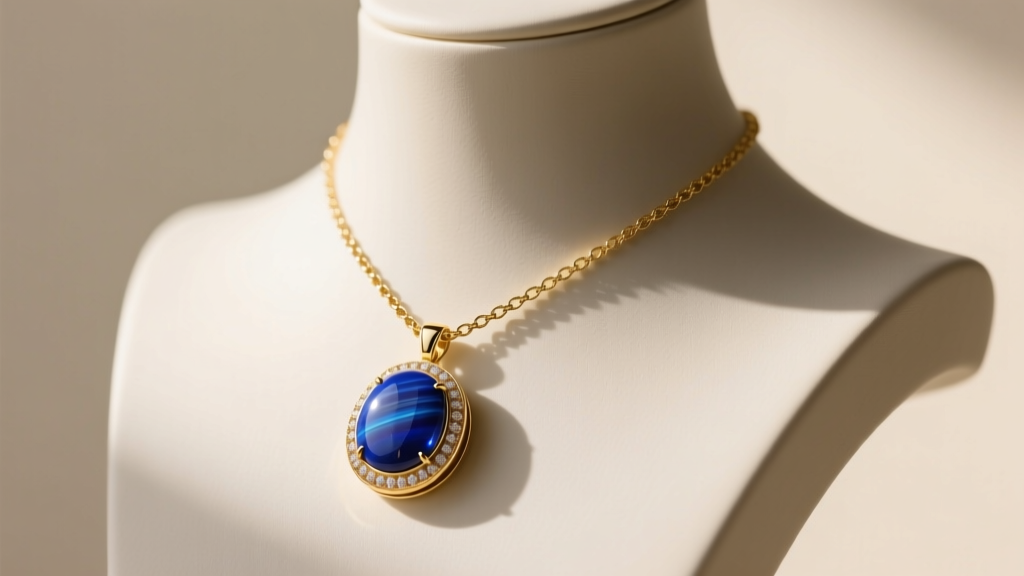
Avoid delicate cable or snake chains, which can easily kink or catch on the porous surface of the lapis if the stone shifts. Instead, opt for a 14k gold box chain or a rope chain. Box chains offer a smooth, geometric surface that glides through the pendant bail without friction, while rope chains provide a textured, vintage aesthetic that pairs beautifully with the golden pyrite flecks in the stone.
Length and Drop
- 16-Inch (Choker/Collarbone): Best for smaller, minimalist lapis sliders (under 10mm). Ideal for high-neck blouses and professional environments.
- 18-Inch (Princess): The universal standard. Allows a medium-sized cabochon (15mm) to rest perfectly in the sternal notch, drawing the eye and framing the face.
- 24-Inch (Matinee/Opera): Reserved for large, heavy statement pieces or tassel pendants. Best worn over solid-colored garments where the deep blue can serve as the focal point of the outfit.
Care and Maintenance: The Recipient's Guide
Gifting a lapis lazuli necklace also means gifting the knowledge of how to preserve it. Lapis is a porous aggregate. Many commercial stones are treated with colorless wax or resin to improve the polish and seal the surface. Never allow the recipient to clean the necklace in an ultrasonic cleaner. The high-frequency vibrations can fracture the calcite veins, and the heat can melt the protective wax coating, leaving the stone dull and vulnerable to staining.
Instead, provide a soft, damp microfiber cloth for gentle wiping after wear. Advise the recipient to apply perfumes, hairsprays, and lotions before putting on the necklace, as the chemicals in cosmetics can permanently discolor the porous lazurite matrix. When storing, the pendant should be kept in a soft pouch, isolated from harder gemstones like diamonds or sapphires that could easily scratch its 5.5 Mohs surface.
By understanding the intricate balance of lazurite saturation, gold karat durability, and occasion-specific symbolism, you can select a lapis lazuli necklace that transcends mere accessory status, becoming a profound, wearable artifact of personal history.


