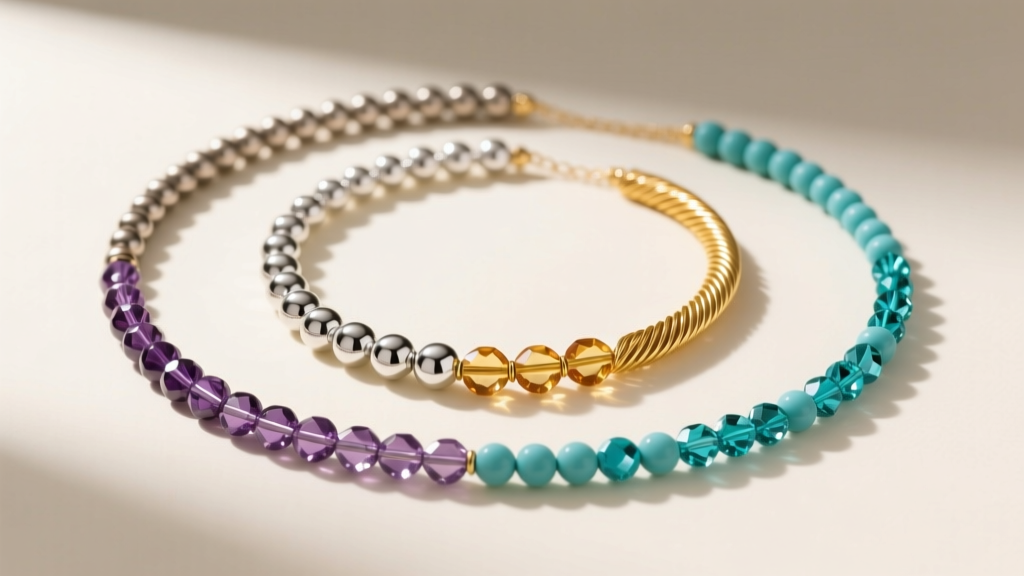
Decoding the Aesthetic Necklace: Metals, Gauges & Construction
Discover the technical anatomy of an aesthetic necklace. Learn how to evaluate chain gauges, metal grades, and clasp construction for lasting wear.

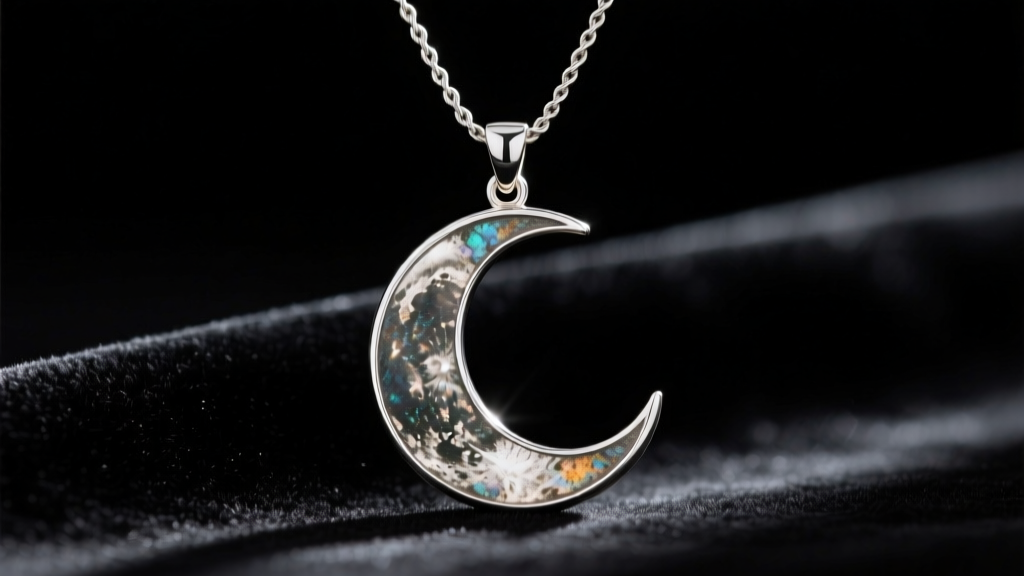
The term "aesthetic necklace" has dominated social media and search trends for years, encompassing everything from dark academia signets and cottagecore florals to Y2K celestial motifs. However, as we move through 2026, a distinct divide has emerged between trend-driven fast fashion and structurally sound semi-fine jewelry. For the discerning collector, an aesthetic necklace must be more than a fleeting visual trope; it must be a masterclass in metallurgy, gauge selection, and structural integrity.
In this expert deep dive, we deconstruct the technical anatomy of aesthetic necklaces. We will examine the exact American Wire Gauge (AWG) specifications required for different visual styles, the chemical realities of antiquing treatments, and the mechanical failure points of mass-produced clasps.
The Metallurgy of Trend-Driven Jewelry
The foundation of any durable aesthetic necklace is its base metal. Fast fashion brands frequently rely on zinc alloys (often marketed as "Tibetan silver" or "antique bronze") plated with microscopic layers of copper or nickel. According to dermatological research on contact dermatitis and nickel allergies, these cheap alloys are the primary culprits behind the green skin discoloration and allergic reactions associated with low-tier aesthetic jewelry.
For a piece to endure daily wear while maintaining its specific aesthetic, it must be crafted from stable, non-reactive base metals:
- 925 Sterling Silver: The gold standard for Dark Academia and Celestial aesthetics. It contains 92.5% pure silver and 7.5% copper. The copper provides necessary tensile strength, though it requires occasional polishing to manage natural tarnish.
- Jeweler's Brass (Red Brass): Composed of 85% copper and 15% zinc, this alloy offers a warm, vintage gold tone perfect for Cottagecore and Victorian-revival pieces. It is significantly more durable than yellow brass and develops a rich, organic patina over time.
- Nickel-Free Bronze: Ideal for heavy, sculptural Grunge or Gothic pendants. Bronze is harder than brass and holds intricate casting details exceptionally well.
Decoding Chain Gauges for Specific Aesthetics
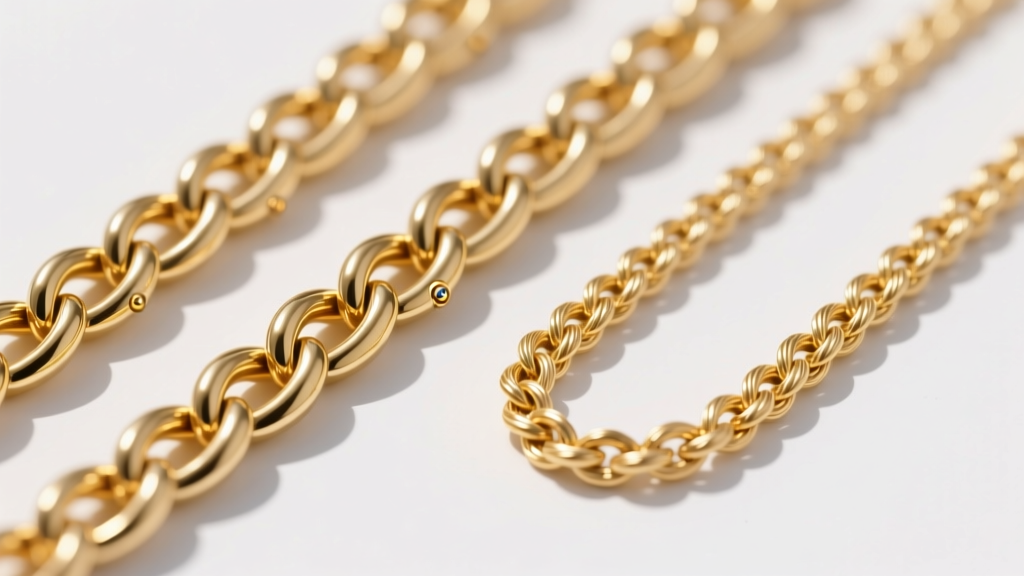
The visual weight and structural survival of an aesthetic necklace are dictated by its chain gauge. Gauge refers to the thickness of the wire used to form the chain links. A common failure mode in trend-driven jewelry is pairing a heavy, solid-cast pendant with a micro-gauge chain, resulting in immediate tensile failure.
| AWG Size | Millimeter (mm) | Ideal Aesthetic | Tensile Reality & Limitations |
|---|---|---|---|
| 16 AWG | 1.29mm | Chunky Y2K, Grunge | Highly durable; supports heavy cast pendants up to 40g without link distortion. |
| 18 AWG | 1.02mm | Dark Academia, Signet | Excellent balance of visual weight and strength. Ideal for everyday layering. |
| 20 AWG | 0.81mm | Celestial, Ethereal | Medium strength. Best for lightweight hollow pendants or solid pieces under 10g. |
| 22 AWG | 0.64mm | Cottagecore, Delicate | Low tensile strength. Highly prone to kinking and snapping if caught on fabric. |
| 24+ AWG | <0.50mm | Fairycore, Micro | Structural liability. Should only be used for temporary, ultra-lightweight styling. |
As noted by technical suppliers like Rio Grande, the structural integrity of a chain is not just about wire thickness, but whether the jump rings are soldered. Unsoldered 20-gauge links will pull apart under a 5-pound load, whereas soldered links distribute the tensile stress across the entire chain.
Surface Treatments: Patinas and Enamels
The "vibe" of an aesthetic necklace is heavily reliant on surface manipulation. Understanding the chemistry behind these treatments separates heirloom-quality pieces from disposable accessories.
Dark Academia & Gothic: Liver of Sulfur
To achieve the brooding, antique look characteristic of Dark Academia, jewelers use Liver of Sulfur (potassium polysulfide). This chemical solution reacts with the copper in sterling silver or brass to create a dark, gunmetal-black oxidation layer. High-quality pieces are oxidized and then selectively polished, leaving the recesses dark and the high points bright, creating dramatic contrast. Cheap alternatives use acrylic black paint or rhodium plating, which flakes off within months of friction.
Cottagecore & Celestial: Vitreous vs. Cold Enamel
Floral, fairy, and celestial motifs often incorporate color. The technical divide here is between vitreous enamel and cold enamel.
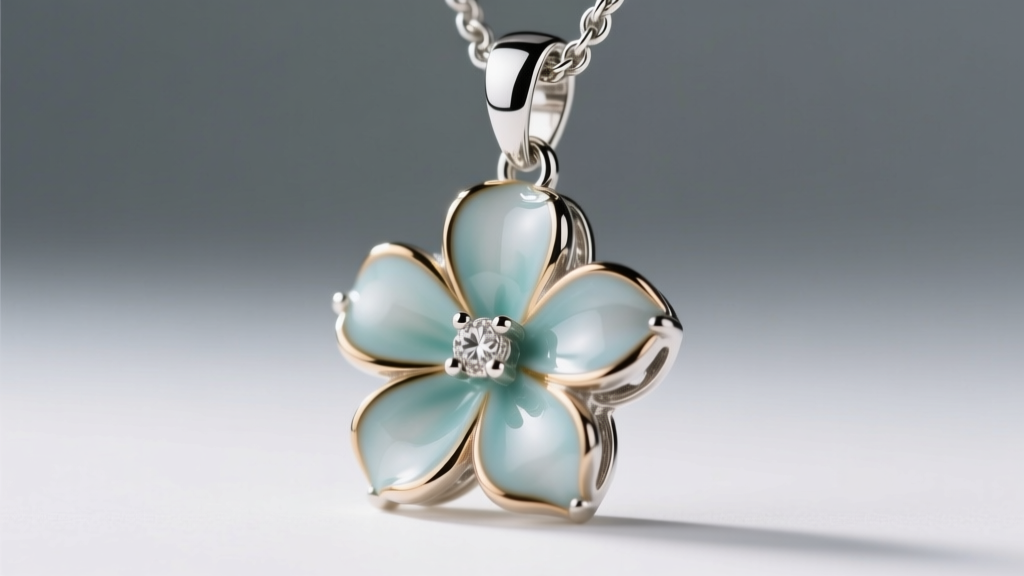
"Vitreous enamel is essentially fused glass, fired in a kiln at over 1400°F. It is UV-stable, scratch-resistant, and will outlast the metal it sits on. Cold enamel is merely a two-part epoxy resin that yellows and degrades under UV exposure within a few years." — Master Bench Jeweler Technical Standards
When sourcing a cottagecore floral pendant, always verify if the color is kiln-fired vitreous enamel or painted resin. The Gemological Institute of America (GIA) frequently highlights the longevity of vitreous techniques in historical and contemporary metalwork.
Findings and Mechanical Failure Points
The clasp and the jump rings connecting the clasp to the chain are the most common points of catastrophic failure in aesthetic necklaces.
- Spring Ring Clasps: Standard on chains under $40. They rely on a tiny internal steel spring that frequently corrodes or loses tension, causing the necklace to slip off unnoticed.
- Lobster Clasps: The minimum acceptable standard for semi-fine aesthetic jewelry. They offer a larger grip surface and a more robust internal mechanism.
- Jump Ring Integrity: The jump ring connecting the pendant to the chain must be soldered shut or feature a heavy-gauge split design. An unsoldered, thin-gauge jump ring will easily warp into an oval shape under the pendulum motion of a walking wearer, eventually dropping the pendant.
The 2026 Pricing Matrix: What Should You Pay?
Understanding the technical specifications of an aesthetic necklace allows you to accurately gauge its market value. Use this matrix to evaluate whether a piece is priced according to its material reality or merely its trend factor.
| Tier | Price Range | Materials & Construction | Verdict |
|---|---|---|---|
| Fast Fashion | $12 - $35 | Zinc alloy, nickel flash, cold enamel, unsoldered 24g chains. | Avoid for sensitive skin; treat as disposable styling props. |
| Semi-Fine Artisan | $65 - $180 | Solid 925 silver or jeweler's brass, vitreous enamel, soldered 18-20g chains, lobster clasps. | The sweet spot for durable, authentic aesthetic expression. |
| Fine Jewelry | $350+ | 14k/18k solid gold, custom CAD casting, laser-welded links, ethically sourced gem accents. | Investment-grade; elevates the aesthetic to a permanent wardrobe staple. |
Expert Verdict: Building a Durable Aesthetic Stack
Curating a layered aesthetic necklace stack requires balancing visual textures with mechanical compatibility. Never layer a heavy 16-gauge oxidized chain with a delicate 22-gauge fairycore chain; the friction and weight disparity will cause the lighter chain to stretch, kink, and eventually snap. Instead, maintain a 2-gauge variance between layers (e.g., pairing a 20-gauge celestial chain with an 18-gauge signet chain) to ensure both structural safety and visual depth. By prioritizing metallurgical integrity and precise gauge selection, your aesthetic jewelry will transcend fleeting trends and become a lasting component of your personal style architecture.