The Ultimate Ball Beads Necklace Material Comparison Guide
Discover the ultimate ball beads necklace material comparison. We analyze titanium, silver, gold-filled, and gemstones for durability, weight, and value.
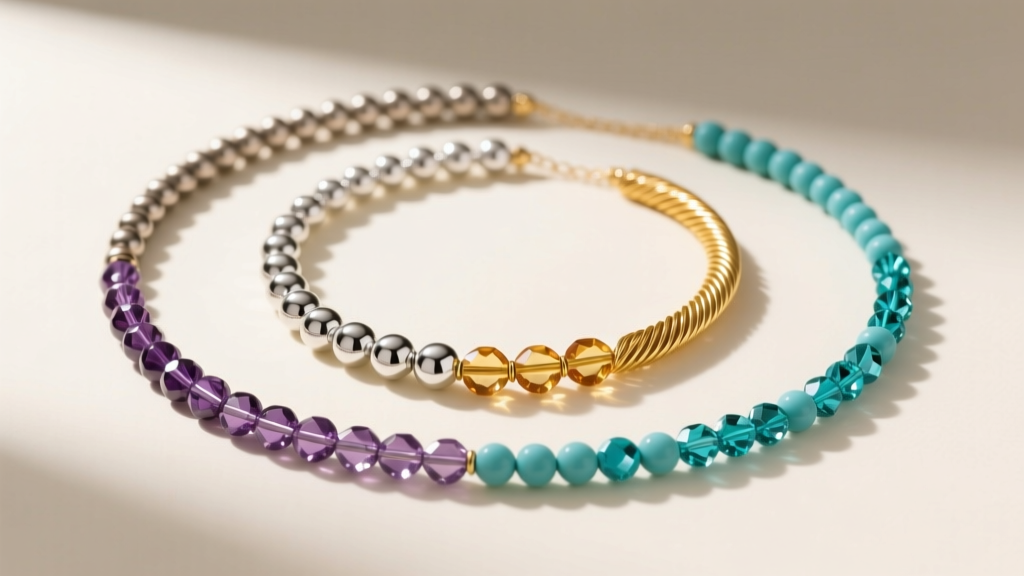
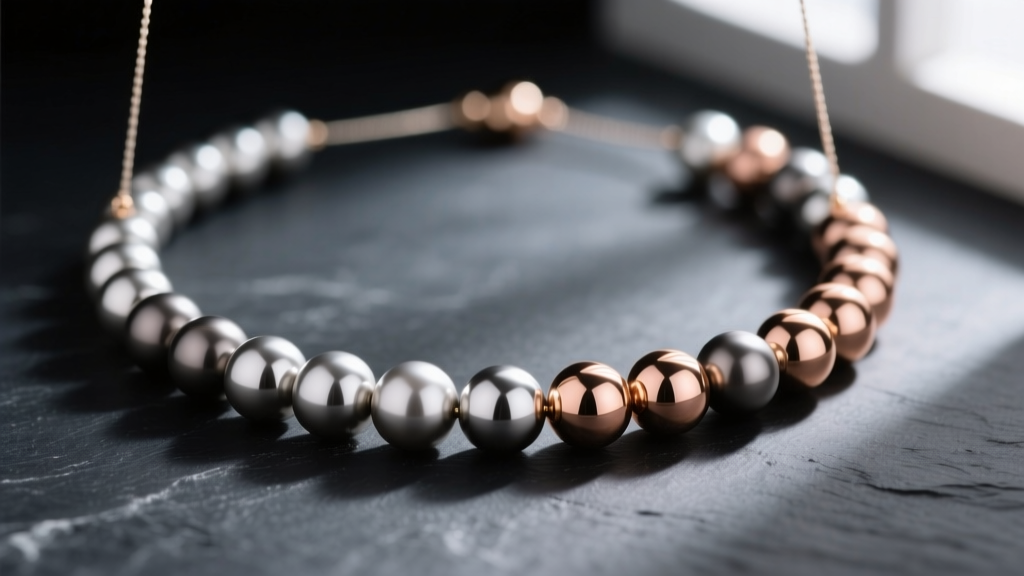
The Anatomy of a Ball Beads Necklace
The ball beads necklace is a masterclass in minimalist geometry. Unlike complex pendant arrangements or faceted gemstone cuts, the spherical bead relies entirely on its material properties, surface finish, and light reflection to make an impact. However, not all spheres are created equal. A necklace that looks identical on a display bust can vary wildly in longevity, skin compatibility, and structural integrity based on its metallurgical or mineral composition. As we navigate the jewelry market in 2026, understanding the exact material grades and failure modes of spherical beads is critical for both collectors and everyday wearers. This guide breaks down the precise properties of the most common materials used in ball bead necklaces, moving beyond marketing jargon into actionable, metallurgical realities.
Base Metals: Titanium, Surgical Steel, and Sterling Silver
The foundation of most modern metal ball beads lies in three distinct alloys, each with specific advantages and structural limitations.
ASTM F136 Implant-Grade Titanium
Titanium has surged in popularity due to its unparalleled biocompatibility. When sourcing a titanium ball beads necklace, look specifically for ASTM F136 Grade 5 (Ti-6Al-4V ELI). This extra-low interstitial alloy contains 6% aluminum and 4% vanadium, making it completely hypoallergenic and immune to nickel sensitivities. With a density of 4.43 g/cm³, titanium beads are roughly 45% lighter than steel, allowing for oversized, chunky bead designs that do not strain the cervical spine. Furthermore, titanium naturally forms a passive oxide layer, rendering it entirely impervious to tarnish, sweat, and chlorine.
316L Surgical Stainless Steel
Surgical steel offers a brilliant, mirror-like polish at a fraction of the cost of precious metals. The "L" denotes low carbon, which enhances corrosion resistance. However, 316L contains between 8% and 10.5% nickel. While the nickel is largely bound within the crystalline structure of the steel, prolonged exposure to acidic sweat can cause ion leaching, triggering contact dermatitis in the 10-15% of the population with nickel allergies. Steel beads are heavy (density of 8.0 g/cm³), giving the necklace a premium, substantial drape, but they require occasional polishing to remove surface oxidation.
925 Sterling Silver
Sterling silver is an alloy of 92.5% pure silver and 7.5% copper. It is the copper that gives the metal its structural hardness, but it is also the culprit behind silver sulfide tarnish. When purchasing silver ball beads, verify if they are "rhodium-flashed." A microscopic layer of rhodium (typically 0.1 to 0.3 microns thick) acts as a barrier against sulfur in the air. Be aware that once this ultra-thin plating wears off from bead-on-bead friction, the underlying silver will require regular polishing with a treated jeweler's cloth.
Precious Metals and Plating Standards
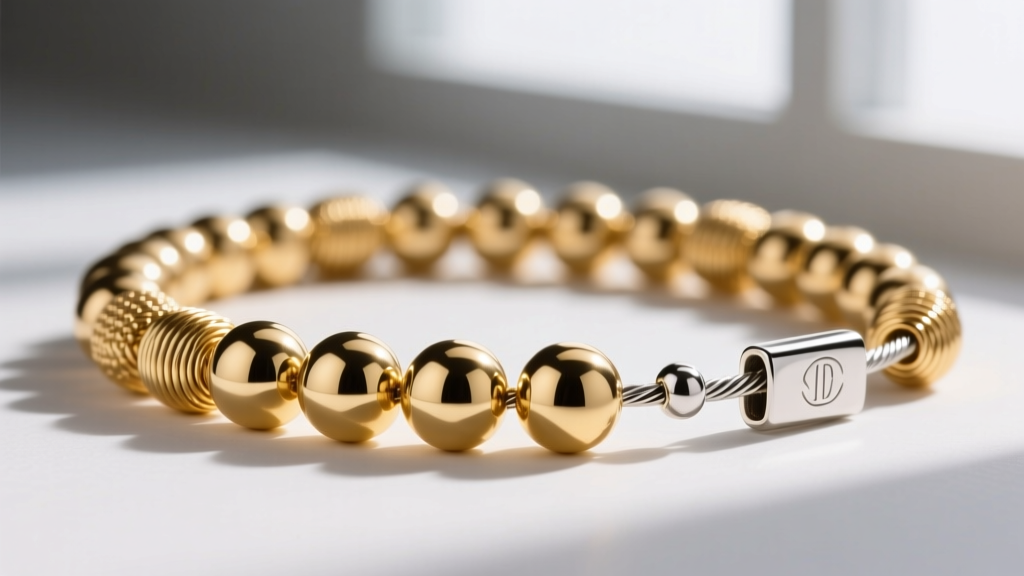
When evaluating gold-toned ball beads, the terminology dictates the lifespan of the necklace. The Federal Trade Commission (FTC) enforces strict guidelines on how these materials can be labeled, which directly impacts your purchasing decisions.
- Gold Vermeil: To legally be called vermeil, the bead must have a sterling silver base plated with at least 10k gold that is a minimum of 2.5 microns thick. While beautiful, the thin gold layer will eventually wear through at the drill holes and friction points, exposing the silver beneath.
- Gold-Filled (GF): Often stamped as 1/20 14k GF, this material consists of a brass core mechanically bonded with a gold layer that makes up at least 5% of the total weight. Gold-filled ball beads are vastly superior to vermeil for everyday wear, as the gold layer is up to 100 times thicker than standard electroplating and will not flake or peel under normal conditions.
- Solid Gold (14k or 18k): Solid gold ball beads are an investment. 14k gold (58.5% pure gold) offers the best balance of rich color and structural hardness, resisting the denting that can occur when heavy solid beads collide. 18k gold (75% pure) is softer and more prone to micro-scratches but offers a deeper, warmer saturation.
Non-Metal Spheres: Gemstones and Glass
For those seeking organic textures and vibrant colors, mineral and glass ball beads offer distinct aesthetic profiles. According to the Gemological Institute of America (GIA), understanding the Mohs hardness scale is vital when selecting gemstone beads to ensure they survive daily wear.
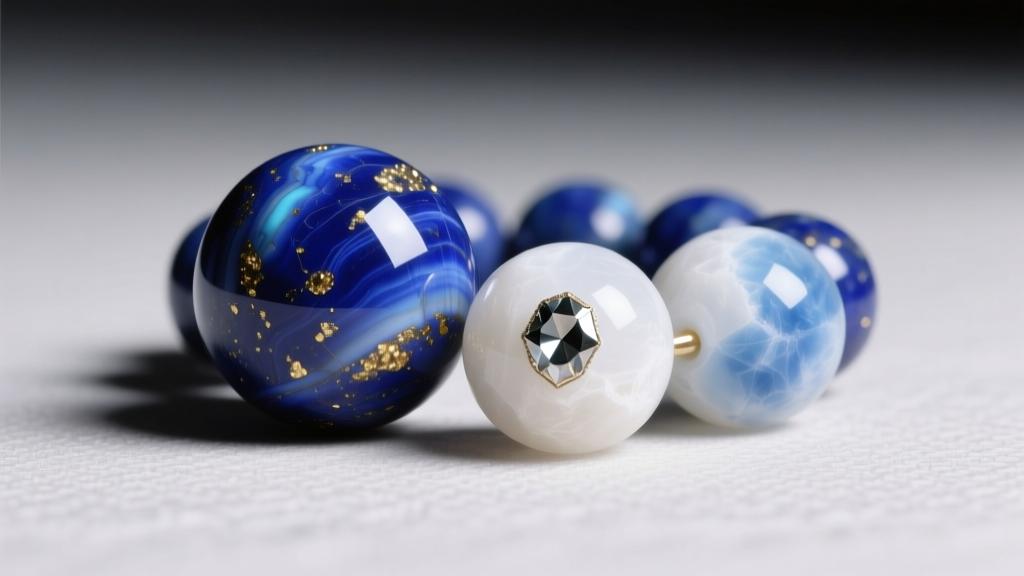
Natural Gemstones: Materials like Black Onyx (Mohs 7) and Lapis Lazuli (Mohs 5-6) are popular for spherical cutting. However, softer, porous stones like turquoise or malachite require special care. They are often stabilized with clear epoxy resins to prevent cracking during the drilling process and to protect against skin oils. Always check if a gemstone bead is "dyed"—a common practice for howlite (sold as turquoise) or agate (sold as lapis). Genuine lapis lazuli will feature metallic pyrite inclusions, whereas dyed howlite will show uniform, web-like cracking where the dye has pooled.
Lampwork and Borosilicate Glass: High-quality glass beads are kiln-annealed to relieve internal thermal stress, preventing spontaneous shattering. Borosilicate glass offers superior thermal shock resistance and a higher refractive index, giving the beads a luminous, almost gem-like quality. Beware of cheap, mass-produced glass beads that lack proper annealing; these are prone to chipping around the drill holes when subjected to the tension of jewelry wire.
Comprehensive Material Comparison Matrix
The following table synthesizes the critical data points required to choose the right material for your specific lifestyle, skin chemistry, and budget.
| Material | Density (g/cm³) | Hypoallergenic | Tarnish Resistance | Avg. Price (18-inch) |
|---|---|---|---|---|
| ASTM F136 Titanium | 4.43 | Yes (100%) | Excellent | $45 - $90 |
| 316L Surgical Steel | 8.00 | No (Contains Ni) | Very Good | $20 - $40 |
| 925 Sterling Silver | 10.36 | Mostly | Poor (Oxidizes) | $60 - $150 |
| 14k Gold-Filled | 8.50 (Brass core) | Yes | Excellent | $80 - $180 |
| Natural Black Onyx | 2.65 | Yes | Excellent | $35 - $75 |
Stringing Mechanics and Failure Modes
The structural integrity of a ball beads necklace relies heavily on the stringing medium and the internal geometry of the beads. Metal ball beads typically feature generous drill holes ranging from 1.5mm to 2.0mm. In contrast, natural gemstones are usually drilled at a much narrower 0.8mm to 1.0mm to preserve carat weight and minimize the risk of the stone splitting during the manufacturing process.
For heavy metal spheres, a 49-strand micro-fused stainless steel wire (such as 0.018-inch Soft Flex) is mandatory. Nylon or silk threads will inevitably fray and snap against the sharp, unpolished internal edges of metal bead holes. A critical failure mode unique to metal ball bead necklaces is bead-on-bead friction. When identical metal spheres rub together continuously, they act as mild abrasives, creating micro-scratches and dulling the mirror finish over time. To mitigate this, expert bench jewelers utilize 1mm silicone micro-spacers between each bead, or employ traditional silk knotting techniques to keep the spheres separated.
Targeted Care and Maintenance
Maintaining the luster of your necklace requires material-specific protocols. Ultrasonic jewelry cleaners are highly effective for titanium, surgical steel, and solid gold, using high-frequency sound waves to dislodge sebum and dead skin cells from the crevices around the clasp and crimp beads. However, ultrasonic vibrations will shatter porous gemstones like turquoise and lapis lazuli, and will strip the microscopic rhodium flashing off sterling silver beads. For plated materials like vermeil, stick to a gentle wash with warm water and a few drops of phosphate-free dish soap, drying immediately with a microfiber cloth to prevent water spots.
Expert Insight: "Always store your ball bead necklaces hanging vertically or laid perfectly flat in a velvet-lined tray. Tossing them into a communal jewelry box allows the heavy spherical beads to act as hammers, denting softer metals and chipping the edges of glass or gemstone beads during transit."
By understanding the precise metallurgical and mineralogical properties of your jewelry, you can select a ball beads necklace that not only complements your personal style but stands up to the rigors of daily wear for decades to come.


