How to Style, Tie, and Care for a Red Samoan Necklace
Learn how to style, tie, and preserve your red Samoan necklace. Discover traditional Polynesian knots, neckline pairings, and material care tips.

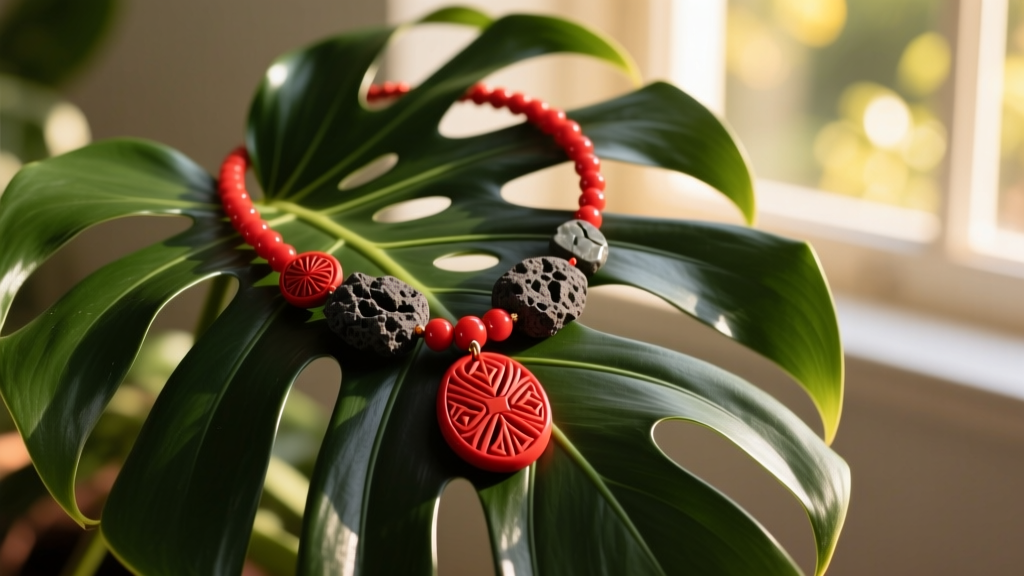
Integrating heritage jewelry into a contemporary wardrobe requires more than just an eye for aesthetics; it demands an understanding of cultural context, material behavior, and structural styling. The red Samoan necklace is a striking example of Polynesian adornment that bridges ancient tradition and modern statement-making. Whether crafted from dyed sennit, carved volcanic stone, or red pandanus, these pieces carry deep historical weight and require specific care to maintain their vibrant pigments and structural integrity.
This comprehensive guide will walk you through the cultural significance of the red Samoan necklace, provide a step-by-step tutorial on tying the traditional adjustable sliding knot, and offer a precise styling framework for various necklines. We will also cover the exact material grades you should look for and the preservation techniques required to protect natural Polynesian dyes from environmental degradation.
The Cultural Weight of Red in Samoan Adornment
In Samoan culture, color is never arbitrary. Red (mumu) is deeply tied to mana (spiritual power), vitality, and the life force. Historically, red adornments were reserved for the matai (chiefly class) and high-ranking orators. The most prized historical iterations of these necklaces utilized the brilliant crimson feathers of the sega (collared lory parrot) or fibers dyed with the rich, rust-red root of the nonu (noni) plant.
According to the Pacific collections archived at Te Papa Tongarewa, the use of red in Polynesian textiles and adornment was a complex chemical and spiritual process. Today, authentic artisans replicate these historic hues using sustainably harvested red pandanus fruit, naturally oxidized volcanic glass, or Toa (ironwood) stained with traditional botanical dyes. When you wear a red Samoan necklace, you are participating in a visual language that signifies respect, strength, and a connection to the ancestral lineage of the Pacific Islands.
Step-by-Step: Tying the Traditional Polynesian Adjustable Knot
Authentic Samoan necklaces rarely feature metal clasps, which can corrode in humid, salt-air environments and detract from the organic aesthetic. Instead, they rely on a woven cord secured by a sliding square knot (a variation of the macrame square knot). This allows the necklace to be adjusted to the perfect drop length for any neckline. Here is how to tie it securely without damaging the natural fibers.
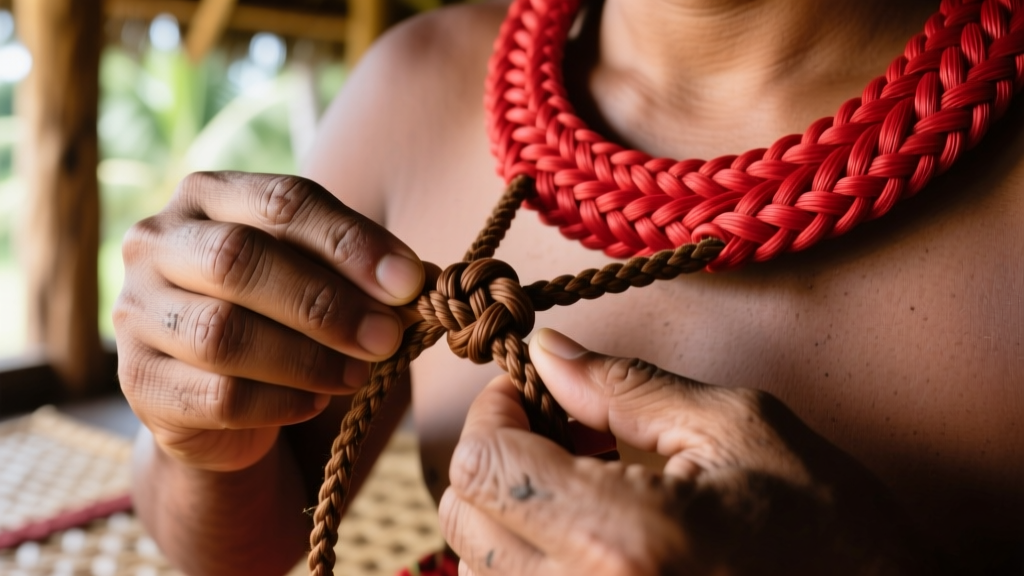
The Sliding Square Knot Technique
- Overlap the Cords: Lay the necklace flat. Cross the right cord over the left cord, creating an 'X' about two inches below the pendant or central beadwork.
- The First Half-Knot: Take the right cord (now on the left side) and loop it under the left cord, then bring it up and over the top of both cords, pulling it through the loop you just created. Pull snug, but do not tighten completely.
- The Second Half-Knot: Now take the left cord (currently on the right side), loop it under the main right cord, bring it up and over, and pass it through the center loop.
- Set and Slide: Pull both outer ends simultaneously to tighten the knot around the two inner main cords. The knot should grip tightly when pulled, but slide smoothly along the main cords when you pinch and push the knot itself.
Troubleshooting Cord Slippage
- If the knot is too loose: Natural sennit (coconut fiber) can compress over time. Rub a tiny amount of natural beeswax into the knot area to increase friction and grip.
- If the cord frays at the ends: Do not use synthetic superglue. Instead, tightly wrap the last 5mm of the cord with fine cotton thread and seal it with a drop of clear, flexible jewelry resin or traditional tree sap.
Neckline Pairings and Styling Framework
The visual impact of a red Samoan necklace depends heavily on the structural balance between the pendant's drop length and the garment's neckline. Red is a high-contrast, dominant color that draws the eye immediately to the chest and face. Below is a decision matrix for styling these pieces in both casual and formal settings.
| Garment Neckline | Ideal Drop Length | Styling Context & Fabric Pairing |
|---|---|---|
| Deep V-Neck | 24 - 28 inches | Bohemian or resort wear. Pairs best with lightweight linen or raw silk to echo the organic nature of the necklace. |
| Crew Neck (T-Shirt) | 18 - 20 inches | Streetwear or casual daily wear. The red pendant should sit exactly 1 inch below the cotton collar line for sharp contrast. |
| Scoop Neck | 20 - 24 inches | Smart-casual evening events. Ensure the necklace rests on the skin, not on the fabric, to prevent the red dye from transferring. |
| Collared Button-Down | 22 - 26 inches | Resort-formal. Wear over an unbuttoned linen shirt. The necklace should rest on the sternum, acting as a central focal point. |
Material Authenticity: What Makes It Truly Samoan?
When sourcing a red Samoan necklace, understanding material grades is critical to avoid mass-produced, synthetic imitations. True Polynesian jewelry relies on specific regional materials that respond uniquely to wear and environmental factors.
1. Red Sennit (Coconut Husk Fiber)
Sennit is the backbone of traditional Samoan cordage. To achieve a red hue, artisans dye the braided coconut fibers using the bark and root of the nonu (Morinda citrifolia) tree. Authentic dyed sennit will have a slightly uneven, rustic color gradient and a distinct, earthy scent when new. Synthetic alternatives will appear uniformly bright and smell of petroleum.
2. Carved Toa (Ironwood) and Volcanic Stone
Pendants are frequently carved from Toa wood, which is dense, sink-resistant, and takes natural dyes exceptionally well. Red volcanic glass (a localized form of obsidian) is also used for sharper, geometric pendants. According to historical artifact data from the Bishop Museum, authentic carved motifs (such as the turtle or tiki) will feature tool marks consistent with hand-carving, lacking the perfectly symmetrical, polished grooves of CNC-machined tourist replicas.
Preservation and Care for Natural Fibers
Natural dyes and organic fibers are highly susceptible to UV degradation and moisture rot. If you live in a humid climate or plan to wear your necklace near the ocean, a strict maintenance protocol is required.
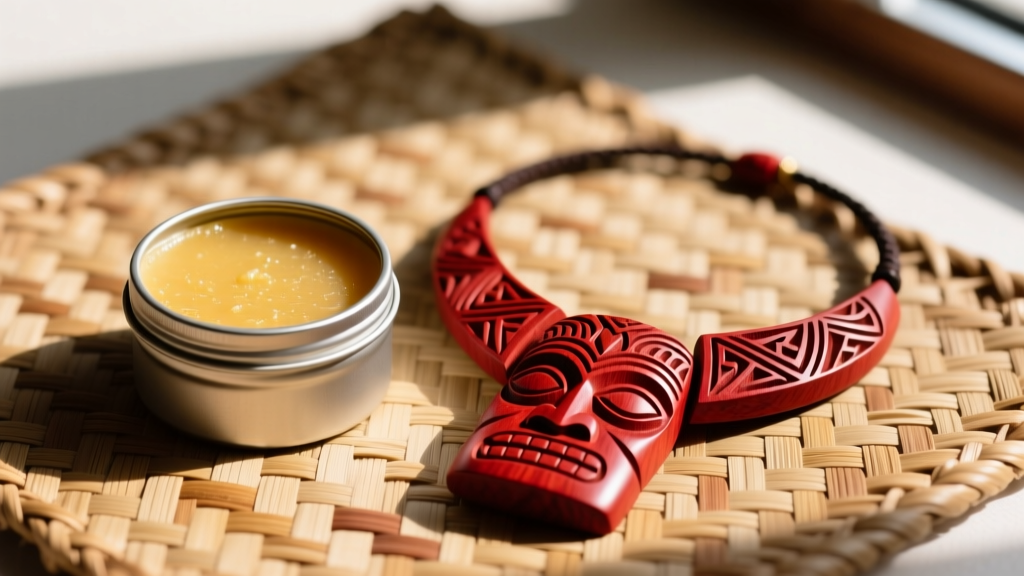
The 3-Step Maintenance Routine
- UV Protection: The red nonu dye will fade to a dull brown if exposed to direct, prolonged sunlight. Store the necklace in a dark, breathable cotton pouch when not in use. Never leave it on a car dashboard or near a sunlit window.
- Moisture Control: While sennit is naturally water-resistant, prolonged submersion in saltwater will cause the fibers to swell and eventually rot. If the necklace gets wet, lay it flat in a shaded, well-ventilated area to dry completely before storing.
- Annual Conditioning: Once a year, apply a micro-layer of pure, unbleached beeswax to the cord. Rub the wax between your fingers to melt it slightly, then pinch and slide it along the length of the cord. This conditions the fibers, prevents fraying, and locks out ambient moisture.
Expert Sourcing Tip: Always verify the origin of your jewelry. The Samoa Tourism Authority actively promotes local artisan cooperatives. Purchasing directly from certified Samoan makers ensures that the botanical dyes are harvested sustainably and that the economic benefits remain within the local communities preserving these ancient craft traditions.
Final Thoughts on Wearing Polynesian Heritage
A red Samoan necklace is a masterclass in organic jewelry design. By mastering the adjustable sliding knot, pairing the piece with structurally complementary necklines, and committing to a rigorous natural-fiber care routine, you ensure that the necklace remains a vibrant, enduring part of your wardrobe. More importantly, treating the piece with technical care is a direct reflection of the respect owed to the rich, ancestral craftsmanship of the Pacific Islands.


