The Ultimate Beginner's Guide to Buying a Tiki Necklace
Discover the meaning, materials, and styling tips for your first tiki necklace. Learn how to choose authentic wood, bone, or jade carvings.

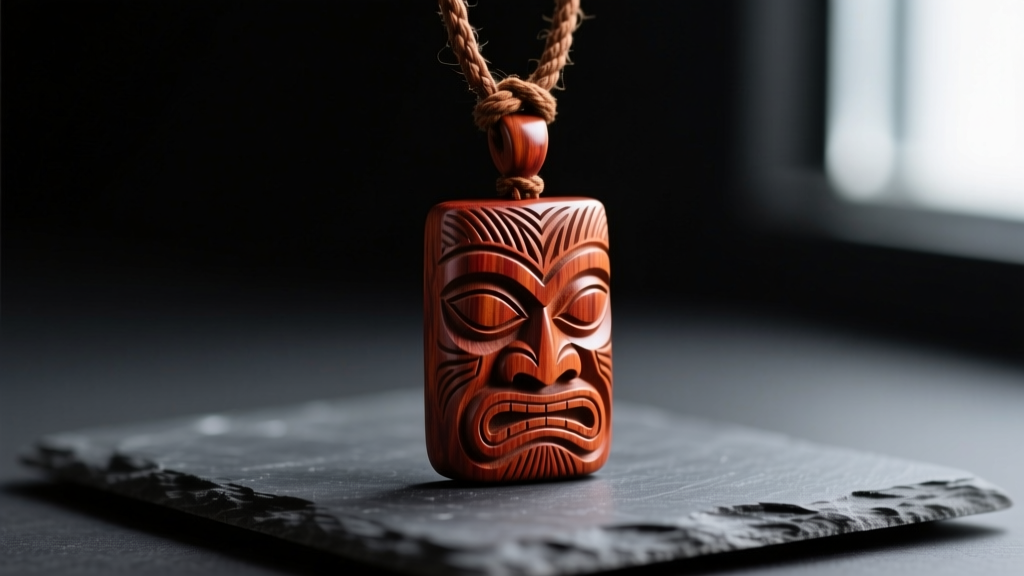
As we navigate the jewelry landscape in 2026, there has been a definitive shift away from mass-produced, culturally appropriative souvenirs toward ethically sourced, artisan-crafted heritage pieces. At the forefront of this movement is the tiki necklace. Far more than a mere tropical fashion statement, a genuine tiki pendant is a wearable piece of Polynesian, Maori, or Hawaiian history, rich with spiritual symbolism and masterful craftsmanship.
For beginners, the market can be overwhelming. How do you distinguish between a cheap resin casting and a master-carved artifact? Which materials hold up to daily wear, and what do the various facial expressions actually mean? This comprehensive explainer will decode the symbolism, break down the material matrix, and provide actionable styling and care frameworks for your first authentic tiki necklace.
Decoding the Symbolism: What Does the Tiki Represent?
In Polynesian and Maori mythology, the Tiki is widely revered as the first human, a creator figure, and a powerful protector. Wearing a tiki pendant is traditionally believed to bring good luck, ward off evil spirits, and promote fertility and strength. However, not all tiki carvings are identical. The specific tilt of the head, the position of the hands, and the facial expressions convey distinct meanings.
- The Protector (Fierce Expression): Characterized by wide eyes, a protruding tongue, and bared teeth. This design is meant to intimidate evil spirits and protect the wearer from harm.
- The Provider (Hands on Belly): Often depicted with hands resting on the stomach, symbolizing fertility, abundance, and the nurturing of life.
- The Thinker (Tilted Head): A head tilted to one side with a serene expression represents wisdom, deep thought, and connection to the ancestors.
According to cultural historians at the Bishop Museum in Hawaii, the geometric patterns etched into the borders of the pendant (such as shark teeth or ocean waves) further anchor the carving to specific island lineages and natural elements.
The Material Matrix: Wood, Bone, Jade, and Metal
The longevity, price, and spiritual weight of your tiki necklace depend entirely on its base material. Below is a comparative framework to help you choose the right medium for your lifestyle and budget.
| Material | Durability & Mohs Scale | Average Price Range | Best For |
|---|---|---|---|
| Hawaiian Koa Wood | Low (Organic). Susceptible to water damage. | $80 - $350+ | Collectors, cultural purists, occasional wear. |
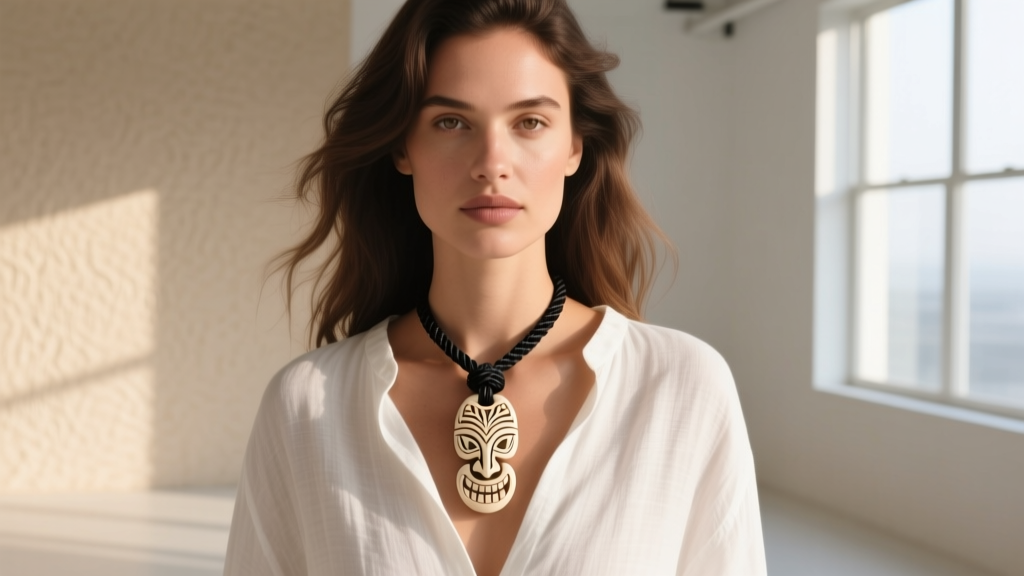
| Bovine / Camel Bone | Medium (2.5). Porous, absorbs skin oils. | $45 - $180 | Everyday wear, surfers, beachgoers. |
| Nephrite Jade (Pounamu) | High (6.0 - 6.5). Extremely tough, chip-resistant. | $150 - $1,200+ | Heirloom pieces, luxury gifts, lifetime wear. |
| 925 Sterling Silver | Medium (2.5 - 3). Tarnishes, scratches easily. | $60 - $250 | Urban styling, modern minimalist aesthetics. |
Deep Dive: The Allure of Nephrite Jade
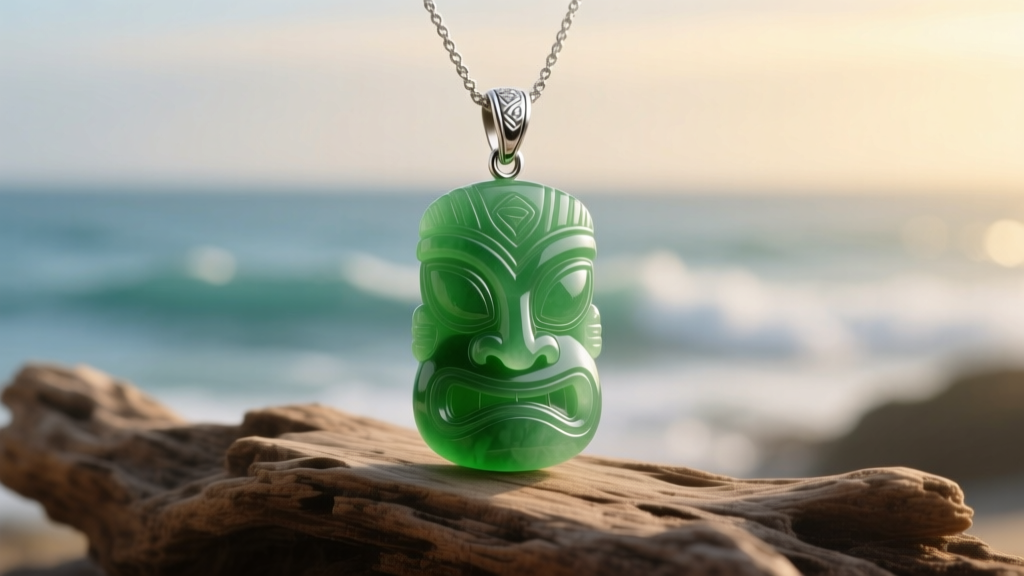
In Maori culture, greenstone (Pounamu) is considered a living taonga (treasure). When purchasing a jade tiki necklace, it is crucial to verify that you are buying nephrite rather than jadeite or dyed serpentine. The Gemological Institute of America (GIA) notes that nephrite possesses a fibrous interlocking crystalline structure, making it incredibly resistant to shattering—a vital trait for a pendant that rests against the chest during active movement. Always request a certificate of authenticity for jade pieces priced over $300.
Selecting the Right Cord and Hardware
A common beginner mistake is pairing a master-carved $200 bone tiki with a cheap, fraying cotton string. The cord is the structural lifeline of your necklace. Here are the top three choices for 2026:
- Waxed Cotton Cord (1.5mm - 2mm): The gold standard for bone and wood pendants. The wax coating makes it highly water-resistant and prevents fraying from saltwater and sweat. It holds an adjustable macrame sliding knot beautifully.
- Braided Paracord (550 lb test): Ideal for heavy jade or large wooden tikis. It offers immense tensile strength and a rugged, utilitarian aesthetic. Look for paracord with a woven outer sheath to prevent skin irritation.
- Omega Chains or Sterling Ropes: Best reserved for metal tiki pendants or smaller, highly polished jade pieces with a silver bail. Never use metal chains with raw wood or bone, as the friction will rapidly degrade the organic material around the drill hole.
Pro-Tip on Knots: Avoid fixed metal clasps if you plan to wear your tiki necklace in the ocean. Saltwater corrodes cheap alloy lobster clasps within weeks. Instead, learn to tie a macrame square knot slider. It allows you to adjust the length from 18" to 28" on the fly and eliminates hardware failure points entirely.
Sizing and Neckline Pairing Framework
The visual impact of a tiki pendant relies heavily on where it rests on the chest. Because tikis are often vertically elongated and visually heavy, standard choker lengths (14"-16") rarely work unless the carving is miniature.
- The 18-Inch Drop (Collarbone): Best for small to medium bone or silver tikis (under 1.5 inches). Pairs perfectly with V-neck t-shirts, open linen shirts, and casual summer wear.
- The 22-Inch Drop (Sternum): The sweet spot for most traditional wood and jade carvings. This length allows the pendant to rest over crewneck t-shirts or lightweight sweaters, making it a versatile year-round accessory.
- The 26-Inch Drop (Mid-Chest): Reserved for oversized, statement-piece carvings. This length is heavily favored in streetwear and surf-skate culture, meant to be layered over hoodies or worn bare-chested.
Authenticity and Ethical Sourcing
The market is flooded with laser-engraved resin and plastic tikis masquerading as hand-carved artifacts. To ensure you are buying an authentic piece, apply the T.I.S. Test:
- Temperature: Real jade and bone feel noticeably cold to the touch and take several seconds to warm up against the skin. Resin and plastic warm up almost instantly.
- Imperfections: Hand-carved wood and bone will have slight asymmetries. If the left eye and right eye are mathematically identical, it was likely CNC-machined or cast in a mold.
- Sourcing: Look for artisans who comply with CITES regulations, especially regarding wood. Ethical carvers use reclaimed Koa wood or sustainably harvested New Zealand Pounamu. The Museum of New Zealand Te Papa Tongarewa provides excellent educational resources on the cultural protocols surrounding the gifting and carving of indigenous materials.
Care and Maintenance Guide
Organic materials require specific maintenance routines to prevent cracking, discoloration, or structural failure.
Caring for Wood Tikis
Wood is hygroscopic; it absorbs and releases moisture. To prevent your Koa or Sandalwood tiki from cracking in dry climates, apply a micro-thin layer of pure jojoba oil or specialized wood wax every three months. Never wear wood pendants in the shower or ocean, as prolonged water exposure will raise the grain and ruin the polish.
Caring for Bone Tikis
Bone is highly porous. When you first buy a bone tiki necklace, it will likely be stark white. Over months of wear, it will absorb your skin's natural sebum and oils, gradually transitioning to a rich, creamy ivory or amber hue. This patina is highly desired and considered part of the carving's life journey. Avoid exposing bone to harsh chemicals, perfumes, or chlorinated pools, which can cause it to become brittle and chalky.
Caring for Jade and Metal
Nephrite jade is virtually indestructible in normal wear scenarios but can accumulate lotion and soap scum in its crevices. Clean it monthly with warm water and a soft-bristled toothbrush. For sterling silver tikis, keep a treated silver polishing cloth in your travel bag to remove sulfur-induced tarnish after exposure to humid environments.
Final Thoughts
Investing in a tiki necklace is an investment in artisanal heritage. By prioritizing ethically sourced materials like reclaimed Koa, ethically harvested bone, or certified nephrite jade, you ensure your jewelry respects the cultures that birthed it. Choose your cord wisely, master the adjustable sliding knot, and wear your pendant with an understanding of the profound history it carries against your chest.