How To Choose The Perfect Two Peas In A Pod Necklace
Discover how to choose the perfect two peas in a pod necklace. Learn about metal grades, pearl types, chain lengths, and pricing in our expert guide.

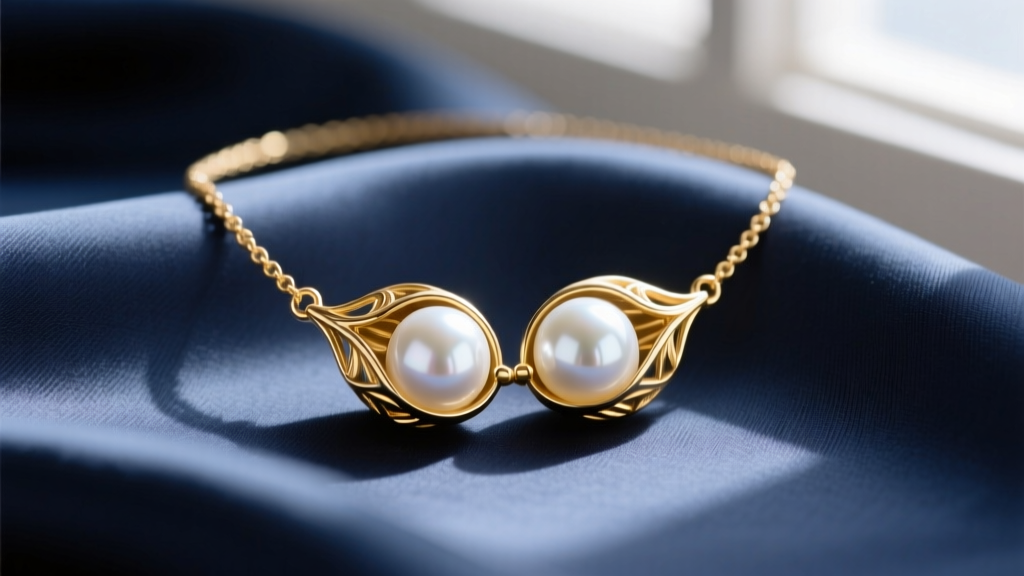
The Enduring Appeal of the Pea Pod Pendant
The two peas in a pod necklace is far more than a passing jewelry trend; it is a deeply sentimental staple that has maintained its relevance in fine and demi-fine jewelry markets for over a decade. Traditionally symbolizing twins, a mother and child, inseparable best friends, or a romantic couple, the design relies on a delicate metal pod housing two spherical elements. However, the market is currently flooded with varying quality tiers, from $30 fast-fashion alloys to $1,500 solid gold and diamond iterations. As a buyer, navigating the nuances of metal purity, gemstone grading, and structural integrity is essential to ensure your investment lasts a lifetime.
In this comprehensive buying guide, we will dissect the anatomy of the pea pod necklace, providing you with the exact specifications, material grades, and structural red flags to look for before making a purchase in 2026.
Decoding the Materials: Metals and Base Alloys
The longevity of your necklace is entirely dependent on the metal used for the pod and the chain. Because pea pod pendants are typically small (ranging from 12mm to 20mm in length), the metal weight is low, meaning you can often afford higher karat gold without an exorbitant price tag.
Solid Gold (14k and 18k)
For heirloom-quality pieces, solid gold is the only acceptable choice. 14k gold (58.5% pure gold) offers the ideal balance of rich color and structural durability, resisting scratching and bending. 18k gold (75% pure gold) provides a deeper, more buttery yellow hue but is slightly softer. According to the Jewelers of America, solid gold pieces will not tarnish, cause skin discoloration, or wear through to a base metal over time. Expect to pay between $250 and $800 for a solid gold pea pod pendant on a matching chain.
Gold Vermeil vs. Gold Plated
If solid gold is outside your budget, gold vermeil is the next best alternative. By definition, vermeil must consist of a sterling silver base coated with a minimum of 2.5 microns of 10k, 14k, or 18k gold. This thick plating ensures the piece can withstand years of daily wear before requiring re-plating. Conversely, standard "gold-plated" jewelry often uses a brass or copper base with a microscopic flash of gold (less than 0.5 microns). This thin layer will quickly wear off, exposing the base metal to oxygen and skin acids, resulting in a green tint on your skin and a ruined pendant.
Sterling Silver (925)
Sterling silver is an excellent, hypoallergenic choice for the "peas" and the pod, particularly if you prefer a cool-toned aesthetic. However, silver is prone to oxidation. If you opt for a silver two peas in a pod necklace, ensure the brand offers a rhodium-plated finish, which acts as a barrier against tarnish and provides a bright, white-gold-like shine.
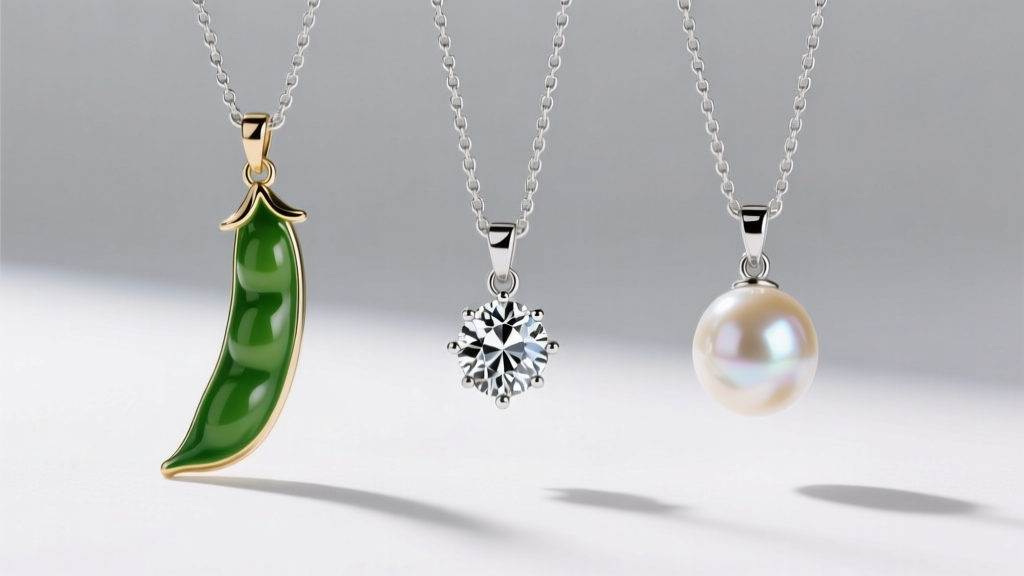
Selecting the "Peas": Pearls, Gemstones, and Enamel
The spherical elements inside the pod are the focal point of the necklace. The material choice here drastically alters both the price and the care requirements of the piece.
Pearls: Freshwater vs. Akoya
Pearls are the most traditional choice for the "peas." The Gemological Institute of America (GIA) notes that freshwater pearls are the most common in this design, typically measuring between 3mm and 5mm. They offer a soft, satiny luster and are highly durable due to their solid nacre composition. Akoya pearls, known for their mirror-like luster and perfectly round shapes, are a premium upgrade. However, because Akoya pearls are rarely cultivated below 5mm, using them in a pea pod design requires a slightly larger pendant housing to accommodate the stones without looking cramped.
Cubic Zirconia (CZ) and Diamonds
For maximum sparkle, some designers replace pearls with bezel-set or prong-set cubic zirconia melee stones (usually 1.5mm to 2.5mm each). While CZ offers brilliant light return, it is softer than diamond and can become cloudy over time if exposed to lotions and oils. If you want permanent brilliance, look for a pod housing two small single-cut or full-cut diamonds (typically 0.05 to 0.10 carats total weight).
Enamel Work
Enamel peas (often green or pink) offer a playful, vintage-inspired look. When buying enamel, you must distinguish between vitreous enamel (kiln-fired glass fused to metal at high temperatures, highly durable and scratch-resistant) and cold enamel (an epoxy resin that is painted on, prone to chipping, scratching, and yellowing from UV exposure). Always ask the jeweler which technique was used.
Sizing, Proportions, and Chain Selection
A common mistake buyers make is ignoring the proportions of the pendant relative to the chain. A heavy pod on a flimsy chain will cause the chain to snap, while a massive pod on a delicate neckline will look unbalanced.
| Pendant Length | Chain Thickness | Chain Style | Best For |
|---|---|---|---|
| 12mm - 15mm (Dainty) | 0.7mm - 0.9mm | Cable or Box Chain | Everyday wear, layering with longer pendants |
| 16mm - 20mm (Standard) | 1.0mm - 1.2mm | Rolo or Wheat Chain | Standalone statement, wearing over crewnecks |
| 21mm+ (Chunky) | 1.5mm+ | Paperclip or Curb Chain | Bold fashion statements, outerwear layering |
Clasp Mechanics: Never settle for a spring-ring clasp on a piece of fine jewelry. Spring rings are notorious for failing due to their tiny internal springs. Insist on a lobster claw clasp (preferably 5mm or 6mm in size), which features a secure, self-closing mechanism that will not accidentally open if the chain is tugged.
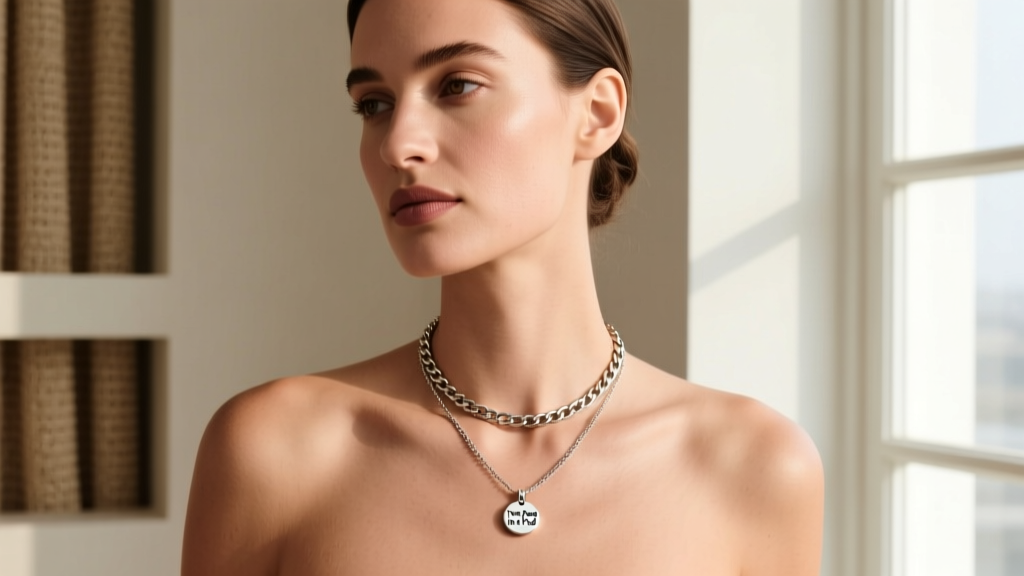
Structural Integrity and Common Failure Points
When evaluating a two peas in a pod necklace, look closely at the engineering of the piece. Here are the three most common failure points in poorly manufactured pea pod pendants:
- The Bail Solder Joint: The bail is the loop that connects the pod to the chain. If the solder ring connecting the bail to the top of the pod is too thin, the constant friction of the chain will eventually wear through the metal, causing the pendant to drop and get lost. Look for a thick, seamless bail or a solid cast bail.
- Pearl Adhesive Degradation: In mass-market jewelry, the pearls are simply glued into the metal pod using cyanoacrylate or basic epoxy. Over time, exposure to sweat, perfumes, and body heat will degrade the adhesive, causing a "pea" to fall out. High-end jewelers will use bezel settings, prong settings, or mechanical tension settings to secure the pearls. If the pearls must be glued, ensure the brand uses industrial-grade jeweler's epoxy and offers a warranty against stone loss.
- Chain Kinking: Snake chains and omega chains look sleek but are highly susceptible to permanent kinking if bent or slept in. A kinked snake chain will trap skin oils and eventually snap. Stick to flexible, easily repairable chains like cable, rolo, or box chains.
Care and Maintenance Protocols
To preserve the luster of your necklace, you must adapt your cleaning routine to the specific materials used. Never place a pearl or enamel pea pod necklace in an ultrasonic cleaner. The high-frequency vibrations will shatter the nacre of the pearls or crack the vitreous enamel. Furthermore, ultrasonic heat will instantly melt the adhesives holding glued peas in place.
Instead, clean your necklace monthly using a few drops of mild, phosphate-free dish soap mixed with lukewarm water. Use a soft-bristled baby toothbrush to gently sweep away debris from the crevices of the pod and the chain links. Rinse thoroughly under lukewarm water, pat dry with a lint-free microfiber cloth, and store it flat in an anti-tarnish pouch. Always put your jewelry on after applying cosmetics, perfumes, and hairspray to prevent chemical degradation of the metals and pearls.
Final Verdict: Making the Right Choice
The two peas in a pod necklace remains a timeless emblem of connection and love. By prioritizing solid gold or high-micron vermeil, demanding mechanically set pearls or high-grade vitreous enamel, and pairing the pendant with a structurally sound rolo or cable chain, you will secure a piece that transcends seasonal trends. Whether you are commemorating the birth of twins, celebrating a lifelong friendship, or treating yourself to a symbol of inner harmony, applying these technical buying standards ensures your sentimental investment will endure for generations.


