Evaluating a Lapis Necklace Gold Setting: Value & Pricing Guide
Discover the true value of a lapis necklace gold setting. We break down gemstone grades, 14k vs 18k pricing, and hidden durability risks.

The True Cost of a Lapis Necklace Gold Setting
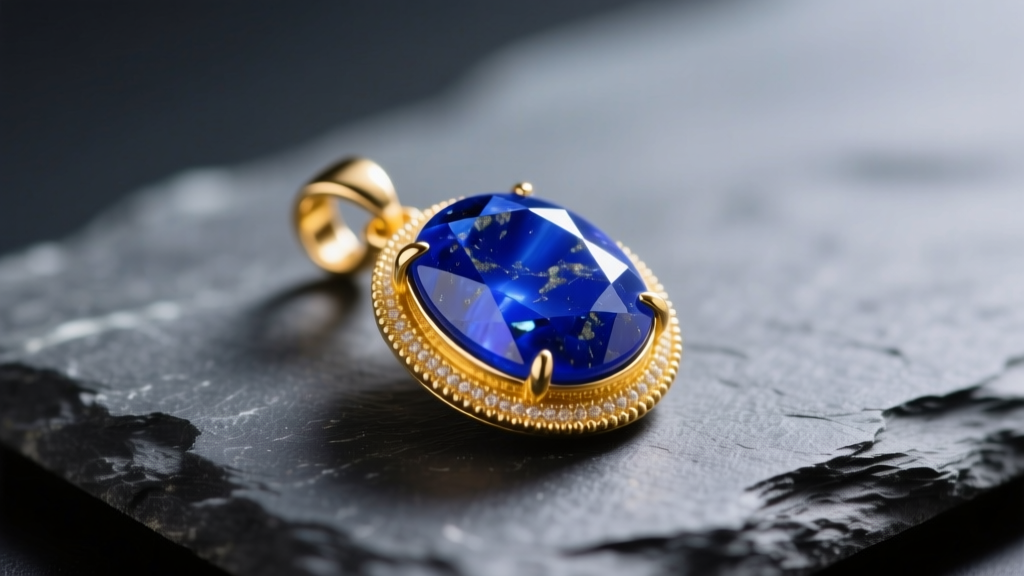
When evaluating fine jewelry, the intersection of an opaque, porous gemstone and a precious metal requires careful scrutiny. A lapis necklace gold setting represents a classic aesthetic pairing—the deep, celestial blue of lapis lazuli contrasted against the warm luster of yellow gold. However, from a strict budget and value assessment perspective in the 2026 market, not all pieces are created equal. The jewelry sector is currently flooded with everything from $40 gold-plated baubles to $5,000 artisan-crafted 18k gold masterpieces. To determine if a specific piece is worth your hard-earned money, you must look beyond the carat weight of the gold and scrutinize the gemological grade of the stone, the structural integrity of the setting, and the long-term maintenance costs.
Decoding Lapis Lazuli Grades: What Are You Actually Paying For?
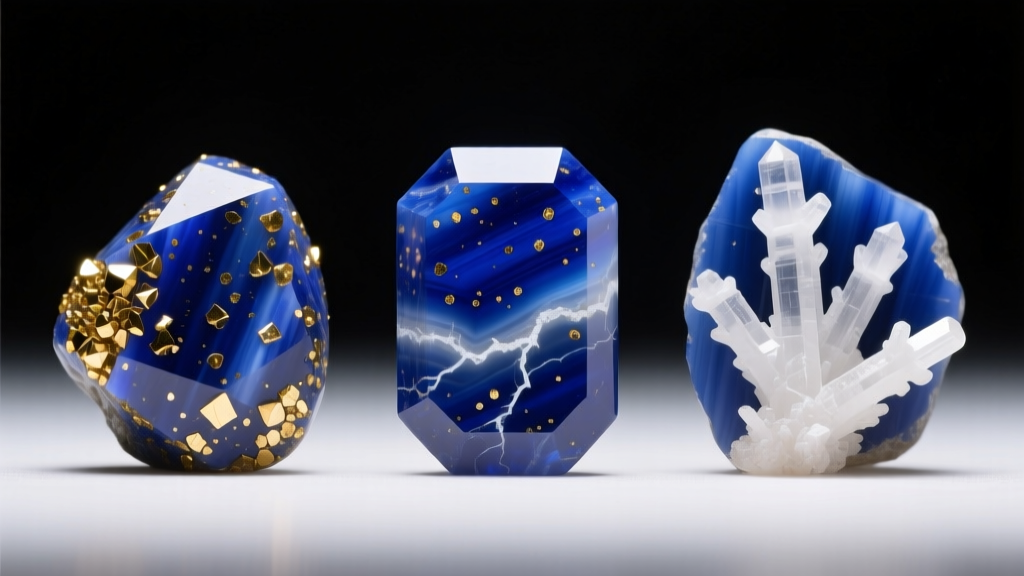
Lapis lazuli is not a single mineral, but a complex rock composed primarily of lazurite (which provides the blue color), calcite (white streaks), and pyrite (golden flecks). According to the Gemological Institute of America (GIA), the value of lapis is dictated by the purity of its blue color and the distribution of its inclusions. Understanding these geographic and mineralogical distinctions is the first step in assessing value.
- Afghan (Badakhshan) Lapis: The undisputed gold standard. Features an intense, uniform royal blue with evenly distributed, sparkling pyrite flecks and zero visible white calcite. Commands a premium and holds value over time.
- Chilean Lapis: Often features prominent white calcite webbing and a slightly lighter, greener blue hue. Frequently dyed by commercial manufacturers to mimic Afghan lapis. Carries a much lower intrinsic value.
- Russian (Lake Baikal) Lapis: Lighter blue with distinct, sometimes clustered pyrite. Represents a mid-range value tier, often favored for its unique, mottled aesthetic.
The Dye Detection Value Trap
A major issue in the lower-to-mid-tier market is the prevalence of dyed lapis. Because calcite is highly porous, it readily absorbs blue dyes, making inferior Chilean lapis look like premium Afghan material. If a vendor is charging 14k solid gold prices for a pendant featuring heavily webbed, pale lapis, the value proposition is severely skewed. Actionable Tip: If you are evaluating a piece in person, gently swipe a cotton swab dipped in acetone (nail polish remover) across an inconspicuous edge of the stone. If the swab turns blue, the stone is dyed, and its long-term value is negligible, as the color will eventually fade or bleed onto the gold setting.
Gold Purity and Setting Mechanics: 14k vs. 18k vs. Plated
Lapis lazuli ranks between 5 and 6 on the Mohs hardness scale, making it significantly softer than diamonds, sapphires, or even quartz. This physical limitation dictates how it must be set in gold to retain its value and structural integrity.
Prong Settings: While aesthetically pleasing and common in diamond jewelry, prongs are structurally dangerous for lapis. They leave the girdle (edge) of the cabochon exposed to daily impacts, virtually guaranteeing edge chipping over time.
Bezel Settings: The absolute best choice for value retention. A solid gold bezel wraps entirely around the stone's edge, protecting the soft lapis from abrasion and impacts. When assessing a lapis necklace gold piece, always prioritize a well-crafted bezel.
| Metal Type | Purity / Composition | Durability | Lapis Protection | Typical Price Range |
|---|---|---|---|---|
| Gold Vermeil | 2.5µm 14k/18k over Sterling Silver | Moderate (wears in 1-3 years) | Poor (tarnish stains stone) | $80 - $250 |
| 14k Solid Gold | 58.5% Pure Gold | Excellent (highly rigid) | Excellent (secure bezel) | $400 - $1,200 |
| 18k Solid Gold | 75% Pure Gold | Good (slightly softer) | Excellent | $1,500 - $3,500+ |
Chain Weight and Bail Mechanics: A Hidden Stressor
Value assessment doesn't stop at the pendant. The relationship between the gold chain and the pendant bail is a frequent point of failure. Lapis is brittle; it lacks cleavage but fractures easily under uneven pressure. If a heavy, solid 14k gold rope chain is threaded through a delicate, thin-gold bail attached directly to a drilled lapis briolette, the kinetic stress of daily movement will eventually cause the stone to crack around the drill hole. High-value pieces utilize a reinforced gold bail cap or a wire-wrapped harness that distributes the weight of the gold chain evenly across the stone's apex, preventing stress fractures.
Hidden Value Killers: Failure Modes and Maintenance Costs
The most critical aspect of assessing the value of a lapis necklace gold piece is understanding its hidden maintenance costs and failure modes. Lapis is highly porous and chemically sensitive, which drastically impacts its longevity if improperly paired with certain gold treatments.
The Plating Stain Effect
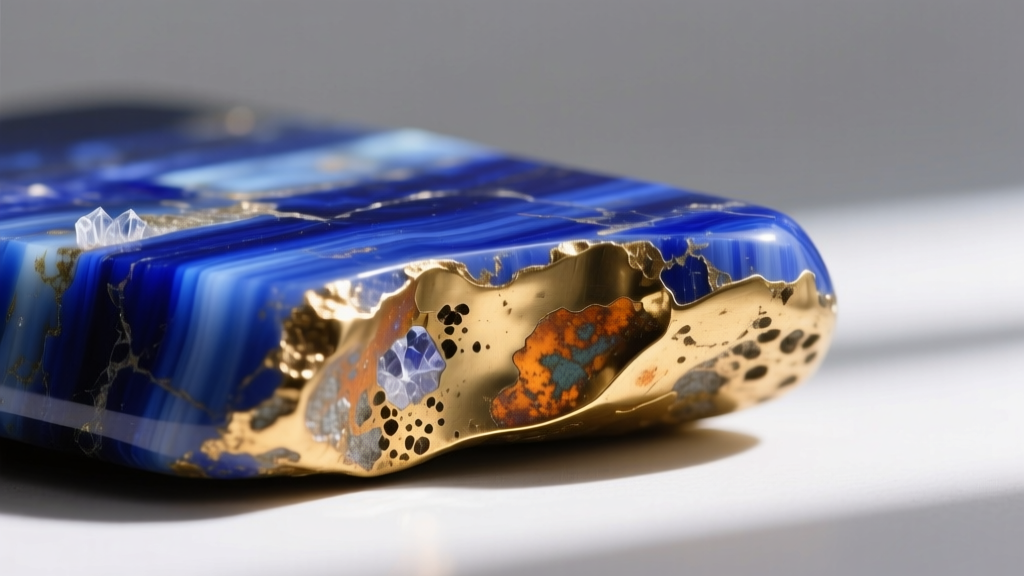
If you purchase a gold-plated or vermeil necklace, the thin layer of gold will eventually wear away at the bezel edge due to friction, exposing the base metal (usually brass or copper). When exposed to sweat and skin oils, the base metal oxidizes. Because lapis is porous, this oxidation leaches directly into the stone, creating a permanent, ugly green or black stain around the edge that cannot be polished out. The Federal Trade Commission (FTC) strictly regulates jewelry plating disclosures, yet many consumers remain unaware that plated settings actively threaten the integrity of porous gems like lapis and turquoise.
Chemical Degradation and Ultrasonic Destruction
The calcite matrix within lapis reacts violently to mild acids, including lemon juice, vinegar, and even highly acidic human sweat. Furthermore, you must never clean a lapis necklace in an ultrasonic cleaner. The high-frequency vibrations will exploit microscopic fissures in the lazurite matrix, potentially shattering the cabochon or causing the pyrite inclusions to pop out of the stone. Value retention requires strict adherence to dry, soft-cloth cleaning methods only.
Market Pricing Tiers: Budgeting for Your Piece
To accurately assess if you are getting a fair deal, map the piece you are evaluating against these 2026 market pricing tiers:
- The Fashion Tier ($50 - $150): Gold-plated brass or sterling silver with commercial-grade Chilean lapis (often dyed). Value Verdict: Low. Expect the piece to degrade, tarnish, and potentially stain the stone within two years of regular wear.
- The Fine Jewelry Tier ($400 - $900): 14k solid yellow gold with a secure, well-soldered bezel setting, featuring mid-to-high grade Afghan lapis with good pyrite distribution and no calcite webbing. Value Verdict: High. This is the sweet spot for daily wear, heirloom potential, and long-term value retention.
- The Artisan / Investment Tier ($1,500 - $4,000+): 18k or 22k solid gold, hand-fabricated or cast settings with intricate metalwork, featuring museum-grade, completely un-treated Afghan lapis with perfect color saturation. Value Verdict: Moderate to High, heavily dependent on the jeweler's provenance and the artistic merit of the goldsmithing.
Final Verdict: Is the Investment Justified?
A lapis necklace gold setting is absolutely worth the investment, provided you are paying for genuine materials and structurally sound engineering. The key to maximizing your budget is to prioritize a solid 14k gold bezel setting over a higher karat prong setting, and to demand un-dyed, high-grade Afghan lapis. By avoiding the hidden traps of plated metals and chemically treated stones, you secure a piece that will not only retain its deep celestial beauty but also its financial value for decades to come.