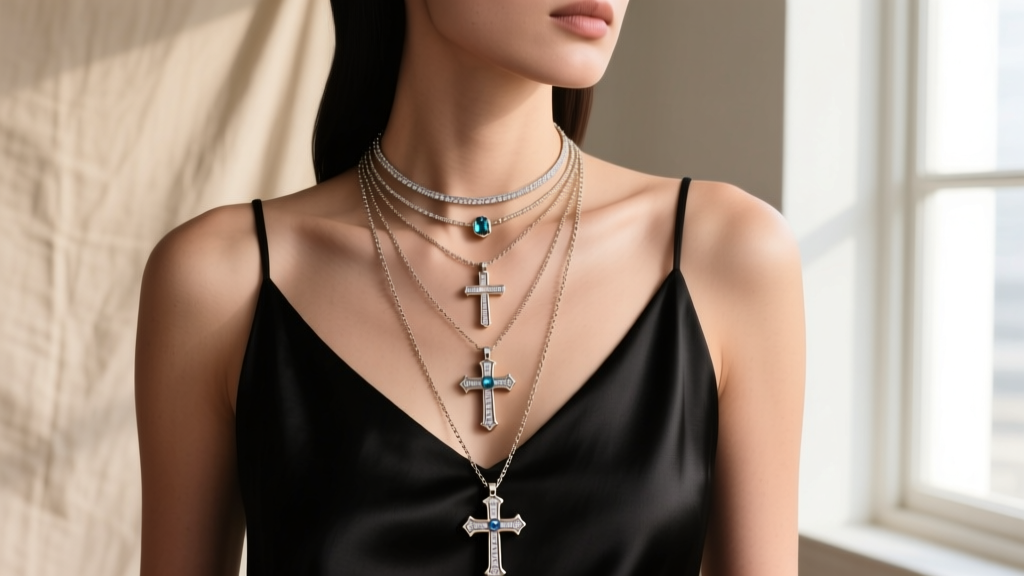
2026 Trend Analysis: Styling a Large Blue Topaz Necklace
Discover 2026 trends for the large blue topaz necklace. Expert analysis on London vs. Swiss blue cuts, chain pairings, and architectural styling.

The 2026 Shift: Architectural Minimalism Meets Maximalist Scale
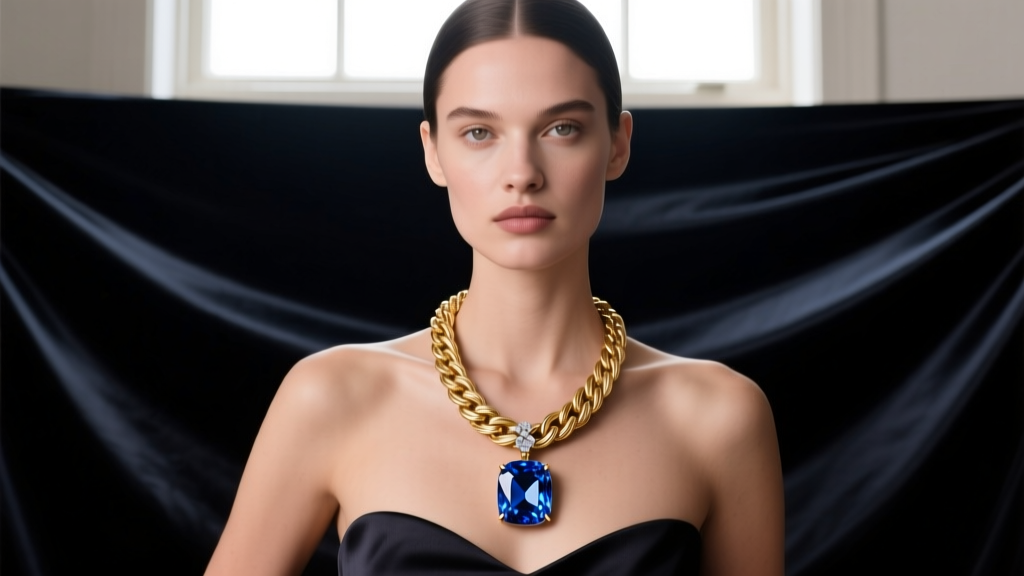
The jewelry landscape of 2026 has fundamentally redefined how we approach statement pieces. While the maximalism of the early 2020s favored heavily ornate, diamond-encrusted halos and intricate filigree, today’s aesthetic pivots toward 'architectural minimalism.' Nowhere is this more evident than in the surging popularity of the large blue topaz necklace. Designers are allowing the sheer scale and vivid saturation of the gemstone to command attention, stripping away excessive metalwork in favor of clean lines, tension settings, and matte-finished bezels.
A 'large' topaz in this context typically refers to stones ranging from 15 to 35 carats. In millimeter dimensions, this translates to substantial face-up coverage—such as a 20x15mm oval or an 18x18mm cushion cut. According to trend forecasters at JCK Online, consumers are increasingly drawn to these oversized, bold silhouettes as a form of expressive armor, pairing them with both high-fashion evening wear and structured, everyday tailoring. The large blue topaz necklace has transitioned from a vintage-estate staple to a cornerstone of modern, curated wardrobes.
Gemology Deep Dive: Swiss vs. London Blue in Oversized Cuts
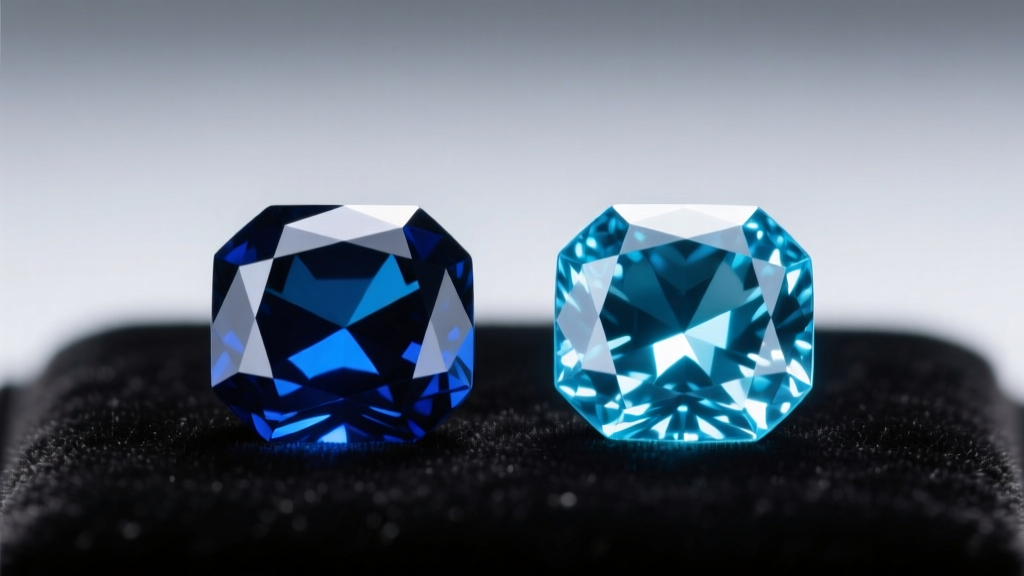
To truly appreciate the large blue topaz necklace, one must understand the gemological reality of the stone. Naturally occurring blue topaz is exceedingly rare and usually presents as a very pale, almost icy blue. The vivid, saturated blues dominating the 2026 market are the result of sophisticated laboratory treatments. As detailed by the Gemological Institute of America (GIA), colorless topaz is subjected to irradiation (often using electron beams or Cobalt-60) followed by precise heat treatment to stabilize the color centers within the crystal lattice.
When selecting a large statement piece, buyers generally choose between two primary color grades. Understanding the visual weight of each is critical for styling:
| Color Grade | Visual Profile | Best Metal Pairing (2026) | Avg. Price per Carat (15ct+) |
|---|---|---|---|
| Swiss Blue | Vivid, bright, sky-to-ocean blue with high clarity and brilliance. | White Gold, Platinum, Matte Silver | $8 - $14 |
| London Blue | Deep, inky, grayish-blue with a darker tone that absorbs light. | Yellow Gold, Rose Gold, Oxidized Silver | $12 - $22 |
For oversized pendants, London Blue is currently dominating the trend cycle. Its darker, moodier tone provides a striking contrast against warm skin tones and pairs exceptionally well with the heavy, textured yellow gold chains that are highly sought after this year.
Structural Integrity: Engineering the Chain and Bail
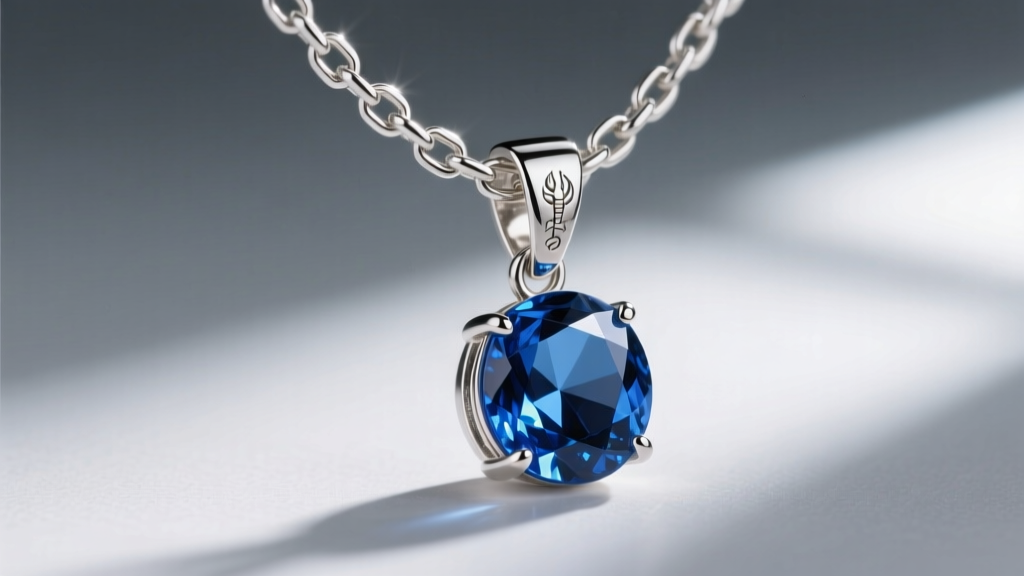
A common failure point in statement jewelry is the mismatch between a heavy pendant and an inadequate chain. A 25-carat blue topaz weighs approximately 5 grams. Once set in a solid 14k gold or heavy sterling silver bezel, the total pendant weight can easily exceed 12 to 15 grams. Suspending this weight from a delicate 1mm cable chain is a structural hazard that will inevitably lead to stretched links or a snapped necklace.
For a large blue topaz necklace to be both secure and visually balanced in 2026, the chain must be engineered for load-bearing. Here are the non-negotiable specifications for oversized pendants:
- Chain Width: Minimum 2.5mm, ideally 3.0mm to 4.5mm. This provides the visual weight necessary to balance a 20mm+ stone.
- Chain Style: Wheat chains, box chains, and heavy rope chains offer the best tensile strength and resist kinking under heavy loads.
- Clasp Mechanism: Discard the spring ring clasp. A heavy pendant requires a reinforced lobster clasp or a secure box clasp with a figure-eight safety latch.
- The Bail: Hidden bails (where the chain threads through a hollow channel in the back of the setting) are trending for their seamless look, but traditional oversized tube bails are superior for allowing thick 4mm chains to drape naturally without pinching.
Proportion & Neckline Mapping for Oversized Stones
Styling a large blue topaz necklace requires a strategic approach to necklines. Because the stone commands significant visual real estate, the surrounding fabric must act as a deliberate frame rather than a competing pattern.
The Plunging V-Neck and Wrap Dresses
The geometry of a V-neck naturally guides the eye downward, mirroring the elongated shape of oval or pear-cut topaz pendants. A 25-carat London blue topaz resting just above the sternum creates a perfect triangulation of negative space, elongating the neck and torso.
Structured Blazers and Tailored Lapels
One of the most prominent 2026 styling techniques is wearing an oversized topaz pendant over a crisp, buttoned-up collared shirt or a structured blazer. The rigid, architectural lines of the tailoring contrast beautifully with the organic, vitreous luster of the gemstone. In this scenario, a shorter 18-inch chain is preferred to keep the stone resting high on the chest, acting almost like a bold, modern brooch.
Off-the-Shoulder and Bateau Necklines
When wearing wide, horizontal necklines, opt for a wider, horizontally oriented topaz cut, such as an emerald or cushion cut. A 30-carat emerald-cut Swiss blue topaz on a 20-inch chain will sit perfectly in the center of the collarbone, filling the horizontal negative space without overwhelming the wearer's frame.
Investment & Pricing Matrix for 2026
While topaz is generally considered a semi-precious gemstone, the craftsmanship required to set large, flawless stones in premium metals elevates the large blue topaz necklace into a serious investment category. Prices in 2026 reflect the rising costs of precious metals and the premium placed on expert lapidary work for oversized custom cuts.
"Consumers are moving away from fast-fashion jewelry and investing in heirloom-quality statement pieces. A well-cut, 20-carat London blue topaz set in solid 14k gold is not just an accessory; it is a wearable asset that retains its aesthetic and material value over decades." — Industry Analyst, National Jeweler
Expect to pay between $180 and $350 for high-quality, solid 925 sterling silver settings with rhodium plating to prevent tarnish. For solid 14k yellow or white gold settings, the entry point for a 15-to-20-carat stone typically ranges from $950 to $1,800, scaling up to $3,000+ for designer pieces featuring hidden diamond accents on the bail or custom artisan metalwork.
Care, Cleavage, and Maintenance
Topaz ranks an 8 on the Mohs scale of hardness, making it highly resistant to everyday scratches. However, it possesses perfect basal cleavage. This means that if struck at a specific angle against a hard surface, the stone can split or chip cleanly along its internal crystal planes.
When wearing a large blue topaz necklace, the sheer size of the stone increases its surface area and its vulnerability to accidental impacts against desks, doorframes, or steering wheels. Always remove the necklace before engaging in physical activities. Furthermore, while the irradiation treatment is permanent and will not fade in sunlight, ultrasonic cleaners can be risky. If the stone has any microscopic internal fractures, the high-frequency vibrations of an ultrasonic bath can cause the stone to fracture entirely. Stick to warm water, mild dish soap, and a soft-bristled brush to maintain the brilliant luster of your statement piece.