3 Strand Necklace Trends 2026: Layering & Style Guide
Discover 2026 trends for the 3 strand necklace. Learn expert layering techniques, material pairings, and neckline matching for a flawless stacked look.

The Evolution of the 3 Strand Necklace in 2026
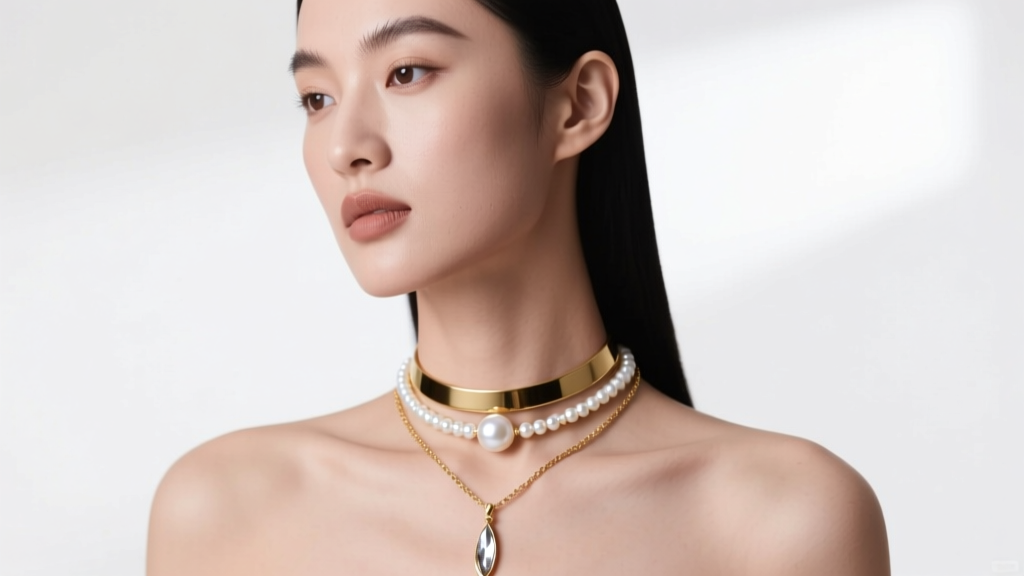
The jewelry landscape of 2026 has decisively moved away from the uniform, matchy-matchy sets of the early 2010s. Today, the 3 strand necklace is defined by curated asymmetry, mixed media, and intentional textural contrast. According to trend forecasts from Vogue Fashion Trends, modern layering is no longer about simply draping three identical chains of varying lengths; it is an exercise in balancing visual weight, metal tones, and organic materials. Whether you are stacking vintage finds or investing in bespoke modular pieces, understanding the structural and stylistic nuances of a three-tier stack is essential for achieving a look that is both effortless and technically sound.
Anatomy of a Perfect 3 Strand Stack
A successful 3 strand necklace relies on precise length graduation to prevent tangling and ensure each piece remains visible. The standard formula requires a minimum two-inch gap between strands, though 2026 styling favors a more dramatic four-inch drop for better focal separation.
Strand 1: The Choker Base (14-16 Inches)
The foundational strand sits snugly against the collarbone. For 2026, the trend leans heavily toward sleek, continuous metal textures like 1.5mm to 2.0mm herringbone or snake chains. These lie flat against the skin, providing a modern, liquid-metal backdrop. Avoid bulky pendants here; the goal is to frame the neck without overwhelming the subsequent layers. If you prefer beads, a single strand of 4mm-5mm freshwater pearls or lapis lazuli offers a striking organic contrast to the metal strands below.
Strand 2: The Princess Focal (18-20 Inches)
This is the visual anchor of your 3 strand necklace. Sitting at the classic princess length, this strand should introduce the primary focal point—perhaps a geometric gemstone slide, a textured gold tube bead, or a cluster of ethically sourced lab-grown diamonds. Chain styles here should offer more structural integrity, such as a 2.5mm to 3.0mm cable or curb chain. The added gauge thickness ensures the pendant hangs perfectly plumb without flipping upside down, a common frustration with lighter chains.
Strand 3: The Matinee Anchor (22-24 Inches)
The longest strand dictates the overall silhouette and elongates the torso. In 2026, we are seeing a surge in heavy, oversized links—think 4.5mm to 6.0mm Figaro, paperclip, or rope chains. This strand should be the heaviest in terms of gram weight. Alternatively, a long strand of irregular baroque pearls or dark oxidized silver beads creates a striking bohemian-meets-luxury aesthetic that grounds the entire stack.
Weight Distribution & Gauge Mathematics
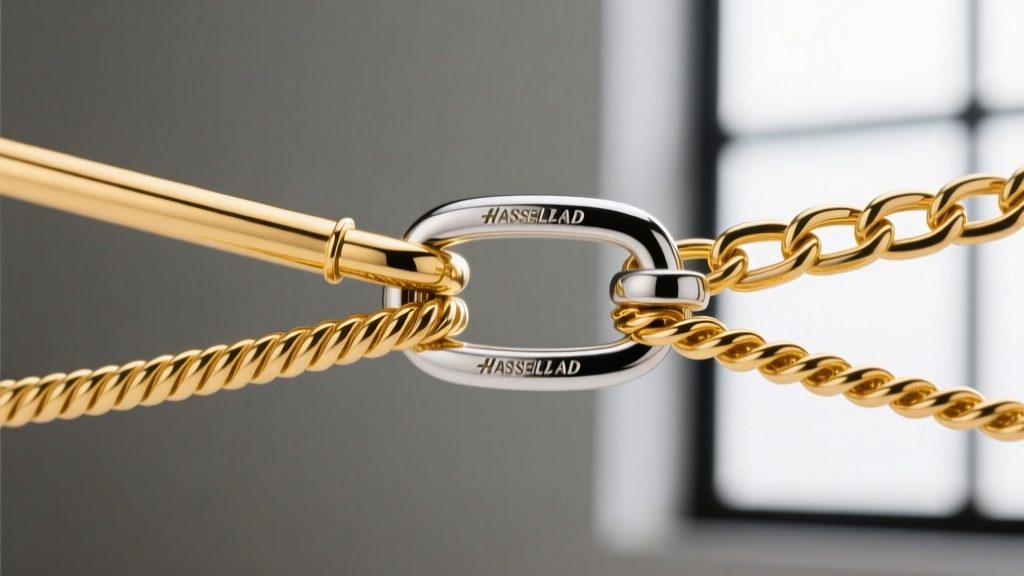
One of the most critical, yet frequently overlooked, aspects of designing or buying a 3 strand necklace is weight distribution. If your bottom strand is a delicate 1.0mm chain and your top strand is a heavy 4.0mm collar, the top strand will drag the entire assembly backward, choking the wearer and causing the clasp to migrate to the front of the neck.
The Golden Rule of Stack Weight: The gram weight of the chains should either be perfectly equal, or progressively increase as the strands get longer. The Gemological Institute of America (GIA) notes that 14k gold offers superior tensile strength compared to 18k or 24k gold, making it the ideal choice for the longer, heavier strands in a multi-strand configuration where stress on the links is magnified by gravity and movement.
Material & Texture Pairings for 2026
Mixing metals and materials is no longer a fashion faux pas; it is the hallmark of a sophisticated 2026 jewelry wardrobe. Below is a data-driven matrix of trending material combinations for a 3 strand necklace, complete with estimated market pricing for solid 14k gold and premium alternative configurations.
| Strand 1 (Choker) | Strand 2 (Princess) | Strand 3 (Matinee) | Aesthetic Vibe | Est. Price Range (14k) |
|---|---|---|---|---|
| 1.5mm Yellow Gold Snake | 3mm White Gold Cable + Diamond | 5mm Yellow Gold Paperclip | Modern Mixed-Metal Luxe | $1,200 - $2,800 |
| 4mm Freshwater Pearl | 2mm Rose Gold Herringbone | Oxidized Silver Bead Strand | Organic Bohemian Edge | $450 - $900 |
| 2mm Black Rhodium Curb | 4mm Yellow Gold Figaro | 8mm Lapis Lazuli Beads | High-Contrast Editorial | $1,800 - $3,500 |
Neckline Compatibility Matrix
A 3 strand necklace is a bold statement, meaning it must interact harmoniously with your clothing. Here is how to style your stack based on 2026 garment trends:
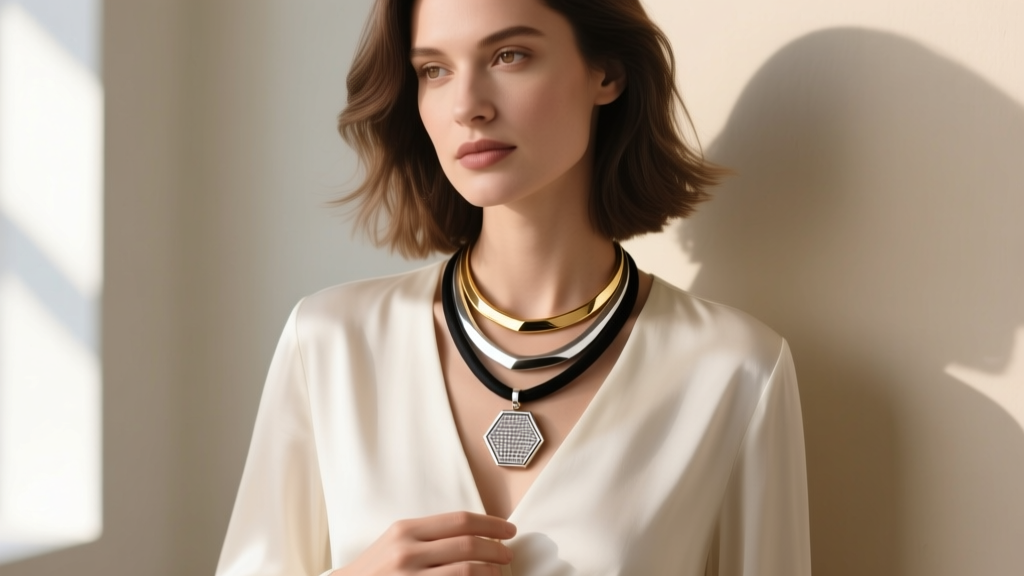
- The Deep V-Neck: The ideal canvas. The cascading lengths of the 3 strand necklace naturally follow the geometry of the V, drawing the eye downward and elongating the neck. Ensure the longest strand does not extend past the hem of the V-neckline to avoid visual clutter.
- The Crew Neck / T-Shirt: Opt for a tighter stack (14", 16", 18") with thinner gauges (under 2.5mm). This creates a refined, everyday look that sits neatly above the collar line without tangling in the cotton fabric.
- The Off-Shoulder / Square Neck: Embrace maximum drama. Use a wide graduation (15", 20", 25") featuring heavy chains and oversized pendants. The exposed décolletage provides ample negative space to let the mixed textures shine.
- The Turtleneck: Avoid delicate chains, which will get lost in the fabric and cause static tangling. Stick to a heavy, 3-strand statement piece featuring large beads or chunky 6mm+ links worn over the fabric as a sweater necklace.
Troubleshooting Tangles & Clasp Failures
The universal enemy of the 3 strand necklace is tangling. When three separate chains move independently, friction and body heat cause them to twist into an inseparable knot. Here are expert-level solutions to maintain a flawless drape:
1. The Multi-Strand Clasp Solution
Ditch the three separate lobster clasps. In 2026, the industry standard for high-end stacks is the 3-hole magnetic slide tube clasp or a multi-strand locking box clasp. These findings unite all three strands at the nape of the neck into a single, secure closure point. This not only makes putting the necklace on a one-handed, five-second task, but it also forces the chains to remain parallel at the back, reducing nape-tangling by up to 80%.
2. Silicone O-Ring Spacers
If you prefer to wear three distinct, standalone necklaces rather than a unified piece, thread the chains through a pair of tiny, transparent silicone jewelry O-rings at the back of your neck. This acts as a makeshift spacer bar, keeping the lengths separated and preventing the chains from crossing over one another at the most friction-heavy point of the neck.
3. Texture Friction Management
Highly textured chains (like rope or twisted curb) act like Velcro when rubbed against smooth chains (like snake or box chains). If your 3 strand necklace features mixed textures, ensure the smoothest chain is the longest, and the most textured chain is the shortest. This minimizes the surface area overlap where micro-snagging occurs.
Final Verdict: Mastering the Stack
The 3 strand necklace in 2026 is less about rigid rules and more about architectural balance. By paying strict attention to gauge weights, utilizing advanced multi-strand clasps, and intentionally mixing metal tones and organic materials, you can elevate a simple layering trend into a masterclass of personal style. Whether you are investing in solid 14k gold or curating a stack of vintage vermeil and gemstone strands, the key to a flawless drape lies in the mathematics of length and the artistry of contrast.


