The Ultimate Large Shell Necklace Material Comparison Guide
Discover the best materials for a large shell necklace. Compare durability, weight, and sourcing of mother of pearl, abalone, and puka shells.

Introduction to Organic Gemology in Statement Jewelry
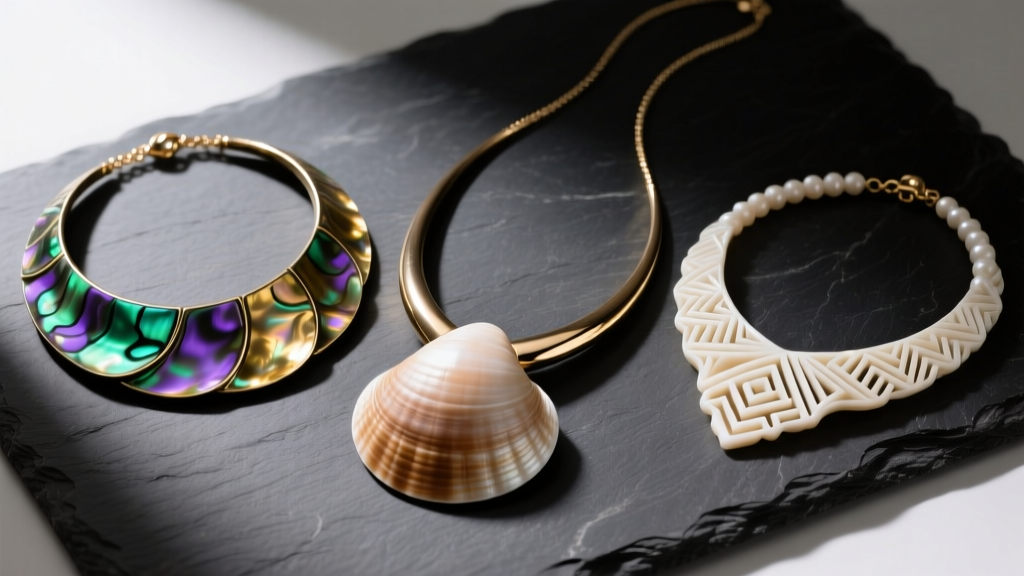
When selecting a large shell necklace, the visual impact is only half the equation. Unlike faceted minerals, shells are organic gemstones composed of calcium carbonate (CaCO3) crystals bound together by an organic protein matrix called conchiolin. This unique biocomposite structure gives shells their remarkable toughness but also introduces specific vulnerabilities to acids, UV radiation, and dehydration. As of 2026, the jewelry industry has seen a massive resurgence in oversized, statement-making organic pendants. However, the structural integrity, ethical sourcing, and long-term durability of these pieces vary wildly depending on the specific mollusk species and the anatomical part of the shell used. According to the Gemological Institute of America (GIA), understanding the mineralogy of nacre and non-nacreous shells is critical for both jewelers and collectors to prevent catastrophic failure modes like delamination or chalking.
The Big Four: Material Properties of Large Shells
Mother of Pearl (Pinctada maxima)
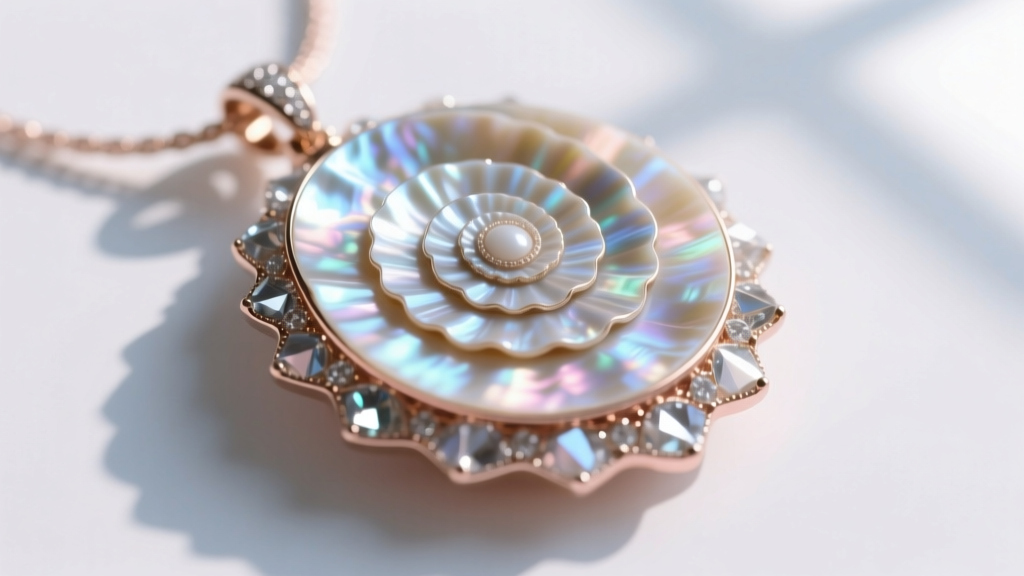
Mother of pearl, or nacre, is the iridescent inner lining of pearl-producing oysters. The South Sea oyster (Pinctada maxima) yields the largest, thickest nacreous plates, making it the premier choice for a large shell necklace. Nacre is composed of microscopic hexagonal platelets of aragonite (a crystalline form of calcium carbonate) stacked in a brick-and-mortar pattern, with conchiolin acting as the mortar. This structure results in a Mohs hardness of 2.5 to 4.5. While relatively soft compared to quartz, the interlocking crystal structure provides exceptional fracture toughness. Large mother of pearl pendants (50mm to 80mm) typically weigh between 15 and 30 grams, making them comfortable for all-day wear without requiring heavy-duty cord.
Paua and Abalone (Haliotis)
Abalone, and specifically the New Zealand Paua (Haliotis iris), offers some of the most vibrant, multi-colored iridescence in the organic gem world. The intense color play is due to the varying thicknesses of the aragonite layers, which cause thin-film interference of light. However, abalone shells are naturally thinner and more brittle than mother of pearl. For large statement pieces, jewelers frequently back thin slices of Paua with black epoxy resin or stabilize them with a polymer matrix to prevent snapping under dynamic stress. When purchasing a large abalone necklace, always inspect the edges for micro-fractures and check if the backing material is clearly disclosed, as pure, unstabilized large abalone pendants are highly prone to cleavage if dropped.
Puka (Strombus gibberulus)
Authentic Puka shells are the naturally occurring, ocean-tumbled apices of cone snails, characterized by their naturally formed central hole (puka means 'hole' in Hawaiian). Unlike nacreous shells, Puka is composed primarily of calcite and aragonite but lacks the iridescent nacreous layer, presenting a matte, porcelain-like finish. Because they are ocean-tumbled, genuine Puka shells are highly porous. In the modern market, many 'Puka' necklaces are actually made from stamped and tumbled Trochus or Turban shells. True, large, naturally occurring Puka specimens are rare and command a premium. Their high porosity means they can easily absorb oils, lotions, and dyes, which will permanently alter their natural creamy-white to light-brown hue.
Queen Conch (Strombus gigas)
The Queen Conch is famous for its non-nacreous, porcellaneous surface and rare 'flame' structure—a chatoyant optical phenomenon caused by light interacting with the crossed-lamellar microstructure of the shell. Large Queen Conch pendants are striking, often featuring deep pinks and oranges. However, conch is highly sensitive to UV radiation. Prolonged exposure to direct sunlight will bleach the vibrant pink hues to a dull, chalky white within a matter of months. Furthermore, due to overharvesting, the Queen Conch is heavily regulated, making ethical sourcing a primary concern for conscientious buyers.
Comparative Data Matrix: Shell Properties
To make an informed decision, it is essential to compare the physical and chemical properties of these materials. The following table outlines the critical data points for large shell pendants.
| Shell Type | Primary Mineral | Mohs Hardness | Porosity | UV Sensitivity | Avg. Weight (60mm) |
|---|---|---|---|---|---|
| Mother of Pearl | Aragonite (Nacre) | 2.5 - 4.5 | Very Low | Moderate | 18 - 24g |
| Paua / Abalone | Aragonite (Nacre) | 2.5 - 4.0 | Low | Moderate | 12 - 18g (w/ resin) |
| Puka (Genuine) | Calcite / Aragonite | 3.0 - 3.5 | High | Low | 8 - 12g |
| Queen Conch | Aragonite (Non-nacre) | 3.0 - 4.0 | Very Low | Extreme | 25 - 35g |
Data synthesized from Mindat.org Aragonite Mineral Data and GIA organic gemstone archives.
Structural Engineering: Stringing Heavy Organic Pendants
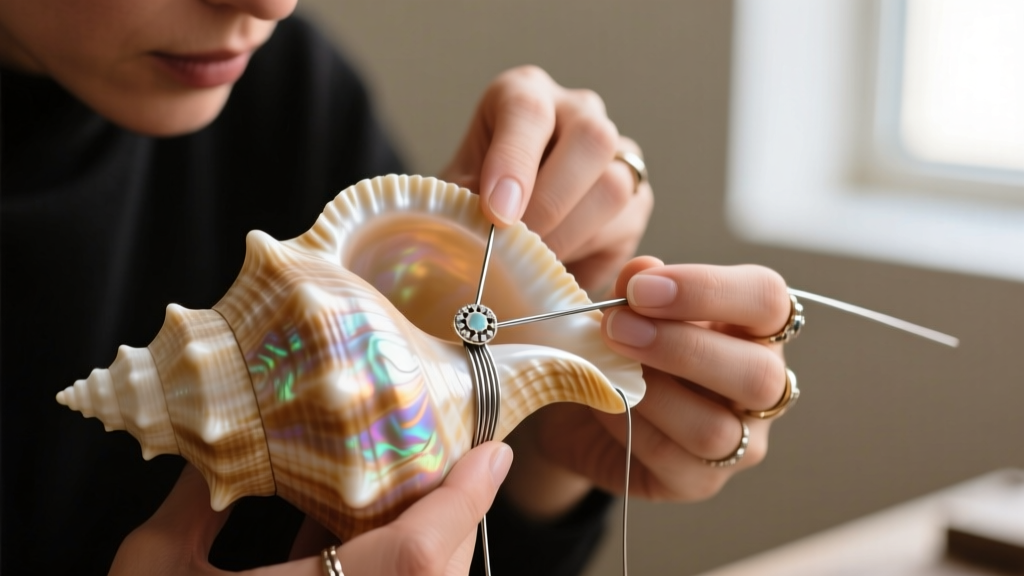
A common failure point in large shell necklaces is the stringing material. Traditional silk thread (even size F or G) is entirely inadequate for large, heavy shells like Queen Conch or thick Mother of Pearl, which can exert significant dynamic shear force on the cord when the wearer moves. Silk degrades rapidly when exposed to the natural salts and acidic pH (4.5 to 7.0) of human sweat.
- Micro-Fused Stainless Steel Wire: For shells weighing over 25 grams, use a 49-strand micro-fused stainless steel beading wire in a 0.024-inch gauge. This provides a tensile strength of up to 40 lbs while maintaining enough flexibility to drape naturally. Always use sterling silver or titanium crimp beads, as base metal crimps can cause galvanic corrosion against the shell's natural moisture.
- UHMWPE Cord (Dyneema): If a softer drape is required, high-tensile Ultra-High-Molecular-Weight Polyethylene (UHMWPE) cord is an excellent alternative. A 1.5mm braided Dyneema cord can support over 150 lbs and is completely impervious to sweat, UV, and saltwater.
- Bail Selection: Never drill directly through the top edge of a large, thin shell like abalone without reinforcing the hole with a metal tube insert. The localized stress will cause the aragonite layers to shear. Instead, use a wrap-around wire bail or a glued peg-bail system with a flexible, non-shrinking jeweler's epoxy.
Sourcing, Ethics, and CITES Regulations in 2026
The environmental impact of harvesting large shells is a critical consideration. The CITES Species Database strictly regulates the international trade of several mollusk species to prevent extinction. The Queen Conch (Strombus gigas), for example, is listed under CITES Appendix II. This means that any large conch shell necklace imported or exported internationally must be accompanied by a CITES permit proving it was harvested sustainably and legally. Purchasing conch jewelry without verifiable provenance not only risks confiscation at customs but also fuels illegal poaching in the Caribbean.
Conversely, Mother of Pearl is largely a byproduct of the pearl and shell-meal industries, particularly in Australia and Indonesia. Pinctada maxima is farmed extensively, and the shells are repurposed after the pearls are extracted, making large mother of pearl necklaces one of the most eco-friendly and sustainable organic gem choices available today. When buying Paua, look for New Zealand-sourced specimens, as the NZ government enforces strict quotas and size limits on recreational and commercial harvesting, ensuring the long-term viability of the Haliotis iris populations.
Care, Maintenance, and Chemical Failure Modes
Shells are highly reactive to their environment. The most common chemical failure mode is acid etching. Because calcium carbonate dissolves at a pH below 5.5, the natural acidity of human sweat, perfumes, and cosmetics will slowly eat away at the polished surface of a shell, leaving it dull and chalky. To prevent this, always put your large shell necklace on after applying cosmetics and fragrances.
Proper Cleaning Protocol
Never use ultrasonic cleaners, steamers, or commercial jewelry dips on any shell material. The high-frequency vibrations of an ultrasonic cleaner will cause the microscopic aragonite platelets in nacre to delaminate, ruining the iridescence. Instead, follow this protocol:
- Wipe the shell gently with a damp, lint-free microfiber cloth immediately after removal to neutralize and remove sweat and oils.
- If the shell is visibly soiled, use a drop of pH-neutral castile soap in distilled water. Avoid tap water, which can contain chlorine and heavy minerals that stain porous shells like Puka.
- Dry thoroughly with a soft cloth and allow it to air-dry completely before storing.
Storage and Hydration
Conchiolin, the protein binder in shells, requires a minimal amount of ambient moisture to remain flexible. Storing a large shell necklace in an airtight plastic bag with silica gel desiccants will dehydrate the conchiolin, leading to 'crazing'—a network of fine micro-cracks that compromises the structural integrity of the pendant. Store your shell jewelry in a breathable fabric pouch in a climate-controlled room, away from direct sunlight and heating vents, to preserve its natural luster and structural toughness for decades.


