Lay Hawaiian Necklace Guide: Buy Authentic Lei & Heirloom Styles
Discover how to choose the perfect lay hawaiian necklace. Compare authentic heirloom gold tubing, natural puka shells, and lei drape lengths.

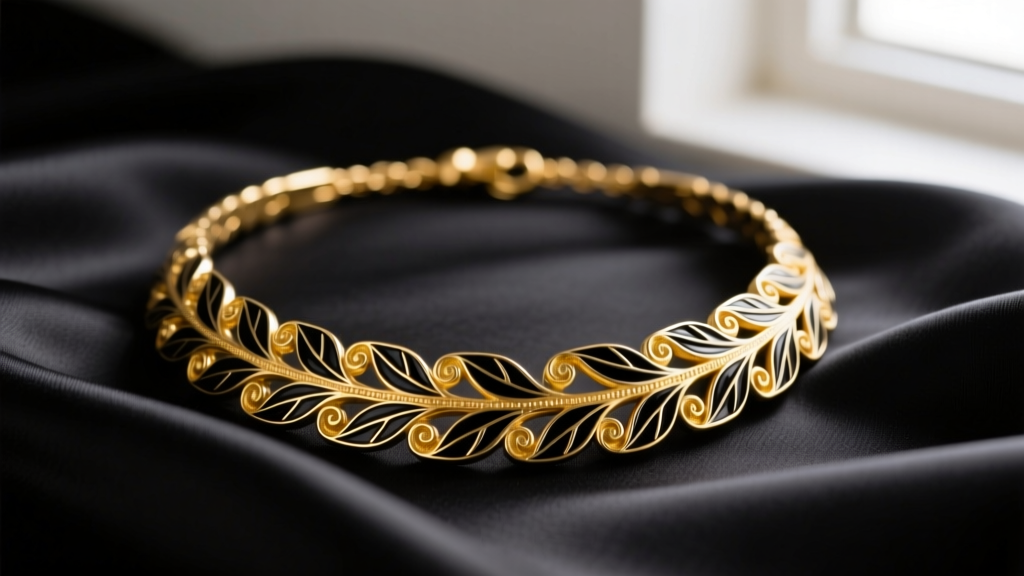
When shoppers search for a lay hawaiian necklace, they are usually navigating between two distinct categories of island jewelry: the traditional organic lei (often misspelled as 'lay') and the premium Hawaiian heirloom gold necklace, where the physical 'lay' or drape across the chest is a primary design consideration. In 2026, the market for Hawaiian neckwear is saturated with both master-crafted local treasures and mass-produced overseas imitations. Whether you are investing in a 14k gold heirloom piece or sourcing an authentic puka shell lei, understanding material grades, construction methods, and structural failure modes is critical.
This comprehensive buying guide breaks down exactly what to look for, how to authenticate organic materials, and how to choose the right drape for your neckline.
Decoding the Search: Lei vs. Heirloom Drape
The term 'lei' refers to the traditional Hawaiian garland of flowers, shells, seeds, or feathers, given as a symbol of affection, respect, or celebration. However, in the context of fine jewelry, buyers are often looking for Hawaiian Heirloom jewelry—a specific style of gold and black enamel scrollwork that originated in the late 19th century. When evaluating how a lay hawaiian necklace rests against the collarbone, you must first decide if you are purchasing an organic, flexible lei or a structured, metallic heirloom piece. Both require entirely different authentication checklists.
Hawaiian Heirloom Necklaces: Material Grades & Construction
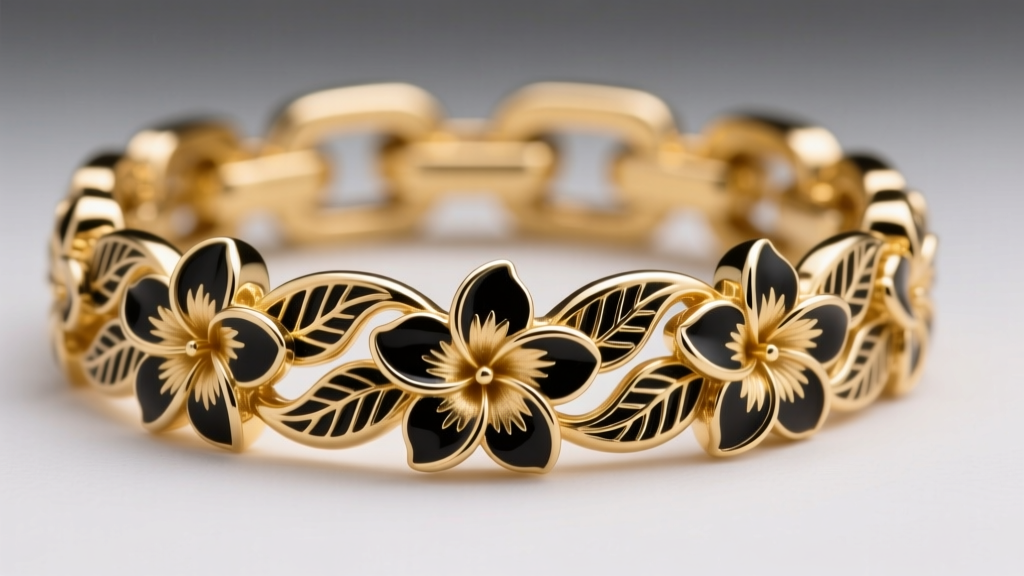
Authentic Hawaiian heirloom necklaces are defined by their intricate scrollwork, typically featuring motifs like the maile leaf (symbolizing respect and honor) or the plumeria flower (representing new beginnings). The black inlay is traditionally vitreous enamel, baked at high temperatures to fuse with the gold.
Gold Purity and Tubing Architecture
Most heirloom pieces are crafted in 14k yellow gold for durability, though 18k is available for a richer, deeper yellow hue. The most critical structural element is the tubing. According to the FTC Jewelry Guides, manufacturers must disclose gold purity and construction methods, yet many buyers overlook the difference between solid and hollow tubing until a failure occurs.
| Feature | Solid Half-Round Tubing | Hollow Tubing |
|---|---|---|
| Weight & Feel | Heavy, substantial, lays flat | Lightweight, prone to twisting |
| Durability | Highly resistant to dents and crushing | Easily dents if pressed or snagged |
| Enamel Risk | Low; metal supports the glass enamel | High; flexing causes enamel to chip |
| Price Range (18in) | $1,800 - $3,500+ | $600 - $950 |
Pro-Tip: Always inspect the cross-section of the links. If the necklace feels unusually light for its volume, it is hollow. Hollow tubing is a major failure mode; once dented, it cannot be easily repaired without compromising the enamel inlay.
Hand-Cut vs. Laser-Etched Scrollwork
True heirloom quality requires hand-engraving. Master artisans use gravers to cut deep channels into the gold before filling them with black enamel. In 2026, many commercial brands use laser-etching. Laser-etched pieces have shallow, flat-bottomed grooves that lack the sharp, reflective angles of hand-cut scrollwork, making the black enamel look dull and flat over time.
Traditional Organic Lei: Shells, Nuts, and Carved Bone
If your search for a lay hawaiian necklace is directed toward organic materials, you are entering the world of natural lei. The Bishop Museum notes that organic lei have deep cultural roots, with specific materials reserved for specific occasions and ranks.
Authenticating Puka Shells
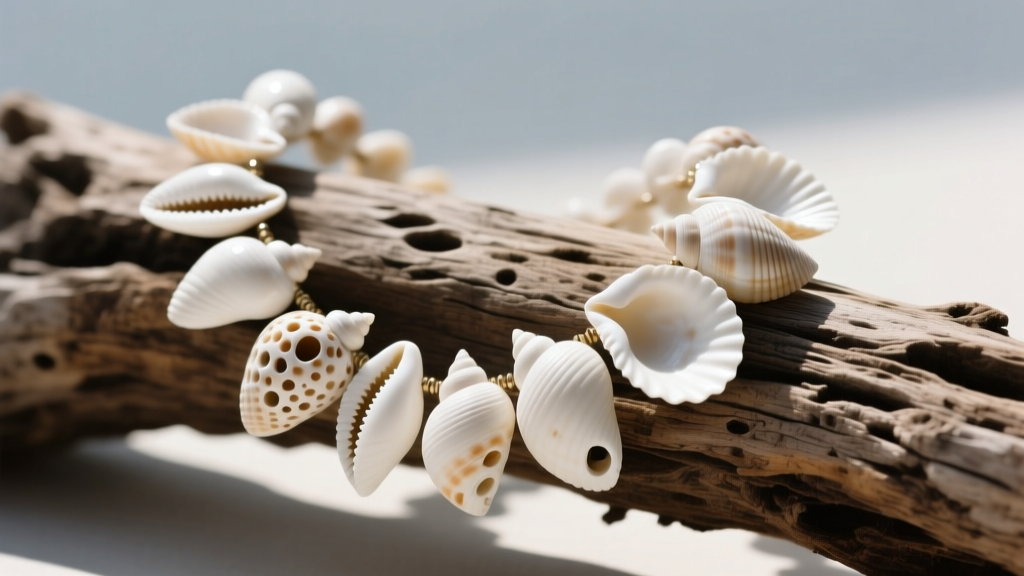
Genuine puka shells are naturally occurring cone shells found on Hawaiian beaches, where the ocean tumbling process creates the center hole. How to spot fakes: Real puka shells are asymmetrical, slightly convex on one side and concave on the other, with naturally jagged holes. Mass-produced fakes are stamped from flat shell discs, resulting in perfectly round, uniform beads with drilled, cylindrical holes. A genuine 18-inch puka shell lei will cost between $150 and $500, while fakes sell for under $30.
Kukui Nut and Bone Carvings
Kukui (candlenut) lei are traditionally polished to a high glass-like finish or left with a matte, natural texture. When buying carved bone or whale tooth (lei niho palaoa) pendants, be aware of international maritime laws. Only purchase bone carvings from certified local artisans who use legally sourced, sustainable materials or reclaimed antique ivory. Modern alternatives like carved resin or ethically sourced bovine bone offer the same aesthetic without the legal complexities.
How the Necklace 'Lays': Choosing the Right Length & Drape
The way a necklace 'lays' on the chest dictates its formality and compatibility with different necklines. Hawaiian heirloom necklaces are typically worn closer to the neck to showcase the detailed scrollwork, while organic lei can be layered.
- 16-Inch Choker Length: Ideal for heirloom U-shape drapes. Sits tightly above the collarbone. Best paired with V-neck or scoop-neck tops to frame the face.
- 18-Inch Princess Length: The most versatile standard. Allows an heirloom pendant to rest perfectly at the hollow of the throat. Excellent for business casual and evening wear.
- 20 to 24-Inch Opera Length: Primarily used for multi-strand kukui nut lei or long puka shell strands. Creates a relaxed, bohemian drape that lays over crew necks and high-collared garments.
Pricing Guide & Authentication Checklist
When evaluating a potential purchase, run through this rapid authentication checklist to ensure you are paying for genuine island craftsmanship:
- Hallmarks: Look for the karat stamp (14k or 18k) and a maker's mark. Authentic Hawaiian manufacturers often include a specific 'H' or local trademark stamp alongside the gold purity mark.
- Enamel Depth: Use a jeweler's loupe. The black enamel should sit slightly below the surface of the gold, protecting it from surface scratches.
- Clasp Quality: Heirloom pieces should feature a sturdy lobster clasp or a hidden box clasp with a figure-eight safety latch. Spring-ring clasps are a red flag for hollow, low-tier manufacturing.
- Organic Imperfections: For shell and seed lei, slight variations in color and shape are proof of natural authenticity.
Care, Maintenance, and Failure Prevention
Hawaiian jewelry requires specific care to prevent catastrophic failure. Never use ultrasonic cleaners on heirloom enamel. The high-frequency vibrations can cause the vitreous enamel to micro-fracture and pop out of the gold channels. Instead, clean gold and enamel pieces with a soft-bristled baby toothbrush, warm water, and a drop of mild dish soap. For organic puka and kukui nut lei, wipe them down with a slightly damp cloth and occasionally rub a microscopic amount of mineral oil into the shells or nuts to prevent them from drying out and cracking in arid mainland climates.
By understanding the structural nuances of gold tubing, the authentication markers of natural shells, and the proper drape lengths, you can confidently invest in a lay hawaiian necklace that honors the rich cultural heritage of the islands while serving as a durable, lifelong accessory.


