How to Layer an Amethyst Pearl Necklace: A Step-by-Step Guide
Learn how to expertly layer and style an amethyst pearl necklace. Discover chain gauges, length spacing, and gemstone care tips.

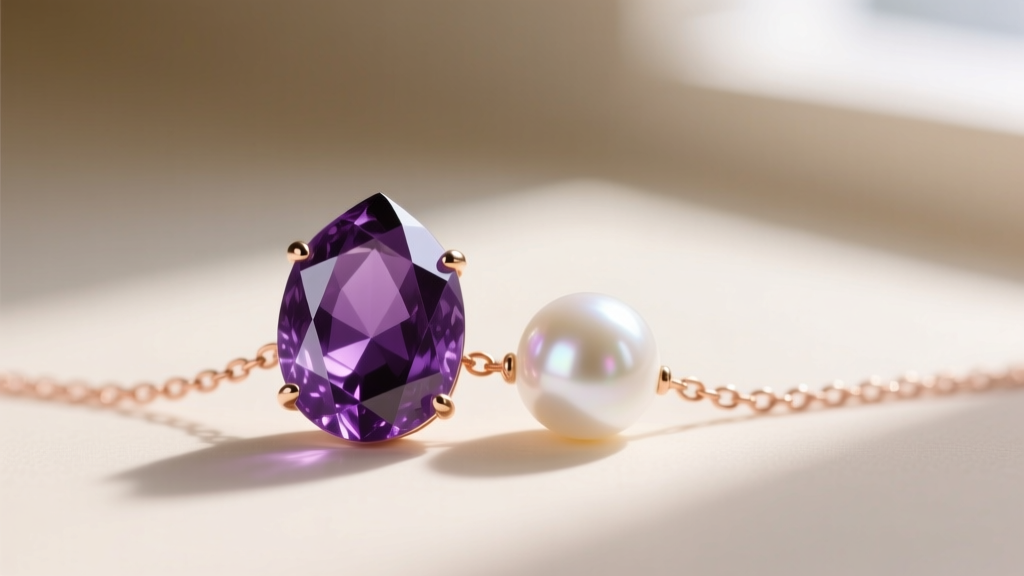
The Art of Combining Hardness and Luster
Styling an amethyst pearl necklace is an exercise in balancing contrasts. You are pairing the deep, vitreous luster of crystalline quartz (amethyst) with the soft, iridescent orient of organic nacre (pearl). From a gemological standpoint, this combination requires careful consideration. Amethyst ranks at a 7 on the Mohs hardness scale, while pearls sit at a fragile 2.5 to 4.5. This massive disparity in hardness dictates not only how you store your jewelry but also how you layer it to prevent the amethyst from scratching the pearl's delicate surface during wear.
In this comprehensive guide, we will break down the exact chain gauges, length spacing frameworks, and neckline pairings you need to master the layered amethyst and pearl aesthetic in 2026.
Step 1: Selecting the Right Chain Gauge and Material
When building a layered necklace stack, the structural integrity of your chains is paramount. A common mistake is using chains that are too thick, which visually overpowers the delicate nature of the pearls, or chains that are too thin, which snap under the weight of a 15mm amethyst drop.
The Gauge Sweet Spot
- Base Layer (16 inches): Use a 0.8mm to 1.0mm cable or box chain. This sits closest to the collarbone and should feature the lightest element, typically a small 6mm freshwater pearl.
- Mid Layer (18 inches): Opt for a 1.2mm to 1.5mm rope or Figaro chain. This layer will bear the weight of your primary amethyst pendant. The added thickness prevents the chain from slipping and twisting, which is a frequent issue with heavier gemstone drops.
- Statement Layer (20-22 inches): A 1.8mm to 2.0mm paperclip or satellite chain works best here. The open links of a paperclip chain catch the light beautifully, complementing the translucent purple hues of the amethyst without competing with it.
Stylist Insight: Always choose solid 14k or 18k gold over gold-plated brass for layered stacks. The friction between multiple chains rubbing against each other throughout the day will wear through gold plating within months, exposing the base metal and potentially causing skin irritation.
Step 2: The 2-Inch Spacing Framework
The secret to a flawless layered look is preventing tangles while maintaining distinct visual tiers. If your necklaces are spaced too closely (e.g., 16" and 16.5"), they will knot together. If spaced too far apart, the look loses its cohesive 'stacked' effect.
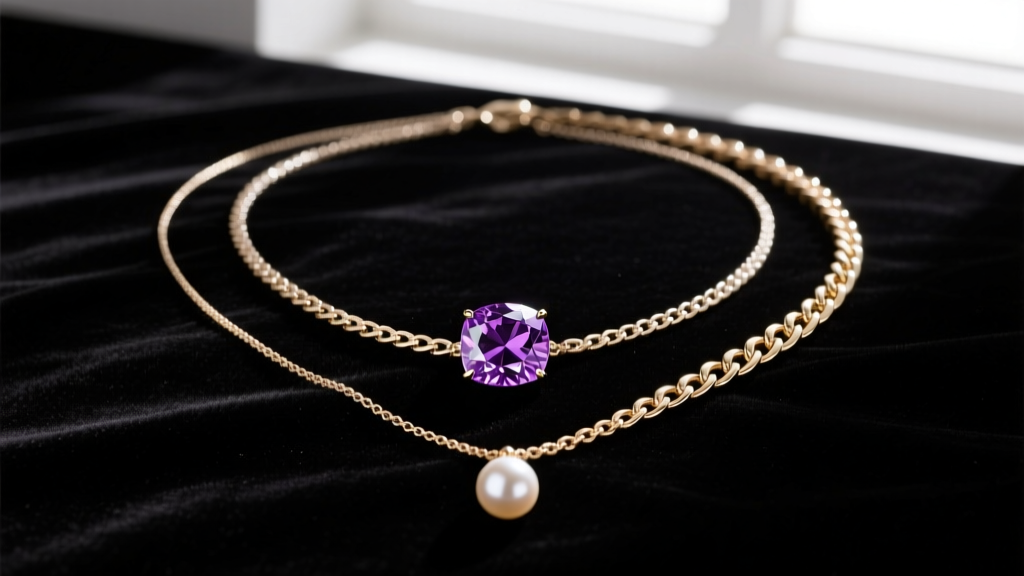
We recommend the strict 2-Inch Spacing Rule. Start with your base choker or collar at 16 inches. Your amethyst pendant layer should sit exactly at 18 inches, allowing the gemstone to rest just below the clavicle. Your final pearl-strand or secondary pendant layer should drop to 20 inches. If you are wearing a V-neck, you can extend the final layer to 22 inches to follow the geometry of the garment.
Pro-Tip: Use a Multi-Strand Clasp
If you struggle with chains twisting around your neck, invest in a 3-strand spacer clasp. This small device attaches to the back of your neck, securing all three chains in parallel alignment. It completely eliminates the need to constantly readjust your amethyst and pearl drops throughout the day.
Step 3: Matching Necklines to Gemstone Drops
An amethyst pearl necklace stack must be adapted to the neckline of your outfit. The interplay between the fabric's cut and the gemstones' geometry can either elongate your neck or create a cluttered, truncated appearance.
| Neckline Type | Ideal Base Length | Amethyst Drop Size & Shape | Pearl Accent Placement |
|---|---|---|---|
| Crew Neck | 18 - 20 inches | 12mm - 15mm Round or Cushion | Collarbone resting (16") |
| V-Neck | 22 - 24 inches | 18mm+ Teardrop or Briolette | Plunging Y-chain (24") |
| Scoop Neck | 16 - 18 inches | 8mm - 10mm Oval or Marquise | Clustered at hollow (16") |
| Sweetheart | 17 - 19 inches | 14mm Heart-Cut or Emerald | Asymmetrical offset (18") |
According to the GIA Amethyst Quality Factors, the most prized amethysts possess a strong reddish-purple hue with minimal color zoning. When selecting a teardrop or briolette cut for a V-neck layering piece, ensure the color is evenly distributed, as the elongated shape tends to expose color zoning (lighter and darker bands) more obviously than a round brilliant cut.
Step 4: Metal Color Theory and Gemstone Pairing
The metal you choose acts as the bridge between the cool, creamy white of the pearl and the warm, regal purple of the amethyst. Here is how different metal alloys interact with this specific gemstone pairing:
Rose Gold (14k or 18k)
Rose gold contains a higher copper content, giving it a warm, pinkish hue. This warmth naturally amplifies the secondary red flashes found in high-grade "Siberian" amethysts. The soft pink metal also harmonizes beautifully with the subtle rosé overtones often found in premium Akoya pearls. This is the ultimate romantic, vintage-inspired pairing.
Yellow Gold (14k or 18k)
Classic yellow gold provides a high-contrast, luxurious backdrop. The yellow complements the purple on the color wheel (they are near-complementary), making the amethyst appear deeper and more saturated. However, yellow gold can sometimes clash with pearls that have strong green or silver overtones, so ensure your pearls have a creamy or golden body color.
Sterling Silver or White Gold
White metals offer a crisp, modern aesthetic. Silver and white gold enhance the icy, vitreous clarity of lighter "Rose de France" amethysts and make the bright white luster of freshwater pearls pop. This is the ideal choice for professional or minimalist daytime styling.
Step 5: Crucial Care and Storage Protocols
Maintaining an amethyst pearl necklace requires a bifurcated approach to cleaning and storage. What is safe for the quartz is potentially destructive to the nacre.
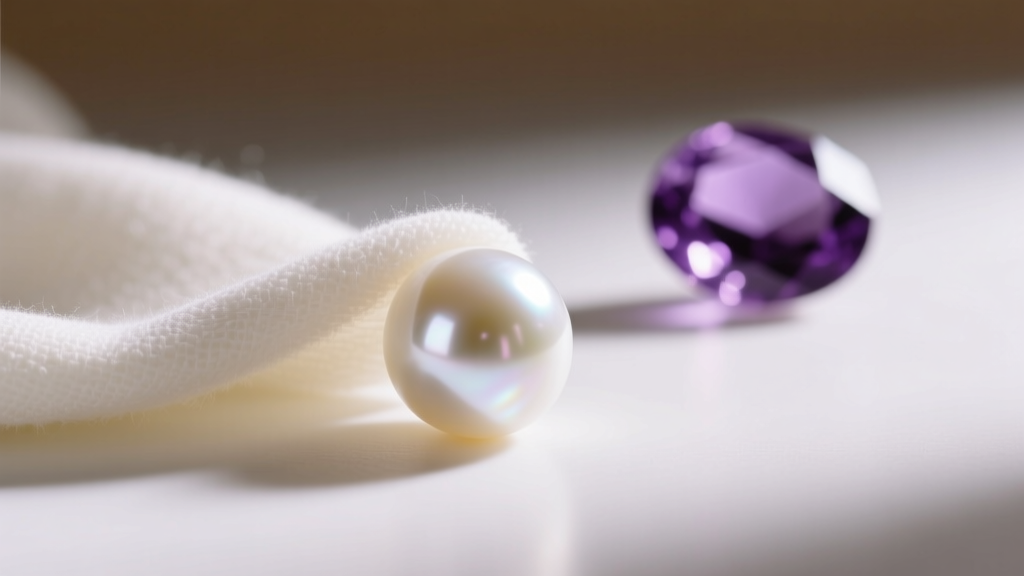
The Golden Rule of Storage
Never store your layered amethyst and pearl necklaces tangled together in a single jewelry box compartment. The 7-hardness amethyst will easily scratch the 3-hardness pearl nacre, leaving permanent dull grooves. Store each layer in a separate soft cotton pouch, or hang them individually on a multi-tiered jewelry stand with adequate spacing.
Safe Cleaning Methods
While you can safely use an ultrasonic cleaner for a solid amethyst pendant (provided it has no fracture-filled inclusions), ultrasonic waves will destroy a pearl. The high-frequency vibrations can cause the nacre to flake off the bead nucleus or crack the drill hole. Furthermore, harsh chemical dips will strip the pearl's orient.
Follow this safe cleaning protocol for your mixed-material stack:
- Wipe Down: After every wear, gently wipe the pearls with a clean, slightly damp microfiber cloth to remove skin oils and perspiration, which are acidic and degrade nacre over time.
- Amethyst Deep Clean: Once a month, remove the amethyst pendant from the chain (if possible) or carefully isolate it. Soak it in a bowl of warm water with a few drops of mild, phosphate-free dish soap for 10 minutes.
- Soft Brushing: Use an extra-soft baby toothbrush to gently dislodge any lotion or makeup buildup from behind the amethyst's pavilion facets.
- Drying: Pat the amethyst dry with a lint-free cloth. Allow the pearl chains to air dry completely flat on a towel before storing to prevent the silk or nylon thread from stretching or mildewing.
For more detailed guidance on maintaining organic gems, refer to the GIA Pearl Care and Cleaning guidelines, which emphasize the importance of the "last on, first off" rule to protect pearls from perfumes, hairsprays, and cosmetics.
Final Thoughts on Styling
Mastering the layered amethyst pearl necklace look is about respecting the unique properties of both materials. By adhering to precise chain gauges, utilizing the 2-inch spacing framework, and matching your gemstone cuts to your necklines, you elevate a simple jewelry stack into a masterclass of personal styling. Treat your pearls with the delicate care they require, and this striking purple-and-white combination will remain a cornerstone of your wardrobe for decades to come.


