A Buyer's Guide to the Perfect Leather Lariat Necklace
Discover how to choose, style, and care for a leather lariat necklace. Learn about leather grades, hardware, and knotting techniques in our expert guide.


The Anatomy of a Leather Lariat
Unlike traditional chain necklaces that rely on a fixed clasp and a predetermined circumference, the leather lariat necklace is defined by its fluid, open-ended design. Typically featuring a long, continuous leather cord that loops through a slider, an O-ring, or a decorative pendant, the lariat creates a customizable 'Y' silhouette. As we navigate the fashion landscape of 2026, the lariat remains a cornerstone of the 'quiet luxury' and artisanal bohemian aesthetics, prized for its versatility and organic drape. However, not all lariats are constructed equally. The longevity, comfort, and visual appeal of this accessory depend entirely on the specific leather grade, cord weight, and hardware metallurgy used in its construction. This guide provides a rigorous framework for evaluating and purchasing a leather lariat necklace that will endure years of daily wear.
Decoding Leather Grades and Weight
The term 'leather' is frequently abused in the fashion industry. When investing in a lariat, the leather cord is the primary structural component, bearing the tension of the knots and the friction of the sliding hardware. According to the Leather Working Group, understanding the tanning process and hide layer is critical for assessing durability and patina potential.
Full-Grain vs. Top-Grain: The Only Acceptable Choices
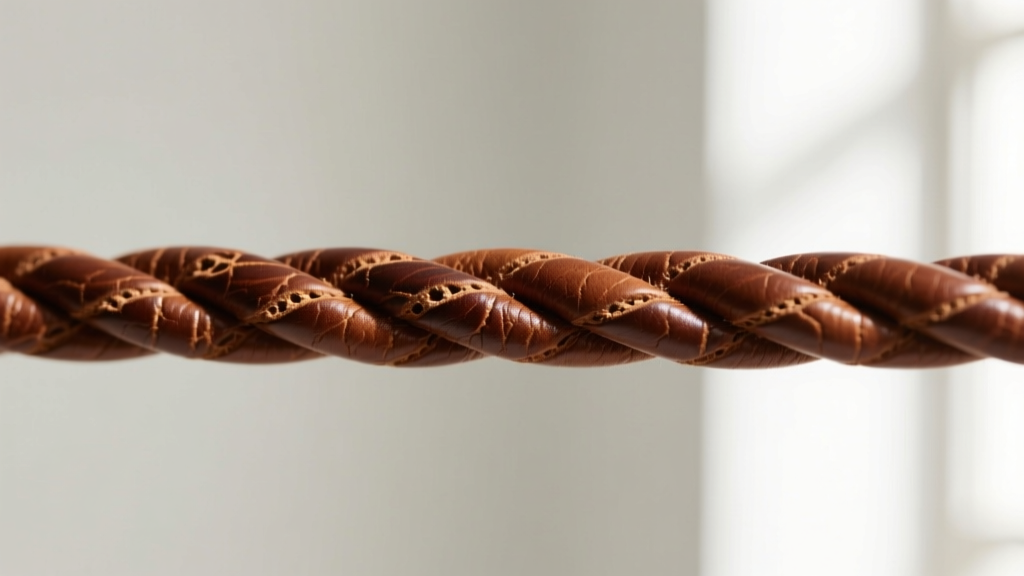
For a lariat necklace, you should exclusively seek out full-grain or high-quality top-grain leather. Full-grain leather retains the entire grain layer of the hide, including natural markings. It possesses the highest tensile strength, meaning it will not snap when pulled tight during knot adjustments. Over time, full-grain leather absorbs oils from your skin and develops a rich, unique patina. Top-grain leather is lightly sanded to remove imperfections, resulting in a smoother, more uniform cord that is highly resistant to staining, though it will not patina as deeply.
Warning: Avoid 'genuine leather' or 'bonded leather' cords. These are manufactured from shredded leather scraps bound with polyurethane adhesives. They lack structural integrity and will inevitably crack and peel at the stress points where the knot is repeatedly tied and untied.
Understanding Leather Weight and Thickness
Leather thickness is measured in ounces (oz) or millimeters (mm). The ideal weight for a lariat cord balances flexibility with structural memory.
- 2 to 3 oz (0.8mm - 1.2mm): Highly flexible, drapes like a heavy thread. Best for intricate wrapping styles and delicate sliders. May stretch over time if heavy pendants are attached.
- 4 to 5 oz (1.6mm - 2.0mm): The gold standard for lariats. Offers a substantial, luxurious hand-feel, holds knots securely without slipping, and resists stretching.
- 6+ oz (2.4mm+): Too rigid for most lariat applications. The cord will resist forming a smooth 'Y' drop and can feel abrasive against the collarbone.
Hardware: The Hidden Failure Points
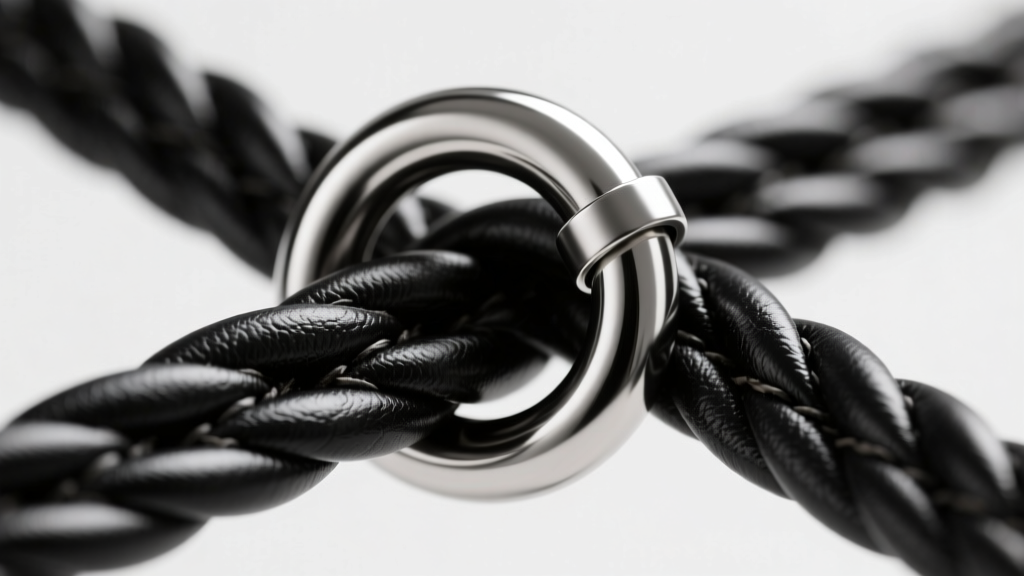
The hardware on a lariat necklace—specifically the slider, O-ring, or aglets (metal end-caps)—is where most budget pieces fail. The friction of the leather pulling through a metal loop generates heat and wear. Furthermore, cheap alloys will oxidize, leaving green or black marks on the leather and your skin.
| Hardware Material | Durability & Tensile Strength | Tarnish & Corrosion Resistance | Verdict & Best Use Case |
|---|---|---|---|
| 316L Stainless Steel | Exceptional | Excellent (Hypoallergenic) | Best overall. Ideal for everyday wear and sensitive skin. |
| Solid Brass / Bronze | High | Moderate (Develops Patina) | Excellent for heritage/artisanal styles. Requires occasional polishing. |
| Sterling Silver (925) | Moderate | Low (Tarnishes with Sulfur) | High-end luxury. Best for occasional wear; requires anti-tarnish storage. |
| Zamak / Zinc Alloy | Poor (Brittle) | Poor (Paint chips, pits) | Avoid. Common in fast fashion; sliders will snap under tension. |
When inspecting a slider or O-ring, look for a seamless weld or a solid cast. If the metal loop has a visible seam where the leather can catch and fray, pass on the piece. Additionally, ensure the aglets (the metal tips at the ends of the cord) are securely crimped or glued with jeweler's epoxy to prevent the leather from unraveling.
Sizing, Drop Length, and Knot Mechanics
The versatility of the leather lariat necklace lies in its adjustable nature, but the baseline dimensions dictate how it can be worn.
Total Length and Drop Proportions
A standard lariat ranges from 45 to 60 inches in total length. However, the critical metric is the drop length—the vertical section that hangs below the knot or slider. A drop length of 4 to 6 inches creates a subtle, modern 'Y' shape that pairs well with high-neck blouses. A drop of 8 to 12 inches creates a dramatic, elongating effect ideal for deep V-necks and maxi dresses.
Mastering the Knots
The way you tie your lariat affects both its security and its aesthetic. According to styling experts featured in Vogue, the knot itself is a design element.
- The Overhand Knot: The simplest method. Create a loose loop, pass the ends through, and pull tight. Best for thick, 4oz leather cords that need friction to stay in place.
- The Lark's Head (Cow Hitch): Fold the cord in half, pass the loop through the O-ring, and pull the tails through the loop. This creates a clean, hardware-free 'Y' drop without a bulky knot.
- The Asymmetric Drape: Simply loop the cord once around the neck and let the ends hang at uneven lengths. This requires a cord with enough weight (and a slider with enough grip) to prevent it from slowly sliding off the shoulder.
Neckline Pairing Framework
To maximize the impact of your leather lariat, pair it strategically with your wardrobe's necklines. The lariat is designed to draw the eye vertically, making it a powerful tool for balancing proportions.
The Golden Rule of Lariat Styling: The leather cord should never compete with the seam of your garment. It must either rest entirely on bare skin or sit cleanly against a solid, unpatterned fabric.
- V-Neck and Scoop Necks: The lariat echoes the 'V' shape of the neckline, elongating the neck and torso. Use a slider to keep the drop centered.
- Button-Down Shirts: Wear the lariat over a crisp, unbuttoned collar for a relaxed, bohemian-office aesthetic. A dark brown full-grain cord with brass hardware elevates a simple white Oxford shirt instantly.
- Turtlenecks and High Crew Necks: Opt for a longer lariat (55+ inches) worn loosely over the fabric. The leather adds a necessary textural contrast to heavy winter knits.
Troubleshooting Common Lariat Issues
Even high-quality lariats can present minor functional challenges. Here is how to troubleshoot them like a professional:
Issue: The Knot Keeps Slipping
Cause: The leather is too smooth, heavily finished, or the cord is too thin for the knot type.
Solution: Switch to a double overhand knot, or use a small, discreet silicone jewelry stopper bead on the tail ends to create physical resistance. Alternatively, lightly scuff the inside of the knot area with fine-grit sandpaper to increase friction.
Issue: The Leather Cord is Stiff and Won't Drape
Cause: The leather is overly treated with heavy waxes or is a heavier weight (5oz+) that has been stored coiled.
Solution: Gently warm the cord with a hairdryer on a low setting for 15 seconds, then massage it with your hands to break the wax barrier. Condition it with a light leather oil to restore suppleness.
Long-Term Care and Conditioning
Leather is a porous, organic material that degrades when exposed to environmental stressors. Because a lariat necklace is frequently handled, tied, and exposed to the skin's natural oils and cosmetics, it requires a specific maintenance protocol.
- Avoid Alcohol and Perfume: Never spray perfume directly onto the leather cord. Alcohol strips the hide of its natural moisture, leading to dry rot and cracking at the knot points.
- Condition Quarterly: Every three to four months, apply a minuscule amount of leather conditioner (preferably one based on beeswax and lanolin, avoiding petroleum distillates) to a microfiber cloth. Rub it into the cord, focusing on the areas that experience the most friction from the slider or knot.
- Proper Storage: Never store a lariat necklace tightly coiled or knotted. The leather will develop 'memory' and permanent creases. Hang it from a dedicated jewelry hook, allowing the full length to hang straight, or lay it flat in a drawer lined with acid-free tissue paper.
By prioritizing full-grain materials, robust metallurgy, and proper maintenance, a leather lariat necklace transitions from a fleeting seasonal trend into a permanent, evolving fixture in your jewelry collection. The right piece will mold to your styling habits, developing a patina that is entirely your own.