Style Analysis: The Lego Chew Necklace Trend in 2026
Discover how the lego chew necklace evolved into a 2026 fashion staple. Explore silicone grades, safety standards, and sensory styling tips.

The Evolution of Sensory Jewelry: From Clinical to Couture
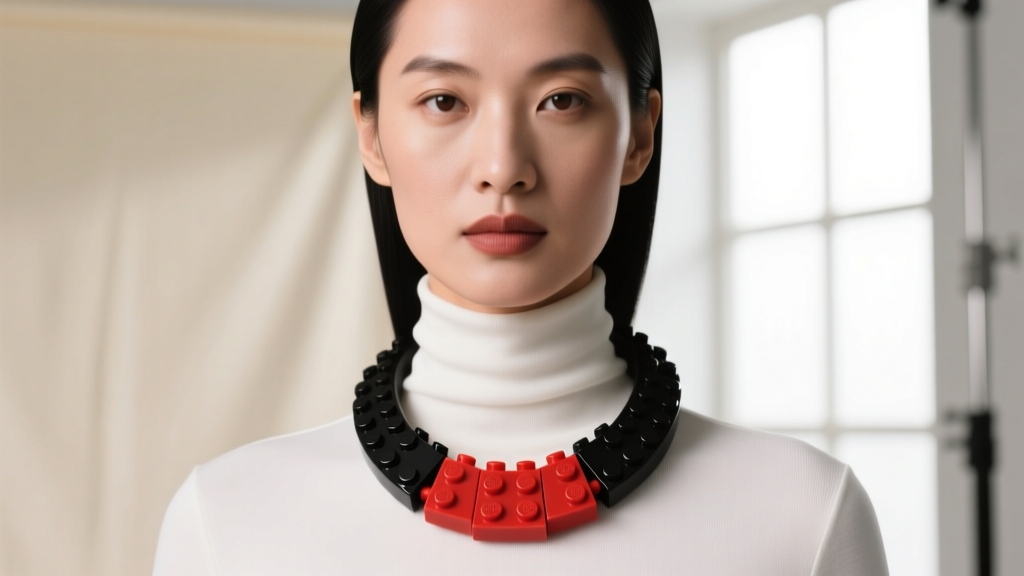
In the landscape of 2026 fashion, the intersection of functionality and aesthetics has never been more pronounced. Among the most fascinating developments in the accessories market is the mainstream adoption of the lego chew necklace. Originally designed as a discrete, therapeutic tool for neurodivergent individuals—specifically those with Autism, ADHD, or Sensory Processing Disorder (SPD)—chewelry has transcended its clinical origins. According to the STAR Institute, sensory seeking behaviors, such as oral proprioceptive input, are vital for emotional regulation and focus. Historically, sensory tools were bulky, brightly colored, and distinctly child-like. Today, however, designers have reimagined the classic building block aesthetic into sophisticated, streetwear-compatible accessories that cater to adult and teen demographics without compromising on tactile utility.
The lego chew necklace taps into a powerful wave of nostalgia while serving a distinct neurological need. The familiar geometry of interlocking brick studs provides a predictable, satisfying tactile feedback loop. In 2026, we are seeing a massive shift toward 'neuro-inclusive fashion,' where accessories are designed to support cognitive and sensory needs while looking like high-end, avant-garde jewelry. The blocky, modular aesthetic of these pendants aligns perfectly with the ongoing 'geek chic' and brutalist jewelry trends dominating contemporary runways.
Material Science: What Makes a Safe Lego Chew Necklace?
Not all silicone is created equal, and when it comes to oral sensory tools, material integrity is a matter of health and safety. The gold standard for any premium lego chew necklace is 100% food-grade, platinum-cured silicone. Unlike tin-cured silicone, which utilizes a cheaper condensation-cure process that can release toxic byproducts and shrink over time, platinum-cured silicone undergoes an addition-cure reaction. This results in a highly stable, non-porous, and biocompatible material that contains zero BPA, PVC, phthalates, or latex.
Understanding Shore A Hardness Ratings
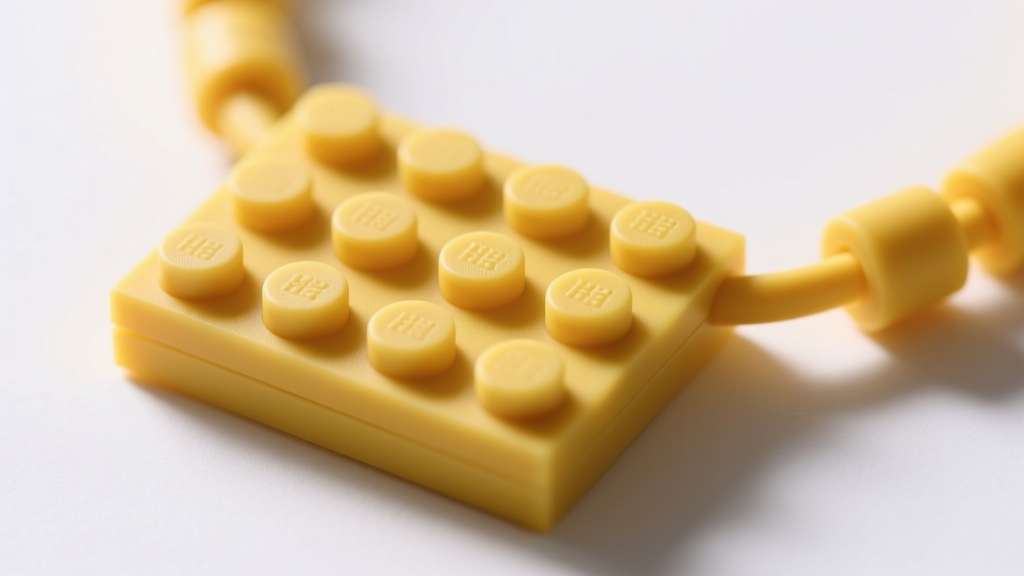
The defining characteristic of a high-quality chew pendant is its durometer rating, measured on the Shore A hardness scale. The lego brick shape requires a very specific hardness to maintain its structural integrity. If the silicone is too soft, the iconic cylindrical studs will collapse and tear under aggressive chewing. If it is too hard, it poses a risk to dental enamel. Here is how the 2026 market segments these tools:
- Soft (Shore A 20-30): Ideal for light, passive chewers. Rarely used for detailed lego shapes because the edges lose their crisp definition over time.
- Medium (Shore A 40-50): The industry sweet spot for building block pendants. It offers enough resistance to provide satisfying proprioceptive feedback to the jaw muscles while retaining the sharp geometry of the brick studs.
- Firm (Shore A 60-70): Designed for aggressive, heavy chewers. This density mimics the resistance of a hard plastic pen cap but with enough micro-yield to protect the temporomandibular joint (TMJ).
Safety Protocols: Breakaway Mechanics and Compliance
Wearing any necklace poses an inherent strangulation hazard, which is why rigorous safety engineering is non-negotiable. The Consumer Product Safety Commission (CPSC) maintains strict guidelines regarding neck accessories, particularly those marketed toward individuals who may not have the motor skills to manually remove a tangled cord. A legitimate lego chew necklace must feature a certified breakaway clasp.
These clasps are typically friction-fit plastic barrels engineered to separate under a specific tensile load—usually between 5 and 8 pounds of force. If the pendant becomes snagged on playground equipment, furniture, or is pulled forcefully, the clasp will pop open before the cord can restrict the airway. Furthermore, top-tier manufacturers test their products against ASTM F963 (the Standard Consumer Safety Specification for Toy Safety) to ensure that if a piece of the silicone is bitten off, it does not constitute a small-parts choking hazard. When shopping, always verify that the cord is made of a durable, non-fraying material like braided nylon or reinforced cotton, as frayed cords can harbor bacteria and weaken over time.
2026 Trend Report: Styling Your Lego Chew Necklace
Styling a lego chew necklace in 2026 is all about leveraging the 'Dopamine Dressing' movement—using bold colors and playful textures to boost mood and express individuality. The modular, geometric nature of the building block pendant makes it a striking statement piece. For a sophisticated, adult-appropriate look, fashion stylists recommend opting for matte-finish silicone in monochromatic or muted tones like charcoal, olive green, or navy blue. A matte black lego brick pendant worn over a crisp white turtleneck or a structured blazer reads as architectural and intentional, rather than clinical.
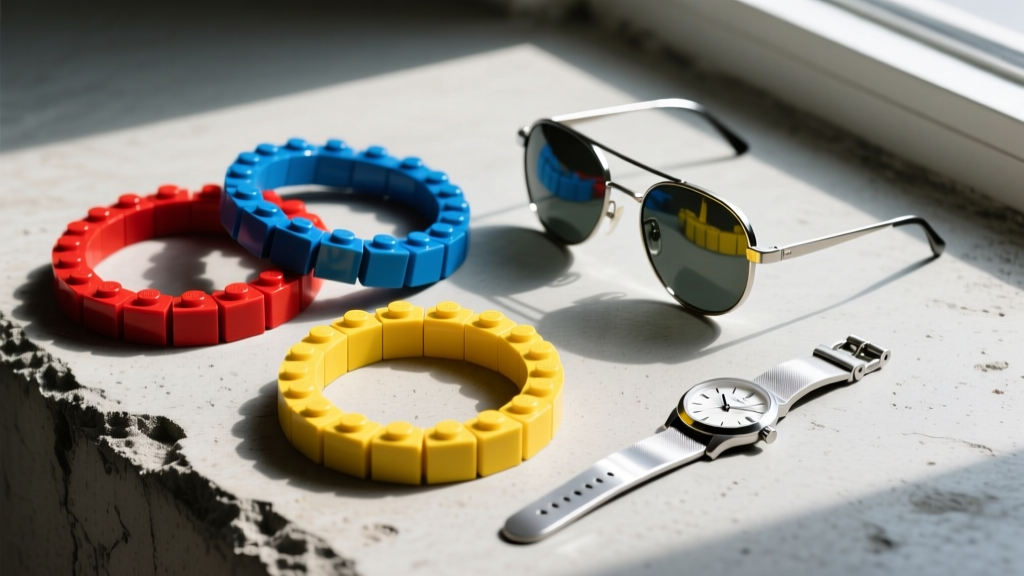
For those embracing vibrant streetwear, primary-colored blocks (classic red, yellow, and blue) can be color-blocked against oversized graphic tees and utilitarian cargo pants. The trend of layering is also highly relevant; because silicone pendants are lightweight, they can be layered with delicate metallic chains or thick Cuban links to create a mixed-media aesthetic that bridges the gap between sensory utility and high fashion.
Market Comparison: Top Brands and Price Points
The market for sensory jewelry has expanded significantly. Below is a comparative analysis of the leading brands offering building-block and lego-inspired chew necklaces, highlighting their material specs and target demographics.
| Brand / Model | Shore A Hardness | Cord & Clasp | Price Range | Best For |
|---|---|---|---|---|
| ARK Therapeutic (Brick) | Medium-Firm (50A) | Nylon, Breakaway | $22 - $28 | Heavy chewers needing deep jaw resistance. |
| Chewigem (Block Tag) | Medium (45A) | Cotton, Safety Clip | $18 - $24 | Everyday wear and moderate sensory seekers. |
| Munchables (Builder) | Soft-Medium (35A) | Braided Nylon, Breakaway | $25 - $32 | Light chewers prioritizing aesthetic and soft textures. |
Care, Maintenance, and Lifespan
Because a lego chew necklace is subjected to constant moisture, oral bacteria, and mechanical stress, a rigorous cleaning protocol is essential. Platinum-cured silicone is highly heat resistant, meaning the safest and most effective way to sanitize the pendant is by boiling it in rolling water for 3 to 5 minutes. Avoid using harsh chemical bleaches or alcohol-based cleaners, as these can degrade the silicone matrix, causing it to turn tacky or brittle over time.
It is crucial to inspect the pendant weekly for signs of material fatigue. Look for micro-tears around the base of the brick studs or any stretching at the cord loop. Even the highest grade silicone has a functional lifespan when subjected to human bite force. For moderate chewers, a pendant should be replaced every 3 to 6 months. For aggressive chewers, replacement may be necessary every 4 to 8 weeks. Never attempt to repair a torn silicone pendant with household glues, as these are highly toxic and will fail under pressure.
Final Thoughts on the Sensory Fashion Movement
The lego chew necklace is a triumph of modern accessory design, proving that therapeutic tools do not have to be hidden away to be effective. By marrying the nostalgic, tactile joy of building blocks with advanced material science and rigorous safety standards, designers have created a vital tool for neurodivergent regulation that doubles as a bold fashion statement. As we move through 2026, the continued normalization of sensory jewelry represents a massive step forward in inclusive fashion, ensuring that everyone can find focus, comfort, and style in their everyday wardrobe.


