Lightning Bolt Necklace Taylor Swift: 2026 Buyer's Guide
Discover the best lightning bolt necklace Taylor Swift fans can buy in 2026. We compare metals, chain gauges, and clasps for the ultimate Eras Tour look.

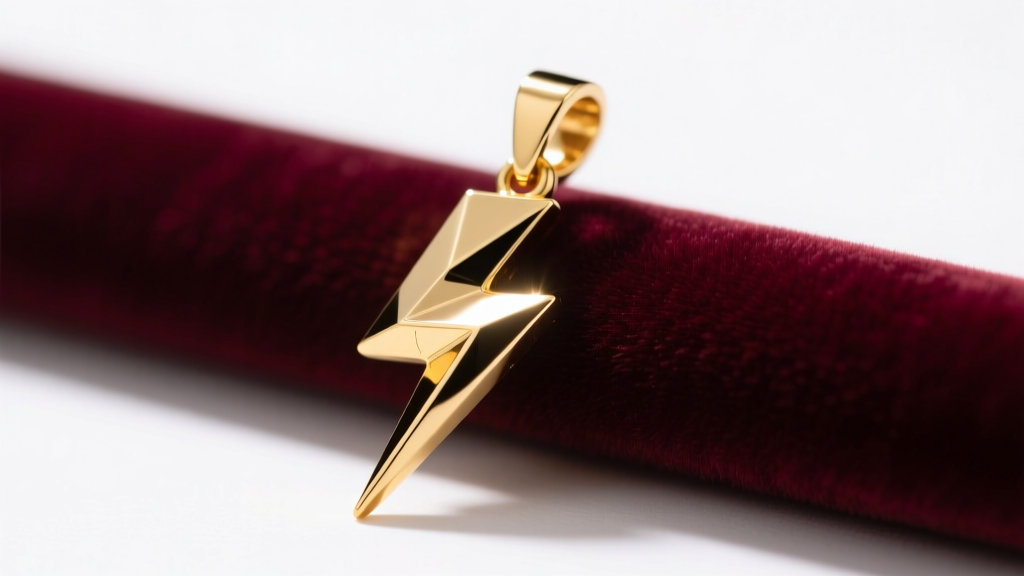
The lightning bolt motif has transcended its original Reputation era origins to become a permanent staple in pop culture jewelry. As we move through the 2026 touring season, the demand for a high-quality lightning bolt necklace Taylor Swift fans can rely on has shifted from cheap, mass-produced stadium merch to structurally sound, fine jewelry replicas. Whether you are layering for a three-hour stadium set or seeking a subtle, everyday nod to your favorite era, understanding the metallurgy, chain mechanics, and casting techniques behind these pendants is critical. This expert guide breaks down the technical specifications you need to evaluate before purchasing your next statement piece.
The Anatomy of a Perfect Lightning Bolt Pendant
Not all lightning bolts are created equal. The geometric asymmetry of the classic Swiftie bolt requires precise manufacturing to avoid looking bulky or, conversely, flimsy. The ideal dimensions for a versatile, layered pendant sit at approximately 15mm in width, 25mm in height, and 1.5mm in thickness. At these dimensions, a solid 925 sterling silver pendant will weigh roughly 3.2 grams—light enough for all-day wear, but heavy enough to lay flat against the sternum without flipping over.
Lost-Wax Casting vs. Sheet Stamping
The manufacturing method dictates the pendant's longevity and comfort. Budget-friendly replicas are typically stamped from thin sheets of base metal. This process leaves microscopic burrs along the edges that can scratch the skin and catch on delicate concert outfits. Premium jewelers utilize lost-wax casting. This technique involves carving a 3D wax model, encasing it in a plaster investment, and burning out the wax before injecting molten metal. The result is a pendant with smooth, beveled edges, structural integrity, and the option for a hollowed-back gallery that reduces overall weight without sacrificing the visual footprint of the bolt.
Metallurgy Breakdown: Tour Merch vs. Fine Jewelry
When shopping for a lightning bolt necklace, the metal composition is the single most important factor in determining its lifespan. Stadium tour merchandise is generally designed for immediate visual impact, not long-term wear. Fine jewelry alternatives, however, must adhere to strict metal purity standards.
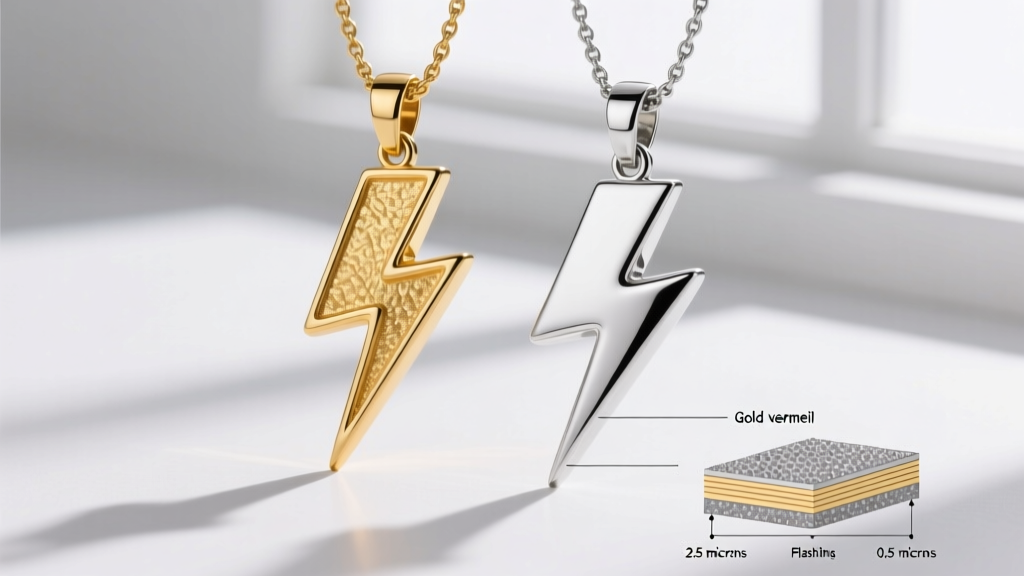
According to the Federal Trade Commission Jewelry Guides, a piece can only be legally marketed as "Gold Vermeil" if it features a 925 sterling silver base coated with at least 2.5 microns of 10k or higher gold. Most cheap online replicas use "flash plating," which deposits a mere 0.1 to 0.3 microns of gold over brass or zinc alloy. When exposed to the high acidity and salt content of human sweat during a vigorous Eras Tour dance set, flash plating will oxidize and wear away in a single evening.
| Material Grade | Core Metal | Plating Thickness | Sweat & Tarnish Resistance | Estimated Price Range |
|---|---|---|---|---|
| Stadium Merch (Base) | Zinc Alloy / Brass | Flash (0.1μm - 0.3μm) | Poor (Tarnishes rapidly) | $15 - $40 |
| Gold Vermeil | 925 Sterling Silver | Heavy (2.5μm+) | Good (Requires post-wear wiping) | $85 - $160 |
| Solid 14k Gold | 58.5% Pure Gold Alloy | Solid (No plating) | Excellent (Lifetime durability) | $350 - $650+ |
Chain Styles and Tensile Strength
A 3.5-gram lightning bolt pendant requires a chain that can withstand dynamic load. The two most common chains paired with these pendants are the cable chain and the box chain, but their engineering differences are vast.
- Standard Cable Chain (1.0mm): While aesthetically delicate, unsoldered cable chains rely on single pressure-closed seams. The repetitive bouncing of a pendant during a concert will cause these links to stretch, oval out, and eventually snap.
- Box Chain (1.2mm - 1.5mm): Composed of interlocking square links, box chains distribute kinetic energy evenly across multiple contact points. A 1.5mm soldered box chain boasts a tensile strength capable of holding up to 15 pounds of static weight, making it virtually indestructible under normal concert conditions.
- Rolo Chain (1.8mm): Featuring thick, round interlocking links, rolo chains offer a heavier, more industrial look that pairs exceptionally well with the edgy, Reputation-era aesthetic.
Bail Sizing and Chain Compatibility
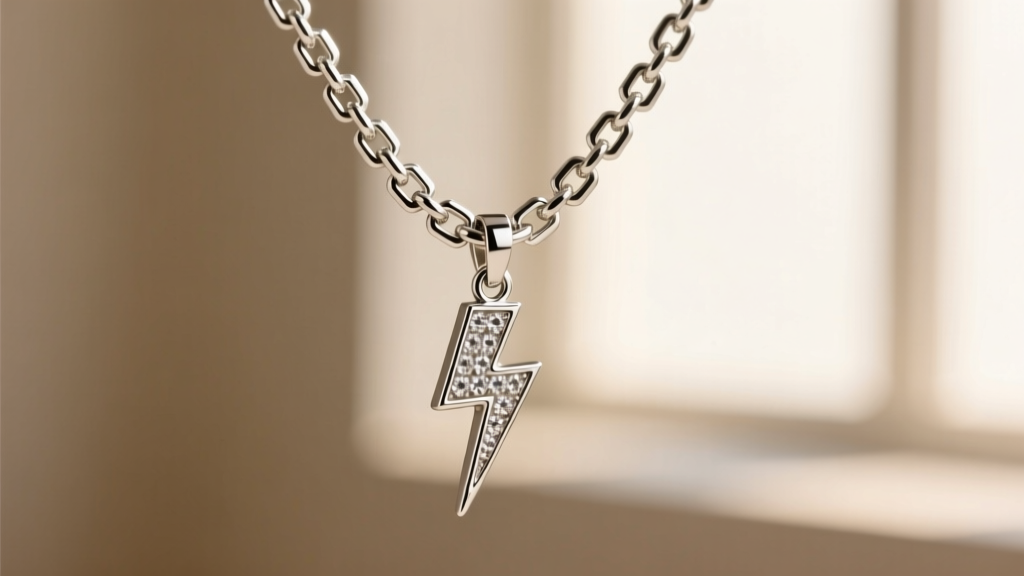
The bail—the loop that connects the pendant to the chain—must be properly proportioned. A standard lightning bolt pendant features a bail with an outer diameter (OD) of 4mm and an inner diameter (ID) of 2.5mm. If you attempt to thread a thick 2.0mm rolo chain through a 2.0mm ID bail, the friction will wear down the interior of the bail over time, eventually causing the pendant to detach. Always verify the chain's maximum width against the bail's ID before purchasing.
Clasp Mechanics: Securing Your Piece
The clasp is the most frequent point of failure on any necklace. For a heavy, statement pendant, the lobster clasp is the only acceptable hardware. Lobster clasps feature a robust internal spring mechanism and a solid body that resists bending. In contrast, spring-ring clasps are notorious for failing when the microscopic internal wire spring becomes clogged with cosmetic sprays, lotions, or sweat.
When verifying the authenticity of a vermeil or solid gold piece, inspect the clasp. As noted by the Gemological Institute of America (GIA), reputable manufacturers will stamp the quality mark (e.g., "925" or "14k") directly onto the clasp or the soldered jump ring attached to it. If the clasp is completely blank, you are likely looking at a base-metal imitation.
Red Flags When Buying Swiftie Jewelry Online
The internet is flooded with dropshipped replicas. Protect your investment by watching out for these technical red flags:
- The "Magnet Test" Deception: If a seller claims a pendant is 925 silver but it sticks to a magnet, it contains a ferromagnetic core (like iron or steel) and is a counterfeit.
- Unnaturally High Polish on Brass: Brass has a distinct yellow-green undertone. If a piece is marketed as "silver" but has a yellowish tint in the shadows of the casting, it is merely rhodium-plated brass.
- Glued Bails: High-end pendants feature a soldered bail, fused to the metal with high heat. If you can see epoxy residue or if the bail wiggles independently of the pendant, it is glued and will fail.
Styling and Layering for the Eras Tour
To achieve the ultimate 2026 concert look, utilize the "V-formation" layering technique. Pair your 18-inch lightning bolt box chain with a 16-inch sterling silver choker (such as a snake chain or a delicate bead chain) and a 22-inch oxidized silver pendant necklace. This staggered length distribution prevents the chains from tangling in their clasps while ensuring the lightning bolt rests perfectly in the center of the collarbone hollow, catching the stadium lights from every angle.
Conclusion
Investing in a premium lightning bolt necklace is about more than just fandom; it is an appreciation for functional, wearable art. By prioritizing lost-wax casting, verifying vermeil micron thickness, and selecting high-tensile box chains with secure lobster clasps, you ensure your jewelry survives the rigors of the tour and becomes a lasting artifact of your favorite musical era.


