How to Style a Lili Reinhart Necklace: Step-by-Step Guide
Learn how to recreate the iconic Lili Reinhart necklace look with our step-by-step layering guide, featuring chain gauges, lengths, and pro tips.

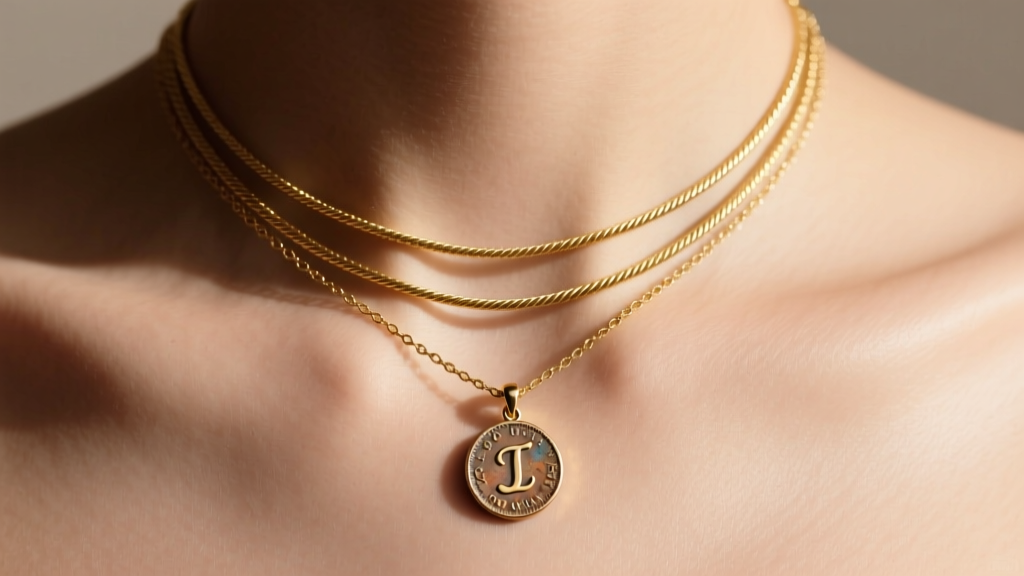
When it comes to accessible, sentimental, and effortlessly chic jewelry, the Lili Reinhart necklace aesthetic remains a masterclass in modern styling. The actress and author is rarely seen without her signature layered gold chains, often featuring delicate initial pendants, vintage-inspired lockets, and subtle zodiac charms. Rather than relying on a single, heavy statement piece, Reinhart’s approach focuses on visual weight distribution, mixed chain geometries, and deeply personal talismans.
If you have been searching for a definitive guide on how to build and style a layered necklace stack that mirrors this iconic look, you are in the right place. This step-by-step guide breaks down the exact chain widths, material grades, and layering mechanics required to achieve a tangle-free, red-carpet-ready stack.
Decoding the Lili Reinhart Necklace Aesthetic
Before purchasing new pieces, it is crucial to understand the core pillars of Reinhart’s jewelry philosophy. Her signature look relies on three main elements:
- Delicate Proportions: The chains are rarely thicker than 2mm, ensuring the stack feels lightweight and intimate rather than ostentatious.
- Sentimental Focal Points: Pendants are highly personalized—think birthstones, initials, or astrological signs—set in low-profile bezels or simple prong settings.
- Warm Metal Tones: While she occasionally mixes metals, her foundational layers are almost exclusively 14k yellow gold, which complements a wide variety of skin undertones and casual wardrobes.
"The secret to a perfect layering stack isn't just about length; it's about ensuring each chain has a distinct visual texture so they don't blend into a single, messy line."
Step 1: Selecting the Base Chain (14" to 15")
The foundation of any successful stack is the base chain. For the Lili Reinhart necklace look, this piece should sit snugly near the hollow of the throat, acting as a delicate choker.
Technical Specifications for the Base Layer
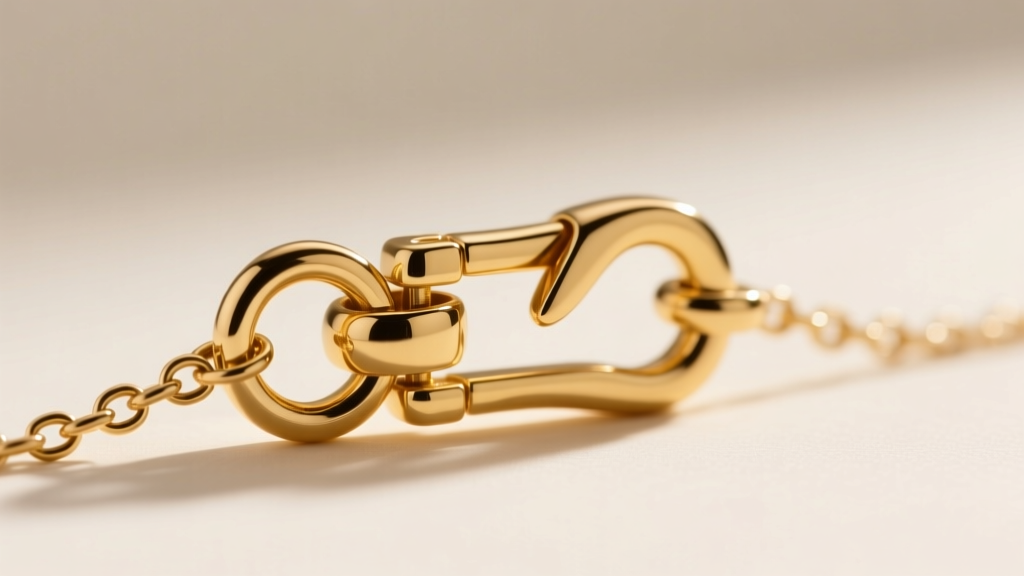
Opt for a 1mm to 1.2mm cable chain or a satellite chain (which features small beads or links spaced evenly along the wire). The clasp on this layer should be a lightweight spring ring (around 5mm) rather than a bulky lobster clasp, which can weigh down the delicate front drape and cause the chain to flip backward.
Pro Tip: If you are buying solid 14k gold, ensure the jump rings connecting the clasp are soldered shut. Unsoldered jump rings on ultra-fine 14-gauge wire will easily pull apart under the tension of daily wear.
Step 2: Adding the Sentimental Pendant (16" to 18")
The middle layer is the emotional anchor of the stack. This is where you introduce the primary pendant—often an initial, a tiny diamond solitaire, or a minimalist locket. This chain should rest precisely on the collarbone.
Choosing the Right Pendant Setting
To maintain the understated elegance of the Reinhart aesthetic, avoid high-set prong pendants that catch on knitwear. Instead, look for bezel-set or flush-set pendants. A 14k yellow gold bezel not only protects the perimeter of the gemstone (or mother-of-pearl inlay) but also adds a subtle geometric boundary that separates the pendant from the chain visually.
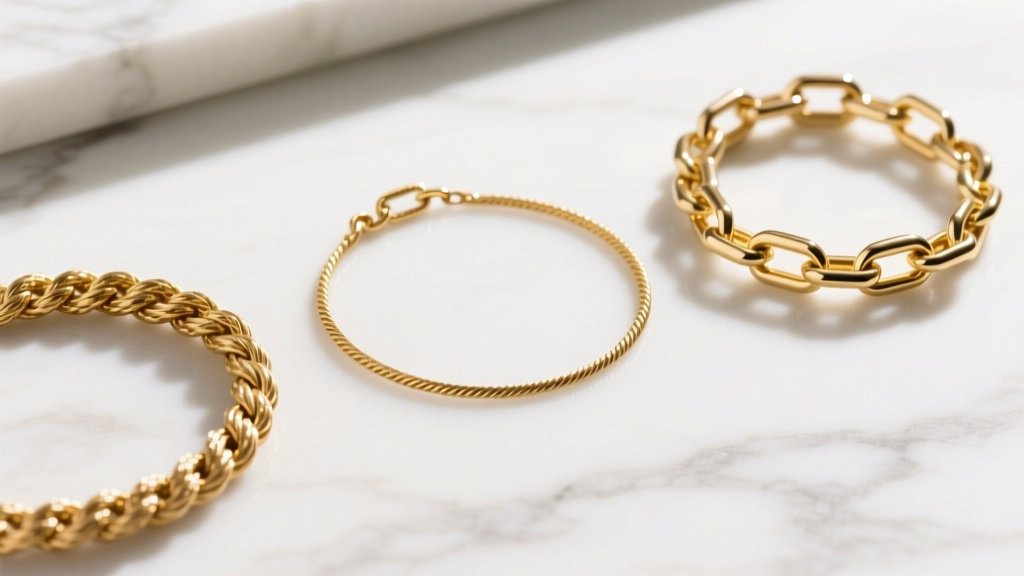
For the chain itself, upgrade to a 1.5mm box chain. Box chains are constructed from square, interlocking links that reflect light beautifully and provide a slightly more structured look than a standard cable chain, creating necessary contrast in your stack.
Step 3: The Statement Anchor (20" to 24")
The final layer drops below the neckline, drawing the eye downward and elongating the neck. This is typically a vintage-style coin necklace, a slightly larger locket, or a bar pendant.
Chain Geometry and Weight
For this deepest layer, utilize a 2mm rope chain or a Figaro chain. The twisted links of a rope chain catch the light from multiple angles, giving the illusion of a heavier, more expensive piece without the actual gram-weight penalty. The pendant here should be roughly 15mm to 20mm in diameter—large enough to be noticed, but small enough to maintain the delicate theme.
Material & Grade Comparison Chart
When replicating a celebrity jewelry stack, understanding material longevity is just as important as the visual design. According to the Gemological Institute of America (GIA), 14k gold (58.5% pure gold) offers the ideal balance of rich color and structural durability for daily-wear chains. Below is a breakdown of the materials you should consider for your stack.
| Material Grade | Composition | Longevity & Wear | Price Range (Per Layer) |
|---|---|---|---|
| 14k Solid Gold | 58.5% Gold, 41.5% Alloy | Lifetime. Will not tarnish. Can be polished indefinitely. | $150 - $400+ |
| Gold Vermeil | Sterling Silver base, 2.5+ microns of 14k/18k Gold | 2-5 years. The Federal Trade Commission (FTC) requires a minimum of 2.5 microns for the 'vermeil' label. | $60 - $120 |
| Gold Plated (Brass) | Brass base, <0.5 microns of Gold | 6-12 months. Prone to rapid tarnishing and skin discoloration. | $20 - $50 |
| Gold Filled | Brass base, 5%+ Gold by weight (mechanically bonded) | 10-15 years. Highly durable, but limited in delicate chain styles. | $40 - $90 |
Expert Recommendation: For the middle and bottom layers that bear the weight of pendants, invest in 14k solid gold or high-quality vermeil. For the ultra-delicate 1mm base chain, gold-filled is an acceptable budget alternative, provided you remove it before showering.
The Physics of Tangle-Free Layering
The most common failure mode of a multi-strand necklace stack is tangling. When three chains of similar weight and link geometry are worn together, their center of gravity shifts with movement, causing the links to interlock and knot.
How to Prevent Interlocking
- Vary the Link Geometry: Never stack three cable chains. As outlined in the steps above, mix a cable (round links), a box (square links), and a rope (twisted links). The differing physical profiles prevent the links from slipping inside one another.
- Maintain a 2-Inch Length Gap: Ensure there is a strict minimum of 2 inches between each layer. A 14", 16", and 18" stack will tangle less than a 15", 16", and 17" stack because the pendulum swing arcs are further apart.
- Use a Multi-Strand Clasp: If tangling remains an issue, purchase a 14k gold layered necklace spacer clasp. This single device secures all chains at the back of the neck, forcing them to hang parallel and eliminating back-of-neck knots entirely.
Pairing Your Stack with Necklines
The Lili Reinhart necklace aesthetic is highly versatile, but it requires specific neckline pairings to truly shine.
The Crew Neck & T-Shirt
When wearing a standard cotton crew neck, keep the base chain (14") hidden beneath the fabric, allowing only the 16" pendant and 20" coin to rest on the cotton. This creates a casual, effortless vibe that prevents the stack from looking overly styled.
The Deep V-Neck & Wrap Dress
This is where the full stack thrives. The 14" chain sits above the fabric line, while the 16" and 20" chains follow the geometric V of the neckline, drawing the eye down and framing the décolletage beautifully. Ensure the deepest pendant stops at least one inch above the hem of the V-neck to avoid visual clutter.
The Sweetheart Neckline
For formal events or sweetheart necklines, swap the standard pendants for a delicate pearl drop or a micro-pavé diamond pendant on the 16" chain. The curved neckline mimics the curve of the collarbone, making a bezel-set gemstone the perfect focal point.
Maintaining the 14k Gold Finish
To keep your layered stack looking pristine, proper maintenance is non-negotiable. 14k yellow gold is highly resistant to tarnish, but the alloy metals (usually copper and silver) can react to environmental factors over time.
- Chemical Exposure: Always remove your stack before swimming in chlorinated pools. Chlorine can cause microscopic stress fractures in 14k gold alloys, eventually leading to chain snap.
- Cleaning Protocol: Avoid ultrasonic cleaners if your sentimental pendants feature porous stones like opals, emeralds, or pearls. Instead, use a few drops of mild dish soap in lukewarm water and gently agitate the chains with a baby-soft toothbrush. Rinse thoroughly and dry with a microfiber cloth.
- Storage: Never throw layered necklaces into a communal jewelry box. Hang them vertically on a multi-tier jewelry stand or lay them flat in a segmented velvet tray to preserve the structural integrity of the delicate links.
Final Thoughts on the Reinhart Aesthetic
Recreating the iconic Lili Reinhart necklace look is less about buying the exact same pieces and more about understanding the architecture of a well-balanced stack. By focusing on varied chain geometries, strict length intervals, and high-quality 14k gold or FTC-compliant vermeil, you can build a deeply personal, tangle-free layered necklace collection that transitions seamlessly from casual coffee runs to high-profile red carpet events. Start with your base chain, add your sentimental anchors, and let the layers tell your unique story.


