Lock It Necklace Value Guide: Are Designer Padlocks Worth It?
Is a designer lock it necklace worth the premium? We break down gold weights, clasp mechanics, and resale value to help you buy smart in 2026.

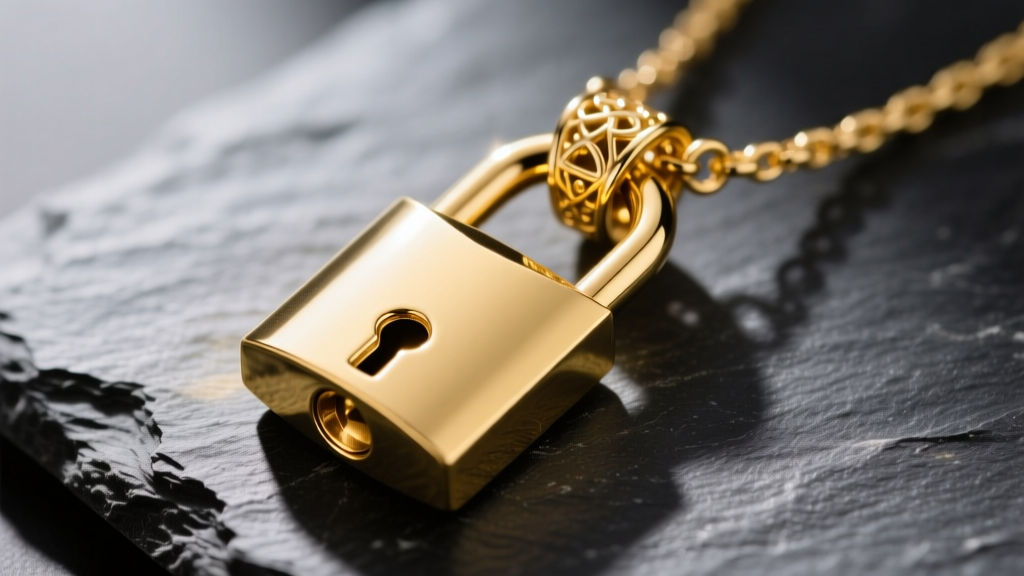
The padlock pendant has evolved from a punk-rock subculture staple into a cornerstone of modern fine jewelry. Driven by iconic releases from heritage houses and a massive surge in accessible luxury alternatives, the lock it necklace trend remains a dominant force in 2026. But when prices range from $80 for gold-plated brass to over $6,000 for diamond-encrusted 18k gold, how do you determine true value? As a senior jewelry appraiser and style analyst, I am stripping away the marketing gloss to evaluate the metallurgy, mechanical engineering, and intrinsic worth of today's most popular lock pendants.
The Anatomy of a Lock It Necklace: What Are You Paying For?
When assessing the true value of a lock it necklace, consumers must look beyond the brand stamp and examine the physical anatomy of the piece. A high-quality padlock pendant consists of three critical components: the body (the main housing), the shackle (the U-shaped loop), and the bail or swivel mechanism (how it attaches to the chain).
In the luxury tier, the body is typically cast or CNC-machined from solid 18k gold. Because 18k gold is 75% pure gold and 25% alloy metals (like copper, silver, or zinc), it offers a rich color but is inherently softer than 14k gold. This is a crucial consideration for lock pendants, which are prone to surface scratching and denting if dropped. Heritage designers mitigate this by increasing the gram weight—often packing 12 to 18 grams of gold into a medium-sized pendant to provide structural rigidity. Conversely, budget-friendly options often use hollow electroforming techniques or base metals dipped in a microscopic layer of gold, resulting in a lightweight piece that feels substantial in size but lacks intrinsic density.
Price Tier Breakdown: Designer vs. Accessible Luxury
To understand where your money goes, we have categorized the 2026 market into three distinct tiers. This table illustrates the stark differences in material costs, craftsmanship, and brand premiums.
| Tier | Brand Example | Material & Weight | 2026 Price Range | Est. Resale Value |
|---|---|---|---|---|
| Heritage Designer | Tiffany & Co. (Lock) | 18k Solid Gold (14g+) | $3,500 - $6,500 | 45% - 60% |
| Accessible Luxury | Mejuri / Missoma | 14k Solid / Vermeil (4g-8g) | $250 - $800 | 20% - 35% |
| Custom / Indie | Local Bench Jeweler | 14k or 18k Solid (10g-20g) | $900 - $1,800 | 65% - 80% |
As the data shows, heritage designers command a massive brand premium. You are paying for the iconic silhouette, the unboxing experience, and global brand recognition. However, if your primary goal is intrinsic metal value and longevity, a custom-cast piece from an independent bench jeweler offers the highest return on investment, as you are paying primarily for the spot price of gold plus a transparent labor fee.
The Vermeil vs. Solid Gold Dilemma
If you are shopping in the sub-$500 range, you will encounter the term 'gold vermeil.' According to the FTC Jewelry Guides, true vermeil must consist of a sterling silver base coated with at least 2.5 microns of 10k gold or higher. While a vermeil lock it necklace is a fantastic budget option for occasional wear, the friction from chains and the natural oils from your skin will eventually wear through the gold layer, especially on the high-contact points of the shackle. For everyday wear, solid 10k or 14k gold is a non-negotiable requirement for longevity.
Mechanical Failure Points: The Hidden Cost of Cheap Locks
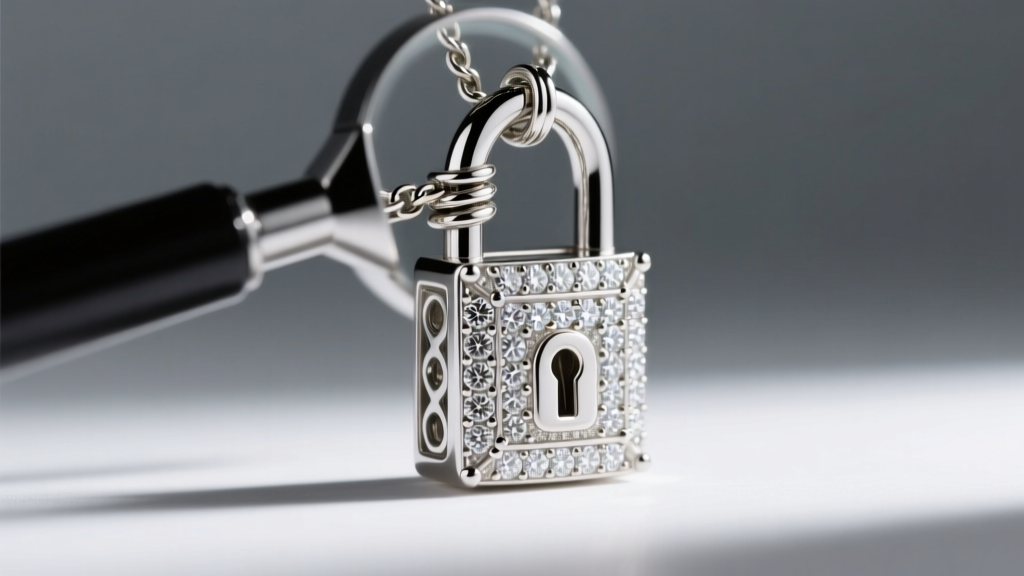
The most overlooked aspect of padlock jewelry is the mechanical engineering. A lock it necklace is essentially a wearable machine, and cheap manufacturing leads to predictable failure modes.
- The Swivel Bail Friction: In budget necklaces, the chain is attached via a simple jump ring threaded through the shackle. Over time, the chain saws through the softer gold of the shackle, creating a deep groove that eventually snaps. High-end designers solve this by integrating a concealed, CNC-machined stainless steel or 18k gold ball-bearing swivel bail that rotates independently, eliminating metal-on-metal friction.
- The Shackle Spring Mechanism: Many modern lock designs feature a 'half-open' shackle that clicks into place. This requires an internal spring bar. Inaccessible luxury pieces, these springs are often made of base metals that corrode from sweat exposure, causing the lock to jam or fail to click shut. Luxury houses use medical-grade stainless steel or specialized tension alloys for these internal components to ensure a satisfying, durable 'click' for decades.
- Hinge Integrity: If the lock features a fully opening shackle, the hinge pin is a critical vulnerability. Master jewelers use laser-welded hinge pins, whereas mass-produced items rely on friction-fitted pins that can easily slide out if the pendant is snagged on clothing.
"A beautifully cast padlock is useless if the bail fails. I always tell my clients to inspect the connection point. If it looks like an afterthought—a thin wire wrapped around a thick gold body—it will break within a year of daily wear." — Master Bench Jeweler, 2026
Pavé and Diamond Upcharges: Assessing the Bling Factor
Adding diamonds to a lock it necklace exponentially increases the price, but does it increase the value? When evaluating diamond-encrusted padlocks, you are dealing almost exclusively with 'melee' diamonds (stones weighing less than 0.20 carats each).
According to the Gemological Institute of America (GIA), melee diamonds are often sold in parcels and are rarely individually graded. Heritage brands typically use high-quality melee (F-G color, VS clarity) to ensure the pendant sparkles brilliantly even in low light. However, the secondary market does not reward diamond pavé the way it rewards center stones. A diamond lock pendant that costs $2,000 more than its plain gold counterpart will rarely recoup that $2,000 upgrade cost upon resale. If you are buying for personal enjoyment and daily sparkle, the pavé is worth it. If you are buying as a store of financial value, stick to plain, high-gram-weight gold.
Intrinsic vs. Brand Value: Does the Lock Hold Its Worth?
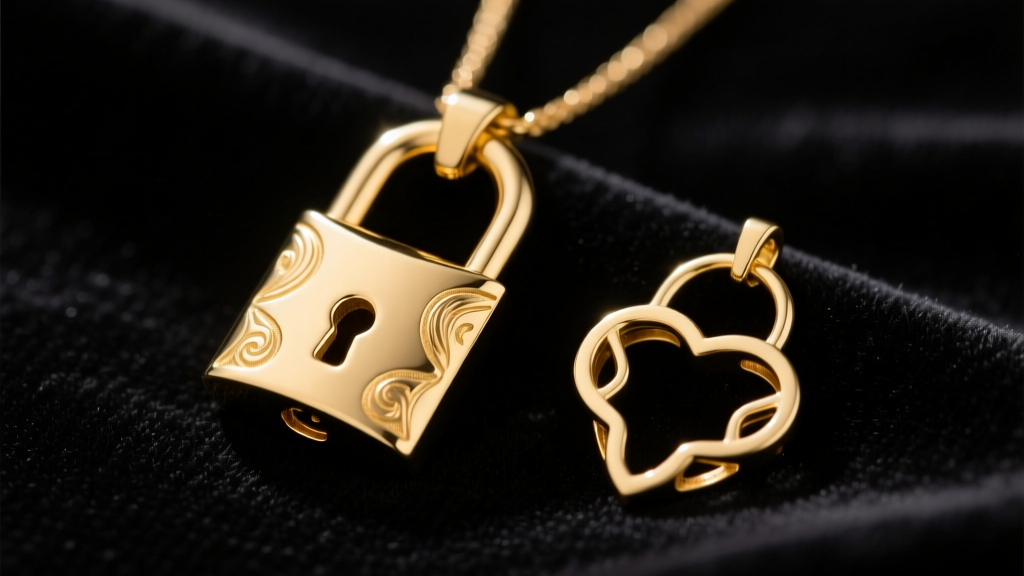
The resale market for jewelry has matured significantly, with platforms like The RealReal and Worthy providing transparent data on what buyers will actually pay for pre-owned pieces. The 'lock it' aesthetic has proven to be remarkably evergreen, avoiding the rapid depreciation that plagues hyper-trendy, novelty-shaped pendants.
However, value retention is strictly tied to brand cachet and material reality. A heritage designer lock necklace in 18k gold will typically retain 45% to 60% of its retail price on the secondary market, provided it includes the original box, certificate, and receipt. An accessible luxury piece from a trendy Instagram brand, even if made of solid 14k gold, will often depreciate to its raw melt value plus a small premium for the craftsmanship—usually resulting in a 70% to 80% loss from the retail price.
The 2026 Buyer's Verdict: How to Shop Smart
So, is a designer lock it necklace worth the investment? The answer depends entirely on your budget framework and wear intentions.
- For the Status Buyer: If the goal is brand recognition and the psychological weight of wearing a heritage icon, the 18k gold designer padlocks remain the undisputed champions. The engineering is flawless, and the brand prestige holds steady.
- For the Value Maximizer: Take the $4,000 you would spend on a designer piece to a reputable custom jeweler. Commission a solid 14k or 18k padlock weighing at least 15 grams, paired with a 2.5mm solid rope chain. You will get a physically larger, more durable piece with a higher intrinsic gold value for half the price.
- For the Budget-Conscious Trend Follower: Opt for heavy gold vermeil over sterling silver, but commit to removing the necklace before showering, swimming, or sleeping to protect the 2.5-micron gold layer from premature wear.
Ultimately, the lock it necklace is more than just a passing trend; it is a modern heirloom that symbolizes security and connection. By understanding the metallurgy, respecting the mechanical engineering, and aligning your purchase with your true value metrics, you can secure a piece that will remain locked in your collection for a lifetime.


