Logan Paul Pokemon Card Necklace: Build & Troubleshoot Safely
Learn how to safely build, wear, and troubleshoot a Logan Paul Pokemon card necklace. Expert tips on UV protection, bezels, and heavy chains.

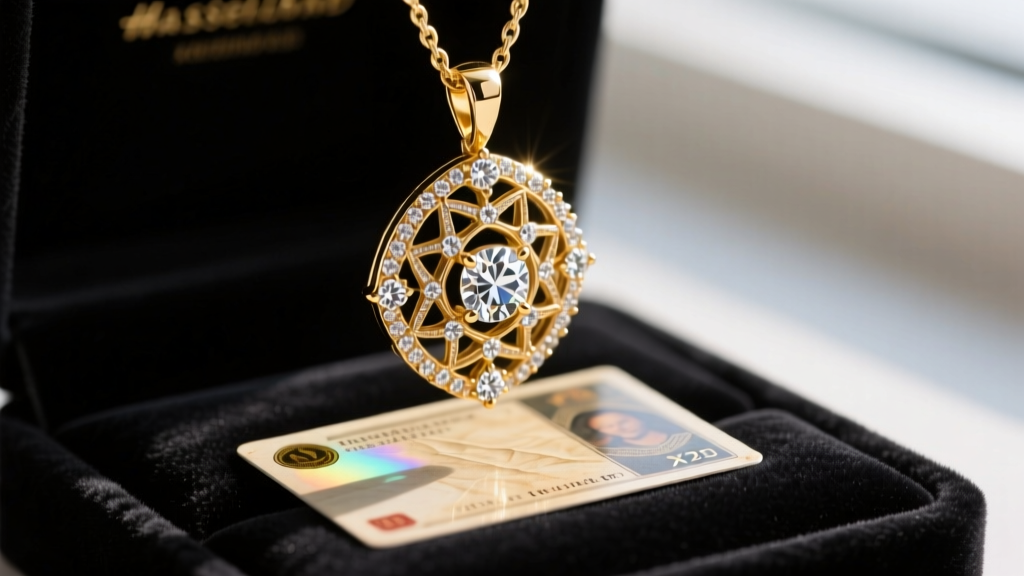
When Logan Paul famously wore a PSA 10 Base Set Charizard encased in a custom diamond-and-gold pendant, it sparked a massive trend in the intersection of high-end jewelry and collectible trading cards. As we move through 2026, the desire to create a custom Logan Paul Pokemon card necklace has evolved from a viral stunt into a serious niche for collectors and jewelers alike. However, wearing a fragile, light-sensitive piece of vintage cardboard around your neck introduces severe structural and environmental risks. Graded slabs are not designed for kinetic movement, sweat exposure, or direct solar radiation. This guide dives deep into the metallurgy, material science, and troubleshooting required to safely encapsulate and wear high-value trading card slabs without destroying your investment.
The Anatomy of a High-Value Card Pendant
To replicate the look while ensuring archival-level protection, you must understand the dimensions and vulnerabilities of standard grading slabs. According to PSA Card, a standard modern slab measures approximately 132mm x 82mm x 12mm and is constructed from a PETG (polyethylene terephthalate glycol) plastic blend. While PETG is impact-resistant, it is highly susceptible to micro-scratching and UV degradation over time.
A proper custom pendant requires a CNC-machined bezel. Jewelers typically use 18k yellow gold or Grade 5 Titanium (Ti-6Al-4V) for the chassis. Titanium is preferred for massive slabs due to its high strength-to-weight ratio, reducing the pendulum effect that strains the neck and chain. The bezel must feature a stepped internal lip to hold the slab securely without pressing against the front label, which can cause ink transfer or label curling in high humidity.
Troubleshooting Common Card Pendant Disasters
Building a card necklace is only half the battle; maintaining it in varying climates is where most collectors fail. Here are the most common failure modes and their engineering solutions.
1. Moisture Fogging and Off-Gassing
The Problem: Sealing a slab inside an airtight metal and glass bezel traps ambient humidity. When your body heat warms the pendant, the moisture condenses on the inside of the crystal, obscuring the card and potentially warping the paper stock.
The Fix: Assembly must occur in a controlled environment. Jewelers should place the slab and the open bezel components in a desiccant chamber (using silica gel or molecular sieves) for 48 hours prior to sealing. Furthermore, use a hermetic silicone O-ring gasket (Shore A hardness of 40) rather than chemical adhesives to seal the crystal. This allows for future disassembly without risking chemical off-gassing that could melt the PSA slab's plastic.
2. Newton's Rings and Optical Interference
The Problem: If the protective front crystal rests directly against the flat surface of the PSA slab, light refraction creates "Newton's rings"—rainbow-colored optical distortions that ruin the visual appeal of the card.
The Fix: Introduce a microscopic air gap. Machine the bezel with a 0.5mm recessed step so the crystal hovers slightly above the slab. Alternatively, use an anti-reflective (AR) coated synthetic sapphire crystal, which drastically reduces surface light bounce and eliminates the interference pattern.
3. UV Fading and Solar Degradation
The Problem: Vintage Pokemon cards feature inks that are notoriously sensitive to ultraviolet light. Prolonged exposure to sunlight will bleach the iconic yellow borders and fade the holographic foil patterns.
The Fix: Never use standard mineral glass or cheap acrylic. You must specify OP-3 grade UV-filtering acrylic (which blocks 99% of UV rays up to 400nm) or UV-coated synthetic sapphire crystal. The Gemological Institute of America (GIA) notes that synthetic sapphire offers superior scratch resistance (Mohs 9) compared to acrylic (Mohs 3), making it the only viable choice for a daily-wear pendant that might brush against doorframes or zippers.
Material Comparison: Glazing Options for Card Pendants
Choosing the right transparent cover is critical for both protection and optical clarity. Below is a data-driven comparison of the three most common glazing materials used in custom slab pendants.
| Material | Mohs Hardness | UV Protection | Weight (Relative) | Estimated Cost (Custom Cut) |
|---|---|---|---|---|
| Standard Acrylic | 3 | Poor (Fades inks) | Lightest | $15 - $30 |
| OP-3 UV Acrylic | 3 | Excellent (99% Block) | Lightest | $40 - $75 |
| Tempered Glass | 6 | Moderate | Heavy | $50 - $90 |
| Synthetic Sapphire | 9 | Excellent (with coating) | Medium | $150 - $300+ |
Expert Note: While OP-3 acrylic offers the best UV protection out-of-the-box, it scratches if you wipe it with a microfiber cloth that has trapped dust. Sapphire crystal is the definitive choice for high-end builds, provided the jeweler applies a museum-grade UV-blocking film to the interior surface.
Chain Selection: Engineering for Heavy Loads
A standard PSA slab weighs roughly 65 grams. Once you encase it in a solid 18k gold or titanium bezel with a sapphire crystal and diamond accents, the total pendant weight frequently exceeds 200 grams. Standard jewelry chains will snap under this kinetic load.
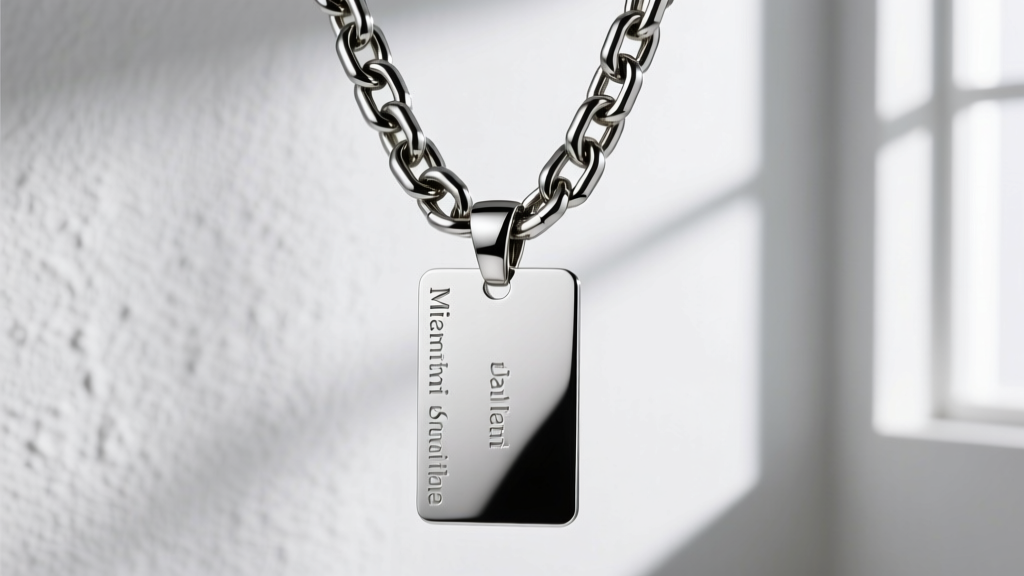
- Chain Style: Avoid hollow rope or fragile box chains. You need a solid-link Miami Cuban or a solid Figaro chain. The interlocking flat links distribute the pendulum swing's torque evenly across the neck.
- Gauge and Width: The chain must be a minimum of 5mm to 8mm thick. Anything thinner will suffer from link deformation at the clasp connection point due to the sheer weight of the slab.
- Clasp Mechanics: Standard lobster claws are a catastrophic failure point for 200g+ pendants. The spring mechanism will fatigue and pop open. You must use a screw-ring clasp or a locking carabiner clasp with a secondary safety figure-eight catch. Always attach the pendant to the center link of the chain, not directly to the clasp ring, to prevent lateral stress on the threading.
Insurance and Appraisal Troubleshooting
Wearing a $50,000 Charizard or a $10,000 Pikachu Illustrator card around your neck creates a massive liability gap. Standard homeowner's or renter's insurance policies typically cap jewelry and collectible payouts at $1,500 to $2,500. To properly insure a Logan Paul-style Pokemon card necklace, you must secure a Scheduled Personal Property Endorsement or a specialized collectibles floater policy.
Before commissioning the bezel, have the raw slab appraised by a certified numismatic or trading card expert. Once the jewelry is fabricated, you must reappraise the entire piece as a single composite asset. Keep high-resolution macro photography of the card's surface, the slab's certification number, and the custom hallmark stamps on the metal bezel. If the chain snaps and the pendant is lost, insurance adjusters will require proof that the specific graded card was inside the specific bezel at the time of loss.
Expert Verdict: Is It Worth the Risk?
Building a custom Logan Paul Pokemon card necklace is a triumph of modern jewelry engineering, blending archival preservation with streetwear flex culture. However, it is not a piece of jewelry for the faint of heart or the careless. By utilizing CNC-machined titanium, UV-coated sapphire crystals, hermetic silicone gaskets, and heavy-duty locking Cuban chains, you can mitigate 99% of the environmental and kinetic risks. Treat the pendant like a wearable museum exhibit: remove it before physical exertion, store it in a climate-controlled safe when not worn, and never compromise on the structural integrity of the clasp.


