How to Display Necklaces: 2026 Gifting & Presentation Guide
Discover how to display necklaces for gifting in 2026. Explore luxury presentation boxes, anti-tarnish materials, and occasion-matching ideas.

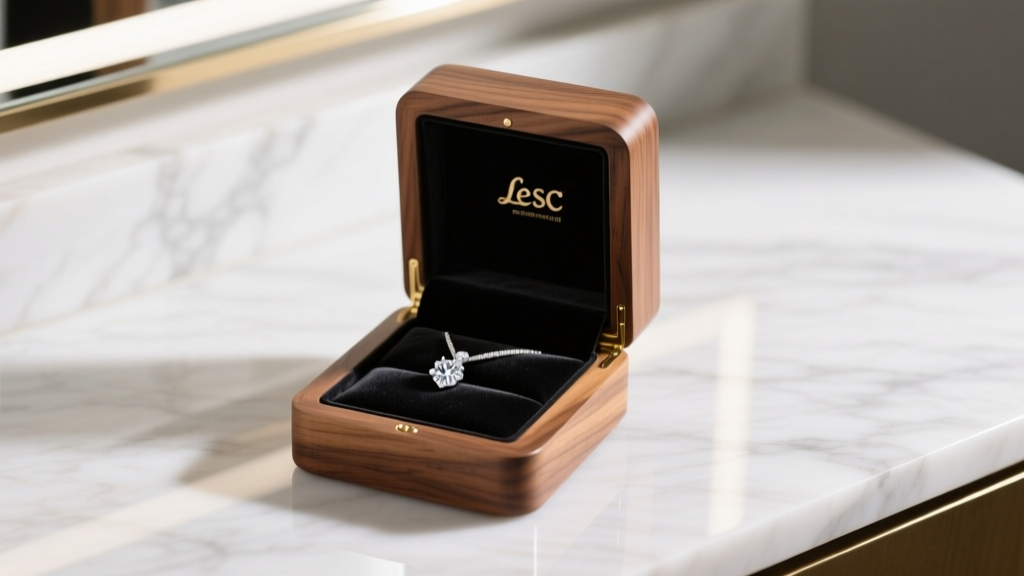
The Psychology of Jewelry Presentation
When gifting a necklace, the physical piece of jewelry is only half of the experience; the other half is the unboxing ritual. In 2026, the art of jewelry gifting has evolved far beyond the standard flimsy cardboard box provided at the point of sale. Understanding how to display necklaces for gifting requires a deep knowledge of material science, spatial dimensions, and the emotional weight of the occasion. A well-chosen display not only elevates the perceived value of the gift but also protects the metallurgical integrity of the chain and the optical brilliance of the gemstones. According to the Gemological Institute of America (GIA), improper storage and display materials can introduce micro-scratches and accelerate chemical tarnishing, meaning your presentation choice directly impacts the longevity of the necklace.
Matching the Display to the Occasion
The context of your gift dictates the structural and aesthetic requirements of the display. A heavy, ornate presentation box conveys legacy and permanence, making it ideal for milestone anniversaries. Conversely, sleek, architectural displays suit modern, minimalist pieces given for graduations or career milestones. Below is a strategic framework for matching the necklace type and occasion to the optimal display medium.
| Occasion | Necklace Style | Ideal Display Medium | Target Budget |
|---|---|---|---|
| 50th Anniversary | Diamond Solitaire Pendant (18" Platinum) | Hinged Walnut Box with LED & Silk Insert | $85 - $150 |
| College Graduation | Personalized Gold Bar Necklace (16") | Archival Acrylic Shadowbox Block | $40 - $70 |
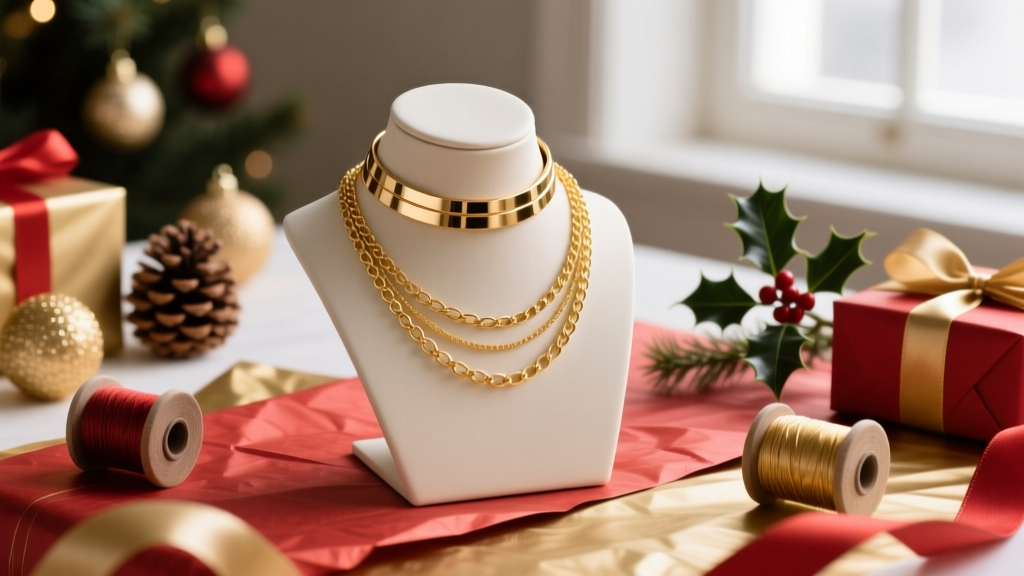
| Holiday Gifting | Layered Chain Chokers (14" & 15") | Velvet Bust in Linen Gift Wrap | $25 - $50 |
| Sweet 16 / Birthday | Gemstone Locket (20" Rolo Chain) | Two-Piece Sliding Drawer Box | $15 - $30 |
Material Science: Anti-Tarnish & Archival Displays
The most critical, yet frequently overlooked, aspect of necklace display is the chemical interaction between the packaging materials and the jewelry. Many commercial gift boxes use polyvinyl chloride (PVC) plastics or standard cardboard infused with acidic sizing agents. PVC off-gasses plasticizers and trace hydrochloric acid, which rapidly accelerates the formation of silver sulfide (tarnish) on sterling silver and can permanently cloud the nacre on freshwater pearls. When sourcing a display for a high-value gift, you must seek archival-quality materials.
The Power of Pacific Silvercloth
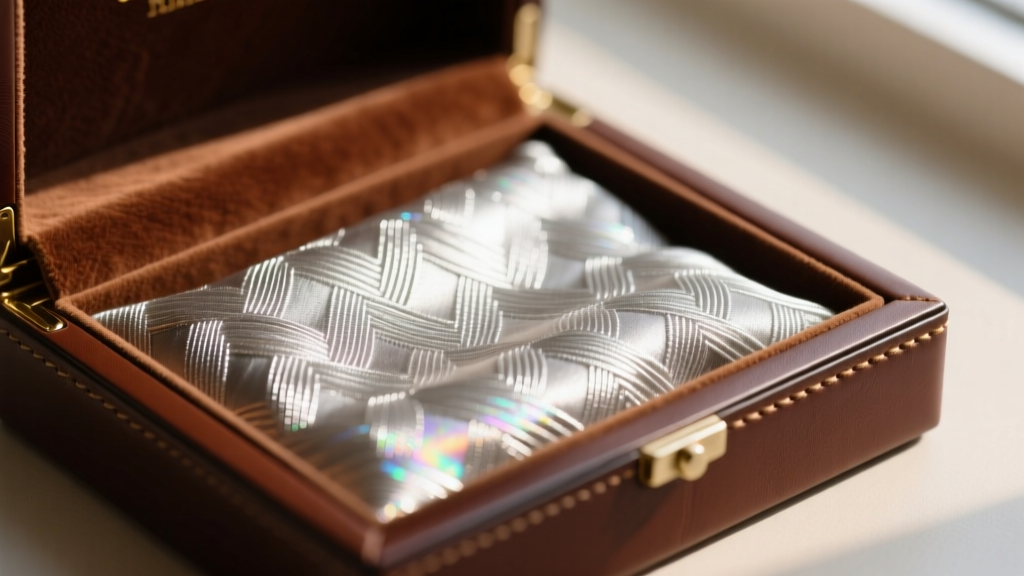
For sterling silver necklaces, the gold standard in presentation is Pacific Silvercloth. This specialized cotton fabric is embedded with thousands of microscopic silver particles. These particles act as a sacrificial anode, intercepting and absorbing hydrogen sulfide and other corrosive gases in the air before they can reach the necklace. Lining a custom wooden presentation box with genuine Silvercloth ensures that the silver necklace remains brilliantly polished for years, even if the recipient keeps it stored in the gift box.
UV-Filtering Acrylics for Organic Gems
If you are gifting a necklace featuring organic gemstones—such as amber, coral, or dyed jade—prolonged exposure to ultraviolet light can cause severe fading and structural brittleness. For shadowbox displays or floating frame presentations, ensure the transparent facing is made of UV-filtering PETG or museum-grade PMMA (acrylic) that blocks at least 97% of UV radiation, rather than standard glass or cheap polystyrene.
Sizing the Bust or Box for Necklace Lengths
A common gifting mistake is forcing a necklace onto a display bust that does not match its chain length, resulting in unnatural tension. Exerting more than 2 ounces of lateral pull on delicate chain links (like cable or box chains) can stress-fracture the jump rings and weaken the soldering at the clasp. To display necklaces correctly, you must match the display circumference to the chain measurement.
- Chokers (14" - 16"): Require a display neck circumference of exactly 12 to 13 inches. The necklace should drape with a slight 1-inch drop at the clavicle, never pulled taut.
- Princess Length (18"): The industry standard. A standard 5.5-inch height jewelry bust with a 14-inch neck circumference will allow an 18-inch chain to rest naturally just below the collarbone.
- Matinee (20" - 24"): Requires a taller, 7-inch bust. If using a flat box, the insert must feature a deep, contoured well to accommodate the wider draping radius without kinking the chain.
- Opera Length (28" - 36"): Never use a standard bust for opera-length necklaces. The excess chain will pool awkwardly at the base. Instead, use a deep, velvet-lined flat lay box (minimum 10x10 inches) and arrange the chain in a deliberate, overlapping figure-eight or concentric circle pattern, securing the folds with hidden, acid-free tissue paper.
DIY vs. Luxury: Pricing Tiers for Gifting
Depending on the value of the necklace and your overall gifting budget, you can source displays across three distinct tiers. Each tier offers a different unboxing experience and level of long-term protection.
Tier 1: Thoughtful DIY & Budget ($15 - $35)
For fashion jewelry or sentimental, lower-karat gold pieces, a high-quality rigid setup box wrapped in textured bookcloth provides a premium feel without the luxury price tag. Elevate this tier by sourcing anti-tarnish treated flannel from a jewelry supply house to line the interior. Avoid hot-gluing the fabric, as the heat and chemicals in standard glue can degrade the anti-tarnish properties; use double-sided archival tape instead.
Tier 2: Mid-Range Artisan Displays ($40 - $90)
This tier includes solid hardwood boxes (like FSC-certified walnut or maple) with brass hinges and plush microfiber inserts. These are ideal for fine jewelry gifts in the $500 to $2,000 range. Look for boxes that feature a hidden compartment or a removable travel pouch inside, adding a layer of functional utility that the recipient will appreciate long after the initial unboxing.
Tier 3: Luxury & Bespoke ($100 - $250+)
For high-jewelry pieces, investment-grade diamonds, or heirloom lockets, the presentation must be flawless. Luxury displays feature hand-stitched full-grain leather exteriors, Alcantara or silk-suede interiors, and integrated, battery-operated LED lighting (specifically calibrated to 5000K daylight temperature to accurately render gemstone color). Some bespoke makers even offer laser-engraved brass nameplates on the interior lid to commemorate the gifting occasion.
Final Gifting Checklist
Before wrapping your chosen necklace display, run through this final quality assurance checklist to ensure a flawless presentation:
- Clasp Security: Ensure the lobster claw or spring ring clasp is fully closed and secured into the designated slit or loop on the display insert so it does not scratch the chain during transit.
- Chain Alignment: Run your finger lightly down the length of the displayed chain to ensure no links are twisted or caught on the fabric insert.
- Pendant Positioning: The pendant or focal gemstone should rest perfectly in the center of the display's visual field, free from any shadows cast by the box's rim when opened at a 90-degree angle.
- Ribbon Tension: If using an exterior ribbon, opt for a heavy-weight, double-faced silk ribbon (at least 1.5 inches wide). The tension should be firm enough to hold the box shut but loose enough to prevent denting the exterior packaging material.
Mastering how to display necklaces transforms a simple transaction into a deeply memorable gifting experience. By prioritizing archival materials, precise spatial sizing, and occasion-appropriate aesthetics, you ensure that the necklace is not only protected but presented with the reverence it deserves.


