Are Long Necklaces in Style 2025? 2026 Value Guide
Wondering if long necklaces are still trending? We analyze the 2025 to 2026 shift, material grades, and cost-per-wear to help you buy smart.

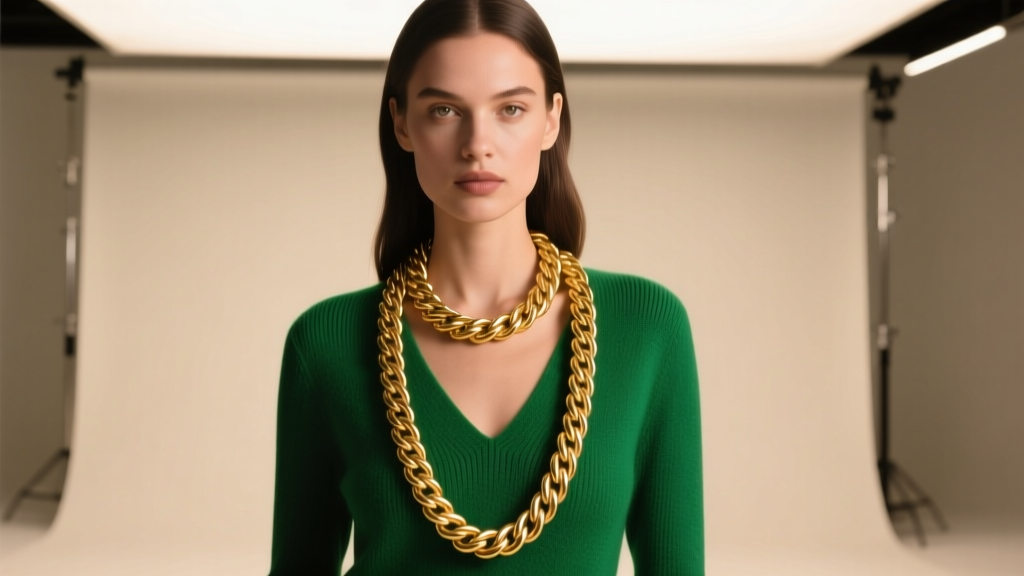
If you have been browsing fashion editorials or auditing your jewelry box, you have likely asked yourself: are long necklaces in style 2025? The short answer is a resounding yes. However, as we move deeper into 2026, the narrative around sweeping opera-length chains, dramatic lariats, and 30-inch rope necklaces has shifted. They are no longer just a fleeting seasonal trend; they have cemented their status as high-ROI foundational wardrobe staples. But from a budget and value assessment perspective, not all long necklaces are created equal. Buying a 32-inch chain requires significantly more raw material than a standard 16-inch choker, meaning the price gap between low-quality fashion jewelry and durable, demi-fine pieces is heavily magnified.
In this comprehensive value guide, we break down the true cost of long necklaces, analyze material grades, and provide a strict framework to ensure your investment survives the test of time and trend cycles.
The 2025 to 2026 Shift: From Runway Fad to Foundational Staple
Throughout 2025, the 'mob wife aesthetic' and 'boho-chic revival' pushed heavy, layered, and extra-long chains into the mainstream spotlight. Designers showcased models draped in 34-inch and 36-inch strands that hit at the navel or waist. As we evaluate the market in 2026, the data shows a stabilization in consumer demand. Shoppers are moving away from buying five cheap, trend-driven long necklaces and are instead pooling that budget into one or two high-quality, versatile pieces.
'A 30-inch chain is the ultimate utility player. It can be doubled into a choker, knotted for a lariat effect, or left long to elongate the torso. The cost-per-wear on a well-made opera-length chain is virtually unbeatable in modern jewelry.' — Independent Jewelry Appraiser & Stylist
The Material Value Matrix: Where to Put Your Money
Because long necklaces require more metal, the base material dictates the price and lifespan more aggressively than shorter chains. A brass chain plated in 0.5 microns of gold might cost $30, but the friction against clothing over a 30-inch span will wear through the plating in months. Here is how the materials stack up for long-chain investments in 2026.
| Material Grade | Avg. Price (30-inch) | Estimated Lifespan | Value Rating | Best For |
|---|---|---|---|---|
| Gold Plated (Brass Base) | $25 - $45 | 6 - 12 Months | Low | One-off event styling |
| Gold Vermeil (Sterling Base) | $75 - $140 | 2 - 5 Years | Medium | Occasional wear, low friction |
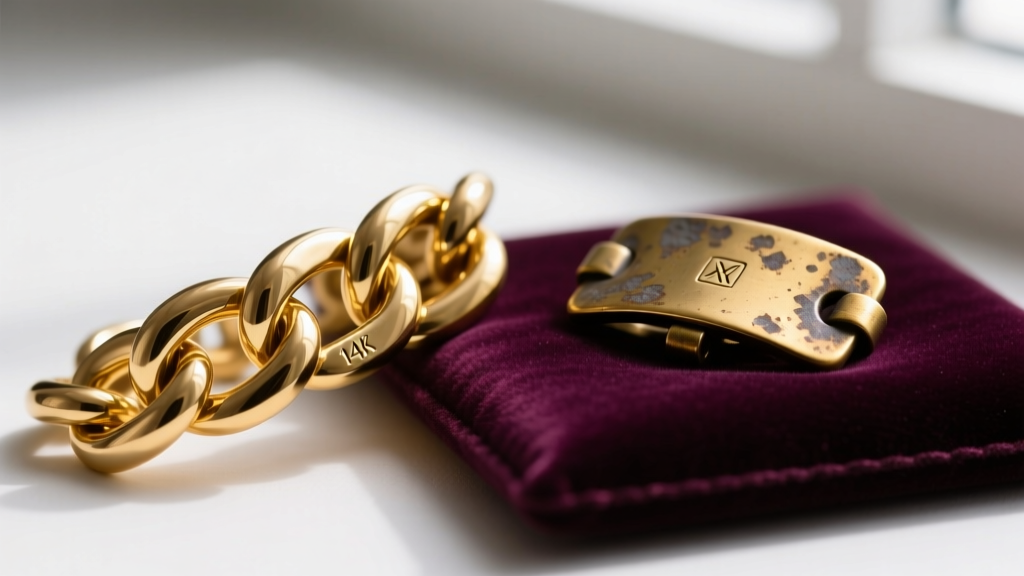
| Gold-Filled (1/20 14k GF) | $90 - $180 | 10 - 30 Years | High | Daily wear, high ROI |
| Solid 14k Gold | $450 - $900+ | Lifetime | Premium | Heirloom, zero tarnish |
Understanding the Gold-Filled Sweet Spot
For budget-conscious buyers seeking longevity, Gold-Filled (GF) is the undisputed champion for long necklaces. According to the FTC Jewelry Guides, gold-filled items must contain a gold alloy layer that constitutes at least 1/20th (5%) of the total weight of the metal. Unlike microscopic electroplating, the gold layer in a 14/20 GF chain is mechanically bonded to a brass core under extreme heat and pressure. For a 30-inch chain that constantly rubs against silk, wool, and cotton, this thick outer layer prevents the dreaded 'green neck' and brass bleed-through.
Chain Styles & Breakage Risks: The Hidden Costs
A major factor in budget assessment is structural integrity. Long chains swing, catch on doorknobs, and get pulled. Replacing a broken chain or paying a jeweler $40 to solder a micro-snap negates any initial budget savings. When shopping, you must evaluate the gauge (thickness) and the link structure.
The Gauge Guide for Long Chains
- Under 1.0mm (e.g., 0.8mm Snake Chains): Avoid for lengths over 24 inches. Snake chains are essentially interlocking metal tubes that kink permanently if bent. A 30-inch snake chain will inevitably kink and snap under its own swinging momentum.
- 1.1mm to 1.3mm (Cable and Curb Chains): Acceptable for lightweight wear, but susceptible to stretching if a heavy pendant is added.
- 1.4mm to 1.8mm (Wheat, Box, and Rope Chains): The ideal budget-to-durability ratio. Wheat (spiga) chains feature woven links that distribute tension evenly, making them incredibly resistant to snapping, even when catching on a sweater thread.
For deep technical insights on metal durability and chain care, the Gemological Institute of America (GIA) recommends regular ultrasonic cleaning for intricate links like rope and wheat chains to prevent debris buildup that causes internal friction and weakening.
Cost-Per-Wear (CPW) Analysis
To truly assess value, we must calculate the Cost-Per-Wear. The formula is simple: Total Cost ÷ Number of Wears = CPW.
Let us compare two common purchasing behaviors:
- The Trend Buyer: Buys a $35 gold-plated 32-inch chain. Wears it 12 times before the plating rubs off on their winter turtlenecks. CPW = $2.91. The chain is now unwearable trash.
- The Value Buyer: Invests $130 in a 1.5mm 14k Gold-Filled Wheat chain. Wears it twice a week for three years (approx. 300 wears). CPW = $0.43. The chain still looks brand new and can be passed down or resold.
When evaluating are long necklaces in style 2025 from a purely financial standpoint, the higher initial capital outlay for demi-fine or solid metals yields a drastically lower long-term cost.
Clasp Mechanics: An Often-Overlooked Budget Drain
The clasp is the weakest link in any necklace, but on a 30-inch chain, it undergoes immense stress every time you take it off over your head. Standard spring-ring clasps (the tiny circular ones) are a false economy. They are difficult to operate, prone to spring failure, and easily crushed.
Budget Upgrade Recommendation: Always allocate an extra $10–$15 to ensure your long chain features a lobster clasp or, ideally, a neodymium magnetic clasp. Magnetic clasps have surged in popularity for opera-length chains because they eliminate the frustration of fumbling behind your neck. However, ensure the magnets are graded N52 (the strongest commercially available neodymium grade) to prevent the heavy chain from unclasping and falling off during wear.
Styling Long Necklaces for Maximum ROI
To justify the investment, a long necklace must be versatile. Here are three high-value styling techniques that multiply your ROI by allowing one piece to function as three distinct accessories:
1. The Parisian Knot
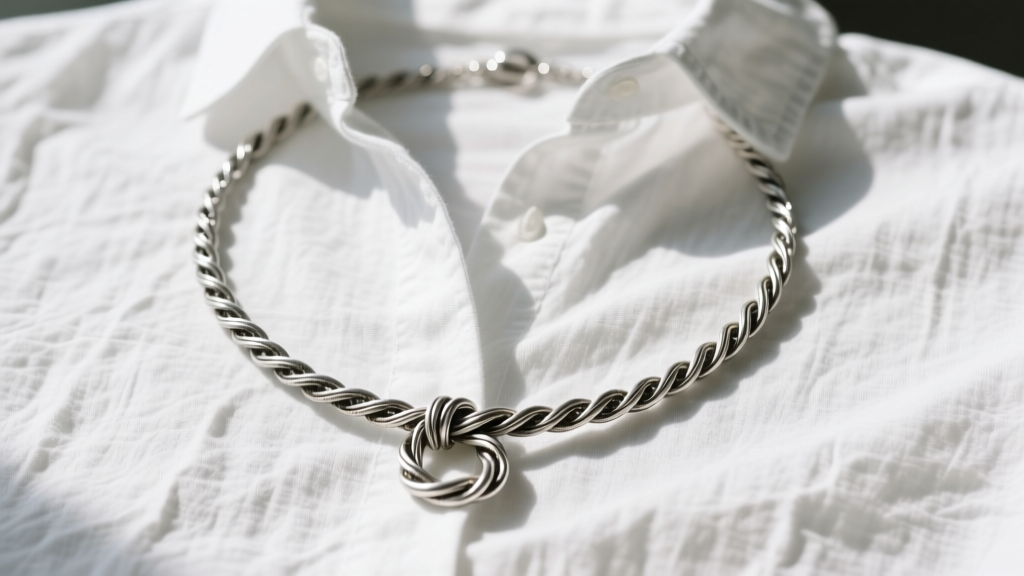
Take your 30-inch or 32-inch chain and tie a loose, single overhand knot near the bottom third of the chain. This instantly transforms an opera-length chain into a textured, asymmetrical lariat that sits perfectly over a crewneck sweater or a crisp button-down shirt. It also prevents the chain from swinging wildly and hitting your face when you lean over.
2. The Double-Wrap Layer
If your chain is 36 inches or longer (rope length), you can loop it twice around your neck. Pair this with a small, 14-inch solid gold choker to create a curated, multi-layered look without having to purchase and untangle multiple separate necklaces. According to trend forecasts tracked by Jewelers of America, personalized, layered styling remains a dominant consumer preference, making adaptable chains highly valuable.
3. The Belt Drape
For evening wear or high-fashion editorial looks, drape a long, delicate gold-filled chain through the belt loops of your jeans or wrap it around a structured leather belt. This pulls the visual weight down, elongating the silhouette and utilizing your jewelry budget in unconventional, high-impact ways.
Final Verdict: Are They Worth the Investment in 2026?
If you are still wondering whether the 2025 long necklace trend has legs for the future, the market has spoken. Long necklaces have transcended their micro-trend status. By avoiding fragile gauges, rejecting thin gold plating in favor of 1/20 14k gold-filled or solid metals, and prioritizing robust lobster or magnetic clasps, you can acquire a 30-inch chain that serves as a cornerstone of your jewelry collection for decades. The value is not just in the metal; it is in the unparalleled versatility that only a long chain can provide.


