Lucky Brand Heart Necklace: Technical Material & Craftsmanship Guide
An expert technical breakdown of Lucky Brand heart necklace materials, chain mechanics, plating thickness, and longevity for informed buyers.

The Metallurgy of Lucky Brand Heart Pendants
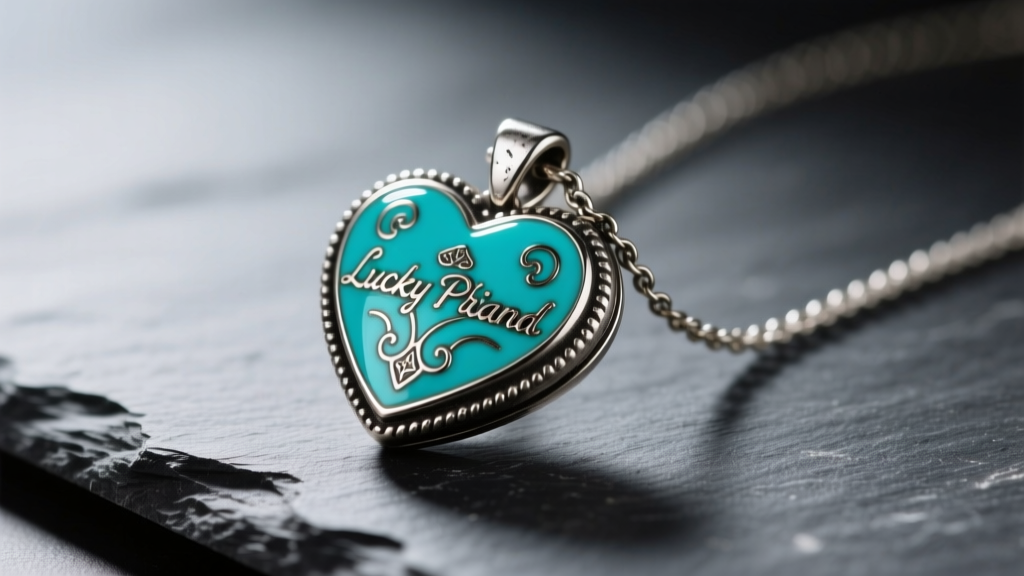
When evaluating a lucky brand heart necklace from a materials science perspective, it is essential to understand the distinction between fine jewelry and fashion jewelry metallurgy. Lucky Brand predominantly utilizes Zamak (a zinc-aluminum-magnesium-copper alloy) and cast brass for their foundational pendant structures. Zamak 3 and Zamak 5 are favored in fashion jewelry manufacturing due to their excellent castability, allowing for the intricate, vintage-inspired filigree and textured motifs that define the brand's aesthetic. These base metals provide a satisfying heft and structural rigidity that lighter alloys like aluminum cannot achieve.
However, because zinc and brass are highly reactive to environmental sulfur and moisture, the longevity of the piece relies entirely on its surface treatment. Lucky Brand typically employs a multi-step electroplating process. A copper strike layer is first applied to ensure adhesion, followed by the primary aesthetic plating (silver-tone, gold-tone, or rose gold-tone). According to the Federal Trade Commission Jewelry Guides, fashion jewelry plating thickness generally ranges from 0.15 to 1.5 microns, significantly thinner than the 2.5-micron minimum required for heavy gold electroplate or vermeil. To compensate for this thinner plating, Lucky Brand frequently applies an anti-tarnish e-coat (a clear epoxy or polyurethane resin layer) to seal the metal from oxygen and skin acids.
Chain Architecture and Clasp Mechanics
The structural integrity of any pendant necklace is dictated by its chain and clasp assembly. The standard lucky brand heart necklace features a cable chain or a rolo chain, typically measuring between 1.2mm and 1.5mm in wire thickness. While visually delicate, a 1.2mm brass or zinc-alloy cable chain possesses a tensile yield strength of approximately 15 to 25 Newtons before permanent deformation occurs. This is more than sufficient to support a standard 15-gram heart pendant, but it introduces a critical vulnerability at the connection points.
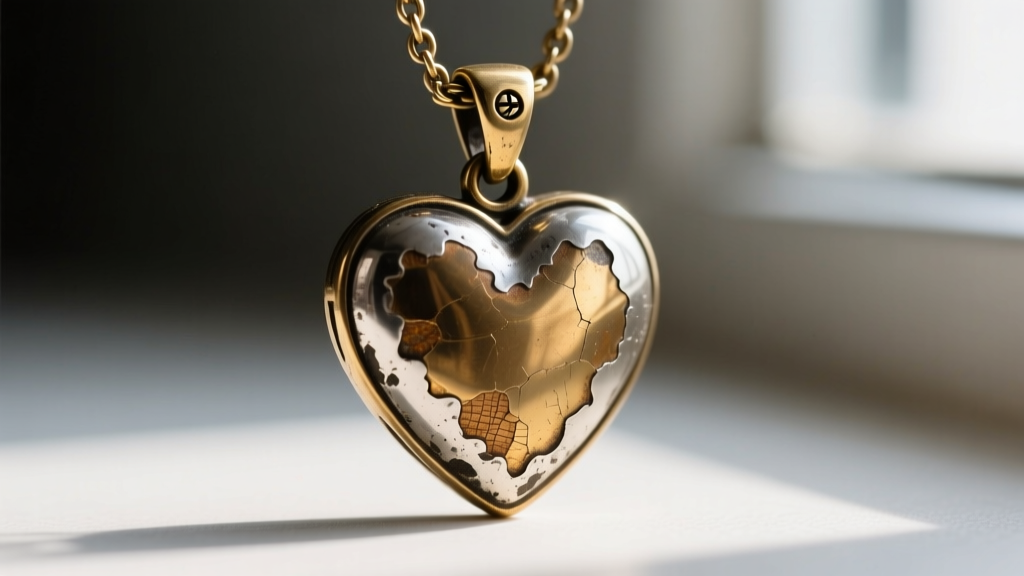
The most common mechanical failure in these necklaces is not the chain snapping, but the jump ring separating. Jump rings on mass-produced fashion jewelry are often machine-cut and merely butt-joined rather than soldered. When lateral torque is applied—such as the pendant catching on a heavy knit sweater—the butt-jointed gap can widen, allowing the clasp or pendant bail to slip through. Furthermore, the lobster claw clasps used by Lucky Brand are generally cast zinc with a steel internal spring. Over time, the steel spring can oxidize if the external plating is compromised by cosmetics or sweat, leading to a stiff or seized clasp mechanism. For optimal longevity, we recommend checking the alignment of the jump rings annually and having a local jeweler solder them shut if the pendant is particularly heavy.
Stone Setting and Enamel Techniques
A defining characteristic of many Lucky Brand heart designs is the integration of colored inlays and faux gemstones. It is vital for buyers to recognize that the vibrant turquoise, coral, and lapis lazuli accents are rarely natural stone or vitreous enamel. Instead, they are predominantly cold enamel (epoxy resin) or dyed howlite and magnesite. Epoxy resin is poured into the metal recesses and cured at room temperature. While this technique allows for a wide spectrum of colors and complex gradients, epoxy sits at roughly a 2 to 3 on the Mohs hardness scale, making it highly susceptible to micro-scratches and chemical degradation.
The GIA Gem Encyclopedia notes that true vitreous enamel (fused glass) requires firing at temperatures exceeding 1400°F, a process incompatible with the low melting points of Zamak and standard brass alloys used in fashion jewelry. Therefore, the epoxy inlay is a necessary technical compromise. To protect these resin inlays, owners must avoid ultrasonic cleaners and harsh chemical dips, which can cause the epoxy to cloud, craze, or detach from the metal backing.
Material Comparison: Fashion vs. Fine Jewelry
| Feature | Lucky Brand Heart Necklace (Fashion) | Fine Jewelry Heart Pendant |
|---|---|---|
| Base Metal | Zamak (Zinc Alloy) or Cast Brass | Sterling Silver (925) or 14k/18k Gold |
| Surface Finish | Electroplating (0.5 - 1.5μm) + E-coat | Solid alloy or Vermeil (2.5μm+) |
| Colored Inlays | Cold Enamel (Epoxy Resin) | Vitreous Enamel or Natural Gemstones |
| Stone Setting | Glue-set or simple friction prongs | Securely filed and burnished prongs |
| Expected Lifespan | 2 to 5 years (with active maintenance) | Generational (decades to centuries) |
Common Failure Modes and Restoration Protocols
Despite their vintage appeal, the mixed-material construction of a lucky brand heart necklace dictates specific failure modes. The most frequently reported issue is the "green skin" phenomenon. This occurs when the protective e-coat wears thin on the back of the pendant, exposing the copper-rich brass or zinc alloy to the wearer's sebum and slightly acidic sweat. The resulting copper chloride or zinc chloride salts transfer to the skin as a harmless but unsightly green residue.
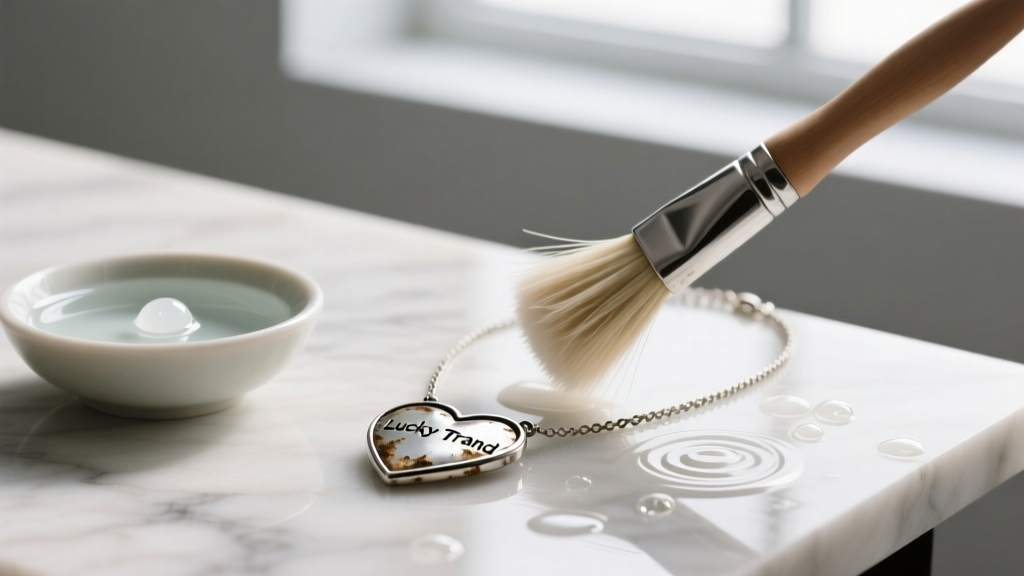
To mitigate this, owners can apply a micro-thin layer of clear polyurethane or specialized jewelry shield to the back of the pendant. When it comes to cleaning, the Jewelers of America Care Guidelines emphasize gentle, non-abrasive methods for plated fashion jewelry. Never use silver polishing cloths on Lucky Brand pieces; the mild abrasives in these cloths will strip the thin silver-tone or gold-tone plating, exposing the dull base metal beneath. Instead, use a few drops of pH-neutral dish soap in lukewarm water and a soft horsehair detailing brush to gently dislodge oils from the filigree, followed by immediate pat-drying with a microfiber cloth.
Sizing, Bail Dimensions, and Layering Integration
Integrating a Lucky Brand heart pendant into a curated layering stack requires an understanding of bail dimensions and chain geometry. The typical cast bail on these heart pendants features an inner diameter of approximately 4mm by 6mm. This relatively compact bail restricts the thickness of aftermarket chains you can use if the original chain fails. Heavy wheat chains or thick 3mm rope chains will not pass through the bail without damaging the e-coat or bending the zinc structure.
For optimal layering, pair the 16-inch to 18-inch standard Lucky Brand cable chain with a 20-inch to 22-inch fine link chain featuring a smaller, solid pendant (such as a simple gold vermeil disc or a minimalist bar). This creates a staggered visual hierarchy that prevents the heavy, textured heart pendant from tangling with secondary chains. Because the heart motif is inherently bottom-heavy, ensuring the primary chain sits flush against the collarbone (a 16-inch choker length or an 18-inch princess length) prevents the pendant from flipping upside down during movement, a common annoyance with top-light, bottom-heavy cast zinc pendants.
Expert Tip: If you frequently swap pendants between chains, apply a tiny drop of synthetic watch oil to the hinge of the lobster clasp and the interior of the bail. This reduces metal-on-metal friction, preserving the microscopic plating layer at the highest wear points of the necklace assembly.


