Best LV Necklace Dupe Guide 2026: Metals & Stones
Discover how to find a high-quality LV necklace dupe in 2026. Compare metals, stone inlays, and pricing tiers to avoid cheap tarnishing knockoffs.

The Anatomy of an Iconic Designer Floral Necklace
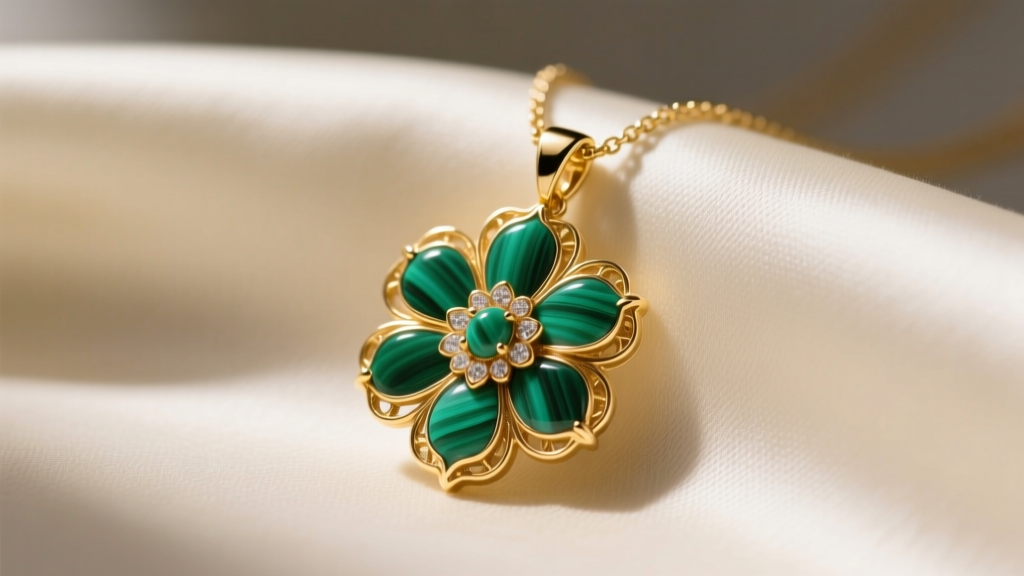
The allure of Louis Vuitton’s iconic floral and geometric pendants—most notably the Color Blossom, B Blossom, and Empreinte collections—lies in their masterful blend of historical motifs and modern luxury. However, with entry-level designer necklaces now routinely exceeding the $3,000 mark, the market for a high-quality LV necklace dupe has exploded. In 2026, savvy jewelry collectors are no longer settling for cheap, toxic brass knockoffs that turn skin green within a week. Instead, the focus has shifted toward demi-fine alternatives that replicate the exact dimensions, stone inlays, and chain mechanics of the originals without the exorbitant luxury markup.
To successfully navigate this market, you must understand what you are actually trying to replicate. The classic Color Blossom Sun pendant, for example, measures exactly 15mm in diameter and features a meticulously bezel-set semi-precious stone surrounded by a scalloped gold border. The B Blossom collection introduces a more avant-garde, geometric interpretation with onyx and malachite accents. A premium dupe must capture these precise millimeter specifications and architectural details, rather than offering a vague, cartoonish approximation of the floral motif.
Material Matrix: What Separates a Premium Dupe from Cheap Brass
The most critical failure point in any designer alternative is the base metal and plating method. Fast-fashion retailers typically use zinc alloy or brass coated with a microscopic flash of gold paint, which oxidizes and flakes upon contact with human sweat. When shopping for a reliable alternative, you must scrutinize the metallurgical specifications. Below is a breakdown of the material tiers you will encounter in the 2026 market.
| Material Tier | Base Metal | Plating / Finish | Stone Quality | Expected Lifespan | Price Range |
|---|---|---|---|---|---|
| Fast Fashion | Brass / Zinc Alloy | Flash Plated (<0.1 microns) | Dyed Resin / Epoxy | 2 - 8 Weeks | $5 - $25 |
| Mid-Tier Vermeil | 925 Sterling Silver | Gold Vermeil (2.5+ microns) | Genuine Semi-Precious | 1 - 3 Years | $65 - $140 |
| Premium PVD Steel | 316L Stainless Steel | PVD 18k Gold Vacuum Coating | Genuine Agate / Onyx | 5+ Years (Waterproof) | $80 - $180 |
| Demi-Fine Solid | Solid 14k Gold | N/A (Solid Throughout) | Premium Malachite / MOP | Lifetime / Heirloom | $350 - $800 |
For the closest experience to genuine luxury without the maintenance anxiety, Premium PVD Steel and Mid-Tier Vermeil are your best options. Vermeil offers the authentic, warm luster of precious metals, while PVD-coated steel provides unmatched durability for everyday, waterproof wear.
The Science of Plating: Vermeil vs. PVD Coatings
Understanding the terminology used by independent jewelers and demi-fine brands is essential to avoid being misled by marketing jargon. According to the Federal Trade Commission's Jewelry Guides, a piece can only be legally marketed as 'vermeil' if it consists of a sterling silver base coated with gold of at least 10-karat fineness, with a minimum thickness of 2.5 microns. Anything less is simply 'gold plated' and will wear through to the silver base much faster, especially on high-friction areas like the back of a pendant.
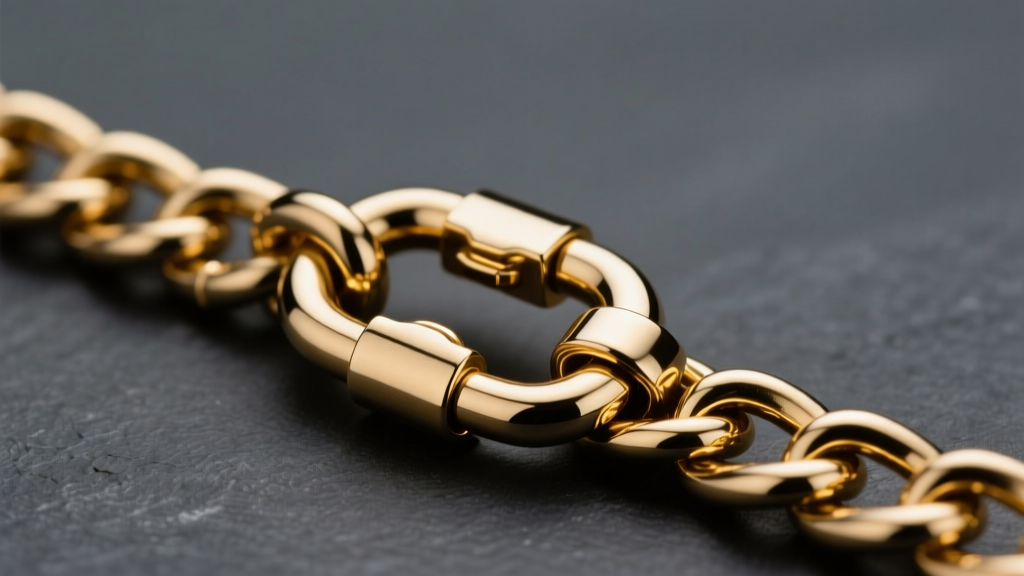
On the other end of the spectrum is Physical Vapor Deposition (PVD). This is an advanced vacuum-coating process where titanium nitride or real gold vapor is bonded to 316L surgical stainless steel at a molecular level. PVD coatings are up to ten times more durable than traditional electroplating. They are completely impervious to water, sweat, and UV exposure, making a PVD steel LV-style pendant the ultimate choice for buyers who refuse to take their jewelry off in the shower. However, be aware that PVD cannot be easily polished or re-plated by a local jeweler if it is deeply scratched, whereas sterling silver vermeil can be restored.
Stone Inlays: Genuine Semi-Precious vs. Dyed Imitations
The vibrant greens of malachite, the deep blacks of onyx, and the iridescent whites of mother of pearl are the defining characteristics of the Color Blossom and B Blossom collections. Cheap dupes replicate these colors using dyed howlite, crushed glass, or poured epoxy resin. While visually similar from a distance, these imitations lack the thermal and optical properties of genuine stones.
How to Authenticate the Inlay
- The Temperature Test: Genuine malachite and onyx are dense, naturally cold stones. When you press them against your cheek or the inside of your wrist, they should feel distinctly cool and take several seconds to warm to your body temperature. Resin and plastic imitations will feel room-temperature or warm immediately.
- Visual Banding: The Gemological Institute of America (GIA) notes that natural malachite features distinct, irregular, and concentric banding. If the green stripes on a pendant look perfectly uniform, printed, or artificially swirled, you are looking at dyed agate or resin.
- Weight and Density: Semi-precious stones have a high specific gravity. A 15mm genuine stone inlay will give the pendant a satisfying, heavy drape on the chest. Hollow-feeling pendants are a dead giveaway of resin fills.
- Mother of Pearl (MOP): Authentic MOP should display a deep, multi-dimensional iridescence that shifts as you tilt the pendant under direct light. Cheap alternatives use a flat, pearlescent paint that lacks optical depth.
Chain Construction and Clasp Mechanics
A common oversight when purchasing a designer alternative is focusing entirely on the pendant while ignoring the chain. Luxury houses utilize custom-milled chains with specific link geometries and weight distributions. To ensure your dupe feels authentic and lasts, inspect the chain specifications closely.
"A heavy, beautifully crafted pendant will instantly drag down and snap a flimsy, mass-produced chain. The chain must be proportionally weighted to the pendant to achieve the correct drape and neckline positioning."
Look for an O-chain or a box chain measuring between 1.5mm and 2.0mm in width. Anything under 1.2mm will tangle constantly and fail to support the weight of a stone-inlaid pendant, leading to broken links. Furthermore, scrutinize the clasp. High-end alternatives will always use a stamped, solid lobster clasp with a sturdy internal spring mechanism. Avoid spring-ring clasps at all costs; they are the universal hallmark of fast-fashion shortcuts, are incredibly difficult to fasten with one hand, and are prone to snapping under minimal tension.
Pricing Tiers: Where to Invest Your Budget
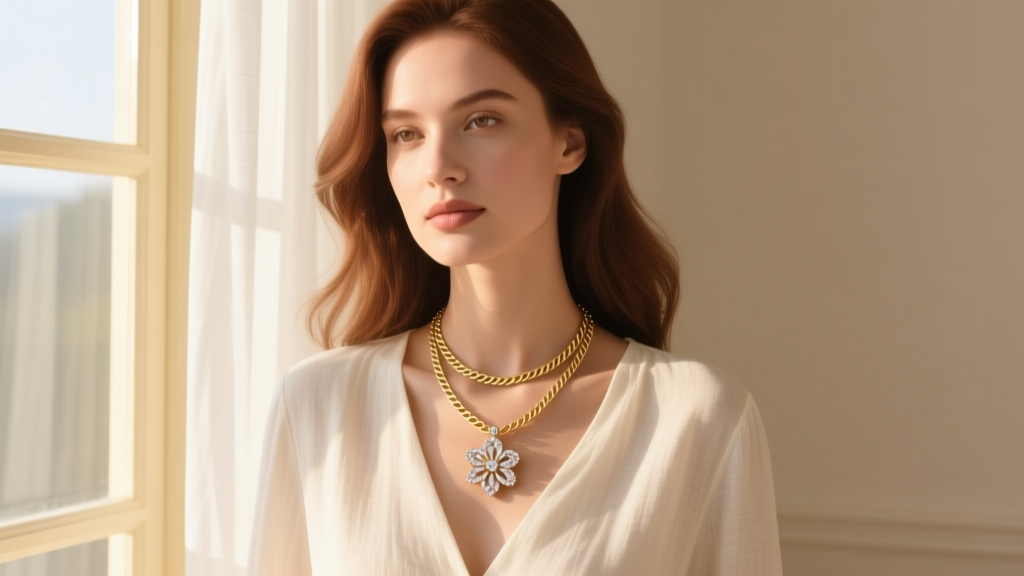
When hunting for the perfect alternative, your budget will dictate the longevity and material safety of the piece. In the current jewelry landscape, spending between $80 and $150 is the sweet spot. This price bracket grants you access to independent jewelers and specialized demi-fine brands that utilize 925 sterling silver bases, thick 2.5-micron vermeil plating, and ethically sourced, genuine semi-precious stone inlays. Spending less than $40 almost guarantees exposure to nickel-heavy brass alloys and synthetic dyes that can cause contact dermatitis.
Final Checklist Before You Checkout
Before adding an LV-inspired floral or geometric pendant to your cart, run it through this rigorous quality-assurance checklist to ensure you are getting a premium piece of jewelry rather than a disposable accessory:
- Verify the Base Metal: Ensure the listing explicitly states '925 Sterling Silver' or '316L Stainless Steel'. If it says 'brass', 'copper alloy', or 'environmental metal', close the tab.
- Check Plating Thickness: Look for a minimum of 2.5 microns of gold plating if choosing vermeil, or 'PVD vacuum coated' if choosing steel.
- Confirm Stone Authenticity: The description should list 'genuine malachite', 'natural onyx', or 'real mother of pearl'. Beware of terms like 'malachite-colored enamel' or 'onyx resin'.
- Measure the Pendant: Cross-reference the pendant diameter (usually 12mm to 15mm) with the original designer specs to ensure it isn't disproportionately large or small.
- Inspect the Chain Gauge: Confirm the chain width is at least 1.5mm and features a lobster clasp for secure, everyday wear.
By prioritizing metallurgical integrity and genuine stone inlays over mere visual resemblance, you can curate a luxury-inspired jewelry wardrobe that withstands the test of time, offering the exact aesthetic appeal of high-end designer pieces with the practical durability required for modern, everyday wear.


