Princess Polly Necklaces: Troubleshooting Tarnish & Breakage
Learn how to troubleshoot common issues with Princess Polly necklaces, including brass tarnish, green skin, and clasp failures, with expert fixes.

The Reality of Fast-Fashion Metallurgy
Princess Polly has cemented itself as a go-to destination for trendy, affordable accessories, with their necklace collections typically ranging from $15 to $45. However, at this accessible price point, compromises in metallurgy and manufacturing are inevitable. While their designs are undeniably stylish, the underlying materials—often gold-plated brass or recycled sterling silver with thin micron plating—require specific care to survive daily wear. In 2026, as fast-fashion jewelry continues to dominate the market, understanding the structural limitations of these pieces is the key to extending their lifespan from a few weeks to several years.
Unlike fine jewelry, which relies on solid gold or platinum, fashion necklaces utilize a base metal core that is electroplated with a microscopic layer of precious metal. When that barrier is breached by friction, sweat, or environmental chemicals, the base metal reacts, leading to the most common complaints: tarnishing, skin discoloration, and structural fatigue. This comprehensive troubleshooting guide will help you diagnose and repair the most frequent failures associated with Princess Polly necklaces.
The Anatomy of Princess Polly Jewelry
To effectively troubleshoot, you must first understand what you are working with. The majority of Princess Polly's gold-toned necklaces are crafted from brass (an alloy of roughly 70% copper and 30% zinc) that undergoes 'flash plating.' Flash plating typically deposits a gold layer between 0.1 and 0.3 microns thick. For context, high-quality vermeil requires a minimum of 2.5 microns. This ultra-thin layer is highly susceptible to friction wear, particularly at the clasp and the back of the pendant where it rests against the skin.
Silver-toned pieces from the brand are generally sterling silver (92.5% silver, 7.5% copper). While sterling silver is a precious metal, the copper content makes it highly reactive to sulfur and moisture, leading to rapid oxidation (tarnish) if not stored correctly. Recognizing whether your necklace is plated brass or solid sterling silver is the first step in choosing the right cleaning and repair protocol.
Troubleshooting Guide: 4 Common Necklace Failures
1. The 'Green Neck' Phenomenon (Copper Oxidation)
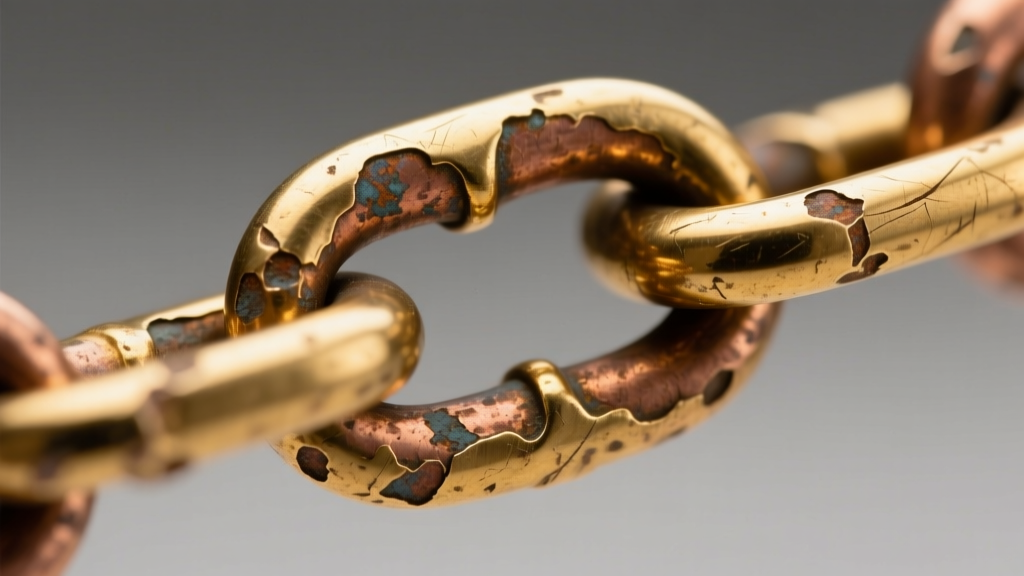
If a Princess Polly necklace leaves a green or black ring around your neck, the gold plating has worn through, exposing the brass core. The copper in the brass reacts with the lactic acid and salts in your sweat to form copper chloride, a green compound that transfers to the skin. This is not a sign of toxicity, but rather a basic chemical reaction.
The Fix: To salvage a piece that has begun to bleed copper, you must create a synthetic barrier. Clean the necklace thoroughly with a mild, pH-neutral dish soap and dry it completely. Apply a thin, even coat of a specialized jewelry shield (like Jeweler's Skin Guard) or a clear, fast-drying polyurethane nail polish to the areas that touch your skin. Allow it to cure for 24 hours. This invisible shield prevents sweat from reaching the copper core. Reapply the coating every few months as it wears away from friction.
2. Plating Fade and Brass Bleed-Through
When the gold plating fades, the necklace takes on a dull, patchy appearance. Many consumers mistakenly try to 'polish' the gold back to life, but because the gold is physically gone, polishing only accelerates the removal of the remaining plating.
The Fix: Never use abrasive silver polishes, baking soda pastes, or toothpaste on plated brass. According to the Gemological Institute of America (GIA), abrasive cleaners will strip flash plating instantly. Instead, use a lint-free microfiber cloth lightly dampened with warm water and a drop of gentle soap to remove surface oils. If the plating is entirely gone, your only true restoration option is to take it to a bench jeweler for re-plating, though this often costs more than the necklace itself.
3. Lobster Clasp Sticking and Spring Failure
The lobster claw clasps used on lightweight fashion chains are mass-produced and often suffer from misaligned levers or weak internal springs. If your clasp is sticking open or refuses to snap shut, the issue is usually a bent lever or debris in the housing.
The Fix: Do not yank the lever. Use a 0.5mm flat-nose jewelry plier to gently squeeze the sides of the clasp housing together by a fraction of a millimeter; this often realigns the internal spring tension. If the lever is stiff, apply a microscopic drop of liquid graphite lubricant (never WD-40, which attracts dust and degrades jewelry finishes) to the hinge pin using a toothpick. Work the lever back and forth until it moves smoothly.
4. Cubic Zirconia (CZ) Stone Clouding
Princess Polly frequently uses Cubic Zirconia for added sparkle. Over time, CZ stones can become cloudy. This is rarely damage to the stone itself, but rather a buildup of lotions, dead skin cells, and soap scum on the pavilion (the underside of the stone), which blocks light refraction.
The Fix: Soak the necklace in a bowl of warm water mixed with a few drops of ammonia-free glass cleaner for 10 minutes. Use a soft-bristled baby toothbrush to gently scrub the underside of the stones. Avoid ultrasonic cleaners; the high-frequency vibrations can easily shatter the glue or weaken the delicate cast prongs holding the stones in place.
Material Comparison & Lifespan Expectancy
Understanding the expected lifespan of your jewelry helps manage expectations and plan your maintenance schedule. The table below outlines the typical materials used in fast-fashion necklaces and their inherent vulnerabilities.
| Material Type | Base Metal | Plating Thickness | Common Failure Mode | Expected Daily Lifespan |
|---|---|---|---|---|
| Gold-Plated Brass | Copper/Zinc Alloy | 0.1 - 0.3 microns | Friction wear, green skin oxidation | 3 - 6 months |
| Silver-Plated Alloy | White Metal / Zinc | 0.5 - 1.0 microns | Rapid tarnishing, flaking | 2 - 4 months |
| Sterling Silver | 92.5% Silver, 7.5% Copper | N/A (Solid) | Sulfur oxidation (black tarnish) | Years (with polishing) |
| Stainless Steel (Accents) | Iron/Chromium/Nickel | N/A (Solid) | Clasp spring fatigue | Years (Highly durable) |
Proactive Maintenance: Extending the Life of Your Pieces
Prevention is vastly superior to reaction when dealing with flash-plated jewelry. Implementing a strict storage and wear protocol can double or triple the life of your Princess Polly necklaces.
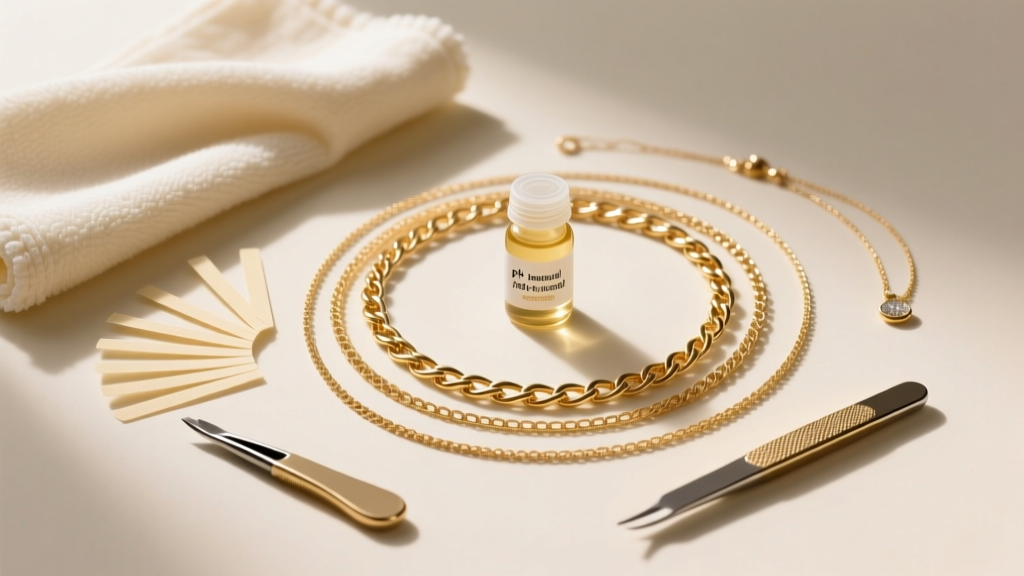
- Climate-Controlled Storage: Store necklaces in a cool, dry place. Tossing a silica gel packet and an anti-tarnish strip (which absorbs ambient sulfur) into your jewelry box will drastically slow down the oxidation of both brass and sterling silver.
- The 'Last On, First Off' Rule: Perfumes, hairsprays, and lotions contain alcohols and volatile organic compounds (VOCs) that break down gold plating on a molecular level. Always apply your cosmetics and allow them to dry completely before putting on your necklace.
- Avoid Chlorine and Salt: Never wear plated jewelry in swimming pools or the ocean. Chlorine reacts violently with the copper and zinc in brass, causing rapid pitting and permanent structural weakening. The Jewelers of America strongly advises removing all fashion jewelry before aquatic activities.
When to DIY vs. When to Take it to a Jeweler
Because Princess Polly necklaces are budget-friendly, the economics of repair are a crucial consideration. A professional bench jeweler typically charges a minimum 'bench fee' of $50 to $75 just to evaluate and set up a piece for repair. Therefore, taking a $30 plated necklace to a professional for re-plating or soldering a broken chain is rarely cost-effective.
For broken chains, DIY jewelry repair kits (which include micro-jump rings and precision pliers) are a highly viable solution for chains thicker than 1.5mm. However, if a delicate 1mm cable chain snaps, DIY soldering is impossible without melting the surrounding plating. In these cases, it is best to retire the chain and repurpose the pendant by threading it onto a higher-quality, solid gold-filled or sterling silver chain, which will provide the structural integrity the original fast-fashion chain lacked.
Final Thoughts on Fast-Fashion Care
Princess Polly necklaces offer an excellent way to participate in seasonal trends without the investment of fine jewelry. By understanding the chemical realities of brass oxidation, the mechanical limits of flash plating, and the proper protocols for cleaning and storage, you can troubleshoot common issues before they ruin your favorite pieces. Treat your fashion jewelry with the same respect you would give to fine heirlooms, and it will reward you with lasting shine and durability.


