How Long Is 16 In Necklace? Sizing, Fit & Value Guide
Discover how long is 16 in necklace styles, where it falls, and why choosing a 16-inch chain maximizes your budget and precious metal value.

The Exact Measurements: How Long is 16 in Necklace Styles?
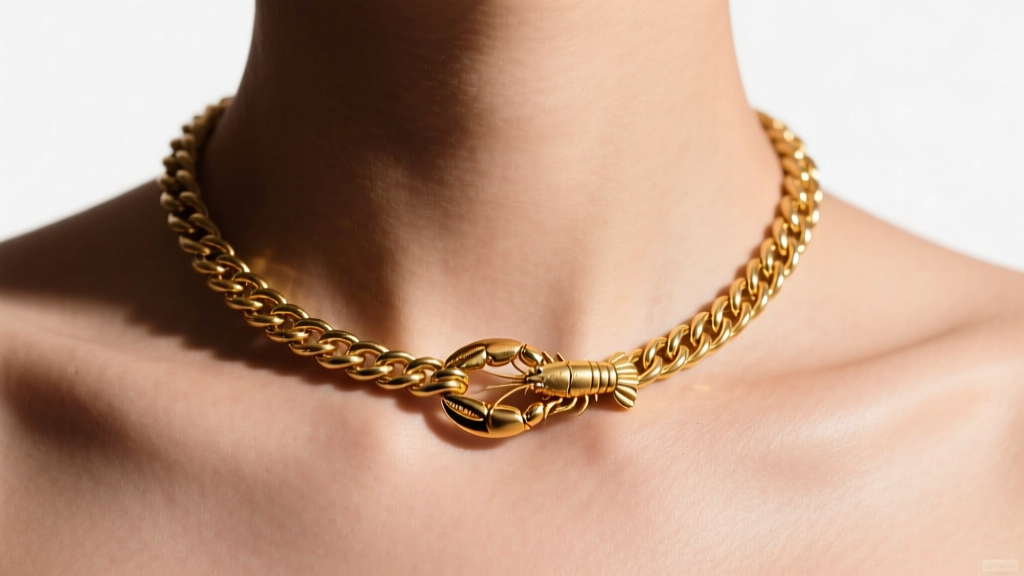
When budget-conscious shoppers and jewelry enthusiasts ask, "how long is 16 in necklace" designs, they are typically trying to visualize the drape and assess the financial value of a shorter chain. A 16-inch necklace measures exactly 40.64 centimeters. On the average adult woman (with a neck circumference of 13 to 14 inches), a 16-inch chain sits snugly at the base of the neck, resting directly on or just above the collarbone. This placement bridges the gap between a traditional choker (14-15 inches) and a standard princess-length necklace (18 inches).
Understanding this exact placement is crucial for both styling and budgeting. Because the 16-inch length requires less raw material than standard 18-inch or 20-inch chains, it presents a unique opportunity for buyers to maximize their budget, opt for higher karat gold, or invest in a thicker, more durable gauge without exceeding their price ceiling.
Budget & Value Assessment: The 16-Inch Advantage
From a pure value-assessment perspective, the 16-inch necklace is a financial sweet spot. Precious metal jewelry is priced primarily on melt weight, meaning every fraction of an inch directly impacts the retail cost. By opting for a 16-inch chain over an 18-inch chain, you are reducing the metal yield by approximately 11.1%. In the realm of solid 14k or 18k gold, this percentage translates to significant dollar savings.
Below is a comparative breakdown of estimated retail pricing and gram weights for a standard 14k Yellow Gold Box Chain (1.2mm thickness) across different lengths, illustrating the inherent value of the 16-inch option:
| Chain Length | Estimated Gram Weight | Average Retail Price (14k Gold) | Value Proposition |
|---|---|---|---|
| 16 Inches | 3.8g - 4.1g | $260 - $290 | Best budget entry for solid gold; allows gauge upgrades. |
| 18 Inches | 4.3g - 4.6g | $295 - $330 | Standard length; higher base cost limits gauge thickness. |
| 20 Inches | 4.8g - 5.2g | $340 - $380 | Premium pricing; better for layering over garments. |
The Budget Strategy: If your budget is strictly $300, an 18-inch 14k gold chain might force you into a fragile 0.9mm gauge. By pivoting to a 16-inch length, that same $300 budget can secure a robust 1.5mm gauge chain that is far less prone to snapping, thereby offering vastly superior long-term value and durability.
Chain Styles That Maximize Value at 16 Inches
Not all chain links behave the same way when constrained to a shorter 16-inch radius. The tighter curvature around the neck puts specific mechanical stresses on the links. To ensure your investment holds up, consider these structural insights:
- Box Chains: Excellent for 16-inch lengths because their geometric links lay flat against the collarbone. However, avoid anything under 1.2mm. Thinner box chains are notorious for kinking when bent at the tight radius of a 16-inch fit.
- Rope Chains: The twisted links reflect light brilliantly at the collarbone. A 16-inch rope chain in 1.5mm offers a luxurious, high-impact look that mimics the visual weight of much thicker, longer chains, maximizing perceived value.
- Snake Chains: While they offer a sleek, modern aesthetic, snake chains are highly susceptible to metal fatigue. The constant 16-inch bend radius around the neck accelerates this fatigue, making them a poor long-term value investment unless they are heavily reinforced.
- Cable Chains: The most durable and cost-effective option. Their simple oval links handle the tension of a shorter length without structural compromise, making them the safest bet for budget buyers.

Assessing Craftsmanship and Clasp Value
A critical, often overlooked factor in necklace valuation is the clasp assembly. A 16-inch necklace sits higher on the neck, an area subject to frequent movement, turning, and friction from clothing collars. This creates higher tensile stress on the clasp compared to a longer, looser 24-inch chain.
According to the Federal Trade Commission's Jewelry Guides, clasps must be secure and appropriately sized for the weight of the chain. Many mass-market jewelers cut costs by attaching flimsy 5mm spring-ring clasps to 16-inch chains. This is a massive liability.
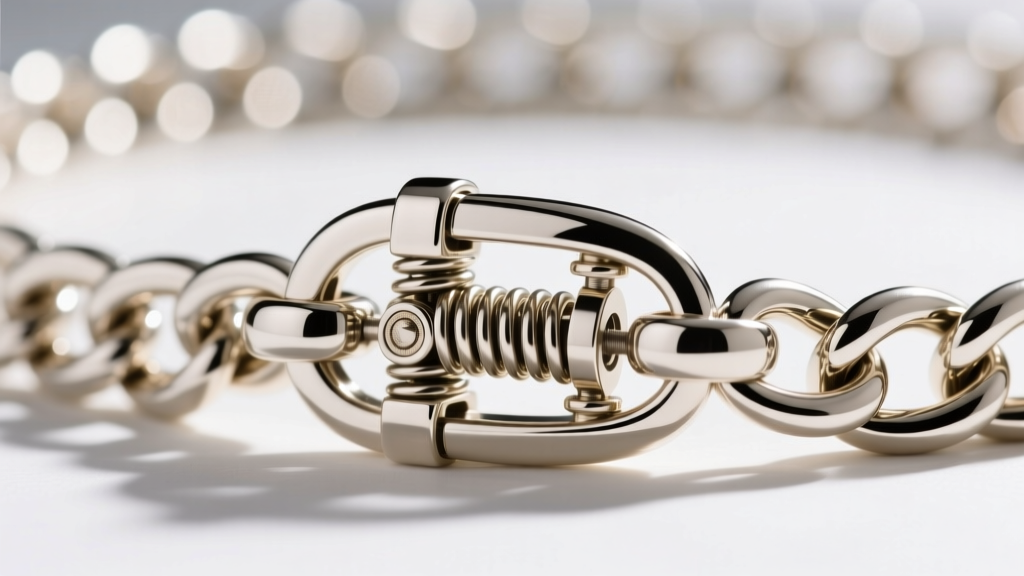
Expert Rule of Thumb: For a 16-inch solid gold or silver chain, always demand a minimum 7mm lobster clasp or a box clasp with a figure-8 safety catch. Spring rings under 6mm lack the internal spring tension to withstand the lateral pulling forces of a snug 16-inch fit, leading to accidental loss and total value destruction.
When evaluating a 16-inch necklace in a store or online, zoom in on the jump rings connecting the clasp to the chain. They must be soldered shut. If you can see a slit in the jump ring, the chain will eventually slip through under the tension of a 16-inch wear, rendering your investment worthless.
Material Grades and Hallmark Verification
Because you are saving money on the overall length by choosing 16 inches, you should reallocate those savings toward verified material purity. The Gemological Institute of America (GIA) emphasizes the importance of proper hallmarking to ensure consumers receive the karatage they pay for.
When buying a 16-inch chain, look for the following stamps:
- 14k or 585: The ideal balance of durability and gold content for a snug-fitting chain that will endure daily friction.
- 18k or 750: Softer and more prone to scratching, but offers a richer color. If choosing 18k for a 16-inch chain, increase the gauge thickness to at least 1.5mm to compensate for the metal's softness.
- 925: The standard for sterling silver. Ensure it is rhodium-plated if you want to prevent tarnishing, which is highly visible on the collarbone.
Resale and Long-Term Value Retention
Does a 16-inch necklace hold its resale value? Absolutely. In the secondary jewelry market, 16-inch chains are highly liquid. The current fashion landscape heavily favors Y2K-inspired chokers and minimalist collarbone-grazing pendants. Because 18-inch chains are the mass-market default, 16-inch chains in good condition often command a slight premium on resale platforms like eBay or specialized jewelry exchanges, as buyers specifically hunt for this exact length to achieve a tailored, layered look without having to pay a jeweler to shorten a longer chain (which incurs labor costs and leaves leftover scrap).
Final Verdict for the Budget-Conscious Buyer
Understanding how long is 16 in necklace configurations is about more than just aesthetics; it is a strategic financial decision. By choosing a 16-inch length, you reduce your raw material costs by over 10% compared to standard lengths. This allows you to pivot your budget toward a thicker, more durable gauge, a higher karat gold, or a superior clasp mechanism. For the savvy buyer, the 16-inch necklace is not just a style choice—it is the ultimate hack for acquiring high-quality, durable precious metal jewelry without paying the premium for excess length you don't need.


